Exploring Ulsan: A City of Industry and History



Ulsan is a city that evokes a distinct image for those who have lived there and for outsiders looking in. It is known as an industrial city, a place where major South Korean conglomerates were born and have continued to thrive.
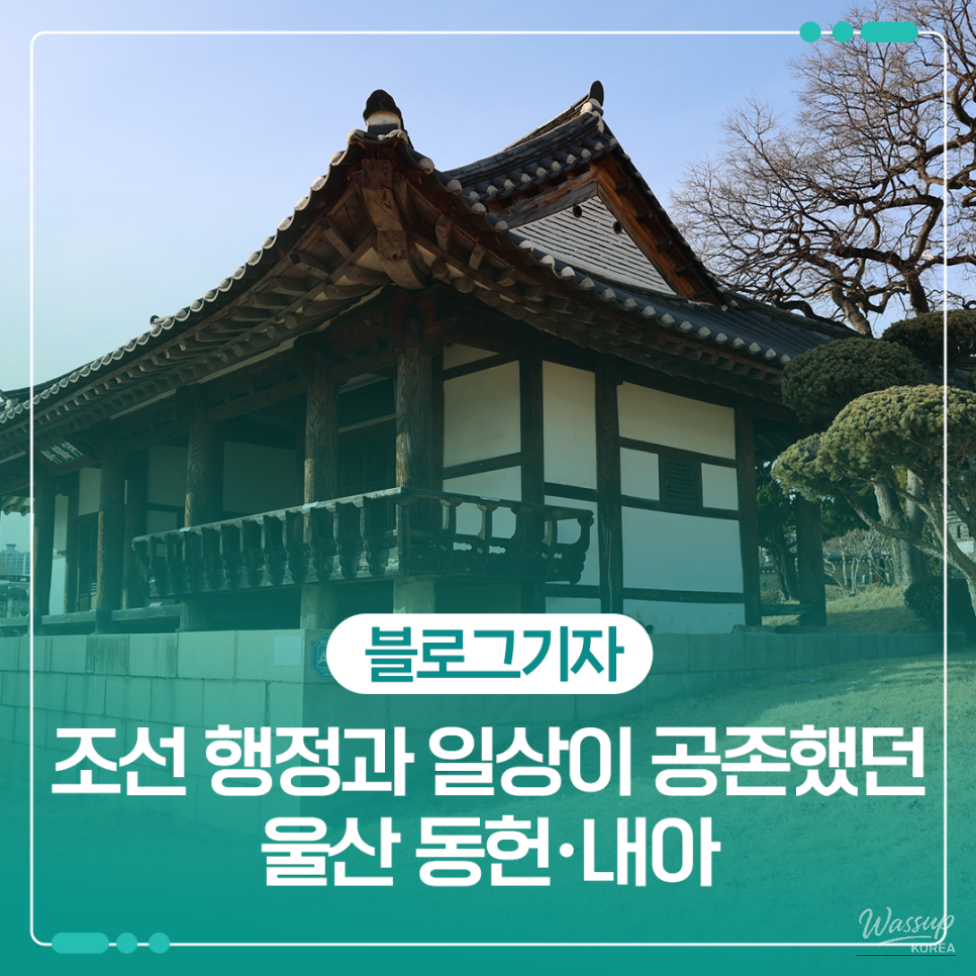
However, Ulsan is also a city with a rich history, filled with diverse stories. One of the places I visited this time is the Ulsan Dongheon and Naea, known as a space where administration and daily life intersected.
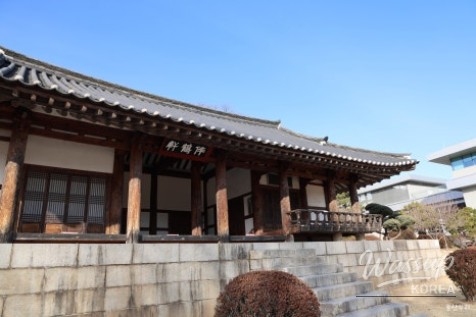
Historically, the Dongheon served as the center of local government during the Joseon Dynasty. It was both an administrative body, akin to modern city or county halls, and a place where power was exercised.
Here, the governor met with the people, held trials, and managed taxes and military service. The entire administrative structure of the region revolved around this space.
Each Dongheon in different cities reveals its role through its structure. The size of the building varies according to the scale and significance of the administrative district.
A building situated on a raised platform, a wide-open floor, and the sight lines connecting through the pillars are not merely architectural features but designs for 'visible power.'
The people would have looked up from below the floor, while the governor made decisions under their gaze. The space itself was already establishing order.
The Naea represents the personal space hidden behind the power. While the Dongheon was a public space, the Naea was used as a private area. It was where the governor and his family lived, a place where the tension of administration could be relaxed.
Observing the garden and trees around the Naea, one can sense that this was not just a residence but a 'space for rest.'
Today, it has become an open space for both Ulsan citizens and visiting tourists. Officials of the Joseon era were not merely administrators but valued scholarship and etiquette, and their lives were closely intertwined with nature.
Decisions were made in the Dongheon, and the day would be reflected upon in the Naea. Public judgments and personal reflections were completed in the interplay between these two spaces.
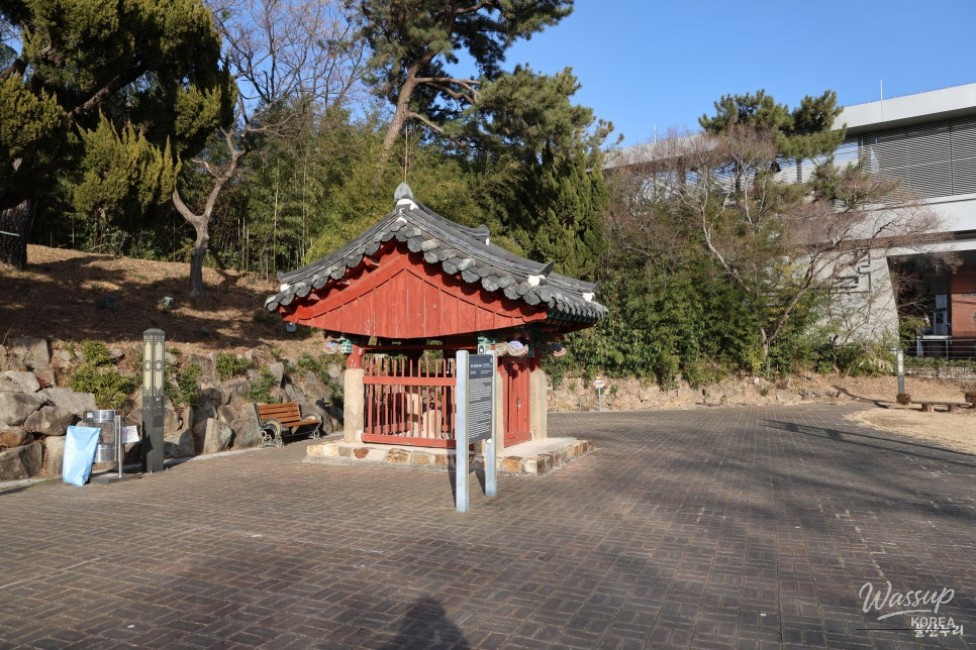
Everywhere, traces of time remain, with stones and monuments telling their stories. There are well-preserved artifacts and tales of people now forgotten.
On one side, old stones and monuments stand quietly, including the Ulsan Taehwa Temple's Sari Pagoda, discovered in Taehwa-dong, said to have been established by a monk who returned from Tang China in 613 AD.
The remnants at Ulsan Dongheon and Naea are not merely artifacts; they are 'records of time' from those who passed through here.
The Joseon era was a time of records. Who did what and what judgments were made have been etched in stone and writing, and these records still linger in this space, speaking to us.
As you pass through the Dongheon’s door, you can feel the air in the space change. The noise of the city recedes, and time seems to slow down.
The elegant colors of the traditional paintings, the texture of the pillars bearing the weight of the building, and the shadows cast by sunlight are not just aesthetic devices but reflect how the Joseon era interacted with space.
The outer and inner gates are not just simple boundaries. They serve to divide the outside from the inside, the present from the past, and the everyday from history. Surrounding the Dongheon and Naea are modern buildings.
In a fast-paced city filled with glass and concrete, this space seems to quietly ask questions. Where did the city of Ulsan begin? And what are we standing on now?
Before it became an industrial city, Ulsan has long been a place where people gathered, judged, and lived. The Ulsan Dongheon and Naea are architectural landmarks that showcase this starting point.
The Dongheon was where power resided, and the Naea was where people lived. Between these two, a whole era was completed. If you have time, be sure to visit the tea house as well.
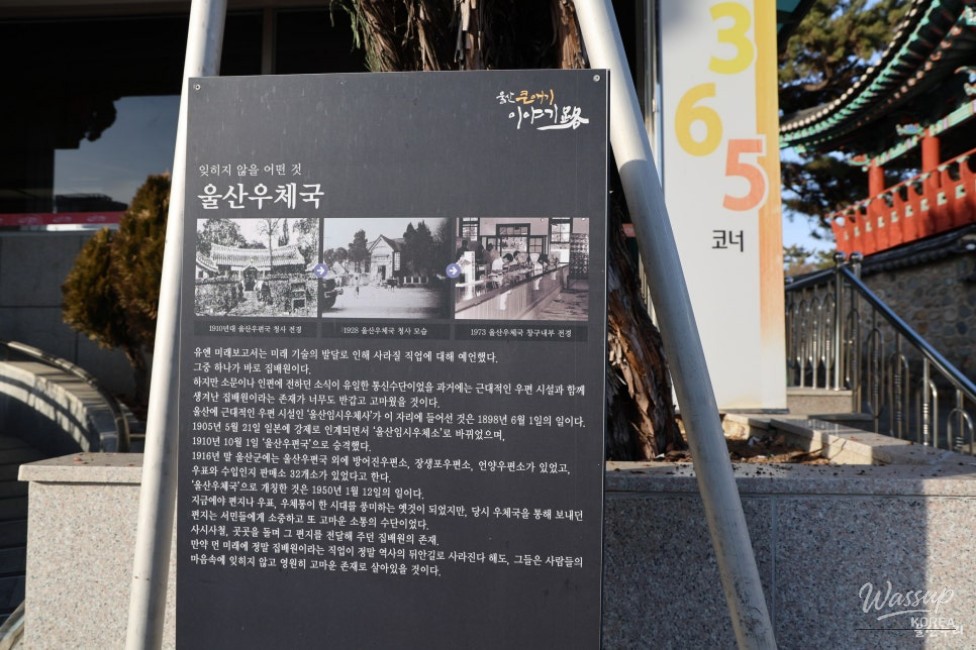
It is said that the Ulsan Post Office was also located where the Dongheon stood. What we see now is not just a building, but a record of 'how people lived through space.'
Ulsan Dongheon and Naea are not merely places that preserve the past; they are closer to places that help us understand the present. If you visit Ulsan, I highly recommend taking some time to stop by.






Source :https://blog.naver.com/ulsan_nuri/224289883269
No comments yet.