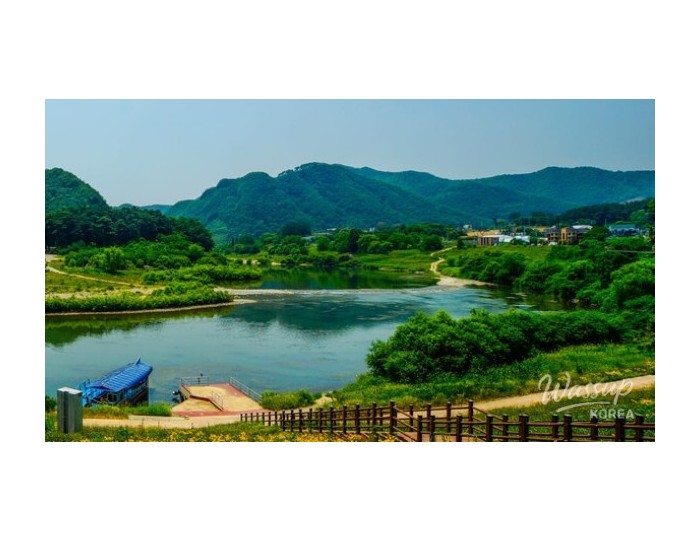
Exploring the Historical Seongpo Fortress in Ulsan



In Ulsan's Seongpo, where the warm spring sea breeze blows, there is a fortress that seems to have stopped time.
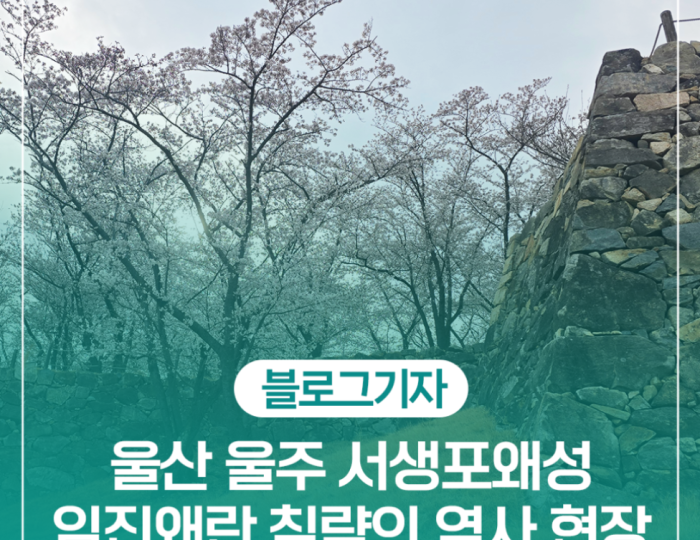
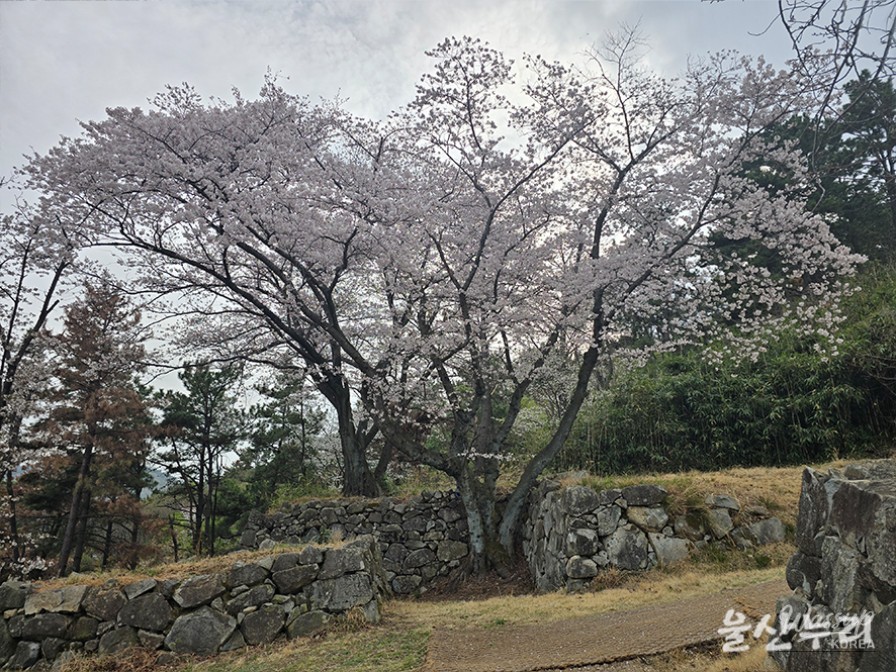
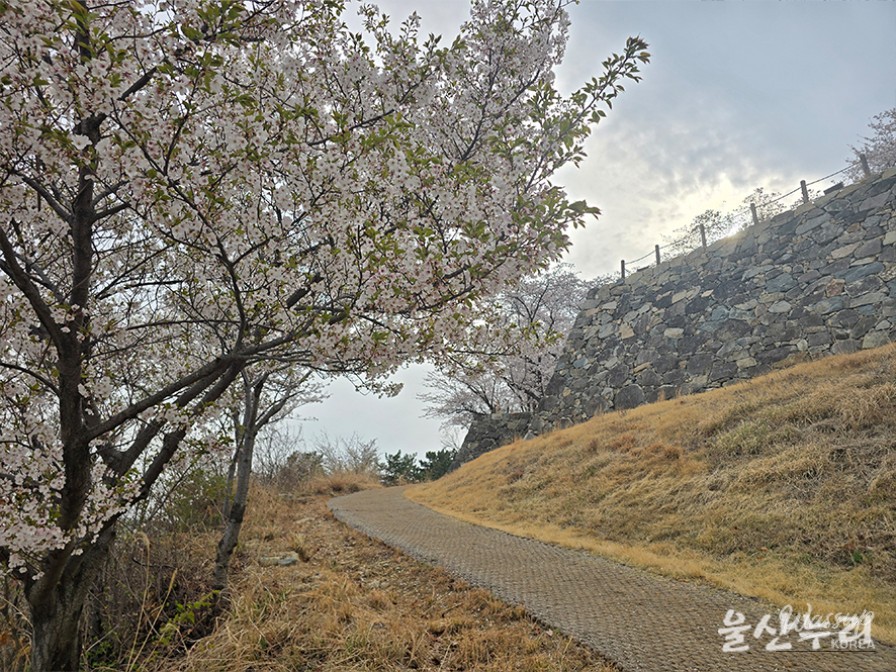
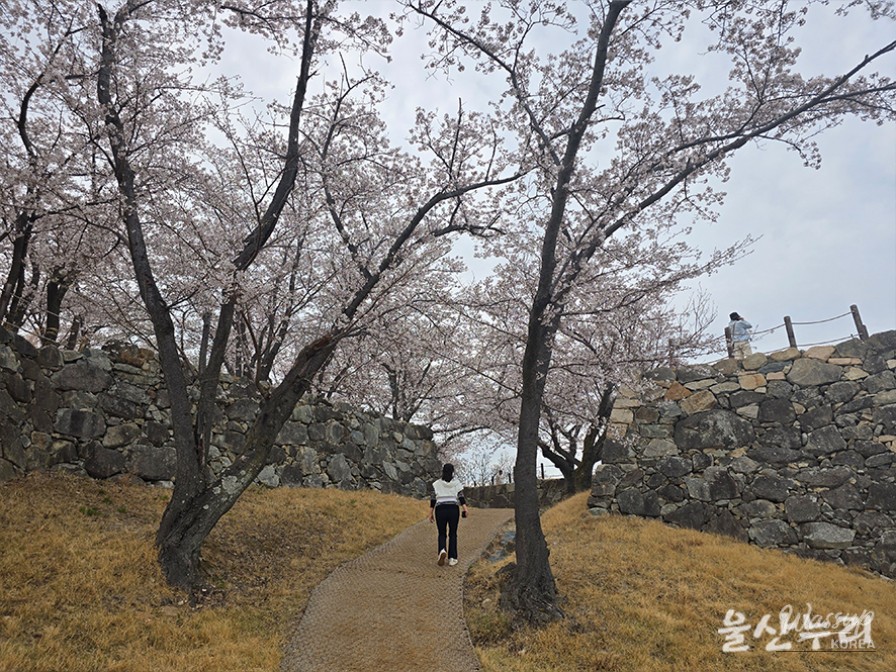
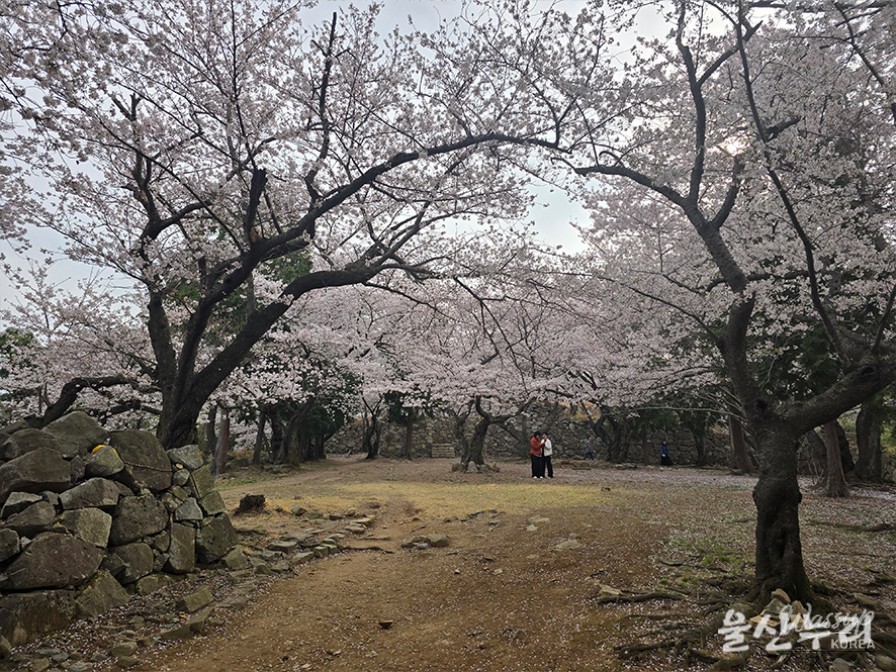
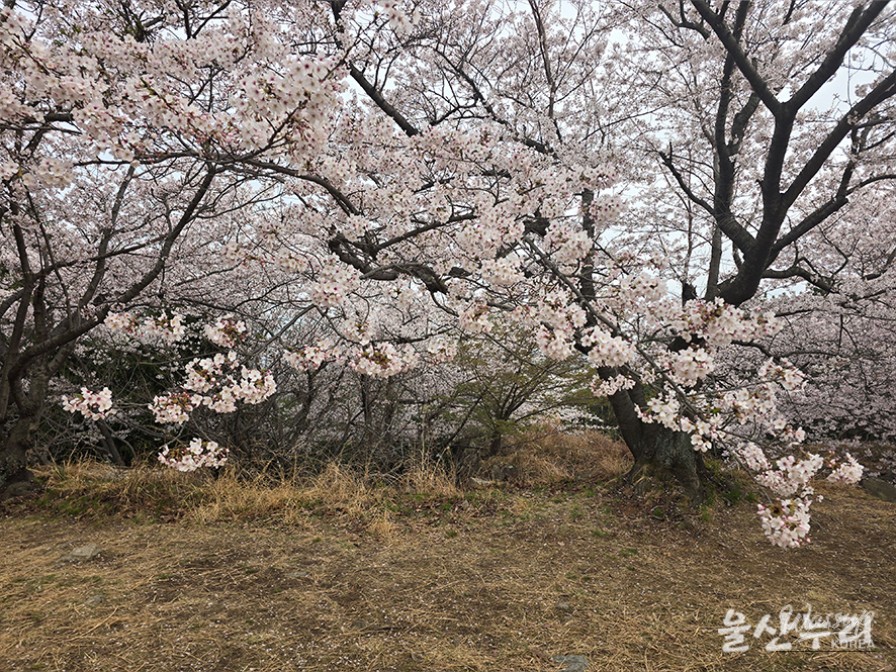
Within Seongpo Fortress, adorned with beautifully blooming cherry blossoms, lie layers of memories from wars fought centuries ago.
I visited the exotic landscape of Seongpo Fortress, a historical site of the Imjin War, while enjoying the cherry blossom paths.
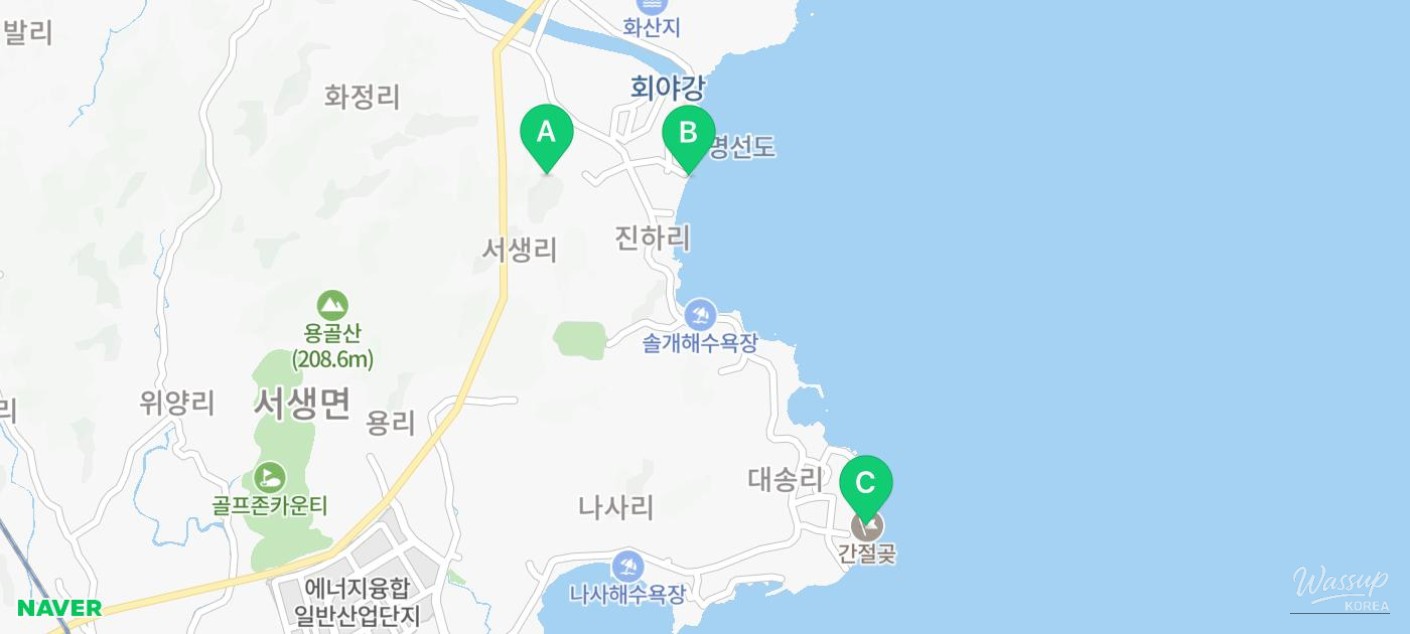
Seongpo Fortress stands at a strategic location where the first rays of sunlight touch Ganjeolgot and where the Hyeongya River meets Jinha Beach.
Despite the passage of many years, the fortress remains well-preserved, built meticulously like a stronghold.
This was my first visit to Seongpo Fortress, and I was surprised by its larger-than-expected scale.
During the Joseon Dynasty, many fortresses were built for defense and to exploit resources during the Imjin War. These fortresses were constructed primarily along coastal mountain peaks in Busan, Changwon Jinhae, and Geoje Island.
In Ulsan, the northern Ulsan Fortress, southern Imrangpo Fortress, and Gijang Fortress were strategically arranged to provide mutual support.
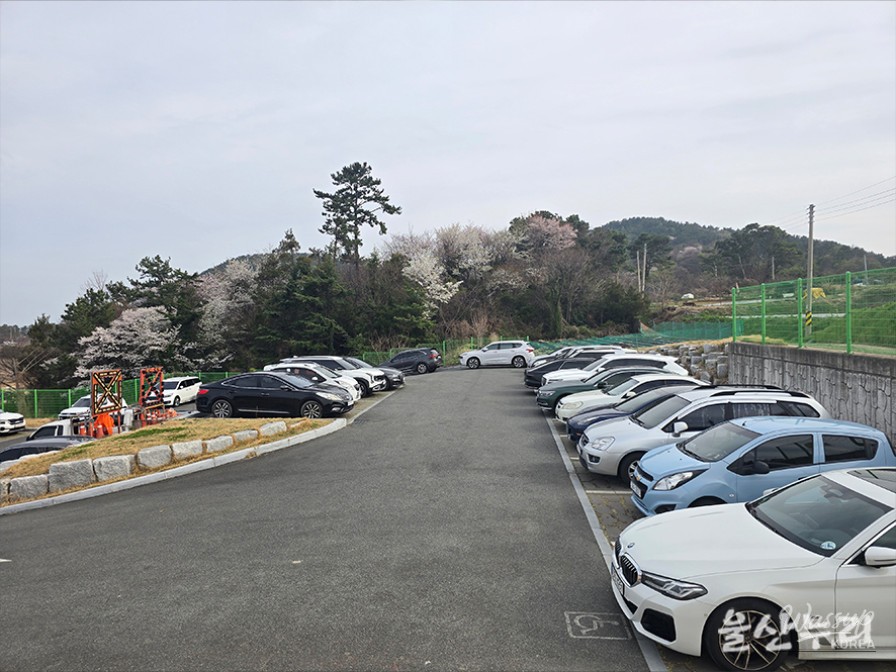
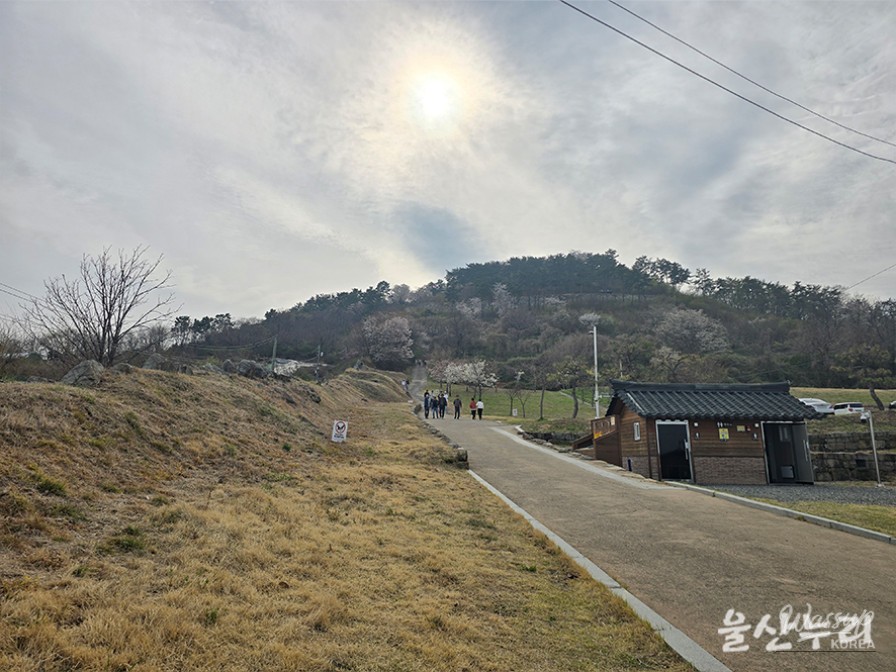
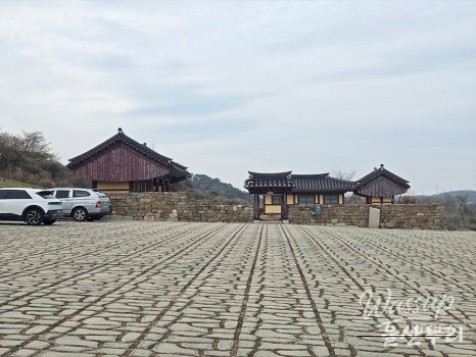
At the entrance of Seongpo Fortress, there is a cultural tourism guide's house, restrooms, and a dust collector.
Inside the fortress, there is an inner fortress with a heavenly tower near the peak, connected to the sea.
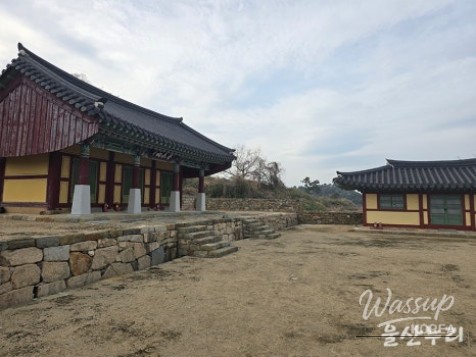
Within the fortress is the Changpyo Shrine, dedicated to honoring the spirits of the Joseon army, righteous soldiers, and Ming Dynasty troops who fought against the Japanese during the Imjin War. An annual memorial ceremony for the 56 heroes of the Imjin War is held here every November.
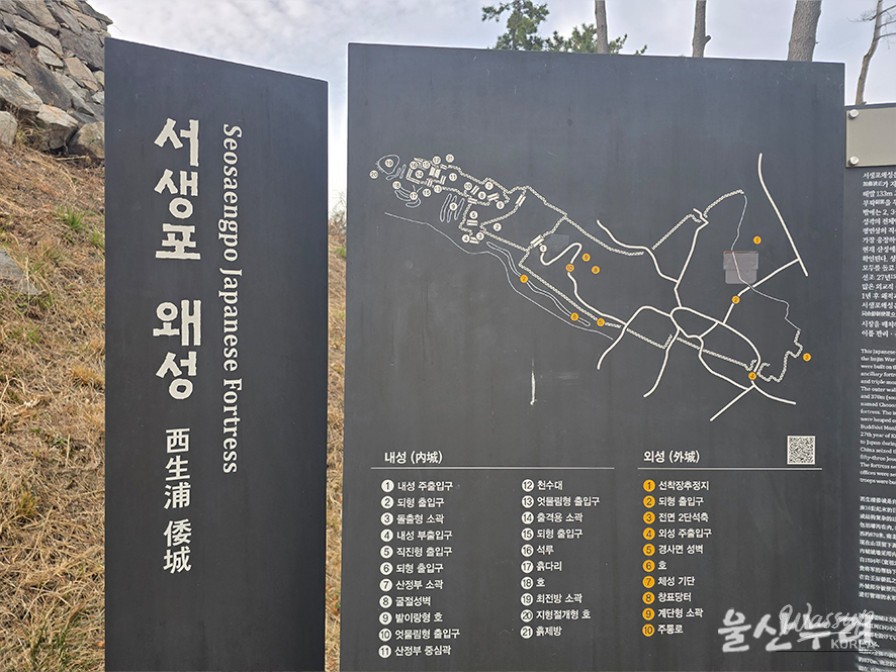
As I admired the fortress layout map, I passed through the steep entrance of the inner fortress.
The purpose of the fortress was to serve as a defensive base for Japanese troops and a residential area. It was also a site where treasures and cultural artifacts were plundered.
Many Joseon captives, including potters, were taken to Seongpo Fortress and then transported across the sea to Japan.
Perhaps this is why the fortresses in Ulsan, Busan, and Changwon are located close to the sea.
The fierce battlegrounds of the Imjin War have vanished, replaced by beautifully blooming cherry blossom trees.
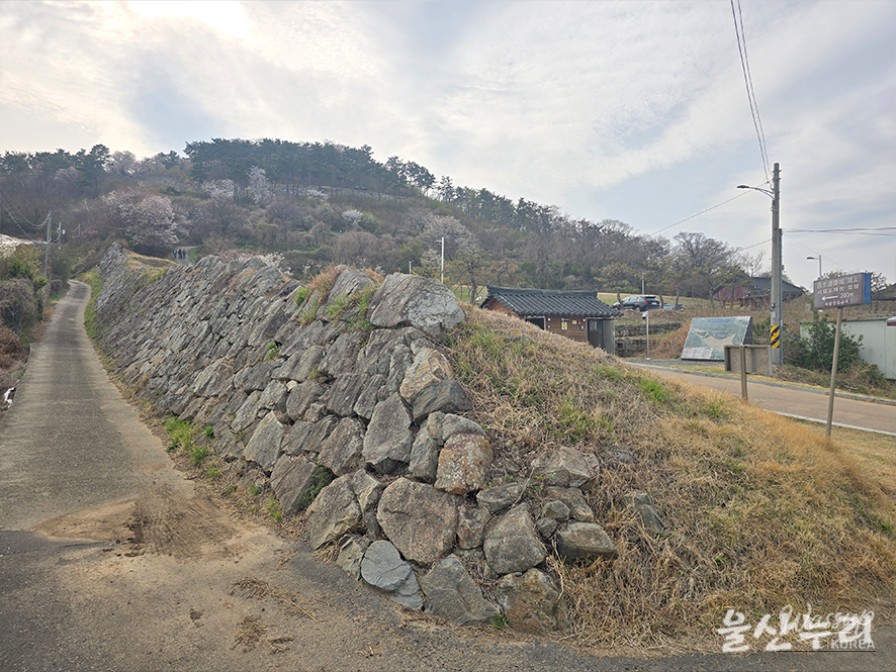
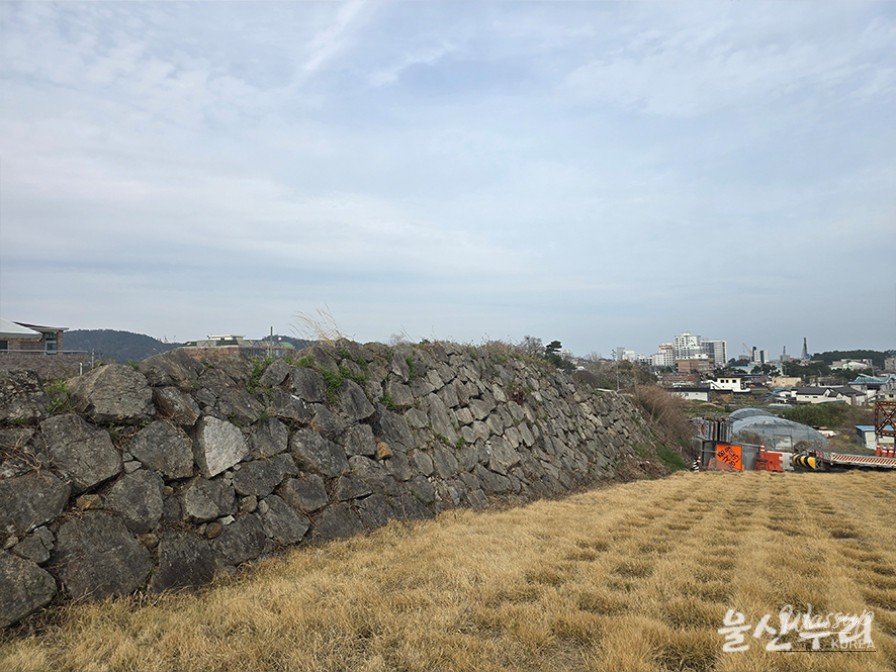
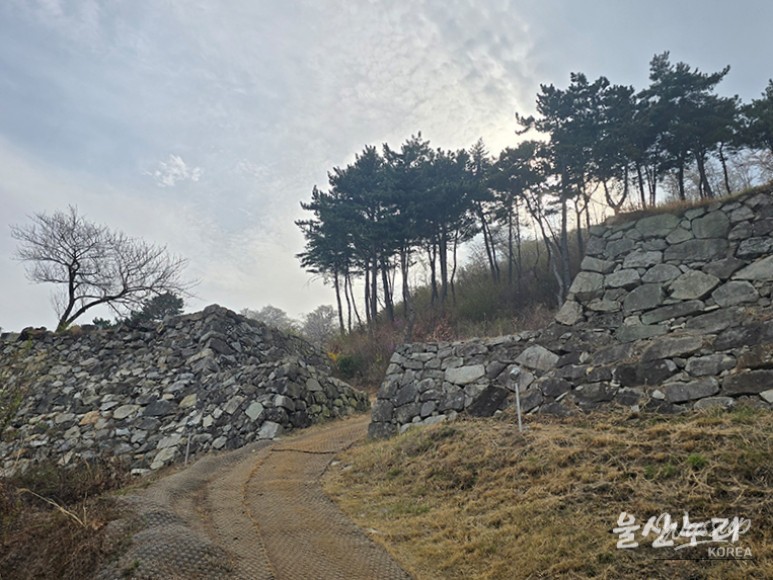
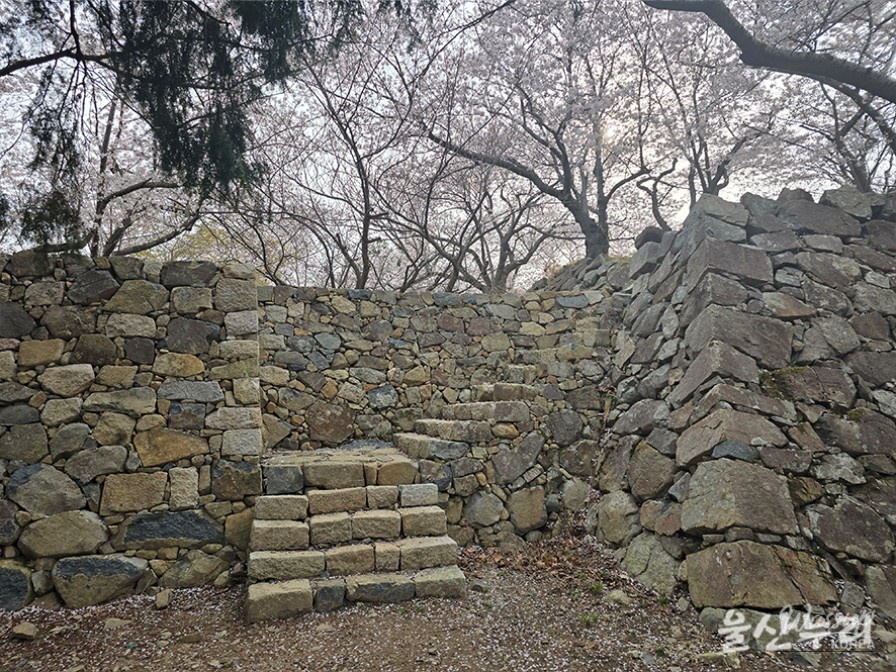
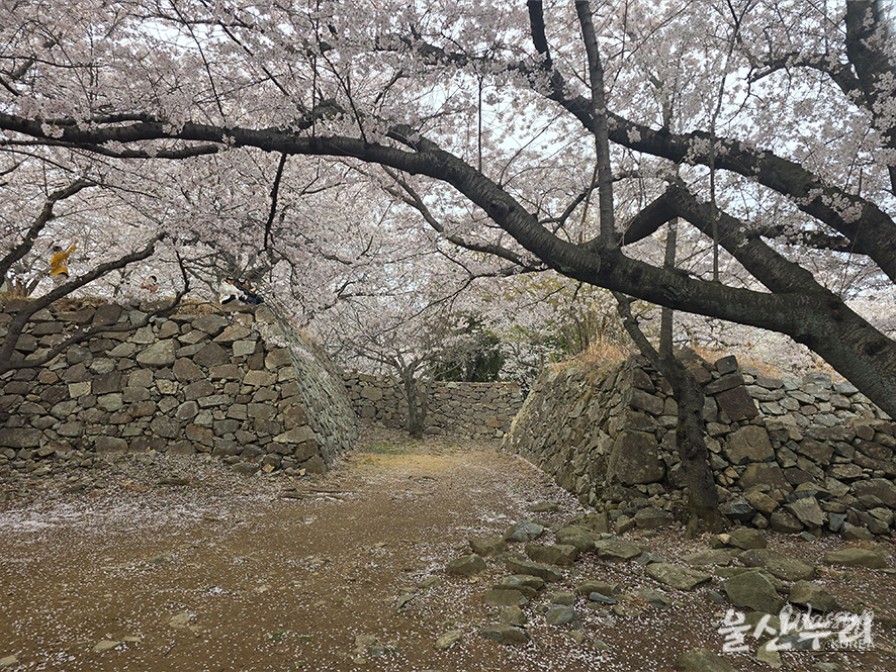
You can see the fortress's structure, built in a Japanese style at a 70-degree angle, reminiscent of what I saw during my backpacking trip in Tokyo.
The inner fortress of Seongpo was fortified by leveling the mountain peak and building walls anew.
The construction of the fortress walls involved Joseon residents who were captured and brought to Ulsan, who then used stones from the nearby Manhojin Fortress to build this stronghold.
In the center of the inner fortress, remnants of the three-tiered Cheonsu Tower, where a general once lived, still remain.
I believe the beautiful cherry blossoms help to soften the pain of history.
In a rapidly changing world, becoming a powerless nation may lead to a repetition of humiliating histories like the Imjin War and the Japanese occupation. We must not forget the contributions of Admiral Yi Sun-sin, the righteous army, and independence activists during the Japanese occupation.
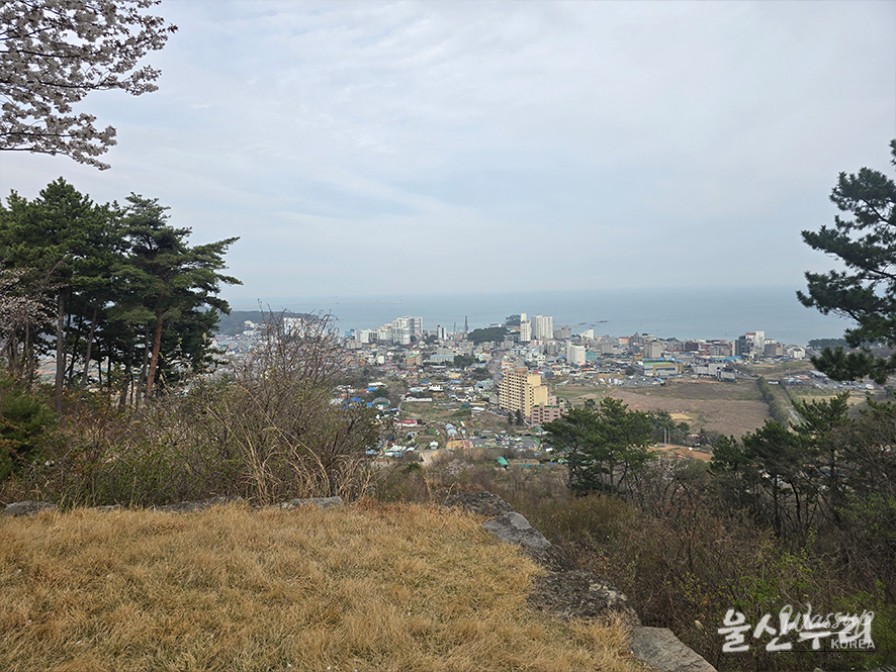
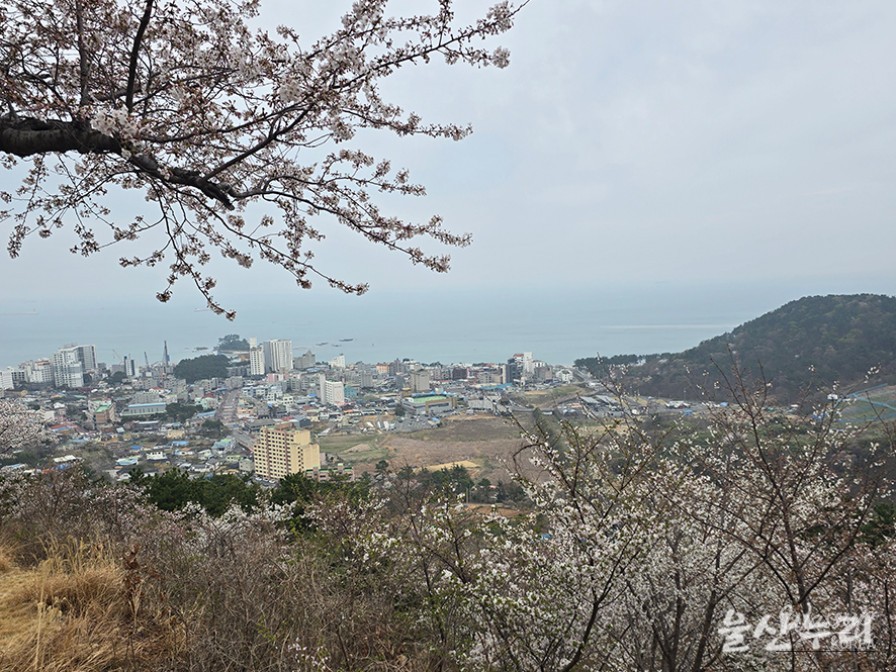
From the top of the fortress, Jinha Beach offers a stunning view of Korea's East Sea. Beneath the splendid cherry blossom trees lie the remnants of a painful history that should not be forgotten.
Seongpo Fortress, a well-preserved historical site of the Imjin War invasion, is located in Seongpo-myeon, Ulju-gun, Ulsan.

Source :https://blog.naver.com/ulsan_nuri/224259789126
No comments yet.