Exploring the Historic Chiwon Fortress in Hamann



Choi Hong-dae, SNS Reporter, 14th Term
Chiwon Fortress
728-205 Guseong-ri, Chiwon-eup, Haman-gun, Gyeongsangnam-do
Spring has not fully arrived yet, but its traces have already seeped into the alleys.
Today, I took a walk to the site of the Chiwon Fortress.
Most of the fortresses across the country disappeared during the Japanese colonial period. Administrative centers had fortresses for defense, and Chiwon-eup in Haman-gun was no exception.
The Chiwon Fortress was built during the Joseon Dynasty to protect the Chiwon area.
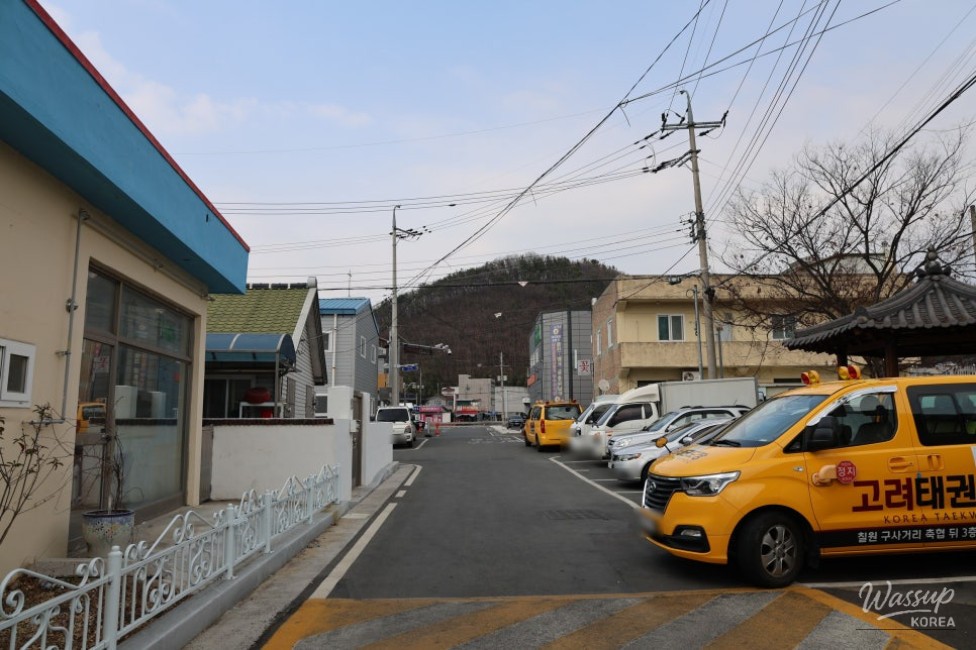
The road leading to Chiwon-eup was quieter than expected, and within that silence, the texture of time felt palpable. The road was not wide, and the tangled power lines above seemed to hold the essence of time in this place.
The path winding between the yellow school bus, narrow alleys, and low houses felt like a continuation of the past while being part of the present.
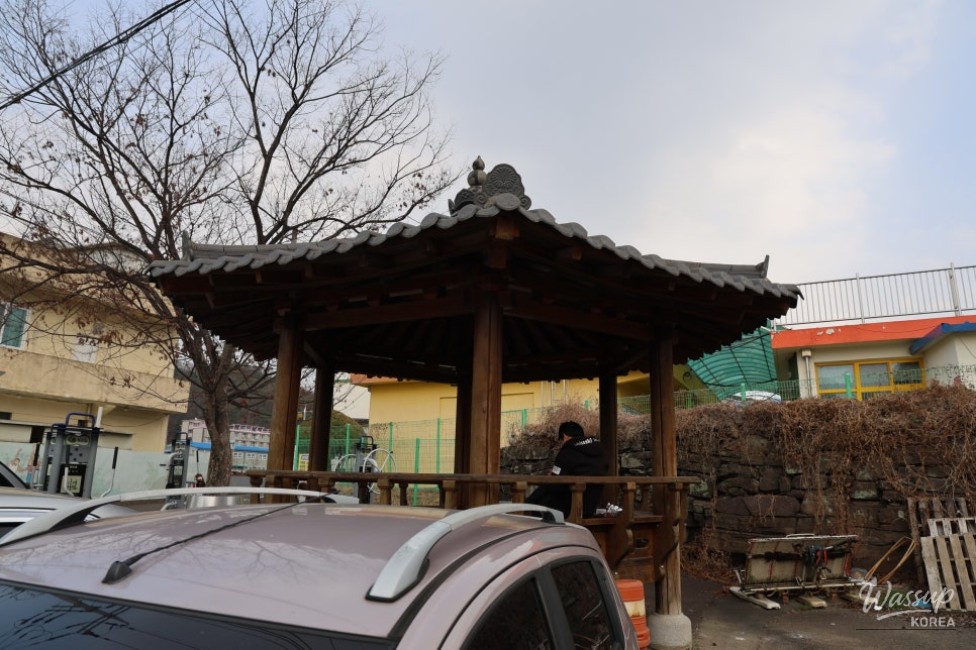
Chiwon-eup may not be a prominent tourist destination in Haman-gun, but it holds many stories. As I ventured further into the alley, I spotted a small pavilion that seemed like a space where someone might have taken a brief rest.
Beside the pavilion, an old stone wall stretched on.
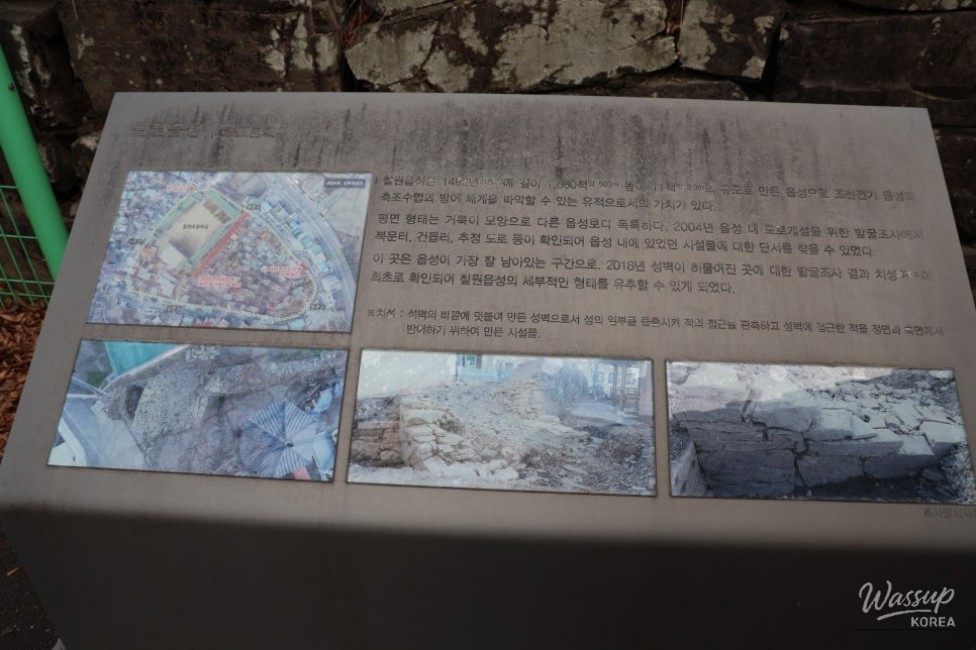
Walking along the alley, I suddenly came across an explanation board. Although the characters had faded with time, this ordinary village began to take on a whole new meaning.
This place is not just a simple village; it is the site where the Chiwon Fortress once stood, leaving traces of its existence.
The Chiwon Fortress played a crucial role in local defense during the Joseon Dynasty, serving as a center for administration and military.
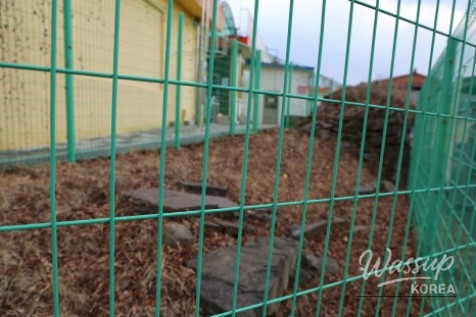
The stones have not crumbled, but the time that covered them is undoubtedly ancient. Next to the wall, a pile of discarded wooden pallets and old blankets had become part of the everyday scenery.
Though the landscape was unkempt, it felt more realistic because of it.
There are no special tourist facilities here, but the traces of the fortress are scattered throughout, intertwined with the marks of everyday life.
Finding the remnants of the fortress amidst the daily scenery is a delightful treasure hunt.
While most of it has disappeared, some sections still reveal traces of the fortress walls. Structures that resembled stone walls and tombstones can still be found.
The stones on the hillside that one might pass by without a second thought could perhaps be remnants of the old fortress.
The ruins nestled between the alleys are not neatly groomed, allowing the tangled stones, soil, and layers of fallen leaves to tell deeper and richer stories.
Time has not completely erased this place; it has merely allowed it to blend naturally into the landscape of daily life.
As I passed by the school, I returned to the present moment.
In the spaces where children play and people live today, traces of those who lived in the past remain. These two timelines coexist naturally without conflict.
Right next to them lies a historical space that has flowed along with time.
The alleys of Chiwon-eup are not special, which makes them all the more inviting for a long walk. Here, the 'living time' that cannot be felt in a touristy area remains.
This time does not ask anything; it simply lingers in place, quietly speaking to those who pass by.
"This is still a scene from an unfinished story."
Walking slowly along the alleyways where the traces of the Chiwon Fortress remain in Haman-gun can make for a wonderful journey.

Source :https://blog.naver.com/arahaman/224248548369
No comments yet.