Exploring the Four Sacred Temples of Jeonju



Jeonju, the ancient capital of a thousand years, is home to not only stunning tourist attractions but also long-standing temples that have safeguarded the city for centuries.
This time, I embarked on a journey to visit the four sacred temples that protect the east, west, south, and north of Jeonju. Known as the capital of the Later Baekje Kingdom and the birthplace of the Joseon Dynasty, Jeonju offers tranquil mountain paths, the sound of chanting, and the ancient stories embedded in each temple.
Why were temples built around Jeonju?
It is said that King Gyeon Hwon of the Later Baekje established his capital in Jeonju and built temples in all four directions to protect the royal path. At that time, the philosophy of 'Bibo'—the idea of erecting temples or forests to supplement the earth's energy and ward off disasters—was considered significant.
The temples include Donggosa, Namgosa, Seogosa, and Jingbongsa, with Jingbongsa being the present-day Jinbongsa. Donggosa, located at the foot of Mount Seungam, is the temple that has protected the east of Jeonju. It was reportedly founded by King Gyeon Hwon in 901, symbolizing the strength of the east. I visited Donggosa in the morning.
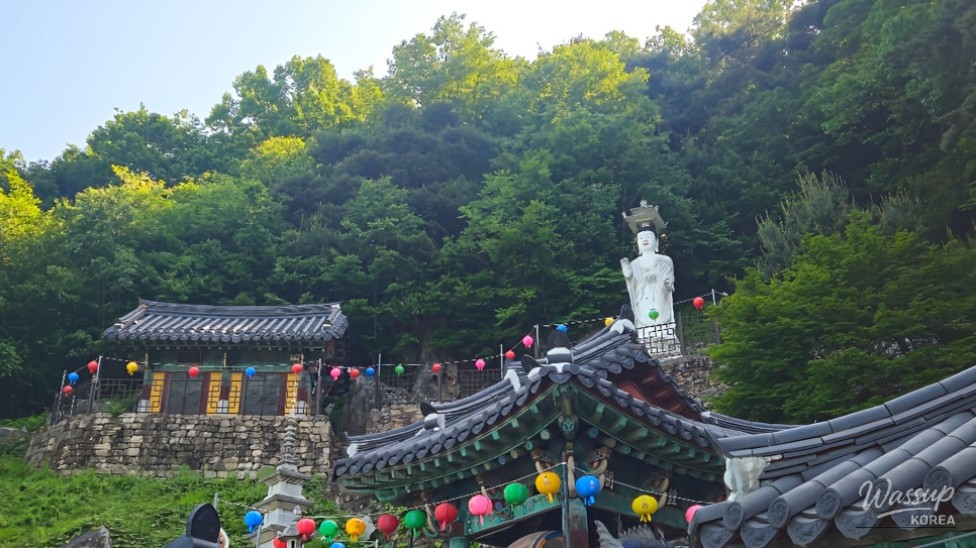
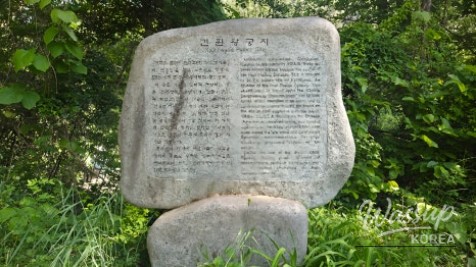
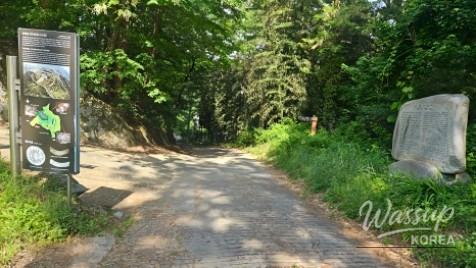
As I walked along the path lined with dense trees and bamboo groves, I encountered a guidepost leading to the royal palace site of King Gyeon Hwon and a sign for Jeonju Fortress (Donggosa Fortress). The path to Donggosa is inclined, so I parked at the nearby parking lot and leisurely walked up. I spotted squirrels darting through the trees, and the temple and the Mireuks statue nestled beneath the towering mountains appeared like a picturesque painting.
Listening to the birds and the chanting as I walked, I felt my mind calm. Although Donggosa burned down during the Imjin War, it was later rebuilt in its current location. Behind the temple stands a massive Mireuks statue, said to shed tears during significant events in the country.
Namgosa, which holds the history of Jeonju, is located in the southern part of the city. It is believed to have been founded by Master Myungbeop during the reign of Silla's King Munmu and was significantly renovated by King Gyeon Hwon during the Later Baekje period. I visited Namgosa around sunset, as I had heard it offers beautiful scenery at that time.
Walking slowly along the path to Namgosa, I was surrounded by birdsong, and the open view allowed me to see Jeonju city and Namgosa Fortress at a glance. Like Donggosa, parking is available below, making it easy to stroll up and take in the sights.
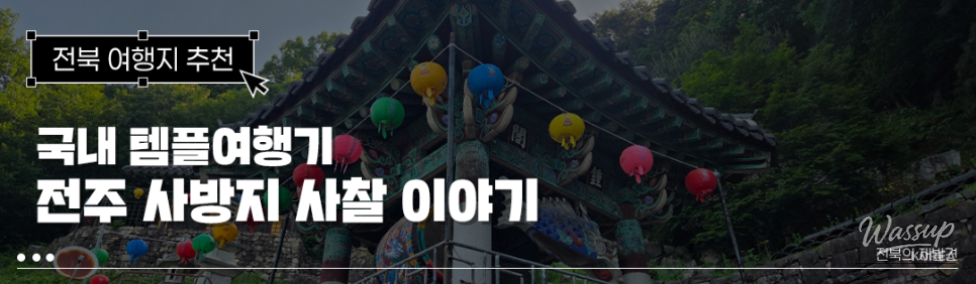
At the entrance of the temple, a dragon sculpture was carved into the signboard, beautifully complemented by traditional colors. In traditional temples, dragons symbolize protection, which felt fitting for Namgosa, a temple that has safeguarded Jeonju alongside Namgosa Fortress.
As the evening glow settled, the serene landscape of the mountain fortress and temple allowed me to experience another facet of Jeonju.
Finally, I visited Jinbongsa, the temple that has protected the north. Located near the city center, it was easy to access, especially on a rainy day. Unlike the other temples, which required a hike, Jinbongsa had a more relaxed atmosphere, harmonizing with the scenery of Jeonjucheon River.
Jinbongsa was originally known as Bukgosa, responsible for the northern protection among Jeonju's four sacred temples. During the late Joseon period, trees were planted around the temple to enhance the northern energy, and it was renamed Jinbongsa.
At the end of the forest path, I encountered Seogosa, which has watched over the west side of Jeonju. Founded by King Gyeon Hwon in 908, it was built to harness the powerful energy of Mount Hwangbang.
As I walked up the forest path, I felt a natural blend of the old temple atmosphere with the present. Seogosa houses twelve Arhat statues, created in 1695, although originally there were sixteen. Some statues were stolen in the past, but four have recently been recovered and are currently held at the National Jeonju Museum.
Walking along the quiet mountain paths, I felt a connection to the history of Jeonju. Why not embark on a journey to explore the sacred temples of Jeonju?
Images:
Source :https://blog.naver.com/jbgokr/224316692282
No comments yet.