Exploring the Changnyeong Bibong-ri Shell Mound Exhibition Hall: A Journey into Korea's Ancient Past



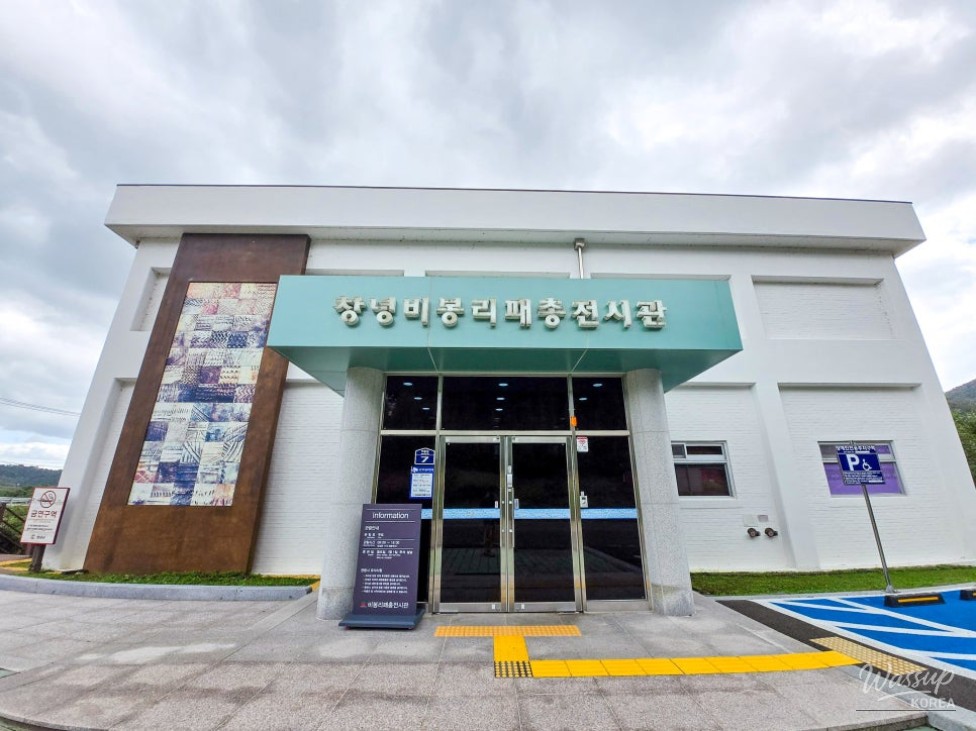
The Changnyeong Bibong-ri Shell Mound Exhibition Hall is one of the few shell midden sites in Korea. It's a place where you can appreciate a unique type of historical site, different from conventional museums. Let me introduce you to it.
Changnyeong Bibong-ri Shell Mound Exhibition Hall
Admission: Free
Operating Hours: 09:00 - 18:00
Closed: Sundays, January 1st, Chuseok (Korean Thanksgiving), Seollal (Lunar New Year)
The exhibition hall consists of one floor above ground, one basement floor, and an outdoor area. After parking, you enter the first floor, which houses Exhibition Room 1 and the Special Exhibition Room.
What is a Shell Mound?
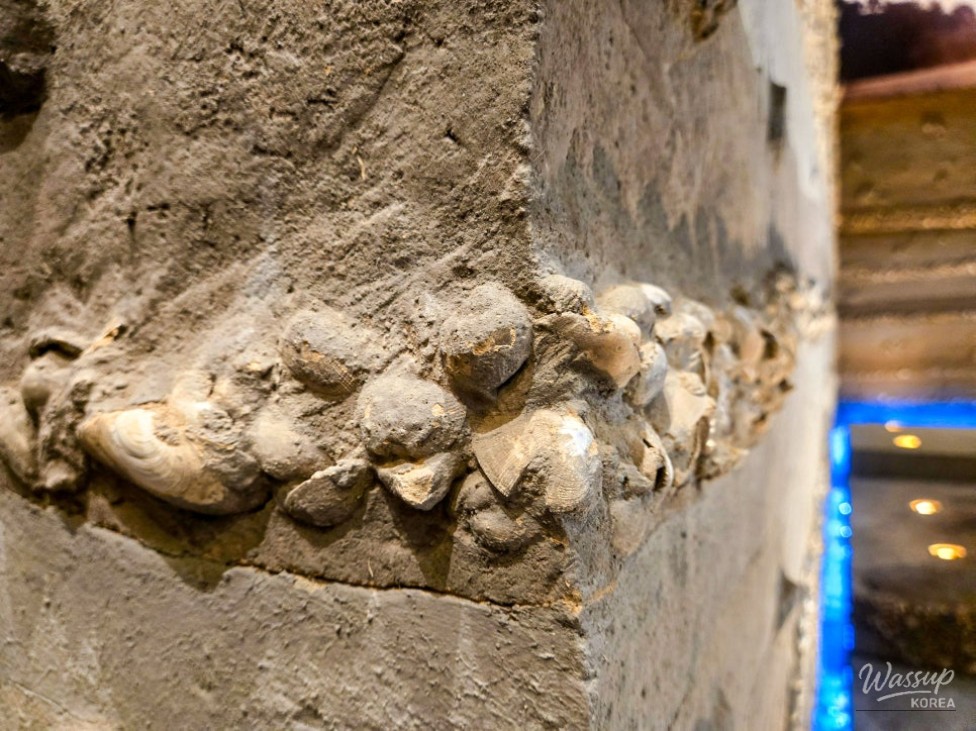
The term 'shell mound' might be unfamiliar. It refers to a living site formed like a tomb, composed of accumulated shells of shellfish, oysters, etc., discarded by people. It's also called a 'shell heap.' Over time, it becomes buried as part of a geological layer.
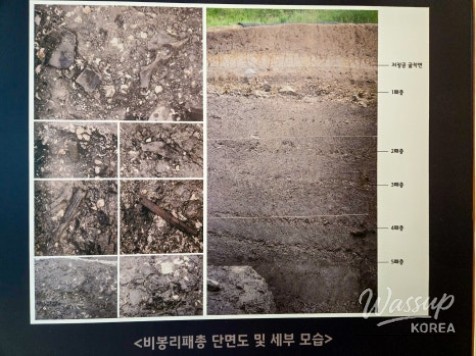
Inside the exhibition hall, you can observe geological layers, where you can see layers of seashells, as shown in the pictures.
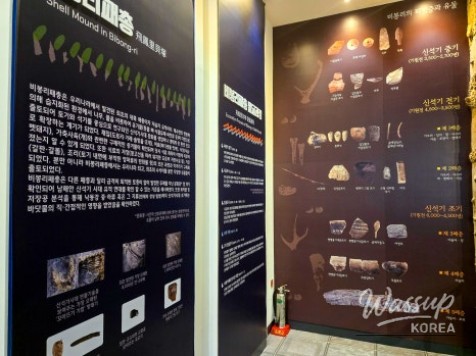
The Bibong-ri Shell Mound, the first inland shell mound discovered, provides new standards for researching the Neolithic culture, including gathering, fishing, hunting, livestock raising, and food storage. Its value is considerable.
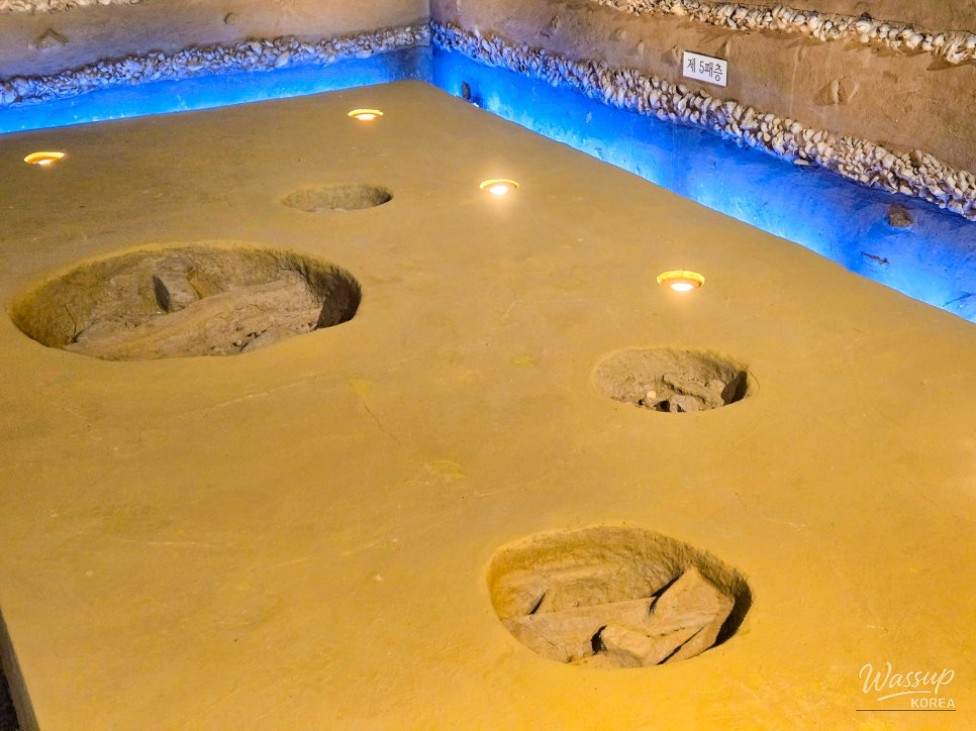
Following the wire mesh, you can examine the site more closely.
The excavation process is replicated, providing a vivid experience. Pottery and tools were discovered in the forms shown in the photos.
Experiential Learning
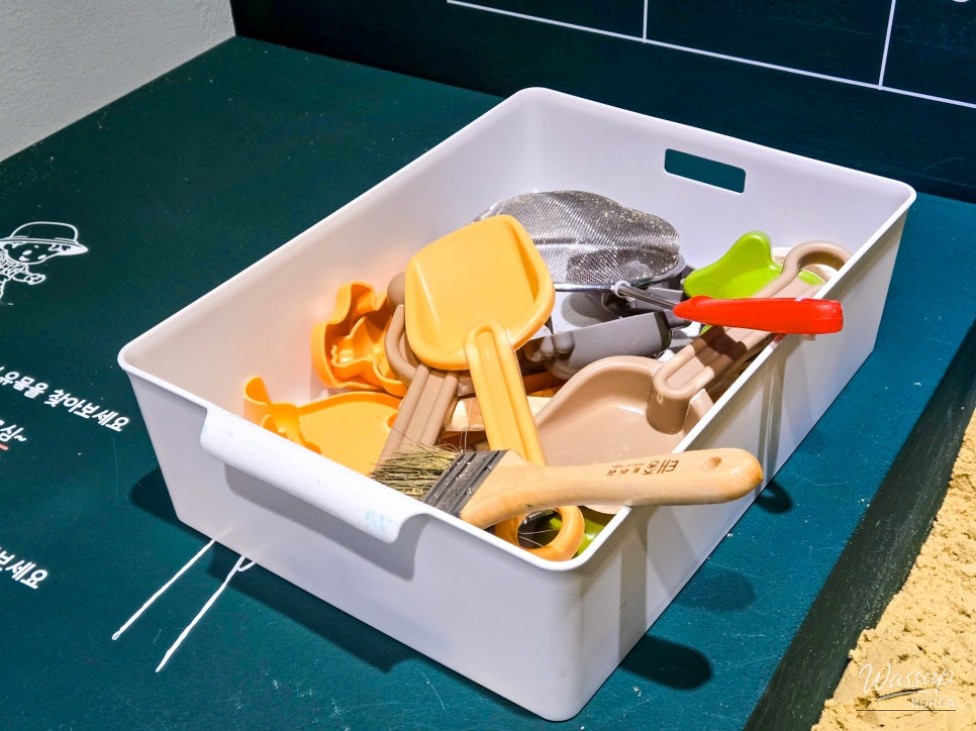
There's also an excavation experience play structure for children.
It seems to be designed for students on field trips. The theme of shell mounds, which is not commonly encountered, makes it feel special.
Basement Exhibition Hall
Downstairs, you'll find Exhibition Room 2 and the Theme Exhibition Room, where you can see actual artifacts unearthed from the Bibong-ri Shell Mound.
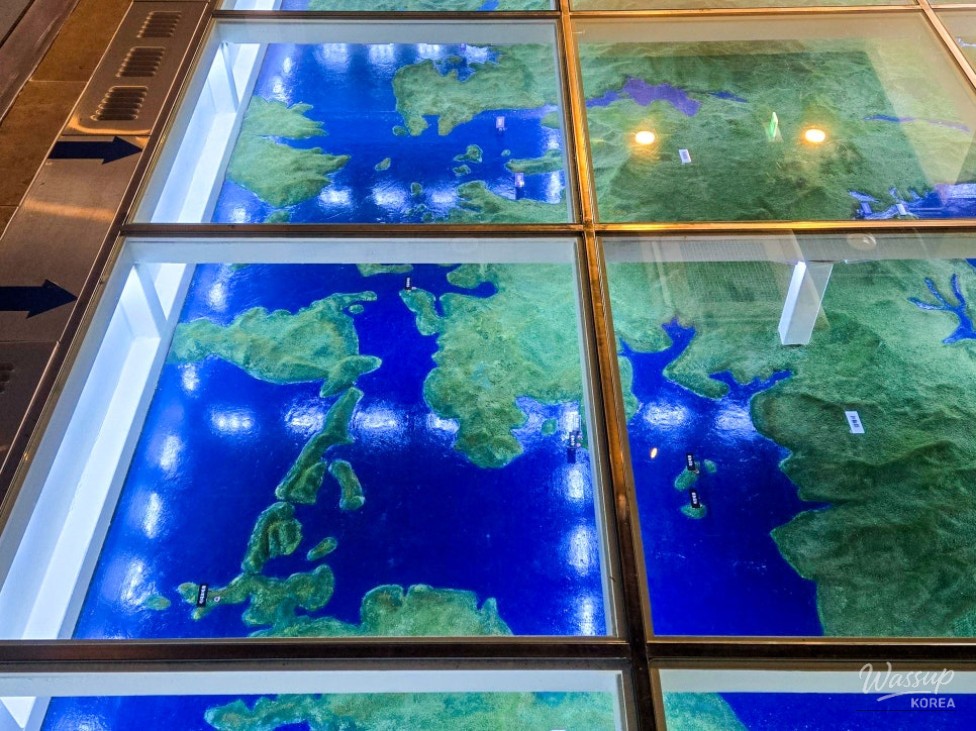
There's a map on the floor, a 1/20000 scale model of the Neolithic topography.
You can also identify the locations of shell mounds distributed along the coast, in addition to the Changnyeong Bibong-ri Shell Mound.
People of the Bibong-ri Neolithic era are believed to have built boats with stone axes and ventured into rivers and seas.
It is said that they caught various types of fish, including red sea bream, mullet, tuna, and cod.
Various Neolithic tools, such as fishing hooks, harpoons, and pottery, necessary for gathering activities, are on display.
If you had to pick one thing to see at the Bibong-ri Shell Mound Exhibition Hall, it would be the boat.
It holds the title of the oldest boat and was actually discovered during the excavation process.
It was made of pine wood, and traces of scorching were found inside the boat.
Boats expanded the scope of activities from a gathering and hunting-based lifestyle to the ocean, enabling exchanges with various regions.
This is receiving significant attention because it brought about a major change in existing civilization.
This place offers an interesting experience because it differs in character from conventional museums and has a different exhibition theme. If you're curious about the new history of Changnyeong, be sure to visit.












Source :https://blog.naver.com/cngblog/224051593571
No comments yet.