Exploring Jeonju: The Story of Jeollagamyeong and Gyeoksa



Jeollagamyeong and Gyeoksa: A Historical Walking Tour of Jeonju
Today, we will introduce Jeollagamyeong, a significant historical site in Jeonju, North Jeolla Province.
Jeonju has been a central city in Honam since the Joseon Dynasty, holding a high status. Jeollagamyeong was the administrative hub overseeing Jeolla Province and Jeju Island, akin to a massive institution managing the affairs of North Jeolla, South Jeolla, Gwangju, and Jeju in modern terms.
Historically, this site was also known as Wanyang, named after the old district of Wansan, and served as a crucial symbol of Jeonju throughout the 500 years of the Joseon Dynasty. Recently, restoration projects have revealed remnants of its past.
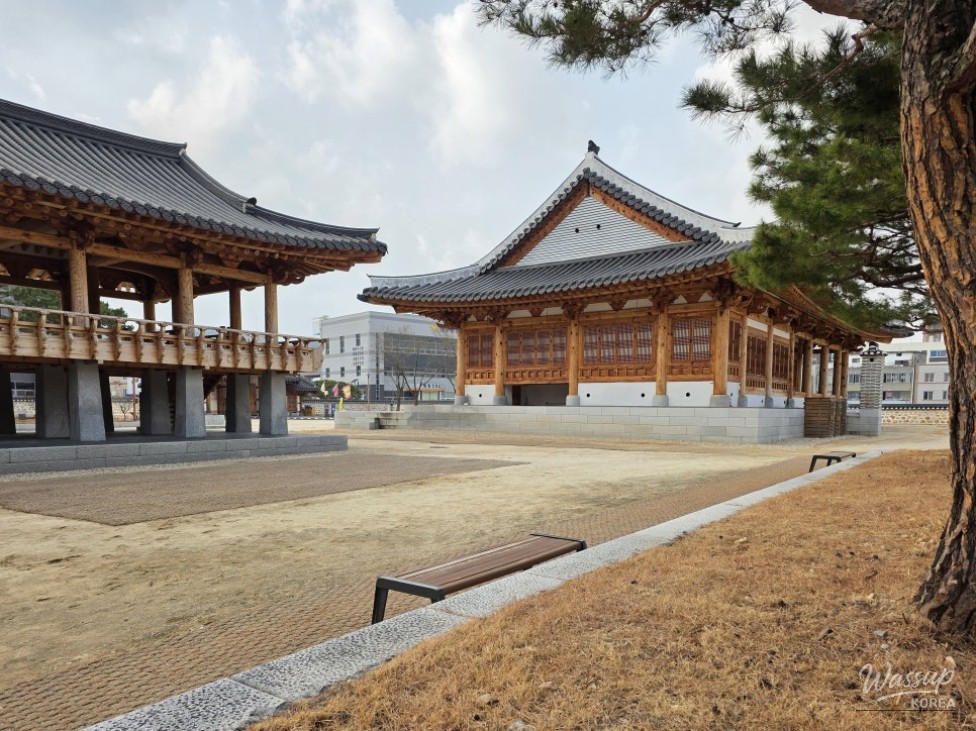
Upon entering the entrance of Jeollagamyeong, the first thing that catches your eye is the expansive grounds and neatly arranged buildings. It is said that numerous government buildings once occupied about 180,000 pyeong within the walls of Jeonju.
Although the restoration focuses on key areas, the atmosphere of the past still lingers. The entrance features multilingual signs catering to international tourists, showcasing Jeonju's attentiveness as it evolves into a global tourist destination.
The first place I visited was Seonhwadang, the heart of Jeollagamyeong. The name carries a profound meaning, symbolizing the spread of the king's virtue. This space served as the official office for the Jeollagamyeong governor and boasts a grand scale with seven rooms in the front.
Inside Seonhwadang, visitors can explore the interior, which is equipped with informative displays about the administrative system and history of Jeollagamyeong.
Notably, this location is historically significant as it was the site where the peasant army and government forces agreed to establish a self-governing body during the Donghak Peasant Revolution in 1894.
In the front yard of Seonhwadang, one can find an intriguing artifact—a rain gauge and measuring device used to assess rainfall. Agriculture was the foundation of the state, making accurate rain measurement essential for governance. Similar devices were installed in key regions, including Gyeongsang and Chungcheong provinces.
Interestingly, the reconstructed rain gauge here was modeled after the one from Gyeongsanggamyeong in Daegu. As a native of Daegu, encountering an artifact reminiscent of my hometown in Jeonju felt welcoming and familiar.
Walking through Jeollagamyeong, you will pass the Seonjeongbi area, where numerous stone tablets honor the merits of past officials who served here. While some tablets may have been erected under duress, imagining the genuine efforts of old officials for the people made the stroll enjoyable.
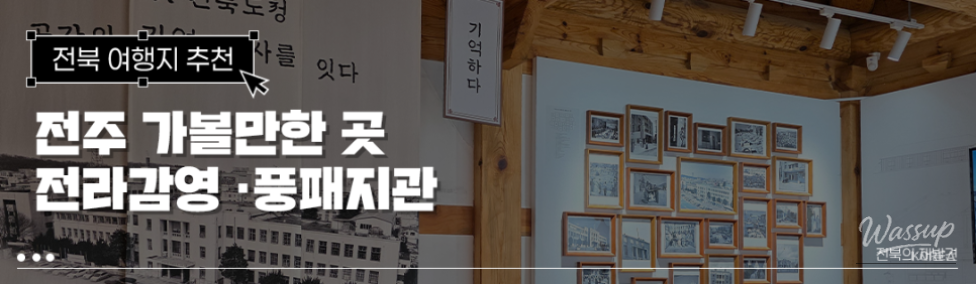
Next to Seonhwadang, you will unexpectedly encounter remnants of the old Jeollabuk-do Office. Although the current provincial office has moved to a new district, the old office, built in 1952, stood here until 2005.
This site has layered historical significance, serving as an administrative center from the Unified Silla period through Goryeo and Joseon to modern times. Excavations have revealed various artifacts, proving that this area has been a central hub in Honam for over a thousand years.
The next area features the private living quarters of the governor, showcasing a cozier atmosphere compared to the formal government buildings. The inner quarters served as the residence for the governor's family, reflecting the structure of a nobleman's house.
If you're interested in the architecture of inner quarters and government offices, I recommend visiting the nearby Gyeongjeong in Gimje, which also preserves a well-structured government facility.
Nearby is Yeonsindang, established by Governor Lee Yu in 1688. The name derives from a passage in the Analects, emphasizing the serene and generous demeanor of Confucius at home.
After thoroughly exploring Jeollagamyeong, I headed towards Jeonju Gyeoksa, a short walk away. Gyeoksa served as a crucial government facility during the Goryeo and Joseon periods, symbolizing the authority and dignity of the king.
Jeonju's Gyeoksa is notably grand, with the plaque 'Pungpaejigwan' prominently displayed. The term 'Pungpae' originates from the hometown of Liu Bang, the founder of the Han Dynasty, symbolizing the roots of the Jeonju Yi clan that established the Joseon Dynasty.
The main building, Jusa, houses a wooden tablet representing the king. Local officials would gather here to perform rites, reaffirming their loyalty to the monarchy.
Adjacent to Jusa are Dongikheon and Seokikheon, which served as accommodations for envoys and officials, sometimes hosting banquets for distinguished guests. Gyeoksa was an essential facility symbolizing local administration and royal authority.
After visiting Gyeoksa, I highly recommend walking along Gyeoksa Road, also known as Gyeokridangil, where the past and present intersect vibrantly in Jeonju.
Charming cafes and eateries line the streets, offering delightful experiences for the eyes and palate. This area is home to century-old shops that have preserved Jeonju's flavors and traditions.
Walking down Gyeoksa Road allows you to experience the vitality of Jeonju, where the serene beauty of Jeollagamyeong meets the dynamic energy of Gyeoksa Road. This journey through history and modernity showcases why Jeonju is a representative tourist city in Korea.
Nearby, you can also find Jeonju Film Street and Hanok Village, adding to the joy of your walking tour. Take your time to explore and discover hidden stories in the alleys.
This walking tour deepened my appreciation for the historical richness of Jeonju, North Jeolla Province. The path from Jeollagamyeong to Gyeoksa and the lively Gyeoksa Road is not just a walking route but a journey through time connecting the administration and culture of Honam during the Joseon Dynasty to today's life.
Jeonju's history is not a relic of the past; it breathes life alongside our present. I hope you create your precious memories in this place where history and modernity coexist.
Source :https://blog.naver.com/jbgokr/224156977130
No comments yet.