Exploring Gijang Hyanggyo: A Hidden Gem in Busan
- Place
- Gijang Hyanggyo
- Region
- Gijang-gun, Busan
- Address
- 부산 기장군 기장읍 차성로417번길 35
- Coordinates
- 35.2573263896338, 129.215887823583
- Original source
- blog.naver.com



[Gijang-gun SNS Supporters "Yang Sun-hye"]
Address: 35, Chaseng-ro 417beon-gil, Gijang-eup, Gijang-gun, Busan
Operating Hours: Summer 09:00~18:00 / Winter 09:00~17:00
(Subway) About a 15-20 minute walk from Gijang Station on the Donghae Line
(Bus) Walk from the Gijang Elementary School or Gijang Market bus stop
Parking Available
In the bustling city filled with skyscrapers and apartments, there lies a serene place that feels like time has stopped.
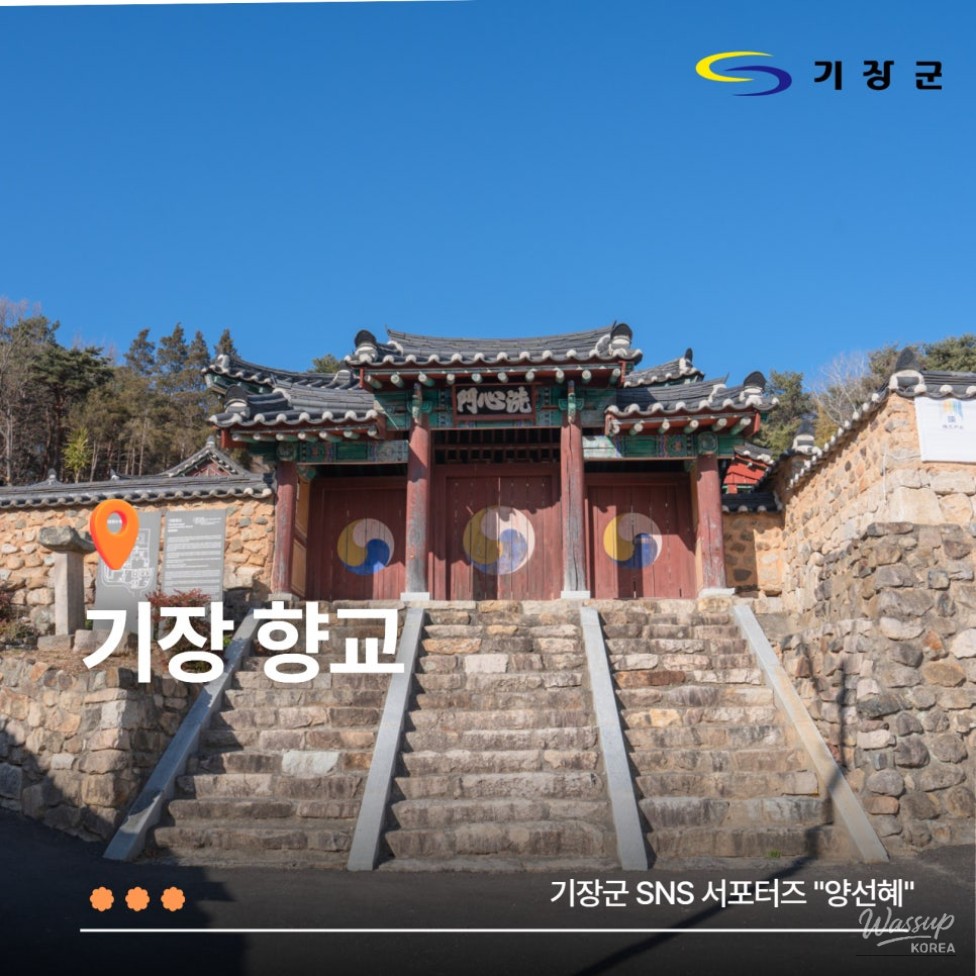
This is Gijang Hyanggyo, located in Gyo-ri, Gijang-gun, Busan.
Despite its small size, Gijang Hyanggyo offers a tranquil atmosphere, making it a perfect spot for a light weekend outing.
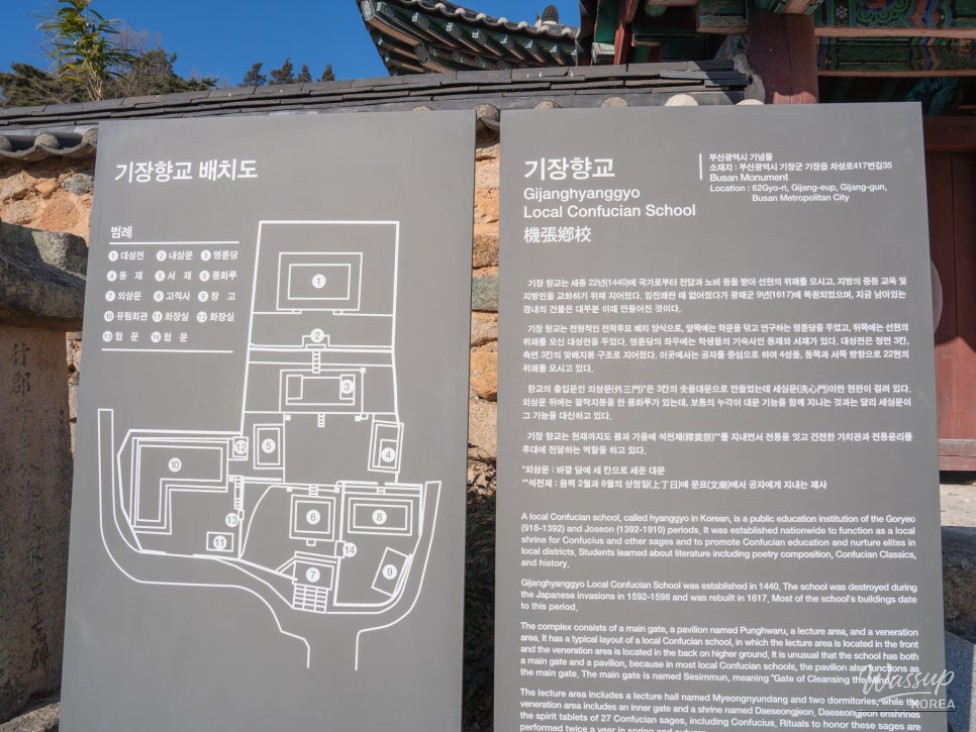
Hyanggyo was a national educational institution that taught Confucianism to local scholars during the Joseon Dynasty and held rituals for sages.
Gijang Hyanggyo was destroyed during the Imjin War and rebuilt during the reign of King Gwanghaegun.
With well-preserved main buildings such as Daeseongjeon, Myeongnyundang, and Pungwaru, it serves as a valuable cultural heritage that vividly reflects the architectural style and educational culture of the late Joseon period.
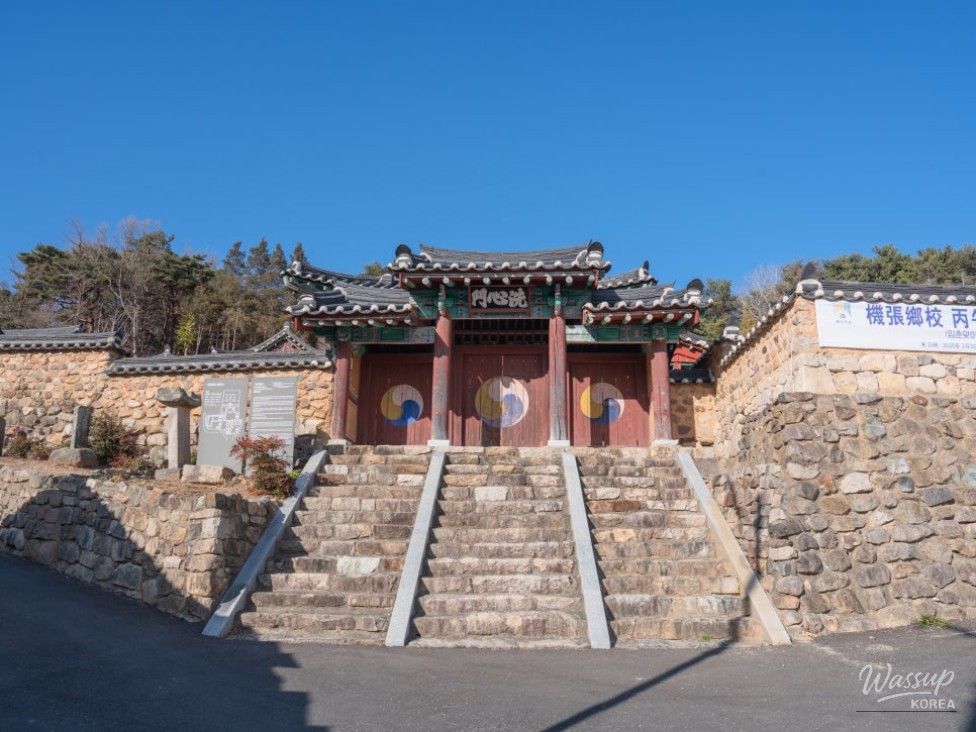
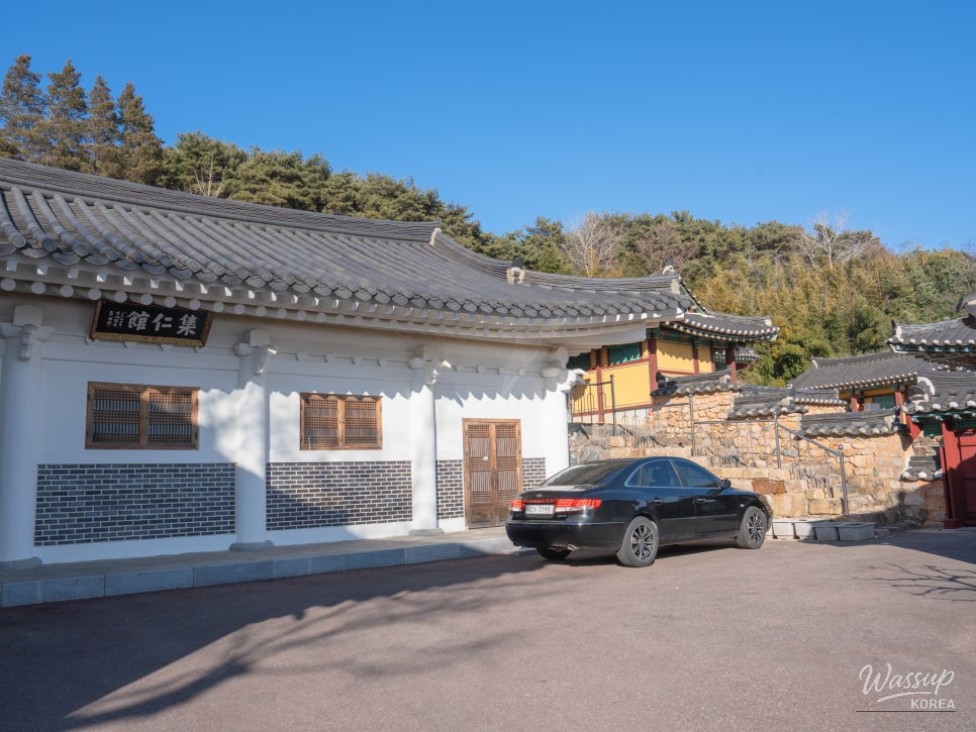
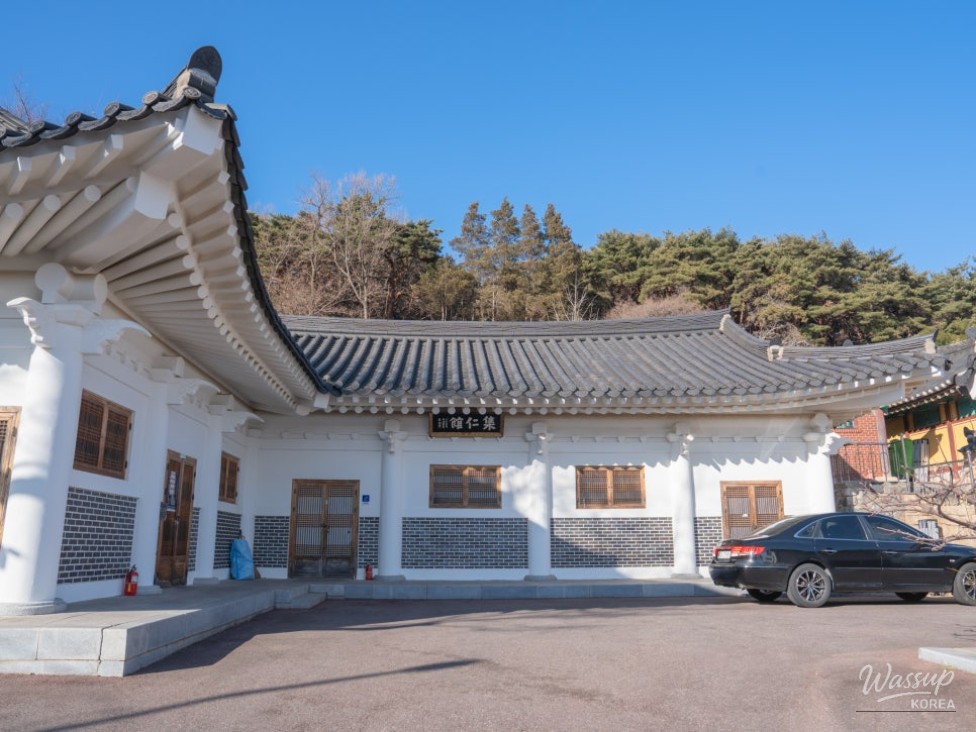
When I visited, the main gate of the Hyanggyo was closed, so I entered through the nearby Yurim Hall.
Ascending the stone steps, I encountered the grand outer gate (Oesamun) adorned with a clear Taeguk symbol.
Inside, the pavilion Pungwaru, meaning 'to spread enlightenment widely,' proudly showcased its majestic presence.
From the top of Pungwaru, I could see the distant modern apartment complexes.
The colorful dancheong patterns painted under the roof and the dragon mural on the ceiling captivated my attention.
The wooden pillars support the roof sturdily, and the intricate structure reveals the craftsmanship of ancient artisans.
As I strolled through the premises, I also saw Myeongnyundang, where scholars honed their studies, along with the adjoining buildings, Dongjae and Seojae.
Myeongnyundang was an educational institution established by the government that taught Confucianism to scholars from the end of the Goryeo Dynasty to the Joseon Dynasty.
Upon examining the interior and the eaves closely, I discovered fascinating records.
Under the rafters adorned with splendid dancheong decorations, a plaque detailed the building's restoration process and history.
The walls displayed lists of participants in past events, and beneath the blue wooden structure, numerous nameplates inscribed in Hanja were affixed.
It was a poignant reminder of the many people who have passed through this place over the years.
Dongjae and Seojae were buildings associated with the traditional educational institution of the Joseon Dynasty, serving as accommodations and study areas for students.
Passing through the inner gate, I could ascend to Daeseongjeon, but it was closed during my visit, so I captured it from a distance with my camera.
Daeseongjeon, which houses the spirit tablets of Confucius and other sages, is the most sacred space of the Hyanggyo.
Gijang Hyanggyo continues to hold Seokjeonje ceremonies in spring and autumn, preserving its traditions.
It plays a role in passing on healthy values and traditional ethics to future generations.
Exiting through the side gate, I found separate quarters for the caretaker of the Hyanggyo and storage spaces.
Gijang Hyanggyo is more than just a place to admire old buildings; it is a space to reflect on the values of education and etiquette that our ancestors cherished.
Take a quiet walk through the grounds, feel the essence of traditional Korean architecture, and savor the tranquility amidst the city.
This weekend, why not take a light stroll to Gijang Hyanggyo, a place where history breathes, holding the hands of your children or with your loved ones and family?
Source :https://blog.naver.com/bskijang/224171071936
More from Place



No comments yet.