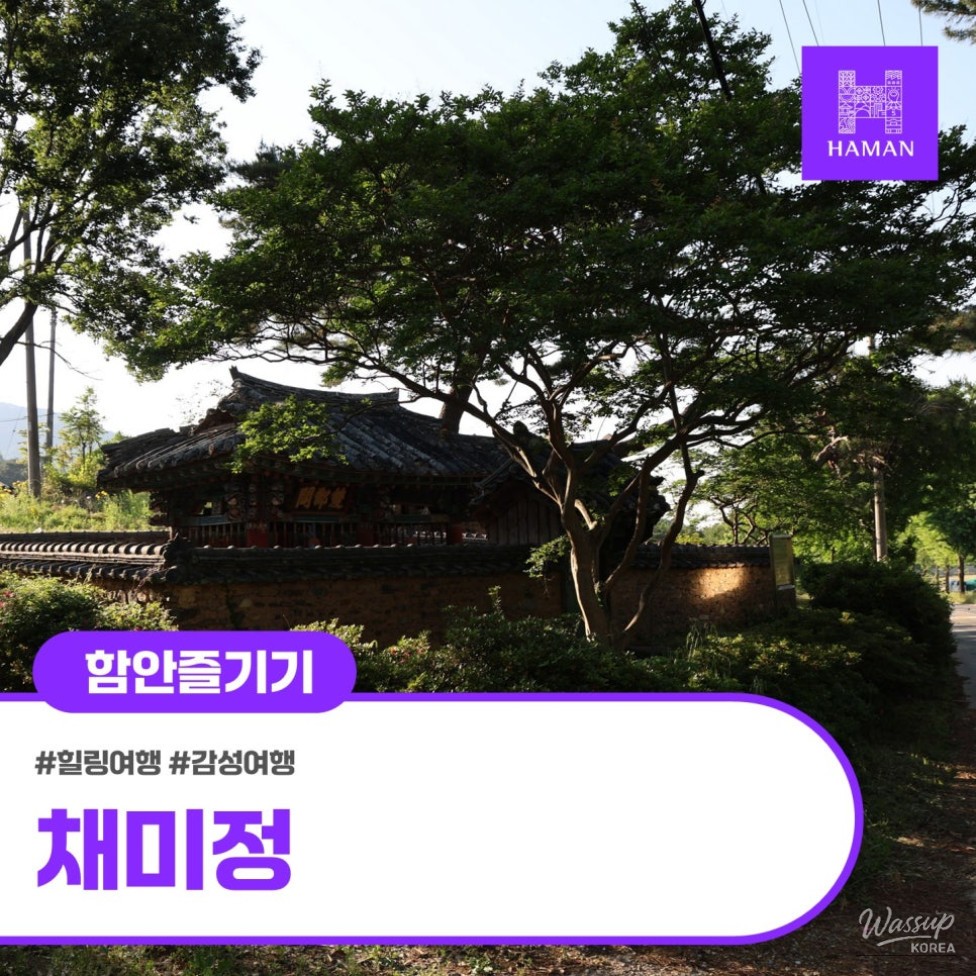
Exploring Chaimijeong Pavilion in Hamann



By Choi Hong-dae, 14th SNS Reporter
Chae Mi-jeong
1216 Sagun-ro, Gunbuk-myeon, Hamann-gun, Gyeongsangnam-do
As May begins to draw to a close, I find it a perfect time to travel before the sweltering summer arrives. During my visit to Hamann-gun, I encountered a captivating space known as Chaimijeong Pavilion. Surrounding Chaimijeong, I could also explore the life of the historical figure, Teacher Jo Ryeo. Today, I would like to share that journey.
While walking, there are moments when you instinctively stop, not because you intend to slow down, but because it feels as though time itself has paused. Chaimijeong in Hamann is one such place.
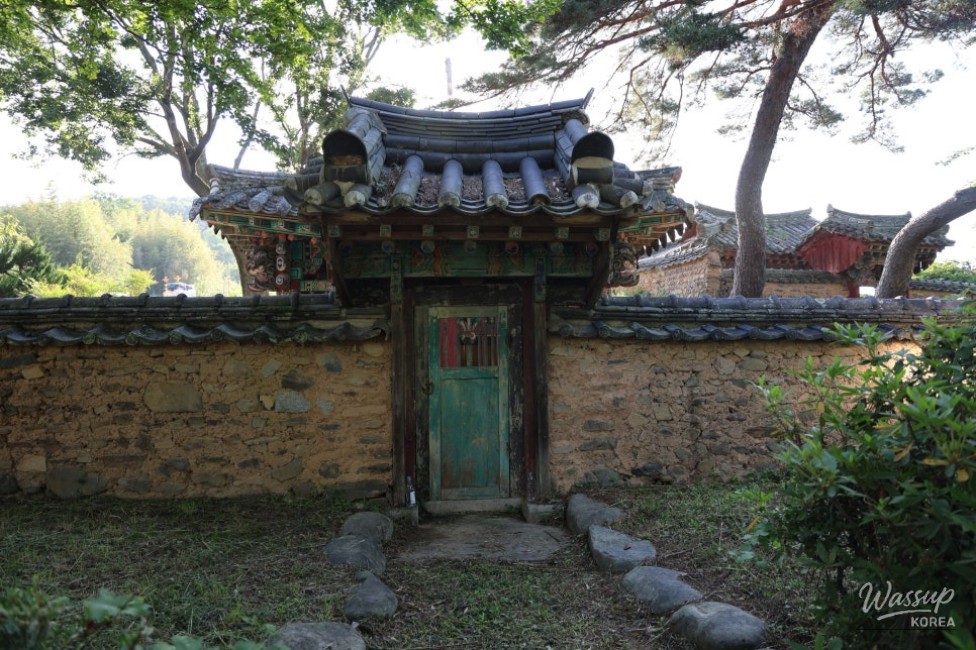
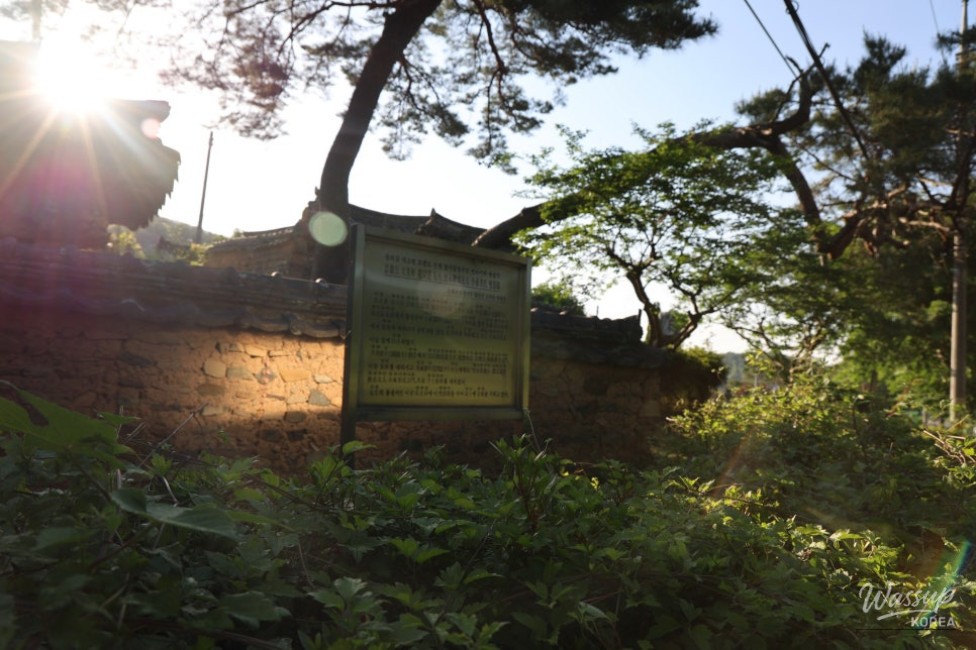
Facing the low stone wall, my imagination naturally wanders about what lies within. Despite its humble appearance, there is a palpable sense of determination. I don't need an explanation; the branches that reach over the tiles, the grass growing through the gaps in the wall, and the sunlight filtering through already tell a rich story. Although a sign stands beside the wall, the space speaks to me before I even read the words.
The door is small but always open. The old green door frame shows signs of wear, and the stones at the threshold have settled over time. As I step inside, the atmosphere shifts dramatically. While the outside is a space for movement, the inside invites you to stay. It is striking that a single small door separates these two realms.
As I ascend slightly, another landscape unfolds. Walking along a path lined with rocks, I can see the garden below. A low bridge, a stream, a tidy yard, and rounded trees come together harmoniously. Despite being a man-made space, it feels natural because it was created in harmony with the existing landscape.
On a hilltop stands the Gaepungru Pavilion. True to its name, "Pavilion that Opens the Wind," there is nothing particularly special to do there. Simply standing beneath the red pillars and feeling the cool breeze is enough. In the past, people likely spent time reading and reflecting here. Today, visitors take photos and enjoy the breeze, yet the pavilion's essential role remains unchanged.
Chaimijeong is simple. It has four rooms at the front and three at the side, with a single-story, tiled roof supported by straight pillars. A plaque hangs that reads "Baeksecheongpung," meaning "Clear Wind of Eternal Years." The eaves are deeply extended, typical of a traditional house. The wood, weathered over time, reveals a depth that speaks to its age. This place embodies the saying that while extravagance may fade, simplicity endures.
Upon stepping onto the pavilion's floor, the sky opens up refreshingly beyond the eaves. The mountain visible from Chaimijeong is Baekisan, with Sukjebong beside it. Sunlight filters through the pillars, illuminating the floor, while the wind gently brushes over the deck. Although nothing extraordinary happens here now, the steadfast spirit of Teacher Jo Ryeo from the past encourages longer stays.
Chaimijeong is not a typical tourist attraction. It is where Teacher Jo Ryeo, a loyal figure during the Joseon Dynasty, returned to spend his later years after expressing his discontent with the deposition of King Danjong. Rather than showcasing grandeur, it invites reflection and learning about the past.
In bustling cities, we often rush through life. Regardless of where we go or what we see, we tend to consume experiences hurriedly. The movie "The King’s Affection" gained immense popularity, surpassing ten million viewers. Jo Ryeo, who served King Danjong, spent his later years at Chaimijeong in Hamann. After watching the film, why not take a moment to pause? Stand at the entrance, on the deck, or along the path, and realize that this pause is not an interruption but a necessary moment.
Chaimijeong is where thoughts begin. What remains is not just the scenery, but the time that was paused and the emotions felt in that moment.
Source :https://blog.naver.com/arahaman/224295148842
No comments yet.