Commemorating the Day of Remembrance for Victims of Japanese Military Sexual Slavery



[Reporter Han Je-woo]
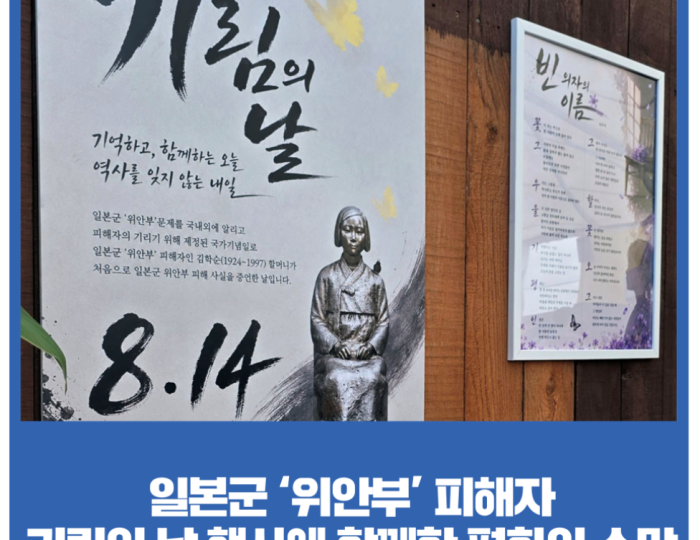
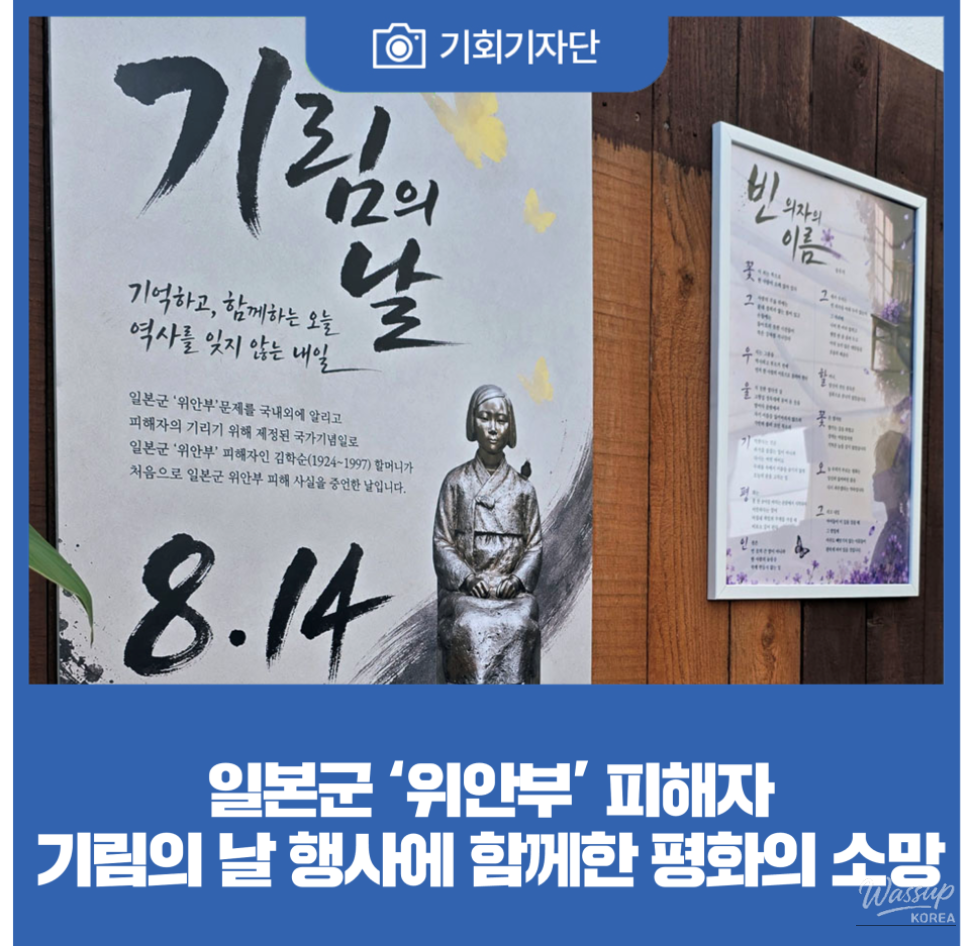
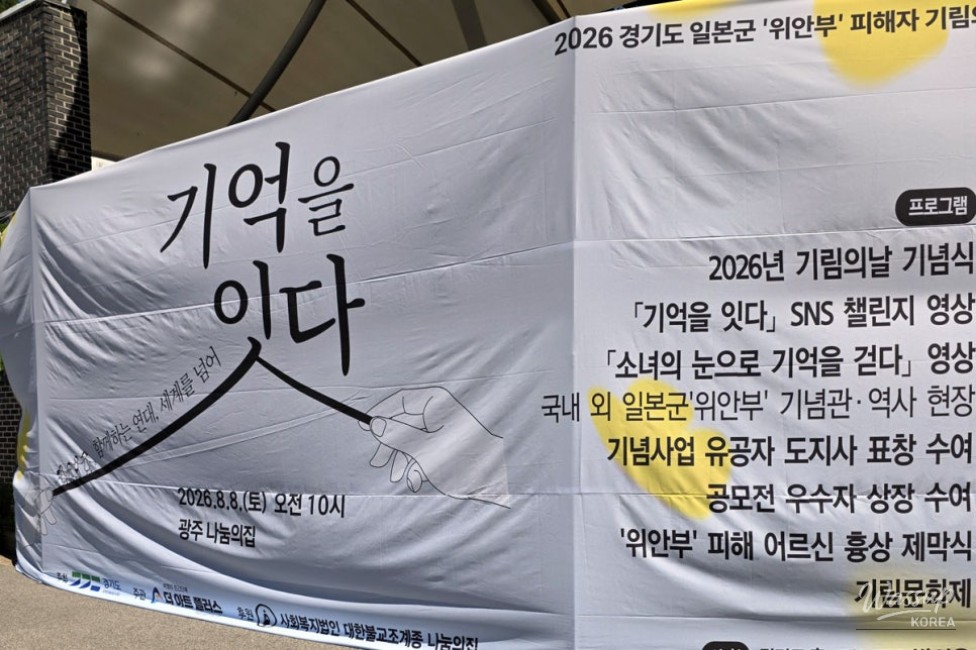
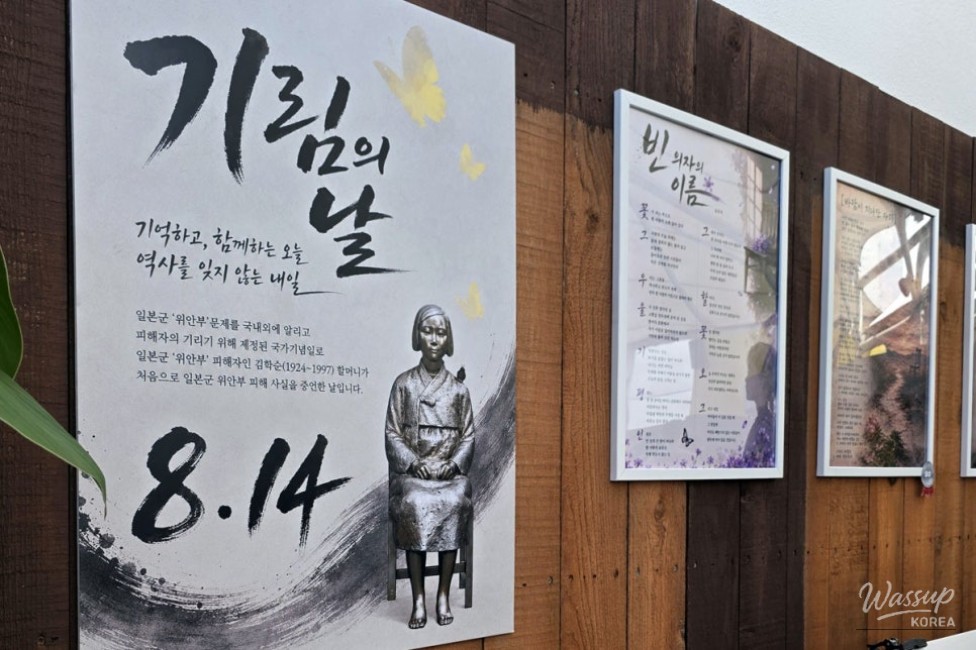
A banner in front of the event venue
Every year on August 14, Gyeonggi Province holds a meaningful event to commemorate the Day of Remembrance. This day marks the anniversary of the first public testimony by the late Kim Hak-soon, a victim of the Japanese military's 'comfort women' system, who spoke out about her experiences on August 14, 1991.
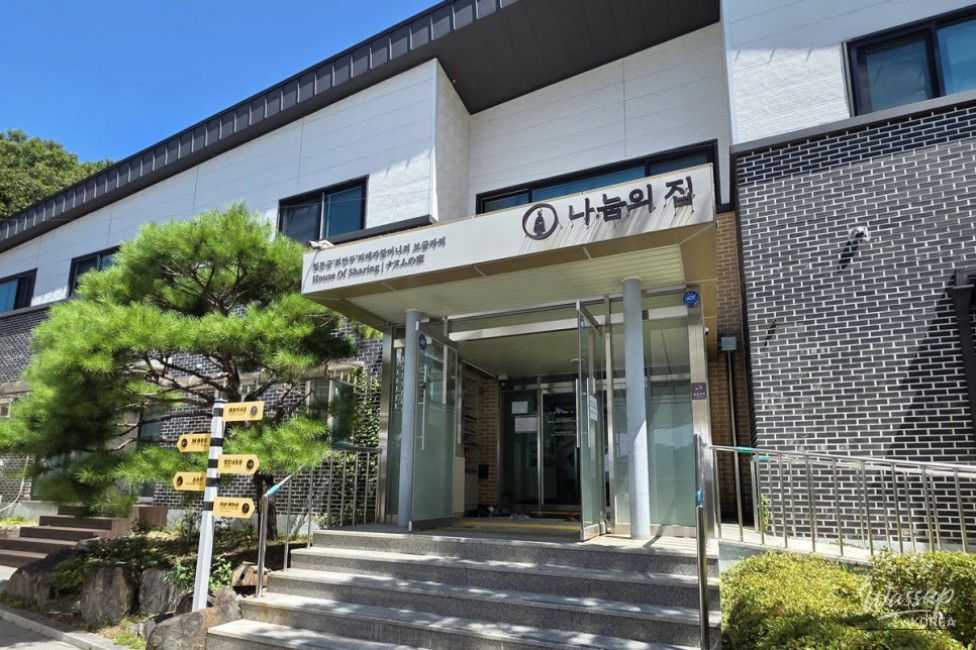
The House of Sharing, located in Gwangju, Gyeonggi Province, was established with public donations to support the lives of the elderly women who were victims of the Japanese military's sexual slavery. It serves as a precious space to preserve the memories of these women and pass on the values of correct historical awareness, human rights, and peace to future generations.
Some may wonder why the term 'comfort women' is placed in quotation marks. While the term 'comfort' generally means to soothe and provide comfort, it actually refers to systematic sexual crimes committed by the Japanese military. Thus, quotation marks are used to avoid distorting the nature of the victims' suffering. The international community officially recommends the term 'Japanese military sexual slavery,' and within South Korea, it is also referred to as 'Japanese military comfort women' in consideration of historical context.
The House of Sharing
On August 8, the Day of Remembrance event for victims of Japanese military sexual slavery was held at the House of Sharing in Gwangju, Gyeonggi Province. Despite the extreme heat, which prompted a heat advisory, many citizens gathered to remember this significant day and share their sentiments.
Under the slogan 'Connecting Memories,' the main stage featured a ceremony, a bust unveiling, and cultural programs. Various experiential booths were set up, offering activities like making butterfly-shaped keychains, resin art keychains, plant drawing, and face painting, attracting the attention of visitors.
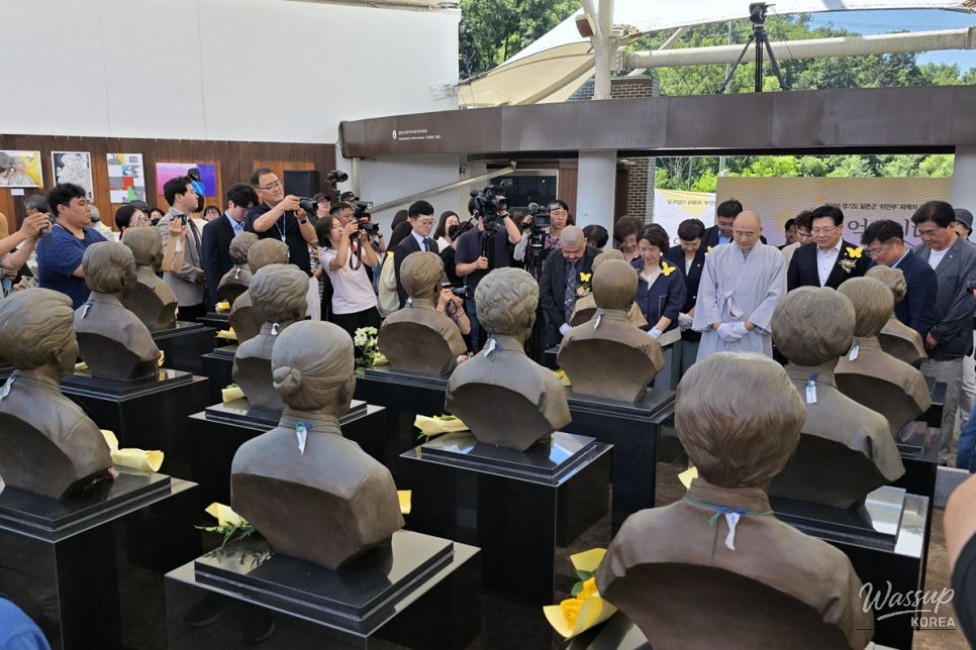
In the latter part of the event, a time for remembrance was observed. A bust of the elderly victims was placed right in front of the stage, adorned with yellow roses as a tribute. Attendees wore yellow butterfly badges on their chests and bowed their heads solemnly in front of the bust.
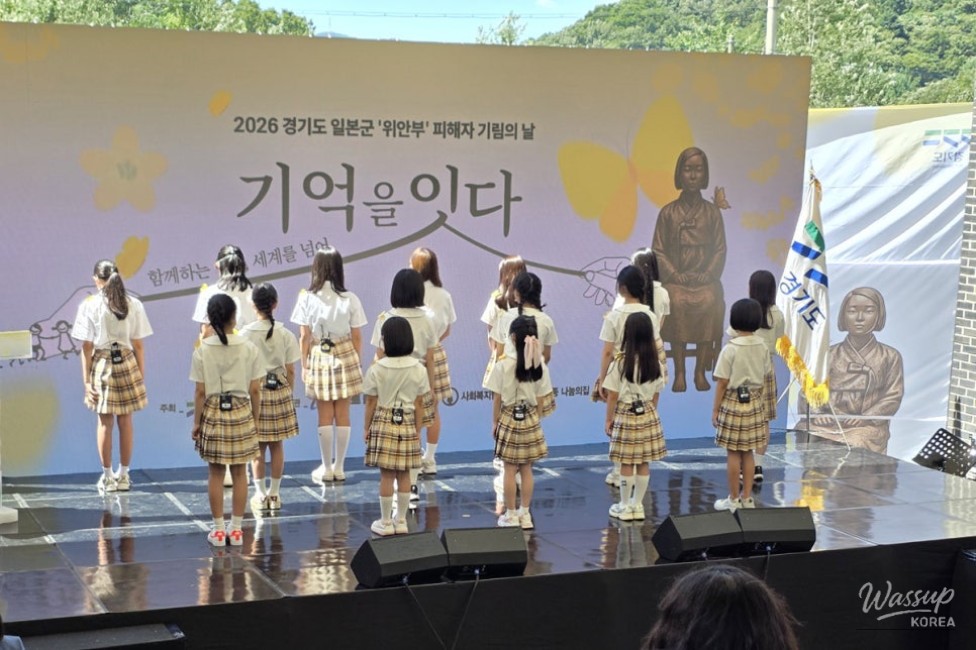
A children's performance by Star Dream followed, conducted in a more restrained and solemn atmosphere to honor the elderly women who suffered as victims of the Japanese military's sexual slavery.
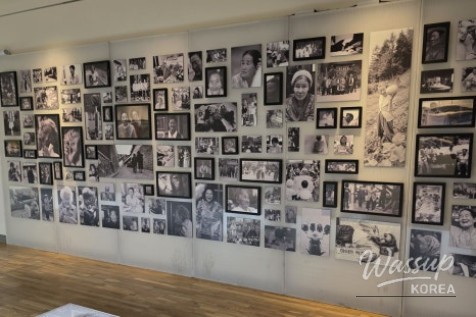
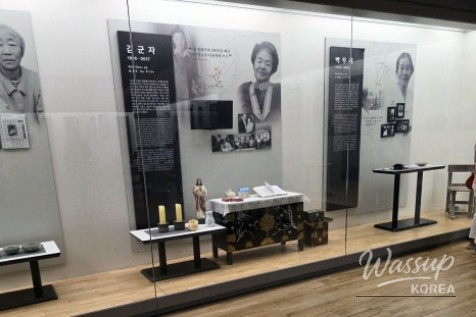
In the second hall of the Japanese Military Comfort Women History Museum, an exhibition of the victims' belongings was ongoing. This space is dedicated to the elderly women who dedicated their lives to seeking official apologies and reparations from the Japanese government but ultimately passed away with unfulfilled wishes. The items and photographs left behind by these women embody their lifelong aspirations for accurate history, human rights, and peace.
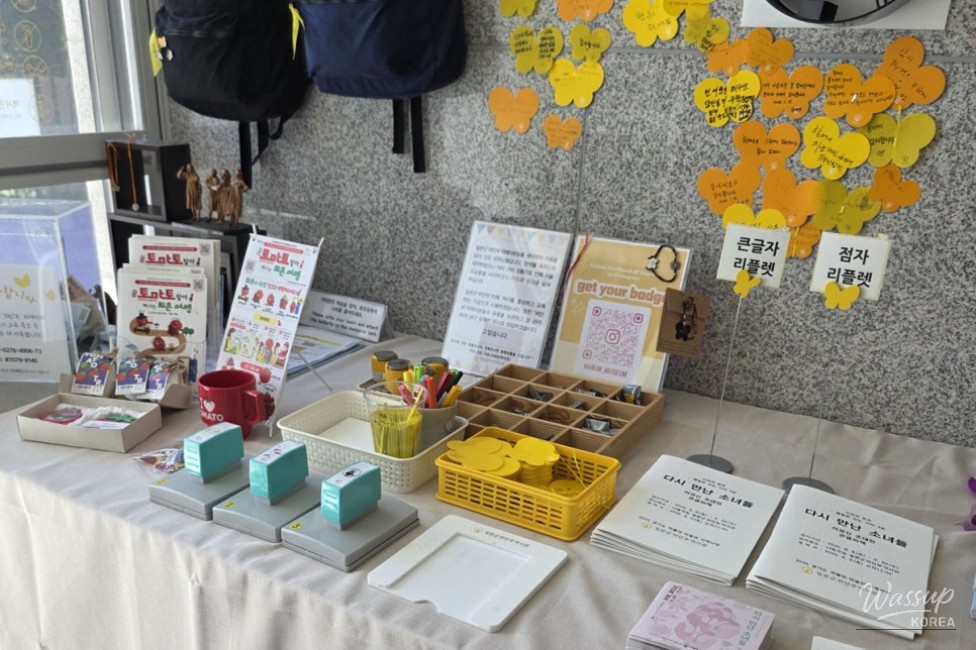
At the entrance of the exhibition hall, various cultural products were for sale, with proceeds being used to promote and educate about correct historical narratives.
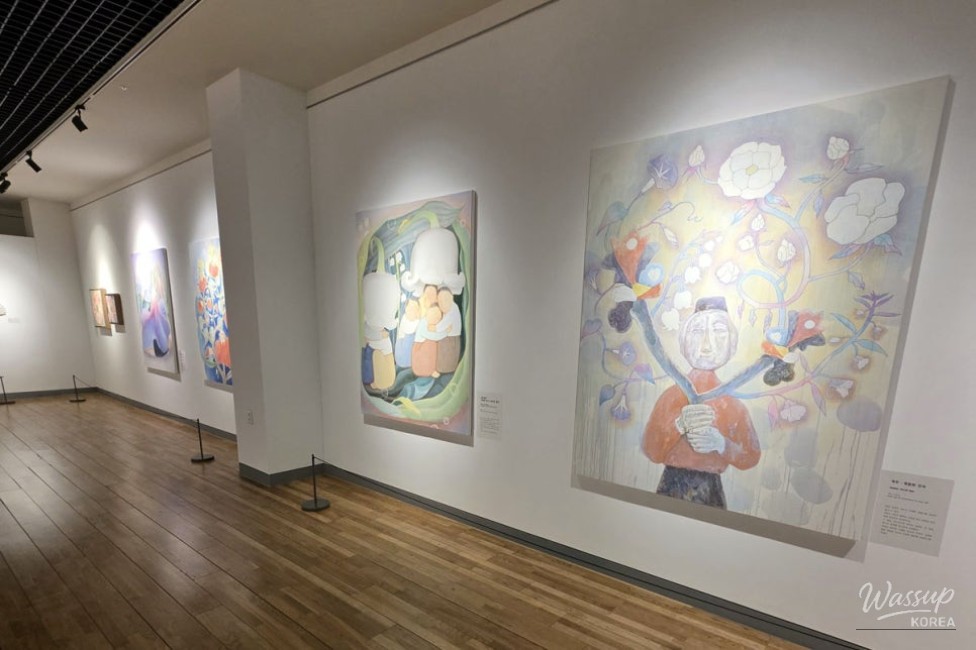
Additionally, an exhibition of works by artist Lee Kyung-shin was on display inside the museum, capturing the lives and memories of the elderly women in warm canvases, prompting reflections on the meaning of memory across past, present, and future.
The Day of Remembrance events will continue across Gyeonggi Province, starting with the event in Gwangju on August 8. A ceremony to restore the dignity and honor of the victims is scheduled for August 13 at the Hwaseong Independence Movement Memorial Hall. On August 14, the 10th Peace Statue Commemoration will take place in Siheung, followed by the 14th World Japanese Military Comfort Women Victims Day ceremony in Anyang.
As various events unfold throughout Gyeonggi Province, we must never forget the painful history of the elderly victims of Japanese military sexual slavery and their hopes for peace.
Source :https://blog.naver.com/gyeonggi_gov/224376536502
No comments yet.