A Special May in Hamann: The Beauty of Nature and Culture



By Choi Hong-dae, 14th SNS Reporter
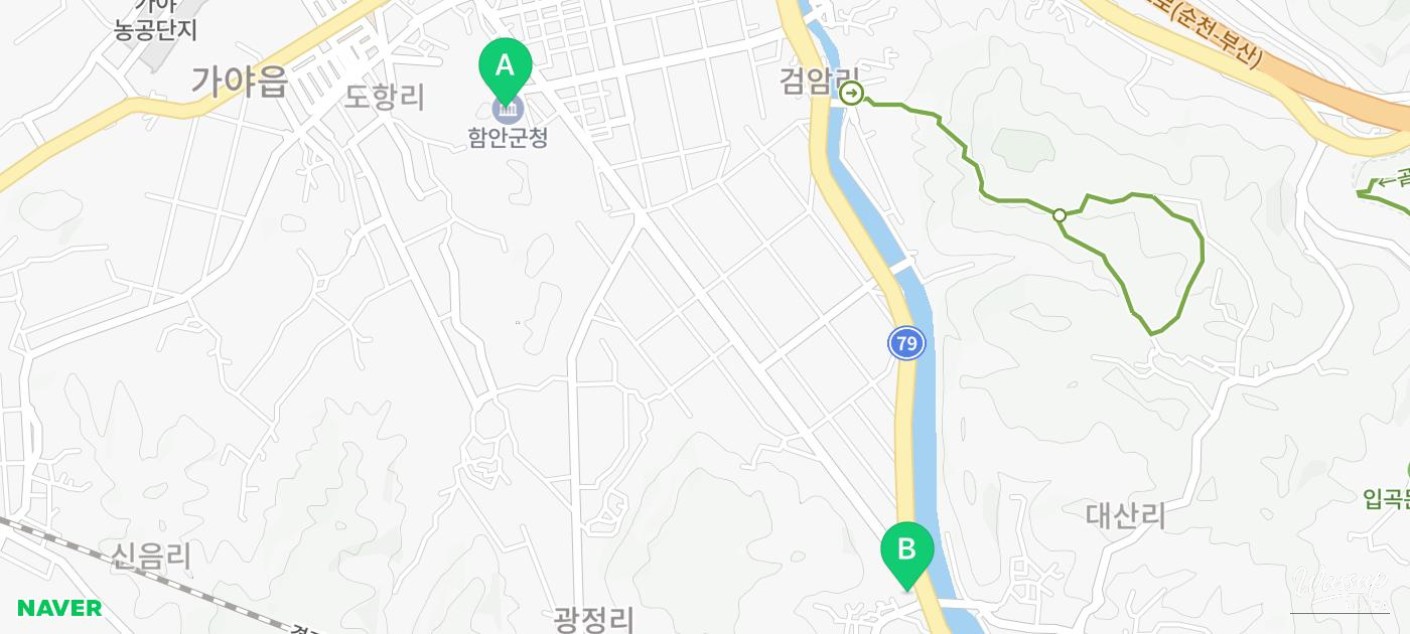
Hamann County Office / Mujinjeong
1 Malsan-ro, Gaya-eup, Hamann-gun, Gyeongnam
Hamann-myeon, Hamann-gun, Gyeongnam
May in Hamann-gun, known as the city of Aragaya and the capital of Gaya culture, is particularly special. This is the month when the colorful and beautiful Nakwa Festival takes place.
This year, Hamann-gun received positive feedback at the Gyeongnam Tourism Fair held at the Changwon Convention Center. It may seem natural for Hamann-gun, which is not a flashy metropolis or a famous tourist destination, to gain attention. This area offers unique experiences that cannot be easily found elsewhere.
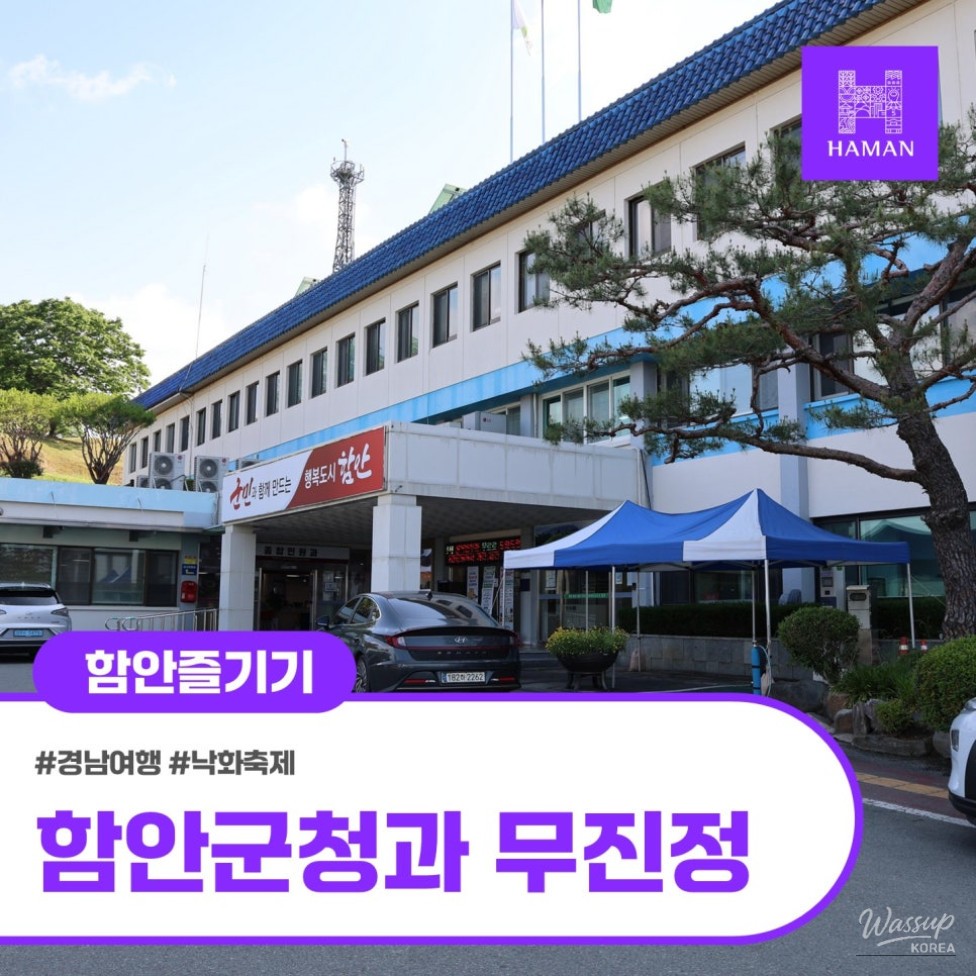
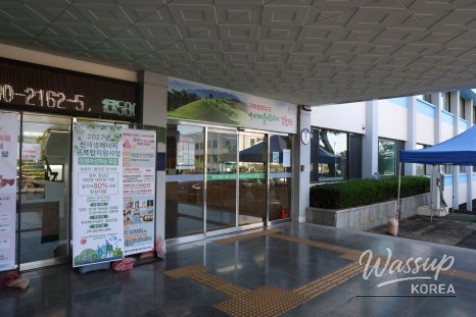
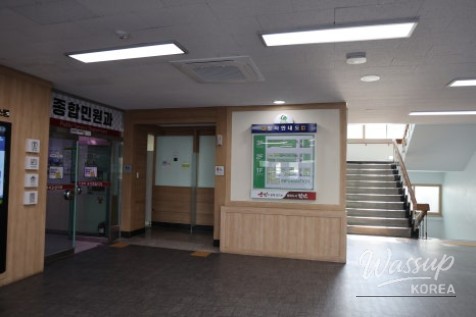
The phrase "A happy city created with the citizens" is displayed on the exterior of the Hamann County Office. The building may appear modest, but the stories within are significant. The name 'Hamann' (咸安) conveys a sense of collective comfort and peace. Another phrase catches the eye at the entrance: "Gaya Cultural Capital, World Heritage City Hamann." These two lines clearly convey what this region takes pride in.
Behind the county office lies the Maisan Tombs, a UNESCO World Heritage site. The sight of the large tombs where the kings of Aragaya rest, rising in the fields, is unforgettable. The county's identity is also reflected in the wrapping of a deer-shaped horn cup excavated from Tomb No. 45 at the Maisan Tombs on the official vehicles.
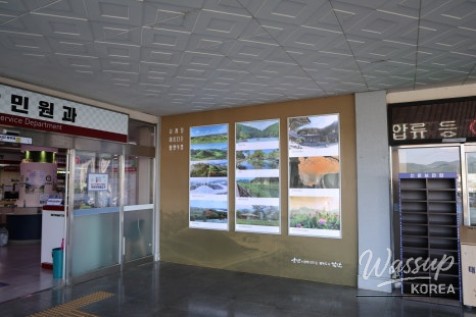
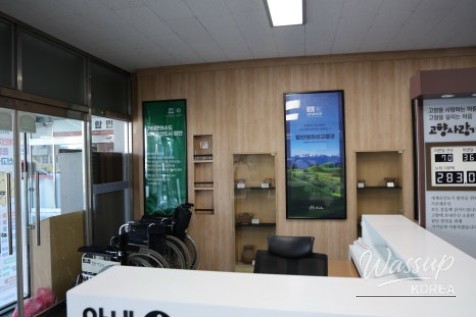
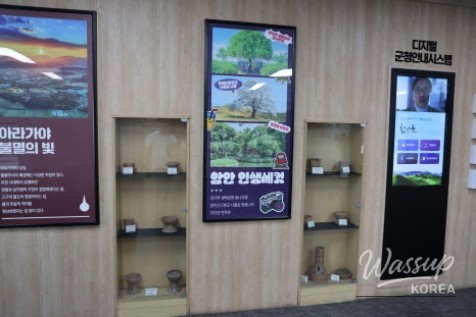
In the lobby of the county office, Ara Gaya pottery is displayed alongside the UNESCO logo, showcasing the city's pride. The phrase "The Immortal Light of Aragaya" engraved in a corner makes sense. Popular photo spots in Hamann include the flowering wisteria at Gangnaru Ecological Park, a lone cherry blossom tree at the Maisan Tombs, and the view of the Mujinjeong pond.
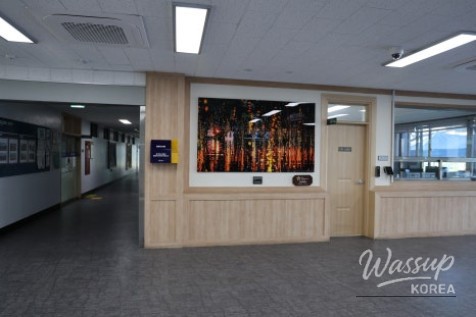
The lobby wall features a photo titled "The Feast of Gold Coins," capturing the falling sparks at Mujinjeong. Mujinjeong, a fantastic place where the Nakwa Festival is held annually, was built by scholar Jo Sam in 1542, who returned to his hometown anticipating the Eulsa Incident. This year, a public Nakwa event was held at Mujinjeong on Buddha's Birthday, May 24.
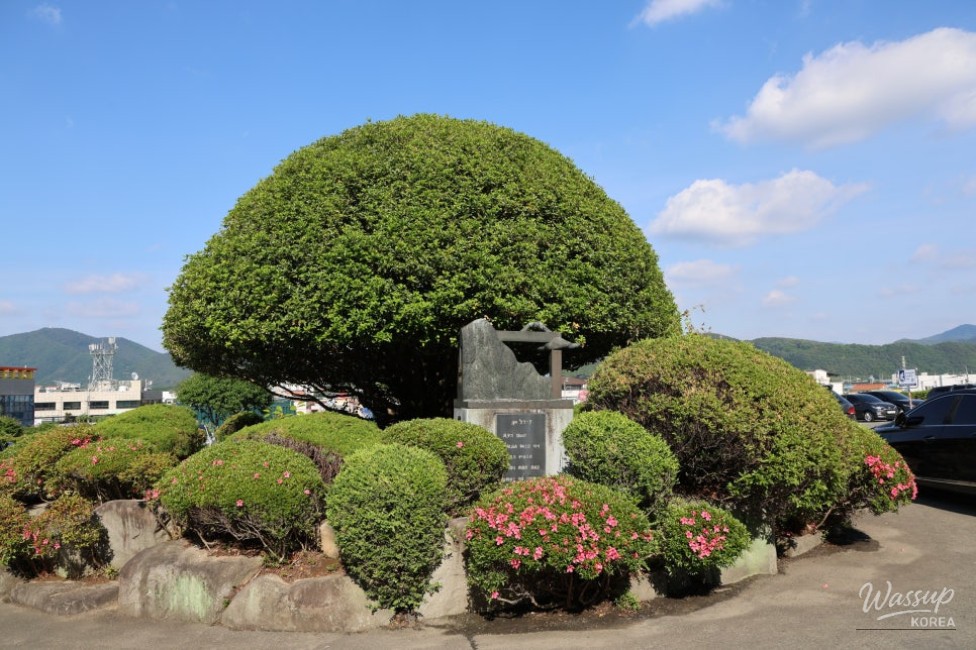
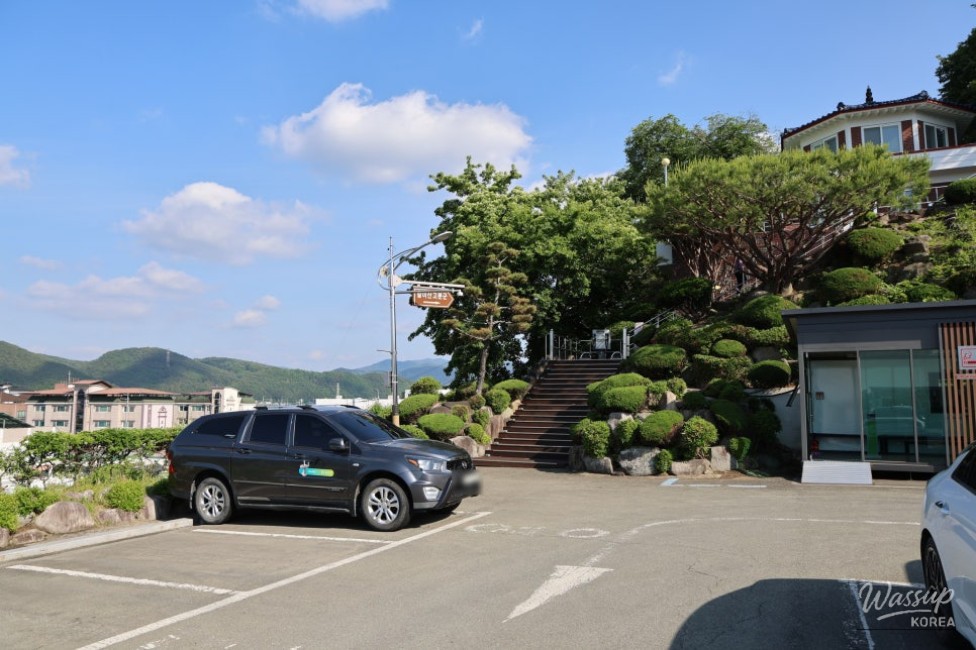
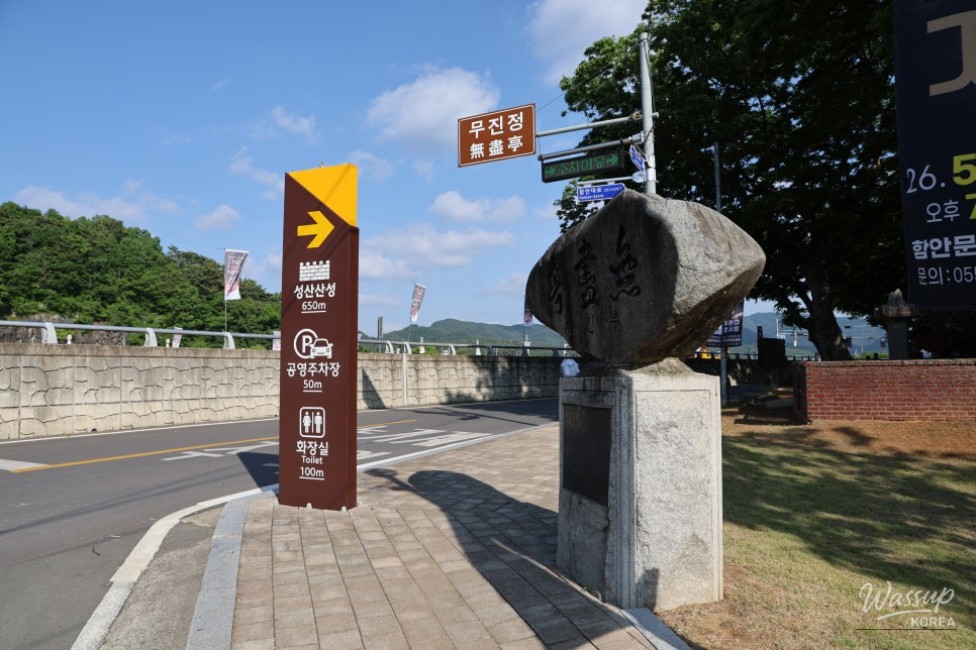
As I left the county office and headed to Mujinjeong, which attracts many visitors for the Nakwa Festival, I noticed a black stone next to a signpost indicating "Mujinjeong → Seongsan Mountain Fortress 650m." The deep engravings on the stone convey the weight of time.
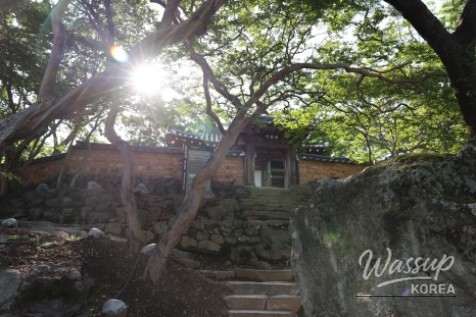
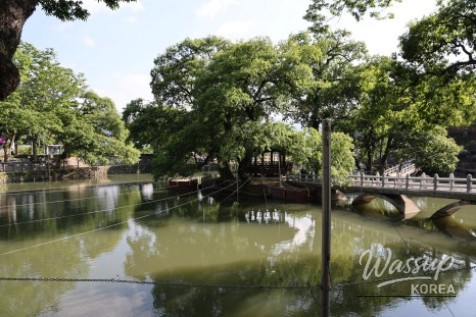
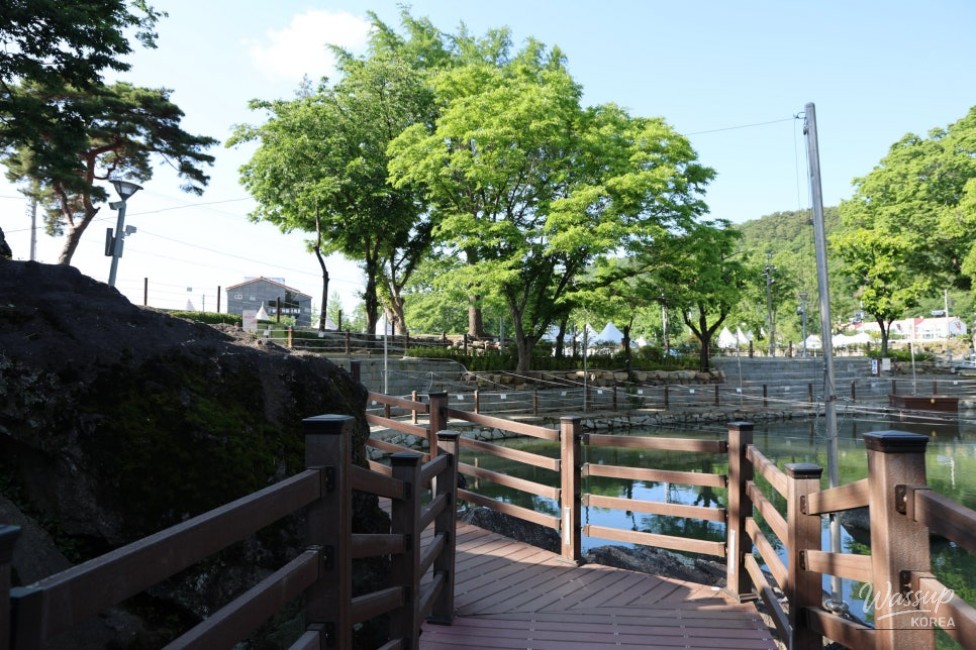
May in Hamann is lush and green. As I ascend the stone steps, light filters through the twisted trees, revealing an open door ahead. Passing under the signboard, I enter a pavilion that stands like an island in the middle of a pond. The tranquility before the lotus blooms is particularly pleasant. Mujinjeong is famous for its scenery, but it is beautiful in all four seasons. The reflection of trees on the water's surface creates a serene beauty, offering a calming perspective.
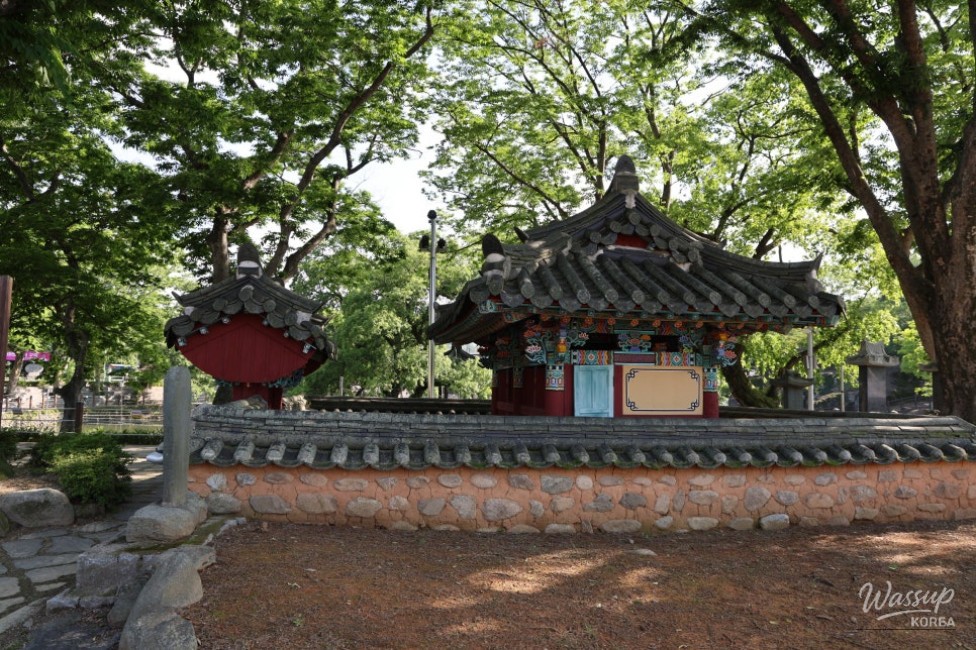
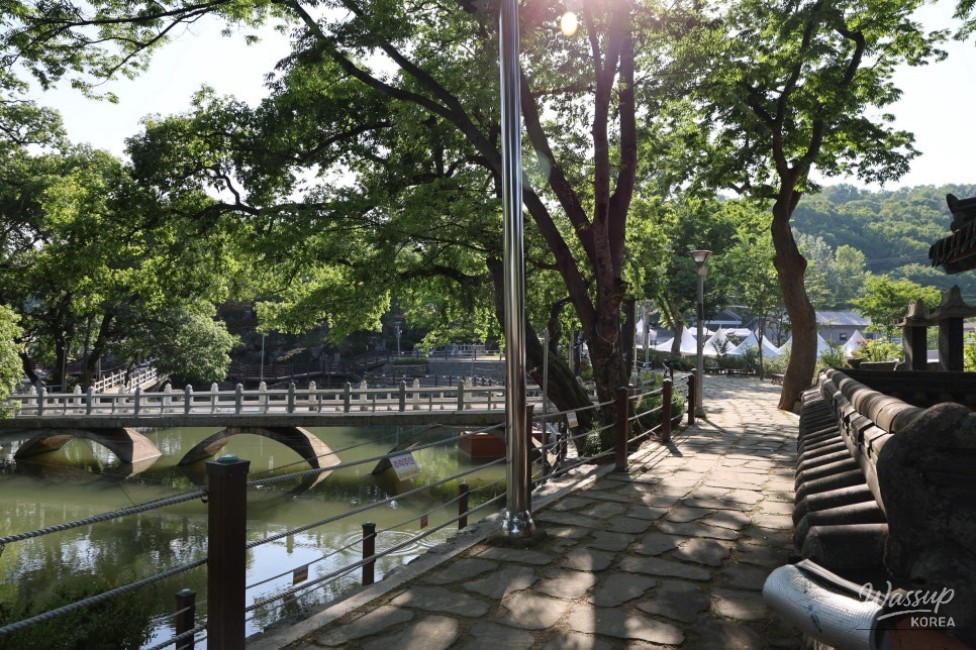
Mujinjeong means "endless beauty." The scenery here is truly boundless. The pavilion, built by Jo Sam during the mid-Joseon period, features a vivid tiled roof atop a wall made of yellow clay and stone, harmonizing with the surrounding trees in vibrant colors. Centuries-old trees encircle the pavilion, and beneath them lies a pond with an arched stone bridge, casting shadows on the water.
Hamann's consistent recognition in tourism is not merely the result of promotion; it reflects the region's enduring heritage that shines on its own. Those who have visited Hamann will understand that it is a place that leaves a lasting impression.
The tranquility and leisure I first felt at Mujinjeong in May still linger in my heart. Hamann is not a place to rush through. Walking through the Maisan Tombs, gazing at the Mujinjeong pond, and following the signs toward Seongsan Mountain Fortress, one can naturally sense the layers of time this region has accumulated.
In this space where the old and the new coexist, the charm of Hamann is revealed.

Source :https://blog.naver.com/arahaman/224295190015
No comments yet.