Seooreung Royal Tombs: A Journey Through History and Nature in Goyang
334-32 Seooreung-ro, Deogyang-gu, Goyang-si, Gyeonggi-do
고양 서오릉


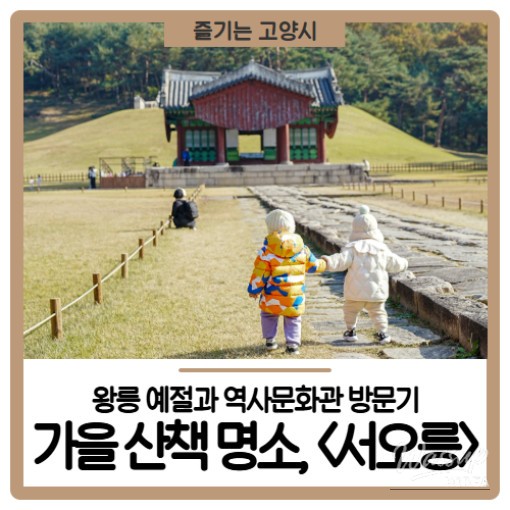
As the autumn air deepens, Seooreung (서오릉), a UNESCO World Heritage site in Goyang, transforms into a breathtaking landscape where the whispers of the Joseon Dynasty meet the vibrant colors of nature. Serving as the second-largest royal tomb cluster of the Joseon era, it offers a heart-enriching experience for those looking to walk the line between sacred history and forest freshness.
Beyond its significance as a burial ground for kings and queens, Seooreung is a living classroom and a peaceful sanctuary. With newly renovated facilities like the History and Culture Center, visitors can now engage with the site's rich heritage more deeply before embarking on a meditative stroll through its pine-scented trails.
1. Encountering the Breath of History
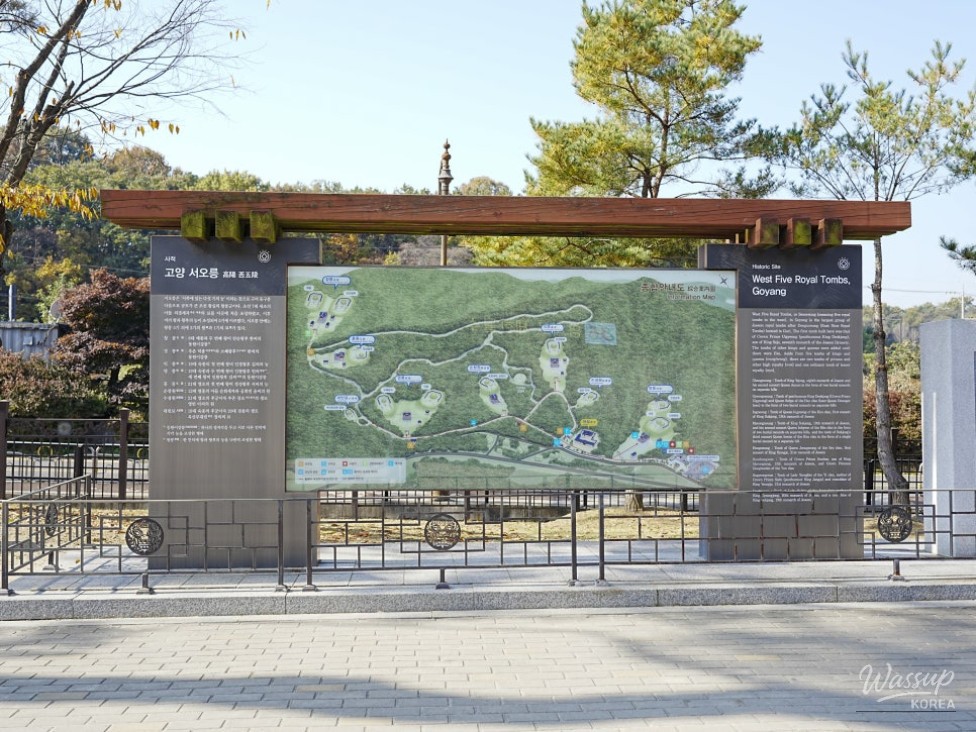
The name Seooreung translates to 'five tombs in the west.' This historic site centers around five major royal tombs: Gyeongneung, Changneung, Ikneung, Myeongneung, and Hongneung. However, the site's depth extends further with Sunchangwon, Sugyeongwon, and Daebinmyo, allowing visitors to encounter the diverse funeral culture and political narratives of the Joseon royal family in a single afternoon.
2. The New Goyang Seooreung History and Culture Center
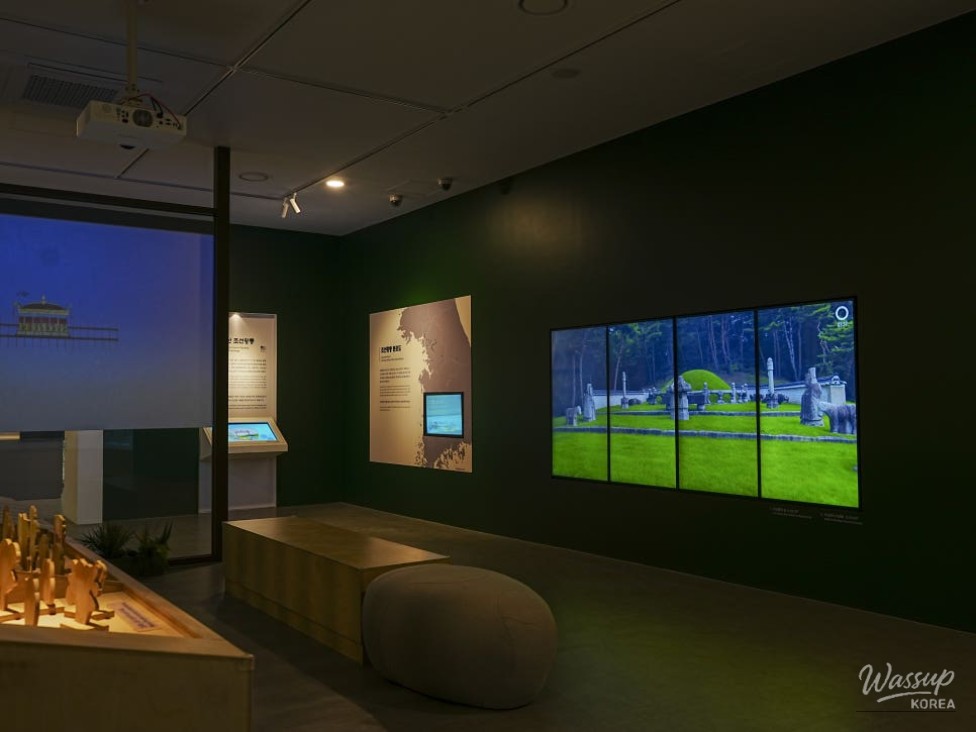
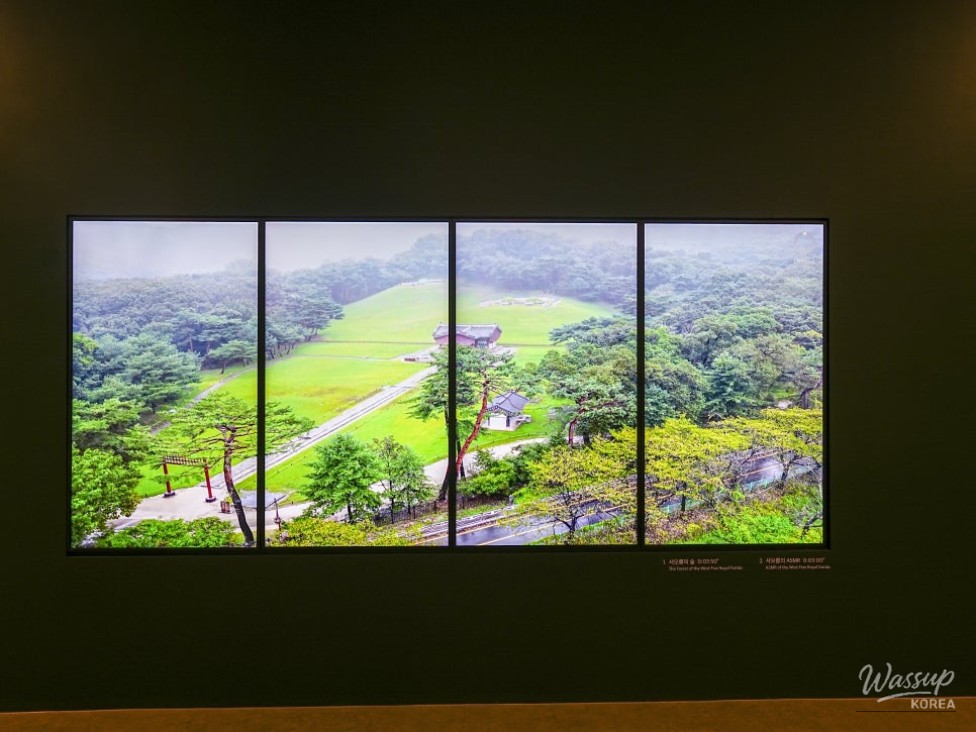
Before stepping onto the sacred grounds, a visit to the newly renovated History and Culture Center at the entrance is highly recommended. The center uses modern exhibition media to guide you through four main themes: 'Understanding Seooreung,' 'The King's Procession,' 'Seooreung Forest,' and the broader context of UNESCO-designated Joseon Royal Tombs.
This preliminary stop builds essential background knowledge, helping you appreciate the specific historical significance of each burial mound and the unique ecological value of the surrounding forest as you walk the actual paths.

3. Sacred Etiquette: Preserving a World Heritage Site
Seooreung is a sacred space, not a typical leisure park. To ensure its preservation and respect for the royal ancestors, visitors are asked to observe strict etiquette:
- Food & Drink: Cooking and eating are prohibited; only water and non-sugary drinks are allowed.
- Atmosphere: Smoking, drinking, loud shouting, and running are strictly forbidden to maintain a reverent mood.
- The Paths: Stay on designated trails. Specifically, do not walk on the hyangro (spirit path); visitors must use the eoro (king's path).
- Sacred Areas: Climbing or approaching the neungchim (burial mound area) is prohibited.

4. Autumn's Vibrant Harmony and Character Education
The peak of autumn foliage at Seooreung is a sight to behold. The colorful broad-leaved trees harmonize beautifully with the dense, dark green pine forest, creating a protective and dignified veil around the tombs. During this season, it is common to see young children on school picnics, learning to respect history while playing on the wide lawns.
Watching teachers explain the difference between the spirit path and the king's path to attentive children is a reminder that Seooreung is more than a tourist spot—it is a site for living character education. Encountering these historical treasures from a young age fosters a natural familiarity with Korea's precious heritage.

Visitor Information at a Glance
Admission: 1,000 won (Ages 25-64). Free admission for those under 24, over 65, and visitors wearing Hanbok.
Parking: The first 60 minutes are free.
Closed: Every Monday (If Monday is a public holiday, it closes on the next weekday).
Photo Gallery: The Soul of Seooreung





How do you plan to spend your next autumn afternoon—perhaps taking a meditative stroll through the history of the Joseon Dynasty? Goyang Seooreung is a place where every step tells a story and every pine tree breathes peace. Are you curious about which specific king's story resonates most at this site, or would you like us to find a nearby traditional tea house to warm up after your walk?
No comments yet.