Exploring Deoksugung Palace



Hello, this is Gwangju Blue.
Let me introduce Blue's journey.
<Deoksugung Palace>
99 Sejong-daero, Jung-gu, Seoul
<Operating Hours>
Tuesday - Sunday 09:00 - 21:00
Closed on Mondays
If a holiday falls on a closed day, it will be closed the following day. Last admission is one hour before closing.
<Admission Fee>
Adults (ages 25-64) - 1,000 KRW
Youth (under 24) - Free
Seniors (65 and older) - Free
Foreigners (ages 19-64) - 1,000 KRW
Disabled persons, veterans - Free
Those wearing hanbok - Free
About Deoksugung Palace
Deoksugung was originally the residence of Prince Wolsan, the brother of King Seongjong of the Joseon Dynasty. After the Imjin War in 1592, it was used as a temporary palace and was called Jeongneung-dong Haenggung. In 1611, it was officially designated as Gyeongun Palace. However, it later became a secondary palace when Changdeokgung was rebuilt.
In 1897, when King Gojong declared the establishment of the Korean Empire, it was used as the imperial palace. The palace was expanded and western-style buildings were constructed, blending traditional and western architecture. However, a major fire in 1904 destroyed many buildings, and in 1907, after King Gojong abdicated, it was renamed Deoksugung. During the Japanese occupation, most of the palace was demolished, and it lost its palace features as it was transformed into a park. Restoration efforts have continued, leading to its current form.
Parking information: The parking lot at the Seoul City Hall is free on weekends but operates until 6 PM. The Gyeongbokgung parking lot is further away but has lower fees and operates late.
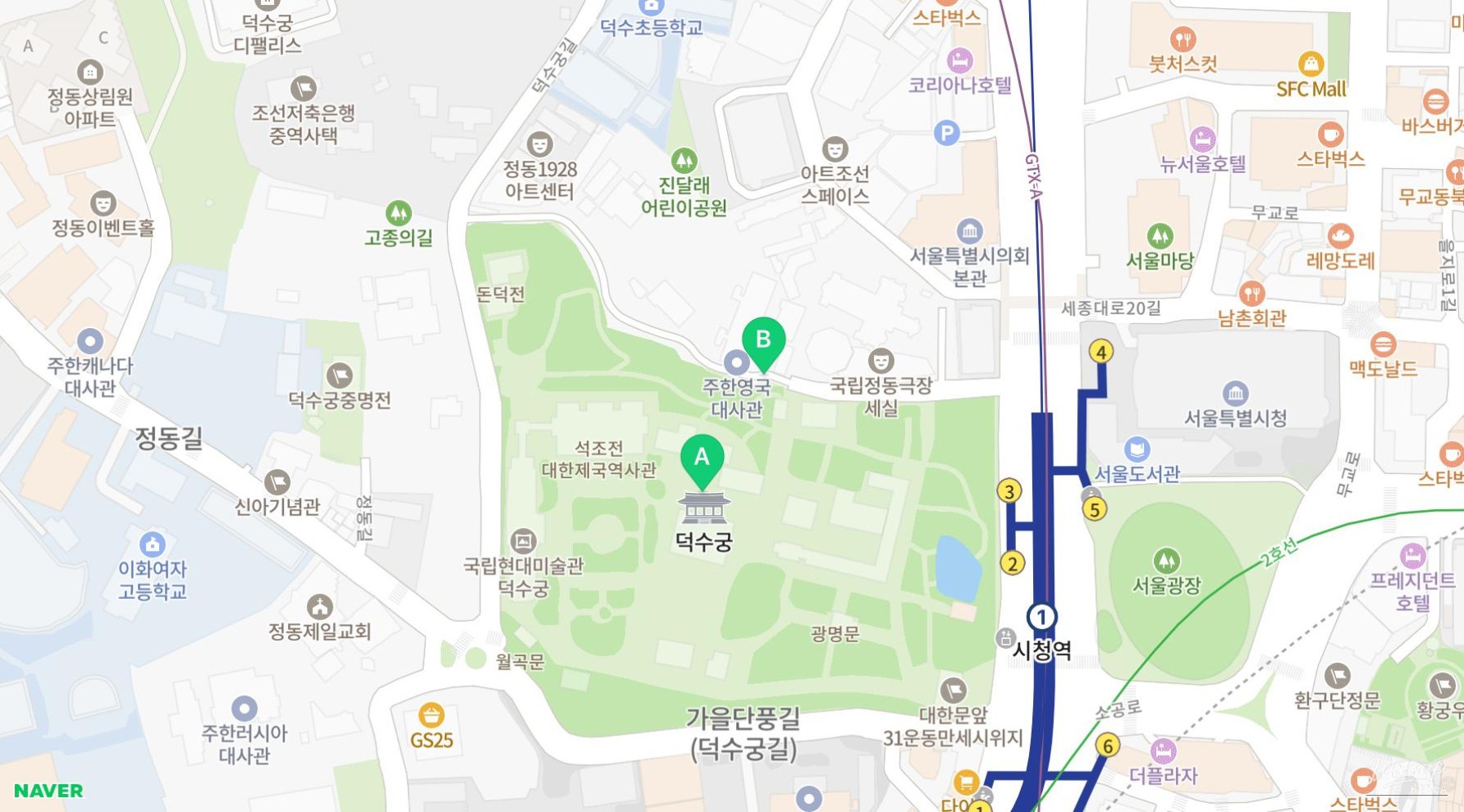
Using public transportation, the subway's Line 1 exit 2 is closest to the main gate. We parked in a nearby paid parking lot.
Deoksugung Daehanmun: The gate you see is Daehanmun, originally called Gyeongun Palace. It was renamed Deoksugung after King Gojong abdicated in 1907 to wish for his longevity.
Next to Daehanmun, there is an automated ticket machine, and you can enter through the staffed ticket office for free admission or the integrated palace ticket.
We purchased tickets for three adults for 3,000 KRW, and one person entered for free.
Deoksugung's self-ticketing/checking system allows you to pass through once your ticket is recognized.
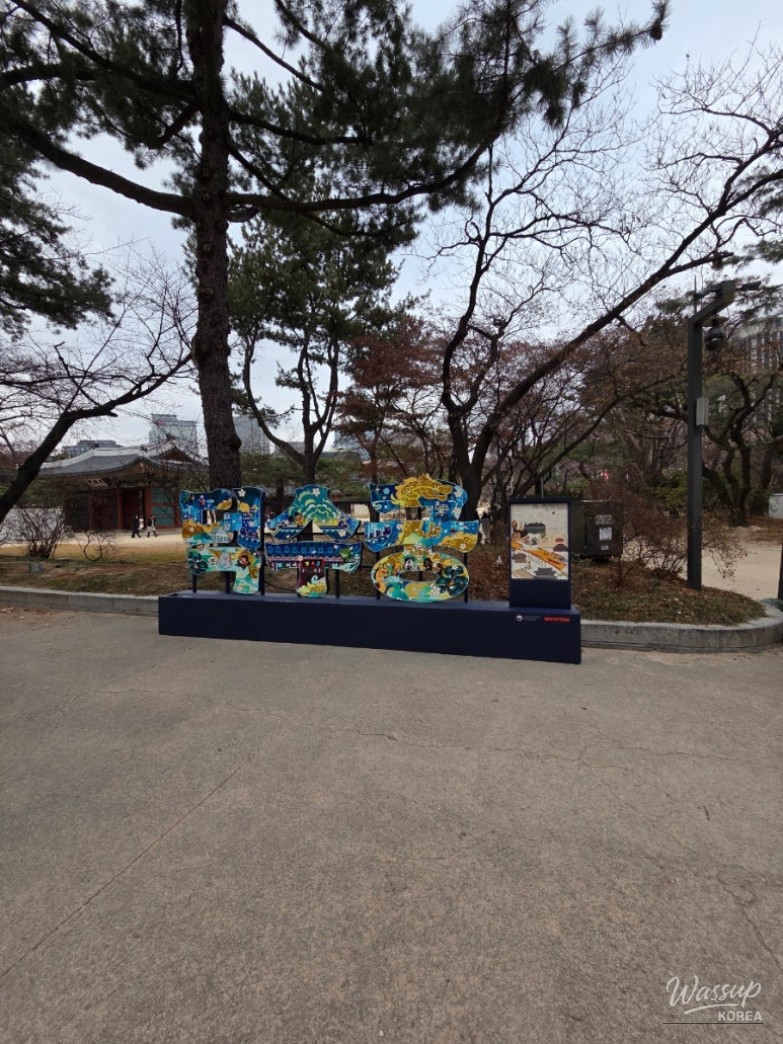
Deoksugung's historical guideboards provide information about the palace's history and layout.
Deoksugung Gwangmyeongmun: The first gate you see is Gwangmyeongmun, which served as the main gate during the Korean Empire period. It was relocated during the Japanese occupation but returned to its original location in 2019.
Deoksugung Hamnyeongjeon: This building was used as Emperor Gojong's living quarters. The current structure was rebuilt after the great fire in 1904 and is the last royal residence of the Joseon Dynasty.
Deoksugung Jeonggwanheon: This is where Emperor Gojong held teas and banquets. Completed in 1900, it is the oldest modern building in Deoksugung.
Deoksugung Seogeodang: The only two-story wooden building in Deoksugung, it was used as a temporary residence by King Seonjo after the Imjin War. It lacks traditional color decoration as it was not originally a palace building.
Deoksugung Jungwajeon: The main hall of Deoksugung, it hosted important national ceremonies during the Korean Empire.
Deoksugung Seokjojeon: The first modern Western-style building in Korea, designed by British architect Harding.
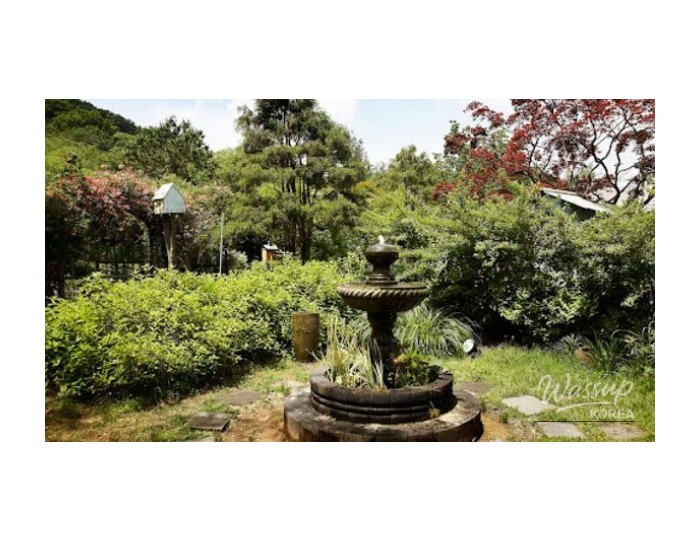
Deoksugung Stone Fountain: One of Korea's first European-style gardens and fountains, created around 1900. The area features seals as sculptures and symbolizes modernization during the Korean Empire.
Seoul's Deoksugung Palace and its stone wall path are beautiful walking paths, especially in autumn. It is famous for couples, with legends of breakups associated with it.
This path connects to the 'Jeongdong-gil' leading to the Kyunghyang Shinmun office, showcasing traces of modern Korean history.
The total length is about 1.1 km, and a previously unconnected section opened in 2018, allowing visitors to explore the entire area.
Deoksugung's car-free street operates from Deoksugung Daehanmun to the circular fountain in front of Jeongdong Church.
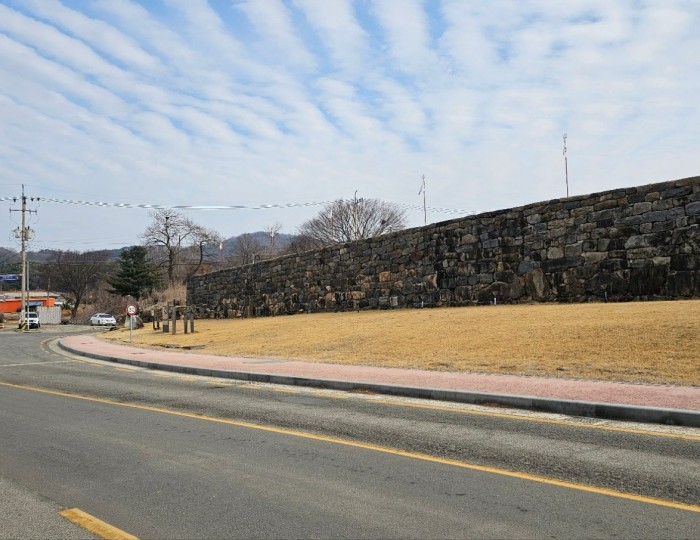
Deoksugung Stone Wall Path: A 100-meter section of this path, once restricted for 58 years, has been opened to the public. It is said to be the path King Gojong used to pay respects to his late father.
Be sure to visit the beautiful Deoksugung Palace and its stone wall path to create lasting memories.

Source :https://blog.naver.com/goehd758/224154830130
No comments yet.