Discovering the Untouched Beauty of the DMZ Ecological Peace Park in Cheorwon
481-1 Saengchang-gil, Gimhwa-eup, Cheorwon-gun, Gangwon-do
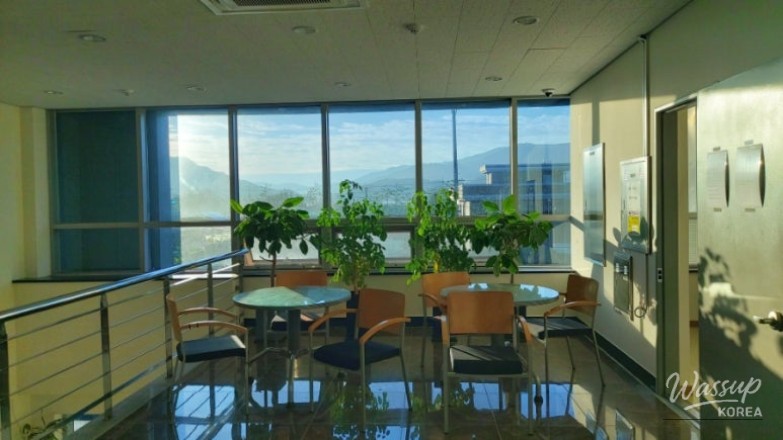
DMZ생태평화공원 방문자센터


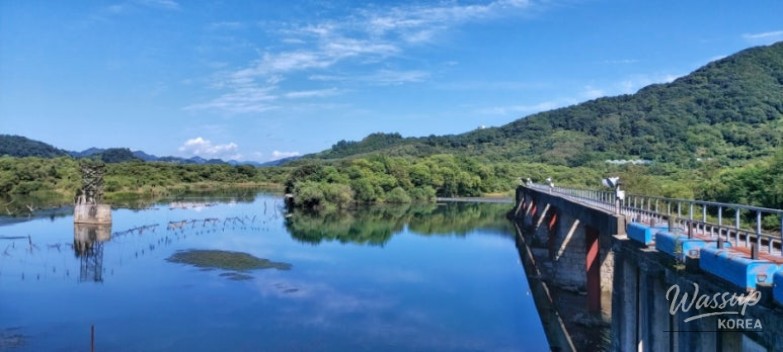
The DMZ Ecological Peace Park in Cheorwon is a globally unique destination where time has stood still for over 60 years. Once a restricted area closed to civilians, it has transformed into a symbol of peace and a primitive ecological treasure trove. Because Cheorwon sits in the northern reaches of Gangwon-do, autumn arrives early here; by September, the vast rice paddies turn into a shimmering golden sea, offering a breathtaking landscape of restoration and history.
In this guide, we explore the two distinct trails of the park—the rugged Cross Pagoda Trail and the serene Yongyangbo Course. From the skeletal remains of old railway bridges to the "Landmine Forest" warning signs, a visit here provides a profound look at the reality of division and the resilience of nature. Whether you're staying overnight at the Visitor Center or taking a day tour, this journey offers a valuable experience that connects Korea's tragic past with a hopeful, green future.
Planning Your Visit: Registration and Logistics
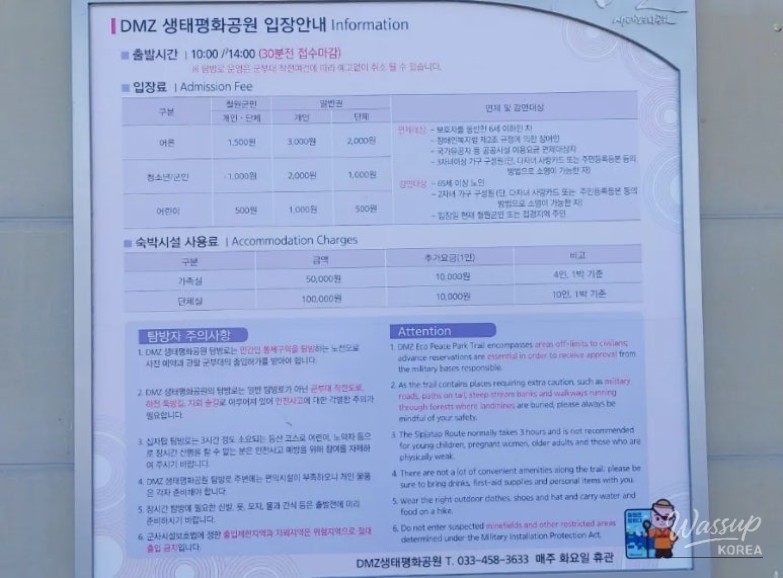
To enter the DMZ Ecological Peace Park, advance planning is essential. Tours depart twice daily at 10:00 AM and 2:00 PM. You must arrive at the Visitor Center at least 30 minutes early to complete registration, sign a pledge, and receive security instructions. Online reservations are highly recommended. For a more immersive experience, the center offers affordable accommodations (approx. 70,000 KRW for 4 people), and you even receive a partial refund in Cheorwon gift certificates to spend locally!
A Symbol of Restoration from Ruins
For decades, this land was untouched by human hands, allowing a primitive ecosystem to flourish. It serves as a dynamic example of how nature recovers from the destruction of war. Walking through Saengchang-ri, you are walking through what was once the most prosperous area of Gangwon-do, now rebuilt as a sanctuary where roe deer and migratory birds like cranes and swans thrive among historical fortifications.
Choosing Your Trail: Course 1 vs. Course 2
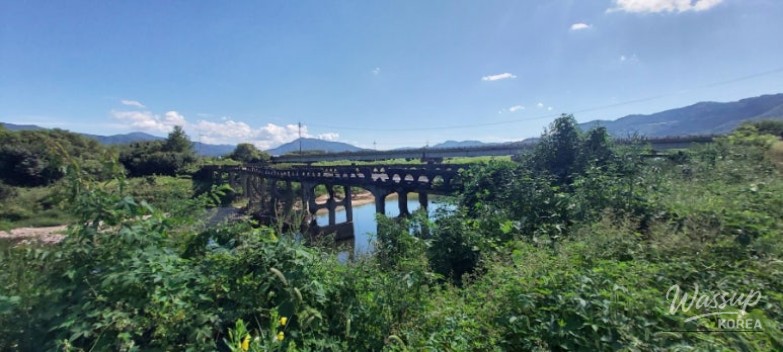
The park offers two primary routes. Course 1 (Cross Pagoda Trail) is a 3-hour hike up Seongjae Mountain, offering a direct view of North Korean guard posts and the barbed wire fences of the Cold War. Course 2 (Yongyangbo Course) is a flatter, 2-hour walk that focuses on ecological beauty and modern cultural heritage, including the 105-year-old Amjeong Bridge and the historic Geumgangsan Electric Railway piers.
The Serene Beauty of Yongyangbo
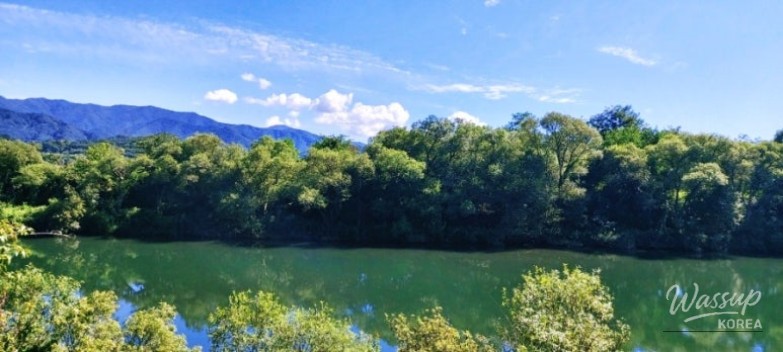
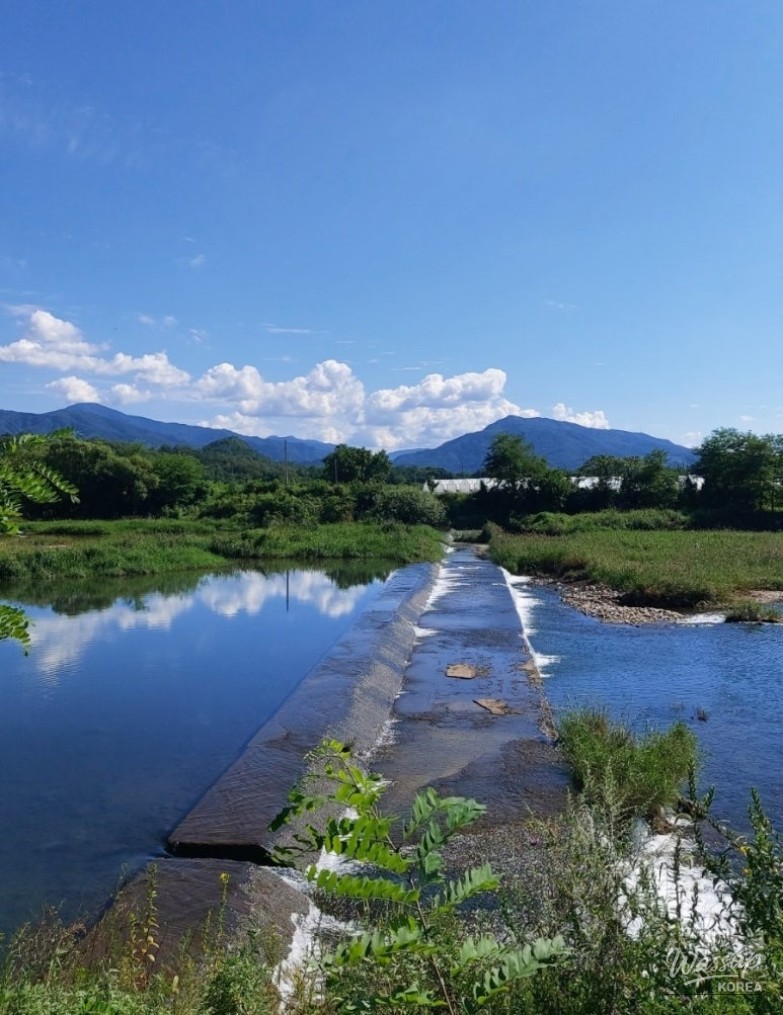
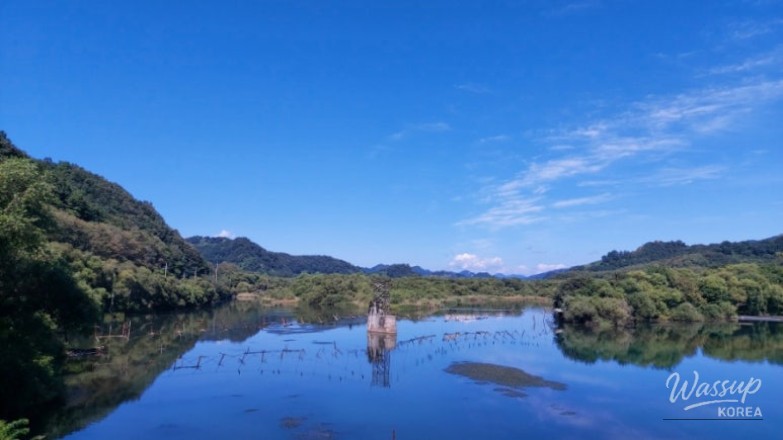
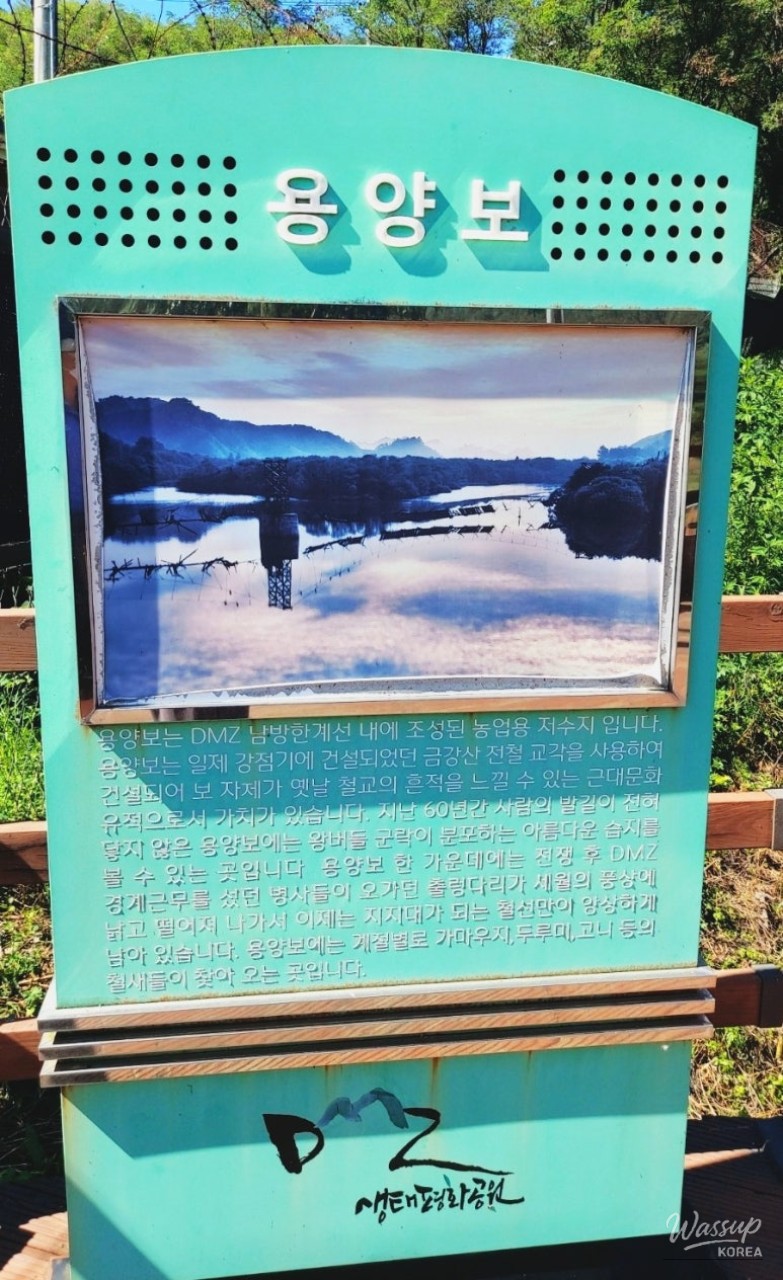
On the Yongyangbo course, you'll discover a lake-shaped wetland that acts as a haven for wildlife. One of the most artistic sights is the skeletal suspension bridge in the middle of the lake, where cormorants often rest. This area also marks the 'Southern Limit Line,' serving as a stark reminder of the border's proximity. While photography is restricted in certain high-security areas, the views from the observatory are truly "peaceful scenery."
The Landmine Forest and Saengchang Village
Perhaps the most unique section of the park is the Landmine Forest Trail. Lined with warning signs, this path reinforces the dangers that remain from the conflict. Interestingly, local animals have learned to avoid these buried hazards using their keen sense of smell. Emerging from the forest, you reach Saengchang Village, a "veteran village" built in the 1970s with a unique architectural style designed to appear large and imposing when viewed from across the border.
A Golden Harvest: Cheorwon Odae Rice
During a September visit, the fields flanking the trail turn brilliant gold. Cheorwon is famous for its Odae Rice, and seeing the grain ripen under the clear sunlight against the backdrop of the Hwagang river is a "gorgeous scene." It’s a powerful contrast to see such productivity and natural beauty in a place defined by military tension.
DMZ Ecological Peace Park Gallery

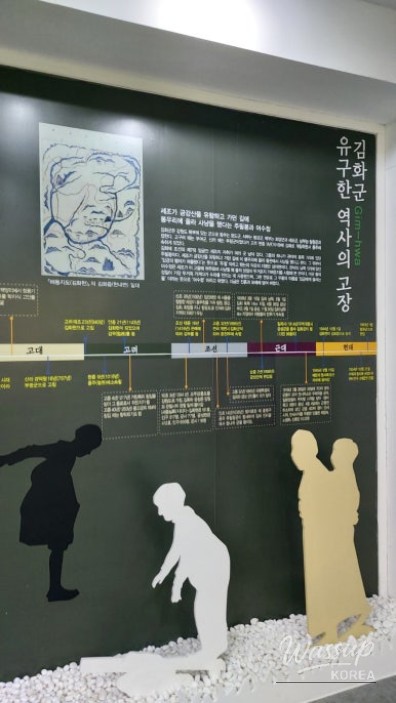
A visit to the DMZ Ecological Peace Park is a reminder of the fragility of peace and the enduring power of nature. Have you ever visited a place where history and ecology are so tightly interwoven? If you go to Cheorwon, would you prefer the physical challenge of the Cross Pagoda Trail or the historical storytelling of the Yongyangbo Course? Let me know if you'd like more information on nearby sites like the Gimhwa Story Museum!
Would you like me to help you find the current 2026 reservation link or more details on the Gimhwa Story Museum?
No comments yet.