A Relaxing Day Trip to Oeam Folk Village in Asan
188 Oeam-gil, Songak-myeon, Asan-si, Chungcheongnam-do
외암민속마을


Stepping into Asan Oeam Folk Village is like taking a time machine back to the late Joseon Dynasty. This well-preserved village, nestled along a serene river, offers a perfect blend of historical sights, hands-on folk experiences, and traditional market flavors. It is an ideal destination for families seeking a quiet escape where nature and heritage harmonize beautifully.
Whether you are strolling along the iconic stone-walled paths, trying your hand at traditional puffed rice making, or simply enjoying the tranquil atmosphere of the lotus ponds, Oeam Folk Village provides a wealth of sensory experiences. With affordable admission and free parking, it stands as one of the most accessible and high-value cultural retreats in the Chungcheongnam-do region.
A Welcoming Entrance to Oeam Folk Village (외암민속마을)
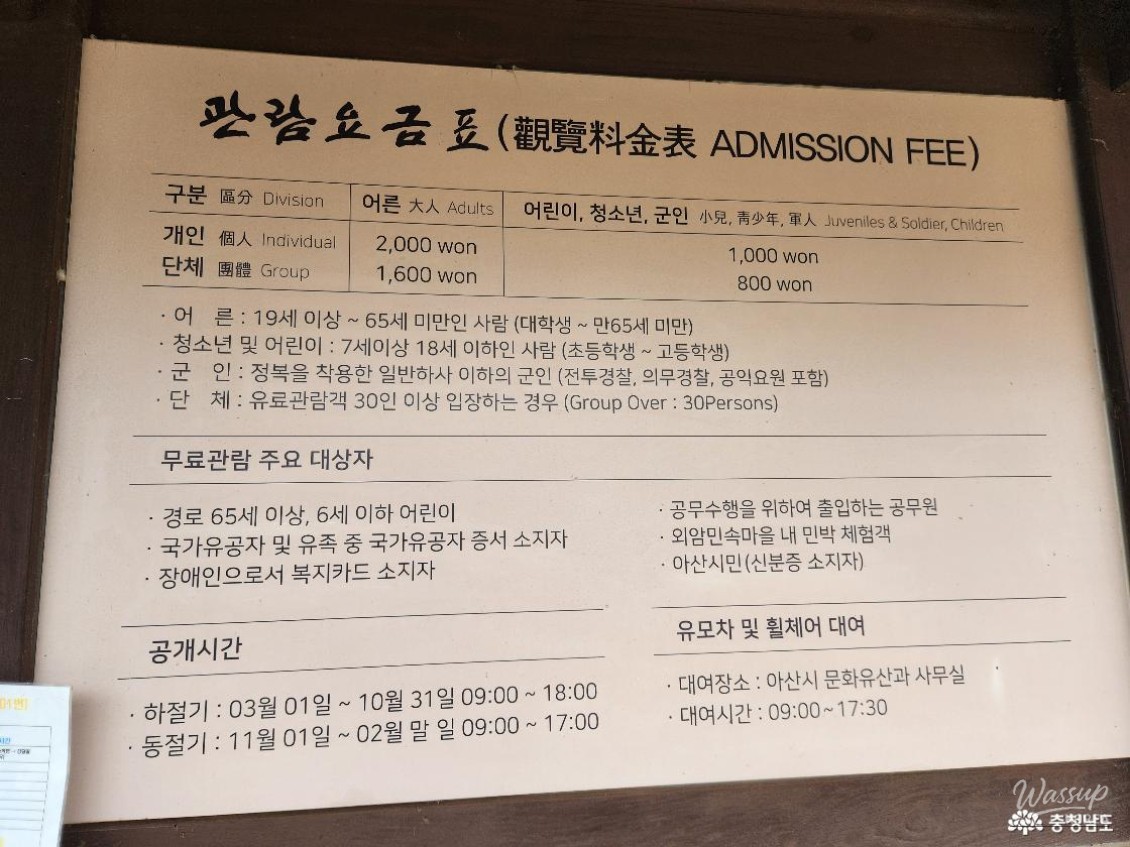
Our journey began with a smooth arrival at the spacious parking areas. As you step out, a traditional-style information board provides a panoramic guide to the village layout. The entrance fee is a modest 2,000 won for adults, which feels like a bargain for the well-maintained scenery. Crossing the stone bridge near the ticket booth, we were greeted by refreshing greenery and a vibrant green lotus pond that looked stunning even without blossoms.
Nostalgic Folk Traditions and Totem Poles
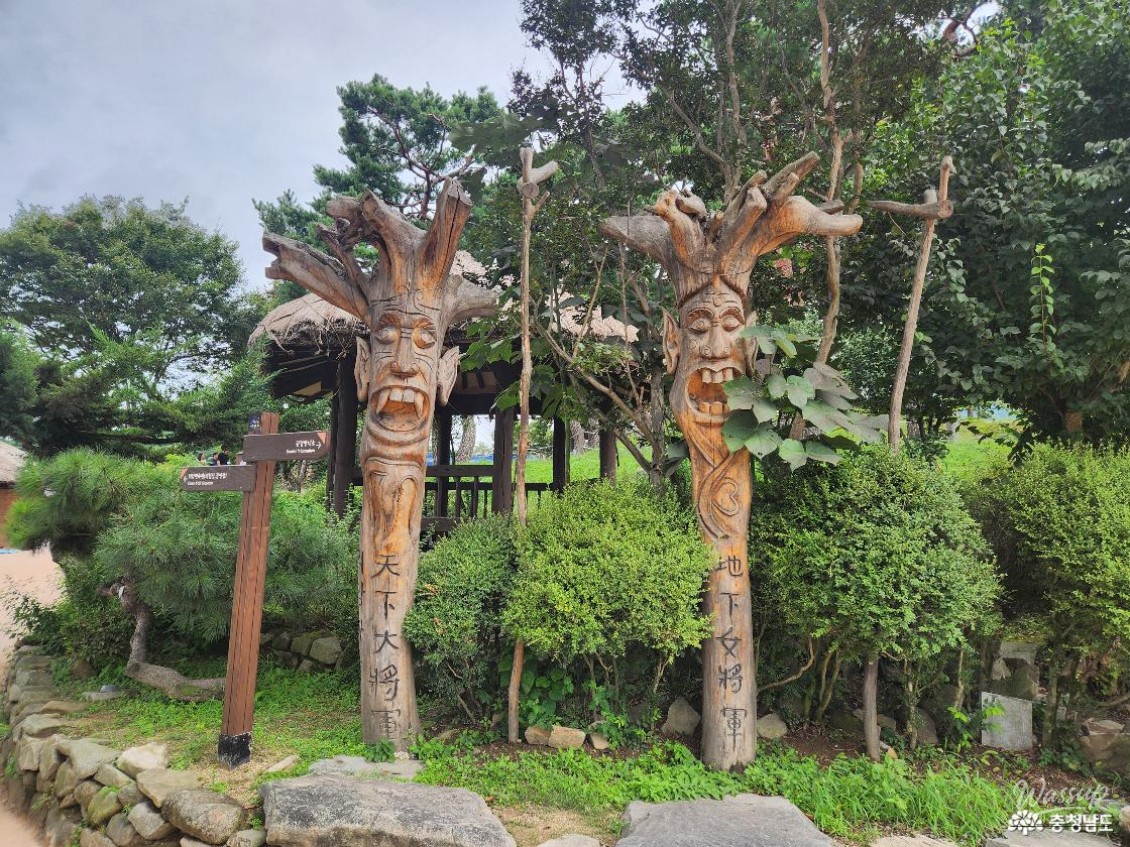
At the village entrance, you'll encounter the "Jangseung," traditional Korean totem poles that once guarded village spirits. In an era of global interest in Korean culture, these artifacts feel like authentic pieces of history. We also stumbled upon a puffed rice (Ppeongtwigi) demonstration—a nostalgic sight that brought back childhood memories of street markets, now preserved as a fun hourly experience for visitors.

Exploring Traditional Life and Tools
The village is more than just houses; it's a living museum of daily life. We found classic traditional tools on display, including a thresher that I actually remember using in my youth. For the younger visitors, large wooden swings are available, offering a much more exhilarating ride than modern playground versions. These interactive elements make the historical tour engaging for all ages.
Wonders of Nature: The Protected Ancient Tree
While wandering deeper into the village, we encountered a towering ancient tree with a mysterious past. One side of its trunk is blackened—perhaps by lightning or fire—yet it continues to thrive, showcasing the incredible resilience of nature. This protected tree is a mystical centerpiece of the village and a perfect spot for quiet reflection and photography.

Picturesque Stone-Walled Paths and Traditional Cafes
One of the highlights of Oeam Folk Village is its network of stone-walled paths. Visiting early in the morning allowed us to enjoy these picturesque trails in peace. Thoughtful photo zones have been set up to help travelers capture the best angles of the Hanok architecture. To conclude our outing, we skipped the coffee for a refreshing cup of "Sikhye" (traditional sweet rice drink) at a theme-appropriate cafe.
Essential Visitor Information
Oeam Folk Village is open from 09:00 to 18:00 during the summer season (March to October). Facilities include traditional restaurants serving savory Korean pancakes (pajeon), clean restrooms, and a tourist information center where you can pick up a helpful map. It is a place that rewards those who slow down and appreciate the fine details of Joseon-era architecture and natural landscape.

Oeam Folk Village Scenery Gallery









Have you ever experienced the simple joy of hearing the 'ppung' sound of traditional puffed rice being made, or do you prefer the quiet elegance of a stone-walled stroll? If you visit Asan, would you rather try the savory pajeon at the market or spend more time exploring the hidden history behind the village's ancient protected trees? Let me know if you'd like me to recommend some other nearby attractions in Asan to complete your weekend trip!
No comments yet.