A Morning Visit to Woljeongsa Temple in Odaesan National Park, Pyeongchang
374-8 Odaesan-ro, Jinbu-myeon, Pyeongchang-gun, Gangwon-do
월정사


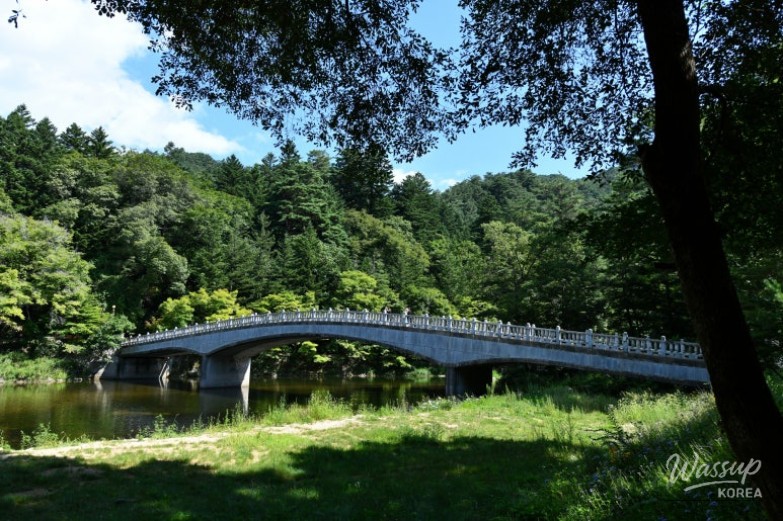
Deep within Odaesan National Park lies Woljeongsa Temple(월정사), a spiritual sanctuary founded over 1,300 years ago during the Silla Dynasty. Home to the towering Octagonal Nine-Story Stone Pagoda, this temple is more than just a historical site; it is a place where the art of Kim Hong-do meets the pristine ecology of the Odae Stream. From the emerald waters of Geumgangyeon Pond to the legendary Fir Forest Trail, every step offers a unique blend of National Treasure-level heritage and natural healing.
In this guide, we journey through the temple's symbolic gates and explore its most sacred halls. We also highlight the famous "Barefoot Healing Trekking" experience on the Fir Forest Trail—one of Korea's most beautiful forest paths. Whether you are participating in a Templestay or simply looking for a peaceful stroll through history, Woljeongsa provides a "special moment" of tranquility in the heart of Pyeongchang.
Sacred Heritage: The Octagonal Nine-Story Stone Pagoda
The centerpiece of Woljeongsa is the Octagonal Nine-Story Stone Pagoda (National Treasure No. 48). Standing at 15 meters, it is a masterpiece of early Goryeo architecture, featuring a lotus-patterned foundation and exquisite gilt-bronze decorations. Facing the pagoda is the stone seated Yakwangbosal statue (a replica of the original housed in the museum), captured in a posture of eternal offering. Visitors can often be seen performing tapdori (circling the pagoda), a meditative ritual that adds to the temple's serene atmosphere.
Walking Through History: The Gates and Halls
The entrance to the temple complex is a journey in itself. After crossing Geumgang Bridge, you pass through a series of symbolic thresholds:
- Cheonwangmun Gate: Housing the Four Heavenly Kings who guard the Buddhist realm.
- Geumgangmun Gate: Featuring a ceiling decorated with intricate Buddhist imagery.
- Jeokgwangjeon Hall: The main hall enshrining Sakyamuni Buddha, uniquely named to symbolize the spread of the Avatamsaka Sutra.
Healing Nature: The Fir Forest Trail
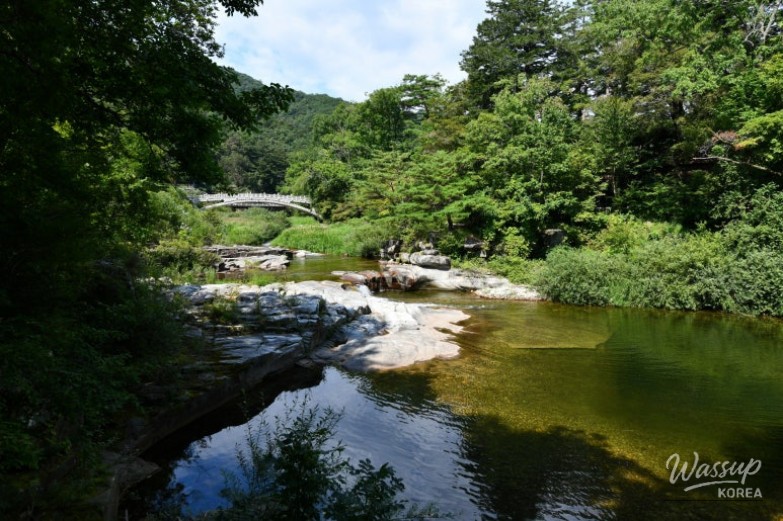
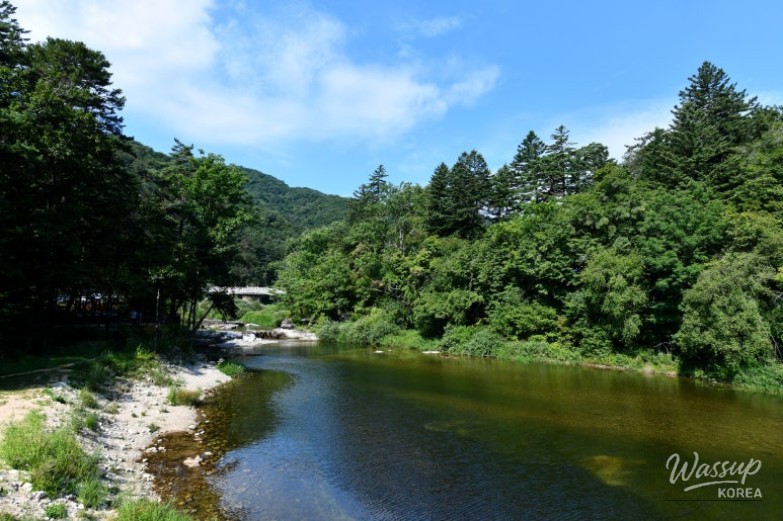
Known as one of the three most beautiful fir forests in Korea, the Woljeongsa Fir Forest Trail is a 1.9km path perfect for barefoot walking. The trail follows the Odae Stream, where endangered lenok and otters thrive in the clear, cold water. The upcoming 2025 Barefoot Healing Trekking event (Sept 20, 2025) offers a perfect opportunity to experience this "peaceful scenery" alongside fellow nature lovers.
Artistic and Ecological Significance
The beauty of this landscape was famously captured by the Joseon-era master painter Kim Hong-do, who left four landscape paintings of Odaesan at the king's request. Today, the forest remains an ecological treasure, offering modern amenities like well-maintained foot-washing areas for those who choose to connect directly with the earth along the Seonjae-gil trail.
Visitor Information
| Category | Details |
|---|---|
| Parking Fee | ₩6,000 |
| Barefoot Trekking Event | Sept 20, 2025 (₩10,000 Entry) |
| Recommended Course | Fir Forest Path → Pagoda → Seonjae-gil |
Woljeongsa Temple is a place where every hall and every tree tells a story of 1,500 years of faith. Have you ever experienced a Templestay to learn about Korean Buddhist culture, or do you prefer a quiet morning hike through a historic fir forest? If you're visiting Pyeongchang, would you like me to recommend some traditional sanchae-bibimbap (wild vegetable rice) restaurants located near the temple entrance?
Would you like me to find more details about the 2025 Odaesan Barefoot Healing Trekking event or help you check availability for a Templestay at Woljeongsa?
No comments yet.