The Timeless Wisdom of Buyeo's Murangsa Temple



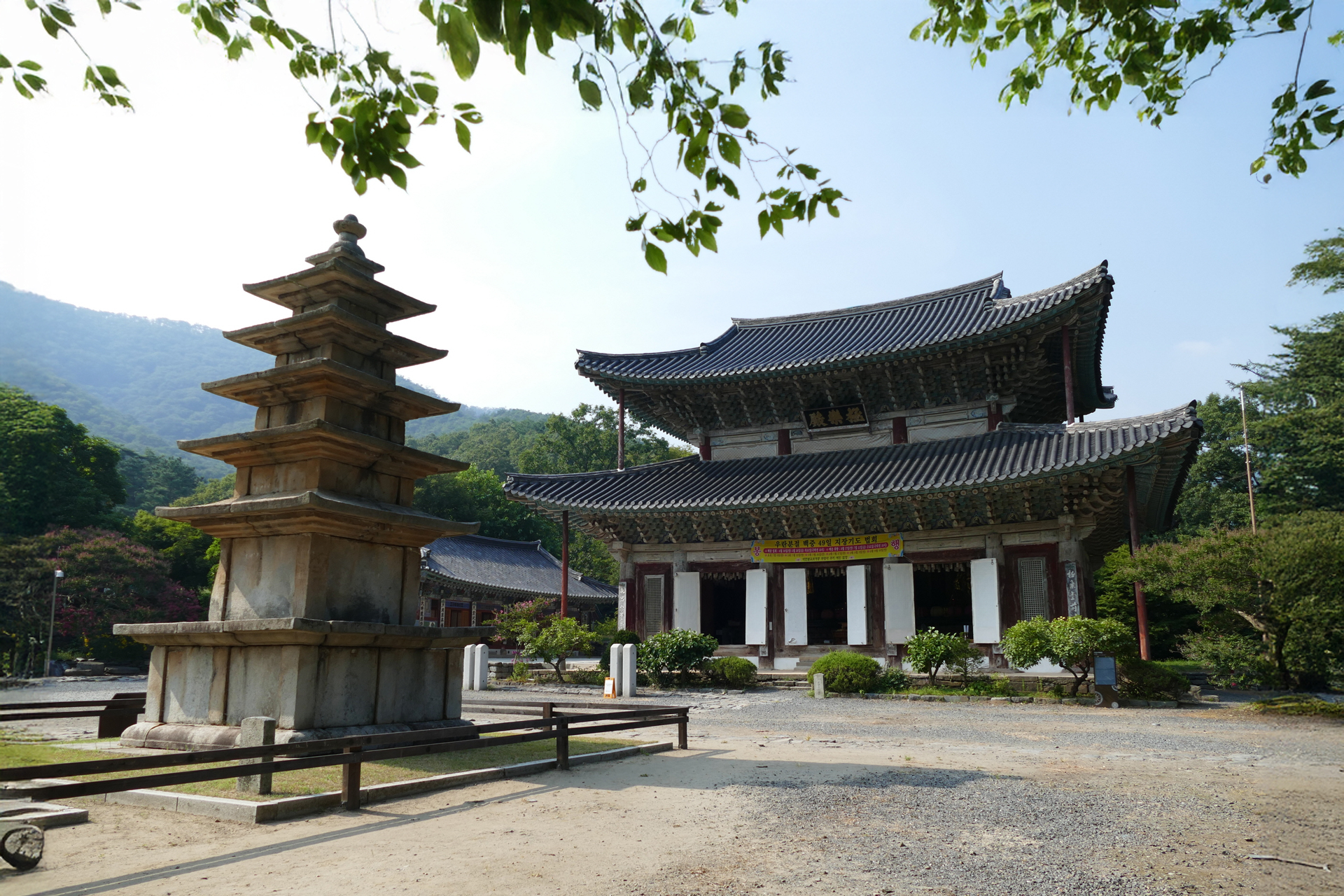
In the early winter of Murangsa, where strong winds blow and rain falls, the gray sky shrouds the temple nestled at the foot of Mansusan Mountain. Rainwater trickles down the tiled roof of the Gukrakjeon Hall, while droplets gather on the five-story stone pagoda and lantern base, creating a soothing sound that blends with the distant rustling of the landscape beyond the Cheonwangmun Gate. This serene atmosphere whispers the temple's lonely breath.
The coldness rising from the damp ground mixes with the musty scent of wet leaves, tickling the nostrils, while the fragrance of the aged wooden structures fills the chilly air. These sounds and scents break the silence of the past, creating a poignant connection to history. The sunlight, momentarily breaking through the seemingly endless winter rain, casts elongated shadows from the pagoda, marking the day's end. Murangsa envelops us in warm solace amidst the cold solitude.
Murangsa Temple, a millennium-old site belonging to the Jogye Order of Korean Buddhism, is located at the southern foothills of Mansusan Mountain in Buyeo, Chungcheongnam-do. As its name suggests, it is a place where time and wisdom are immeasurable, renowned as the foremost Amitabha temple in Korea. It is especially famous for the 'Murangsa Mireuksan Gwaebuldo' (National Treasure), a prominent example of Korea's unique Buddhist culture, known for its artistic composition. The temple also houses various cultural heritages, including the five-story stone pagoda and the bronze statues discovered there, which are deemed to be in excellent condition.
Murangsa's history is rich, with its founding attributed to the monk Beomil in the late 9th century, though exact records are scarce. The temple has undergone significant renovations, especially after suffering destruction during the Imjin War. The current structures largely date back to the extensive reconstruction efforts that began in 1630. Notably, the revered monk Jinmuk, known for his contributions to Buddhism during the Joseon Dynasty, resided here, further enriching the temple's legacy.
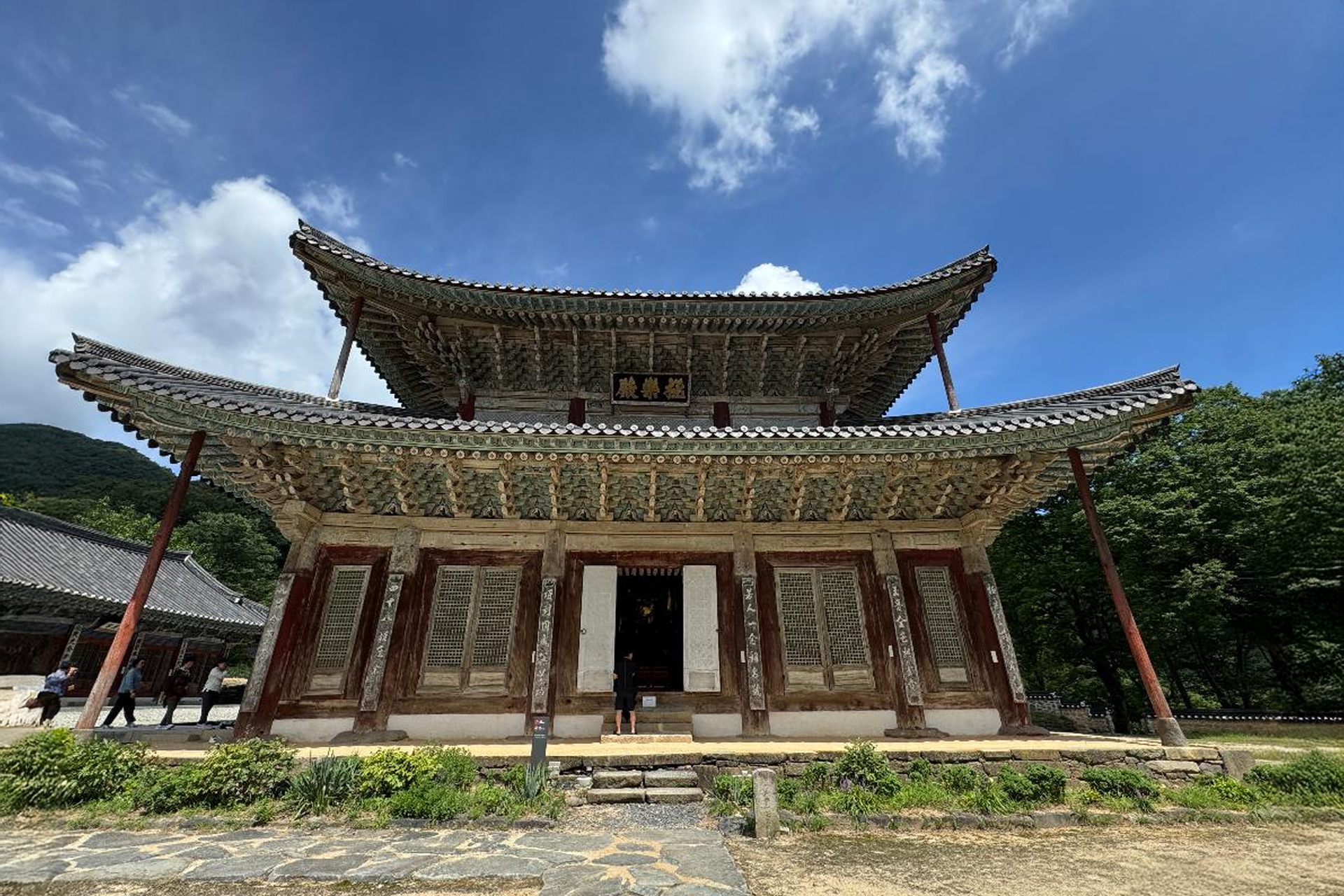
The temple complex is oriented southward, featuring a main hall that exemplifies the architectural style of the Joseon period. The Gukrakjeon Hall, with its two stories, is a rare example of a two-story temple in Korea. Inside, the separation between levels is blurred, creating a spacious atmosphere. The temple also showcases the exquisite artistry of the Samjeonpae, a notable work from the 17th century, representing the pinnacle of Buddhist woodcraft of that era.

As visitors enter through the Iljumun Gate, they are greeted by the serene ambiance of the temple. The path leads to the Cheonwangmun Gate, adorned with statues of the Four Heavenly Kings, each guarding the directions of the temple. The intricate stone lanterns and pagodas enhance the tranquil environment, inviting reflection and peace.
In summary, Murangsa Temple stands as a testament to the rich Buddhist cultural heritage of Chungcheongnam-do, embodying the timeless wisdom and artistic achievements of Korea's spiritual history.
No comments yet.