Preparing for Kimjang at the Charming Dangjin Traditional Market
- Original source
- blog.naver.com



As autumn deepens, the temperatures begin to cool.
In about a month, winter will arrive, and before that, we will engage in the important tradition of kimjang in Korea.
While many people now buy kimchi, many households still participate in the annual kimjang event.
On my way to the Dangjin Traditional Market for the first time in a while, I was worried about the cloudy skies and rain, but fortunately, the rain had stopped.
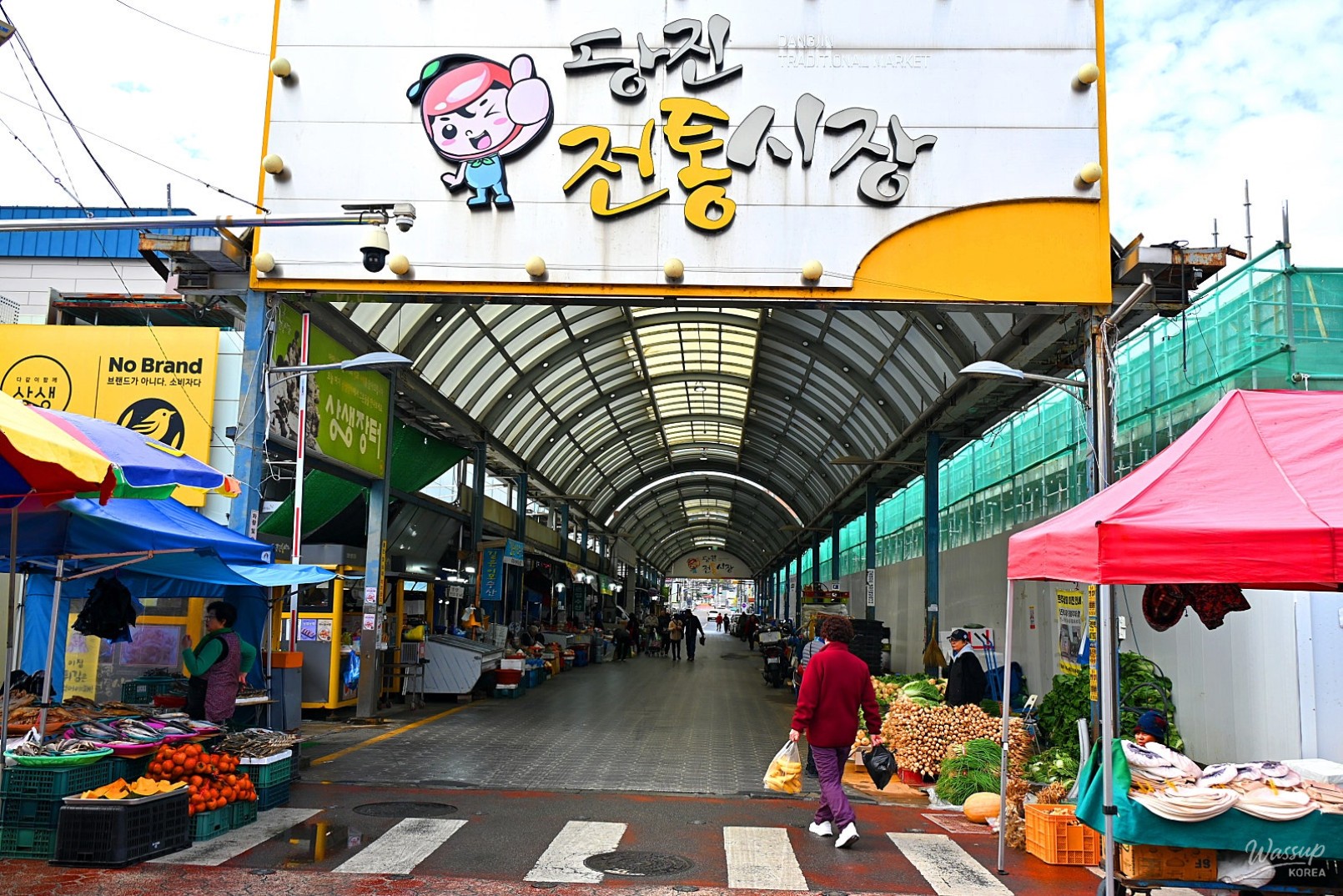
After parking at the public parking lot of the Dangjin Traditional Market, I headed to the temporary market.
The Dangjin Traditional Market has suffered from several floods, leading to significant damage for the vendors, prompting the decision to build a new market.
The current temporary market is somewhat smaller, but it is bustling with activity as new buildings are being constructed as part of the market's redevelopment project.
The city of Dangjin is working on renovations to address the aging infrastructure and safety concerns of the traditional market, with plans to complete the project by February 2027, although delays may occur.
The temporary market serves as a transitional commercial space, maintaining the functions of the traditional market while evolving into a new one.
The Dangjin Traditional Market is a lively place with many people and a variety of goods.
Established during the Joseon Dynasty, it combines permanent, fish, regular, and produce markets, opening as a unified market in the 1970s, boasting over 50 years of history.
Traditionally, it has been held every five days, known as the "oil market."
Before modern permanent markets emerged, this trading venue was formed and continues to operate steadily.
Fruits and vegetables here are often fresher and cheaper than at large discount stores.
In Dangjin, there are several oil markets, including Dangjinjang, Hapdeokjang, and Sinpyeongjang, each operating on specific days of the month.
As mid-November approaches, preparations for kimjang begin, with many people already gathering ingredients.
Despite the convenience of department stores and large discount outlets today, the charm of the oil market remains.
In the past, on market days, people would seek out the oil market to buy desired goods or sell produce they had grown or fish they had caught.
While the oil market was once essential to residents, its role has diminished over time, yet many still gather to sell their produce on market days.
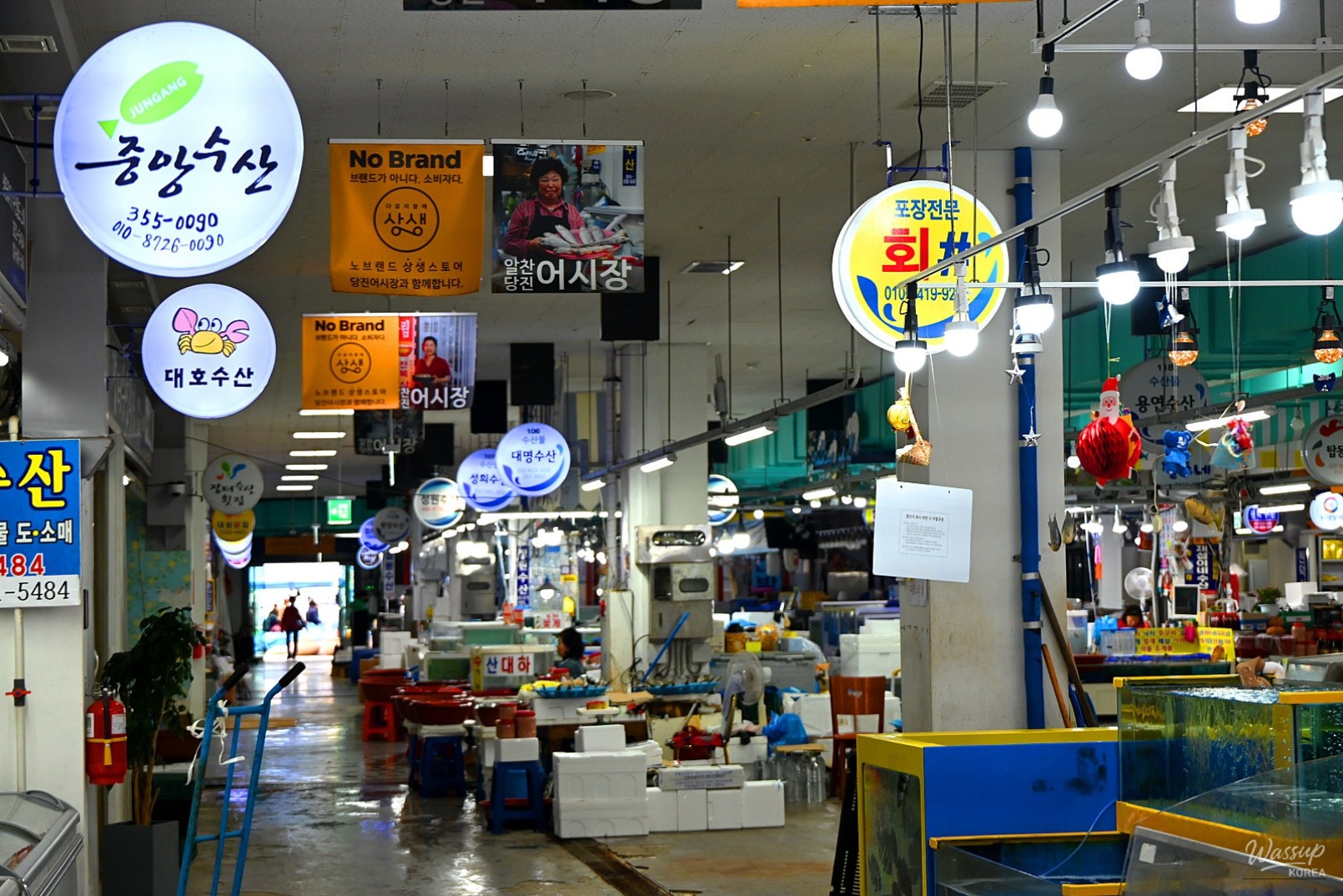
Being close to the sea, Dangjin offers a variety of seafood, including crabs, mackerel, and more.
The market is filled with fresh seafood, and many visitors come to enjoy delicious meals.
Walking around the market, I indulged in traditional snacks while reminiscing about the past.
The market is a delightful place to explore, filled with various food options and fresh produce.
The Dangjin Traditional Market is a vibrant hub for both locals and visitors.

Source :https://blog.naver.com/dangjin2030/224472935267
More from Travel






No comments yet.