Hiking Course Recommendation in Jinju, Gyeongnam: A Review of Climbing Janggun Daebong Peak on Wolah Mountain



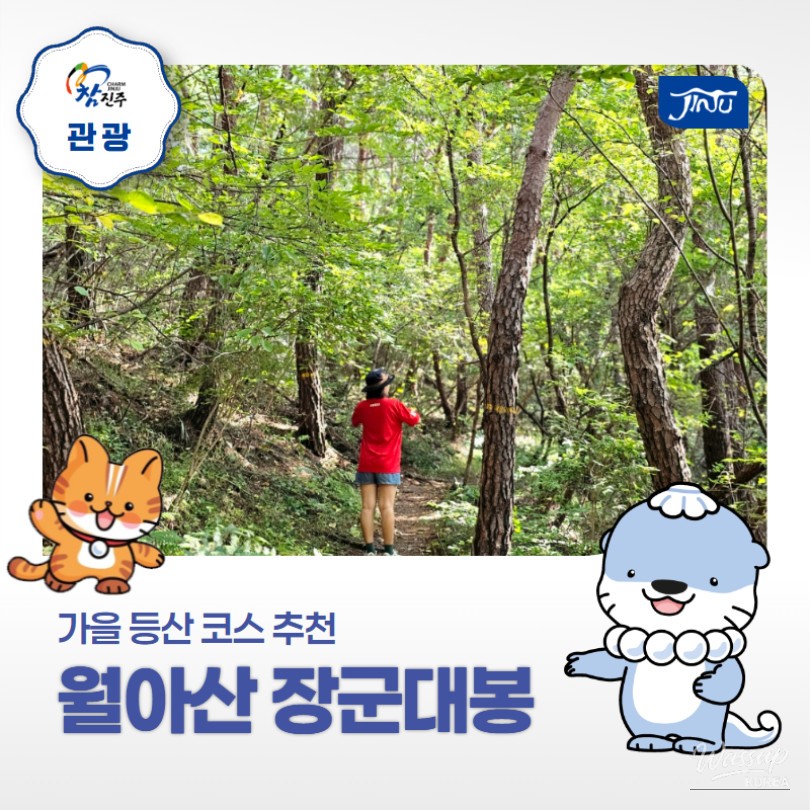
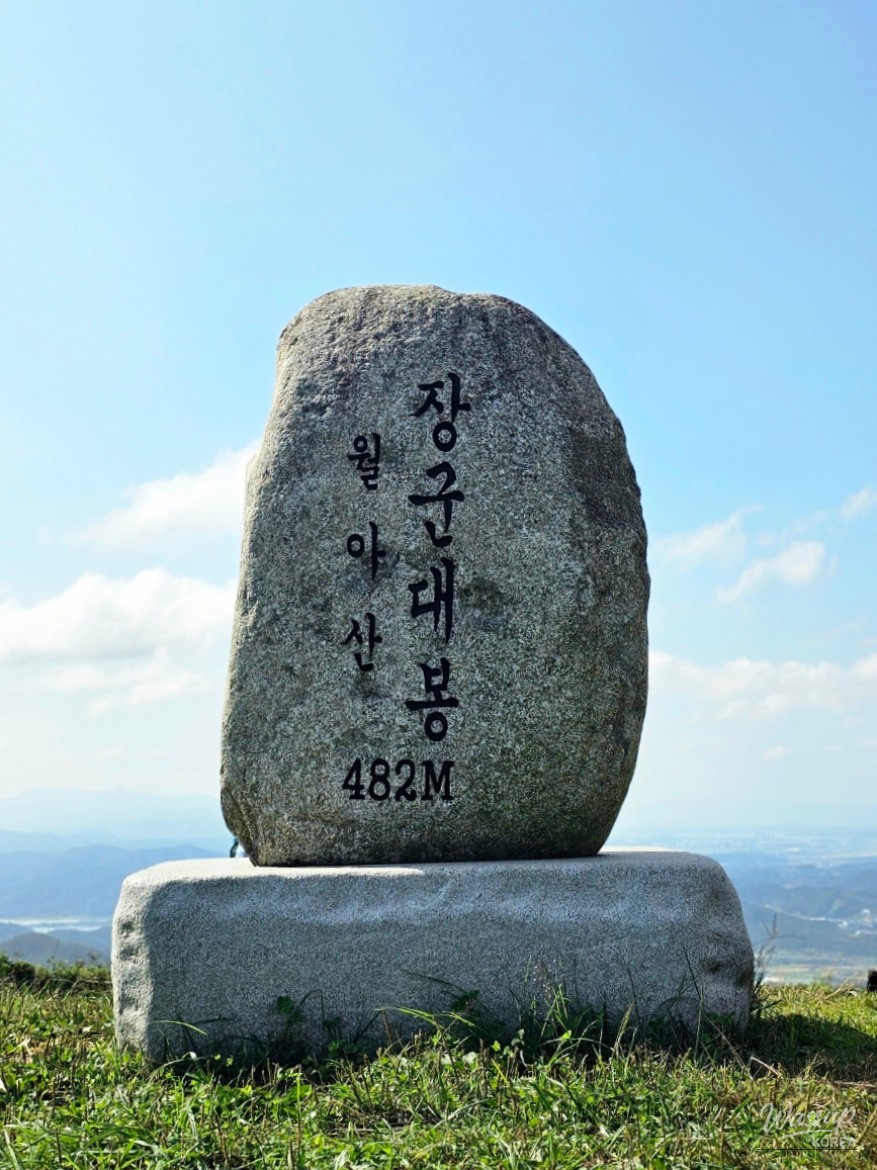
Autumn is here, with its high, clear skies and pleasant weather perfect for hiking! Wolah Mountain is a prominent mountain in Jinju, featuring two peaks: Janggun Daebong and Guksabong. I recently hiked Janggun Daebong, which stands at 482m above sea level, with my child. I'd like to introduce the Wolah Mountain Janggun Daebong trekking course in Jinju, where you can fully enjoy the autumn scenery.
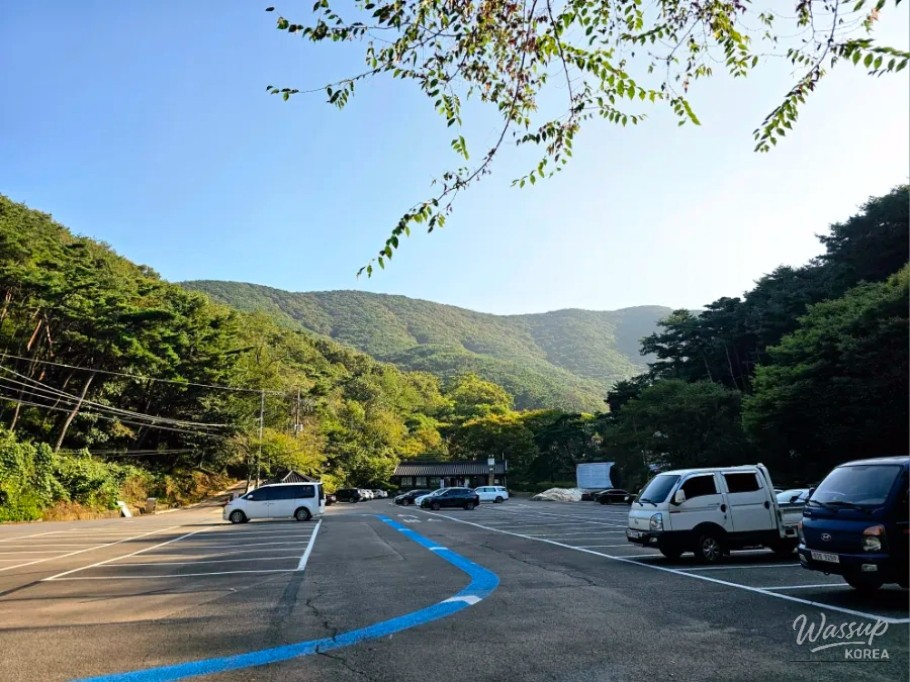
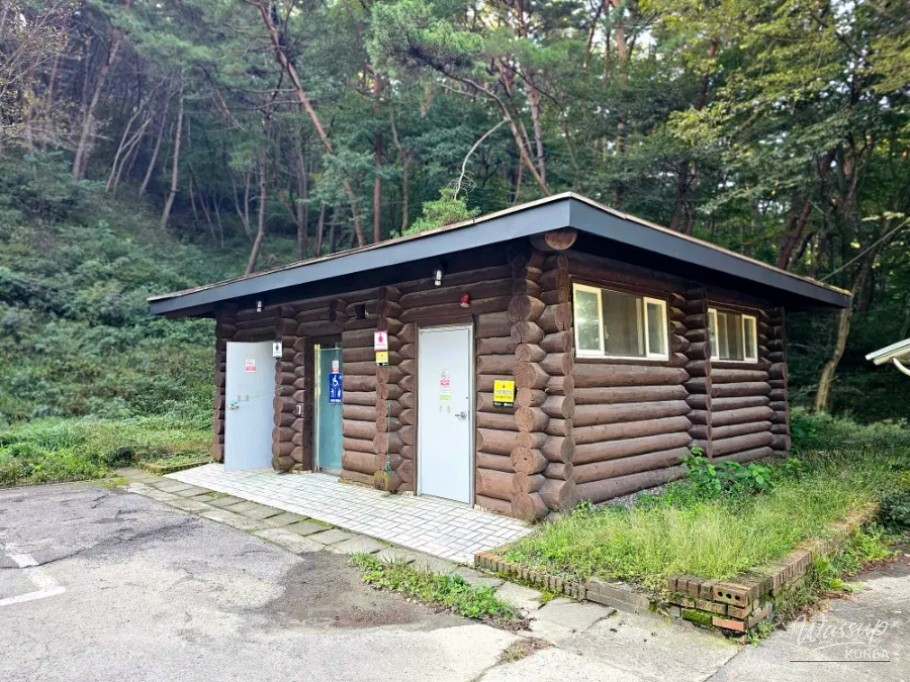
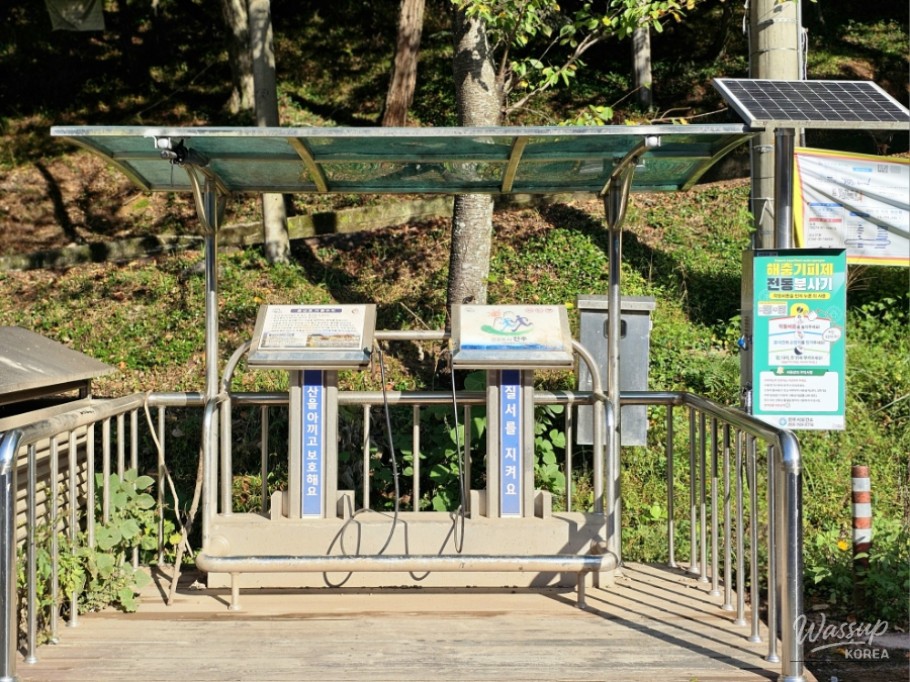
If you search for Cheonggoksa Temple Parking Lot in your navigation system, you'll find a spacious parking area with convenient facilities such as restrooms, a store, and a dust removal station.
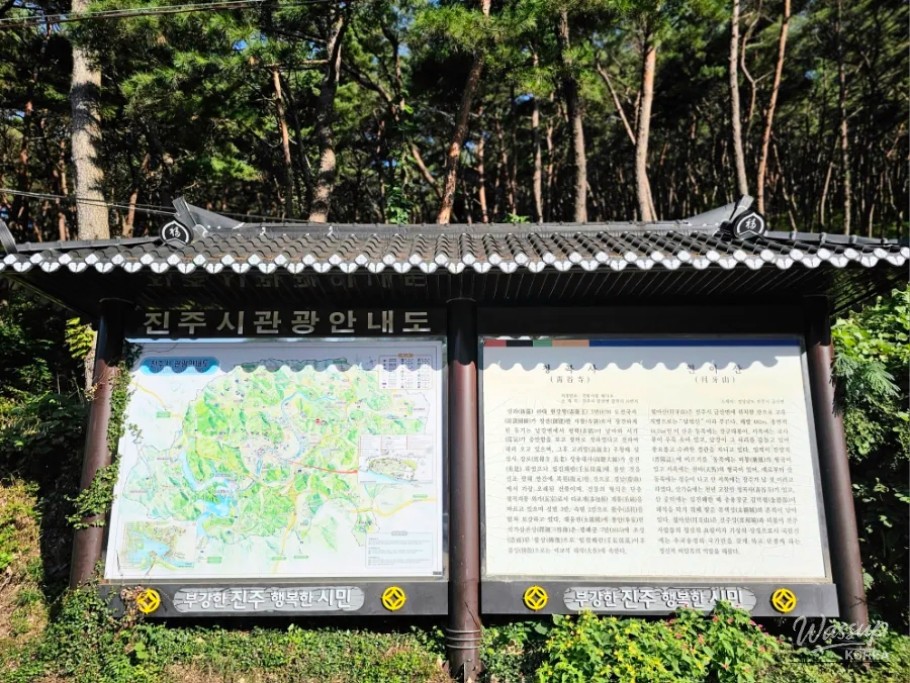
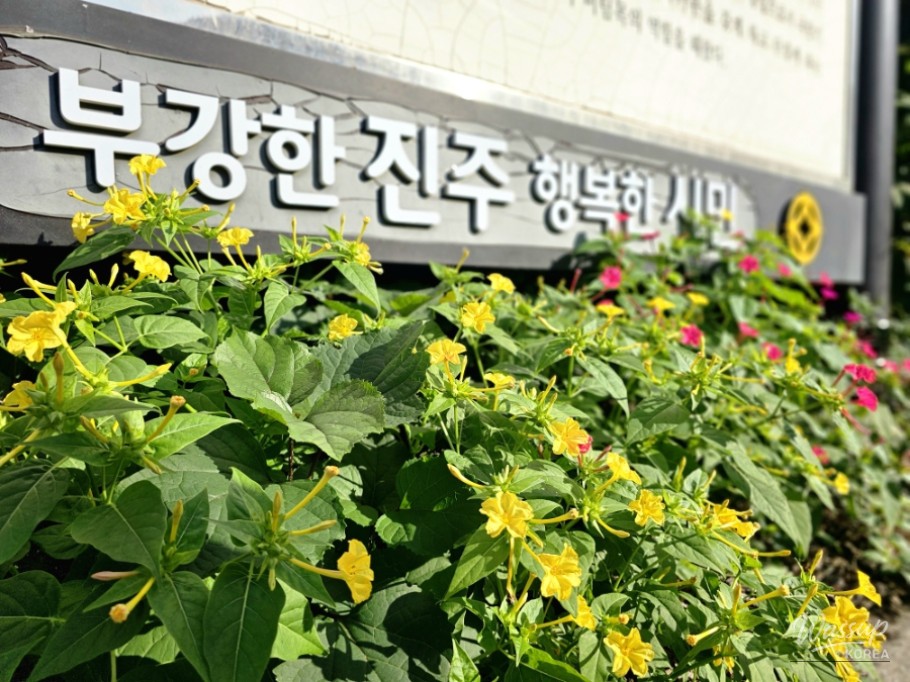
Wolah Mountain, also known as Dareomsan from ancient times, is the 7th of the 8 scenic views of Jinju, thanks to the beautiful sight of the full moon rising between the two peaks and reflecting on Geumhoji Pond. Below the Jinju City tourist map, yellow and pink four o'clock flowers seem to cheer on the start of your hike.
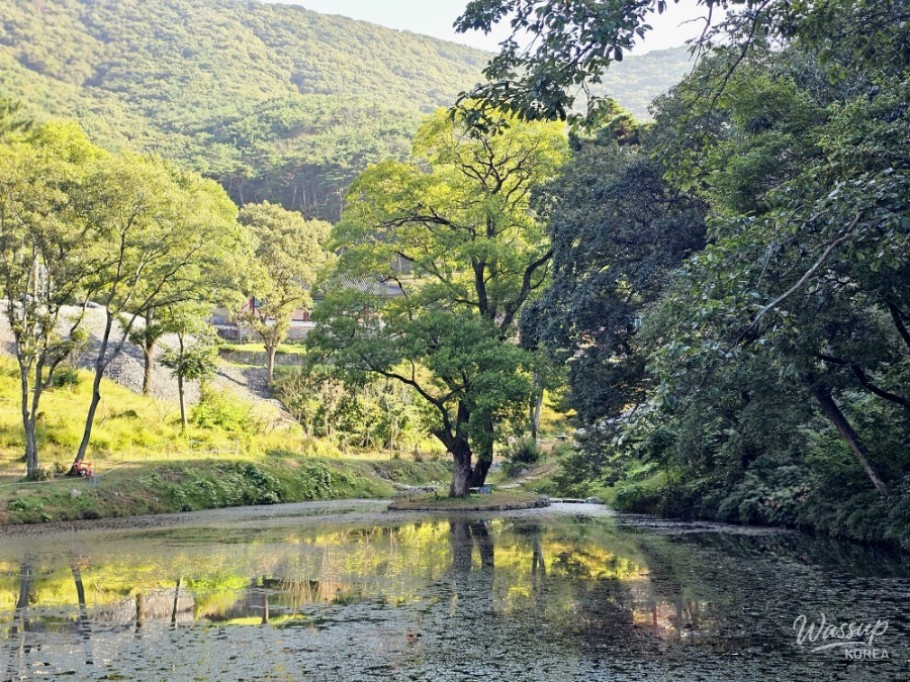
A few minutes past the Cheonggoksa Temple parking lot, you'll come across Hagyeongji Pond, which recently hosted the Cheonggoksa Falling Flower Festival.
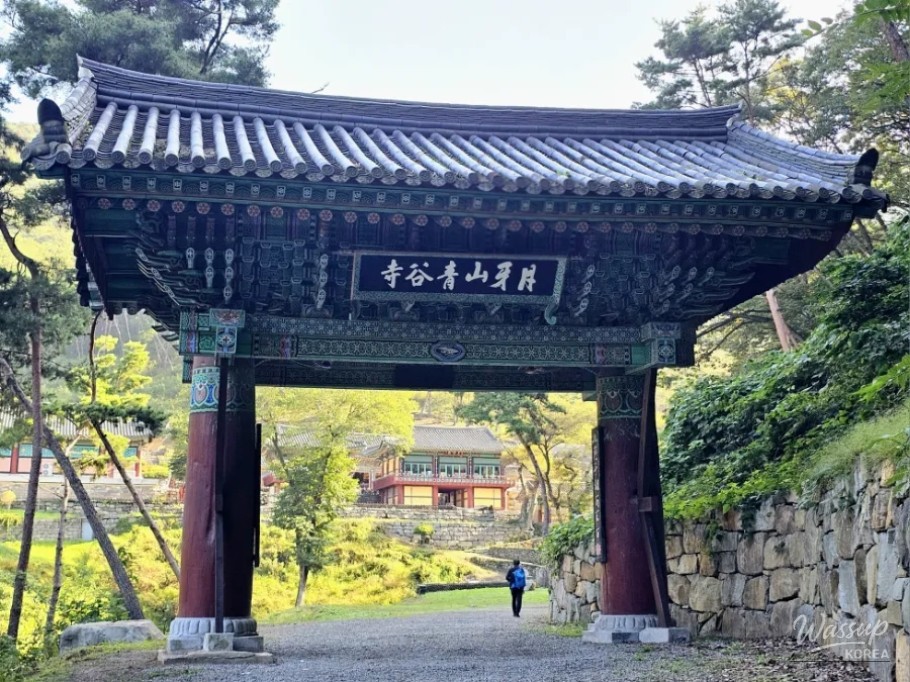
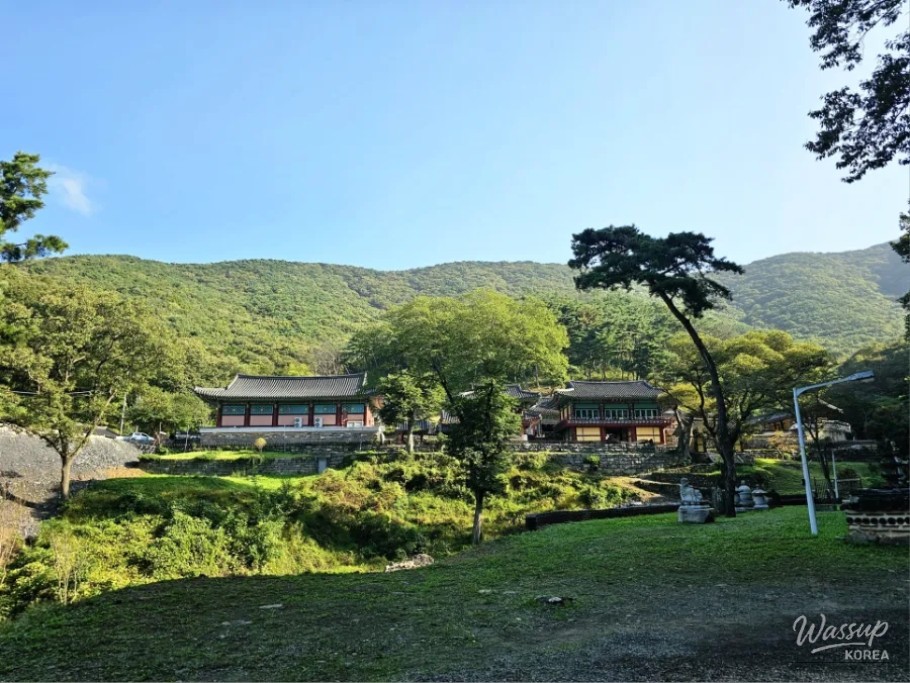
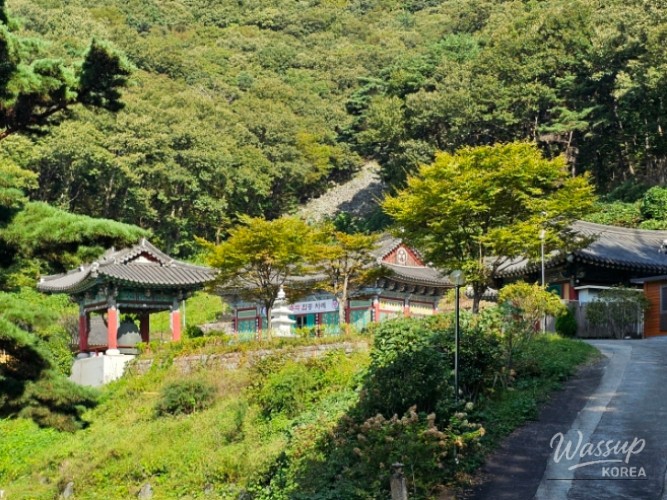
We passed through the Cheonggoksa Iljumun Gate. Cheonggoksa is an ancient temple founded by Monk Doseon during the Unified Silla period. It is home to Jinju's only National Treasure, the Yeongsanhoe Gwaebultaeng (a large Buddhist painting used during outdoor ceremonies).
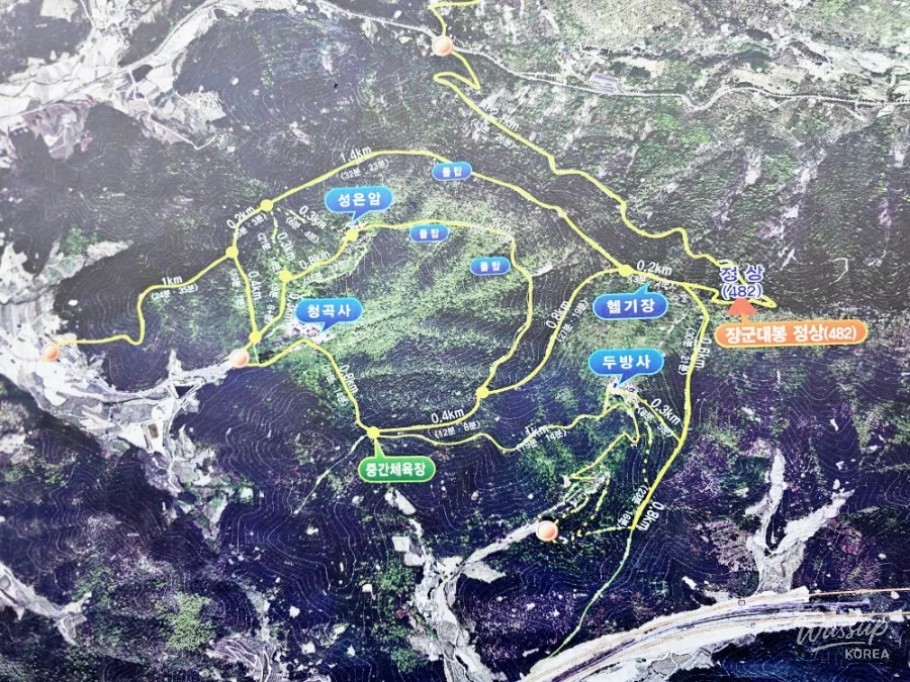
Today's hiking course is: Cheonggoksa Temple (trailhead) - Intermediate Exercise Facilities - Dubangsa Temple - Janggun Daebong Peak (summit) - Heliport - Seongeunam Temple Intersection - Intermediate Exercise Facilities - Cheonggoksa Temple (starting point). The total distance is about 4.5km, and the estimated time is about 1 hour and 30 minutes to ascend and 1 hour to descend, including rest time, for a total of about 2 hours and 30 minutes. Please note that this may vary depending on your physical condition and circumstances.
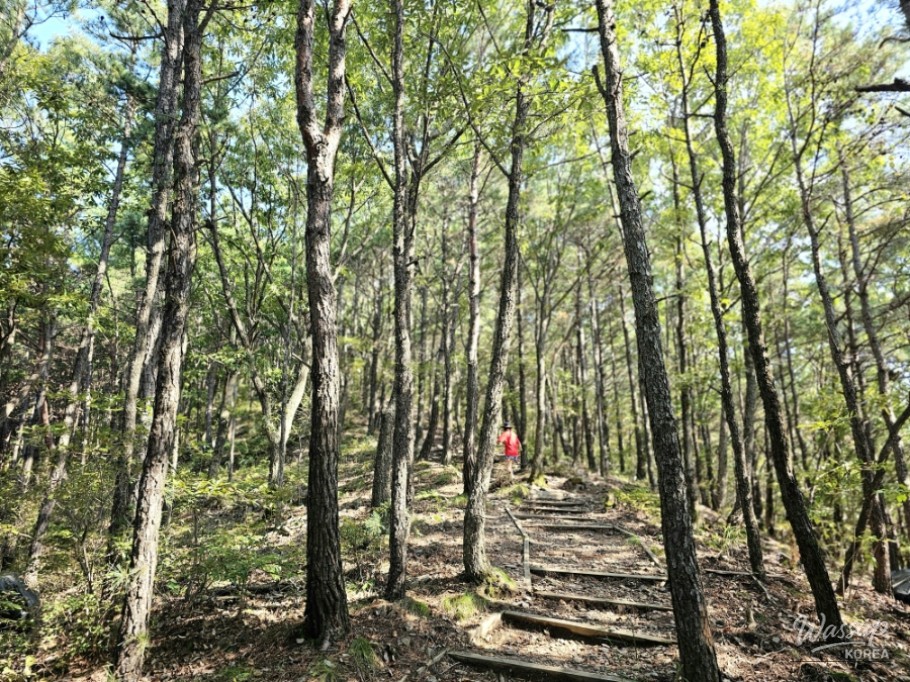
The wooden stairs to the right of Cheonggoksa Temple mark the trailhead for today's hike. We hiked with our elementary school child and began to ascend the mountain in earnest.
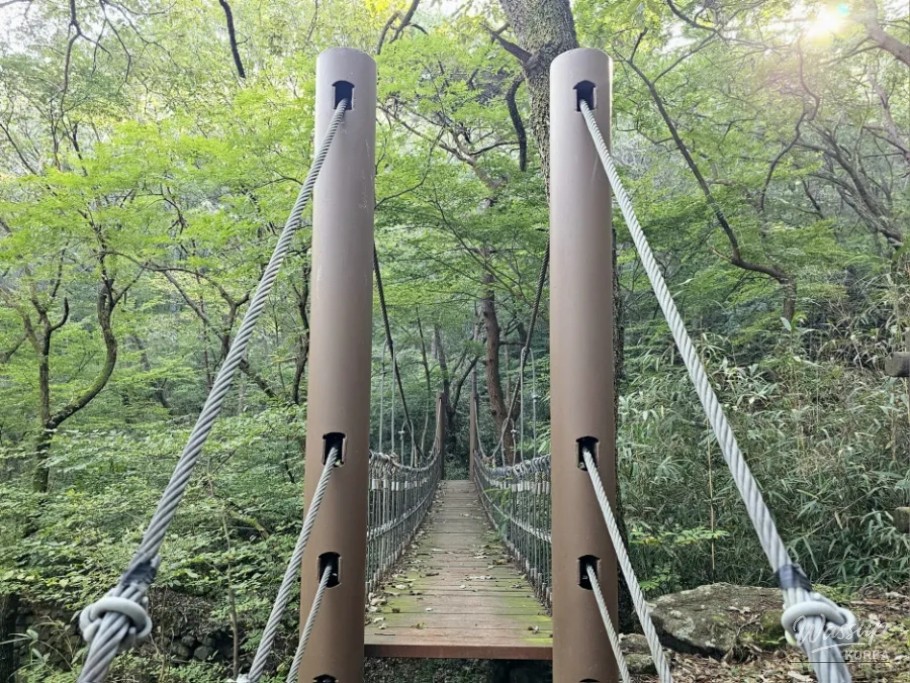
A little further up, there is a suspension bridge on the left. It is 1m wide and 18m long, and it is recommended to cross one person at a time. From the suspension bridge, go up another 580m.
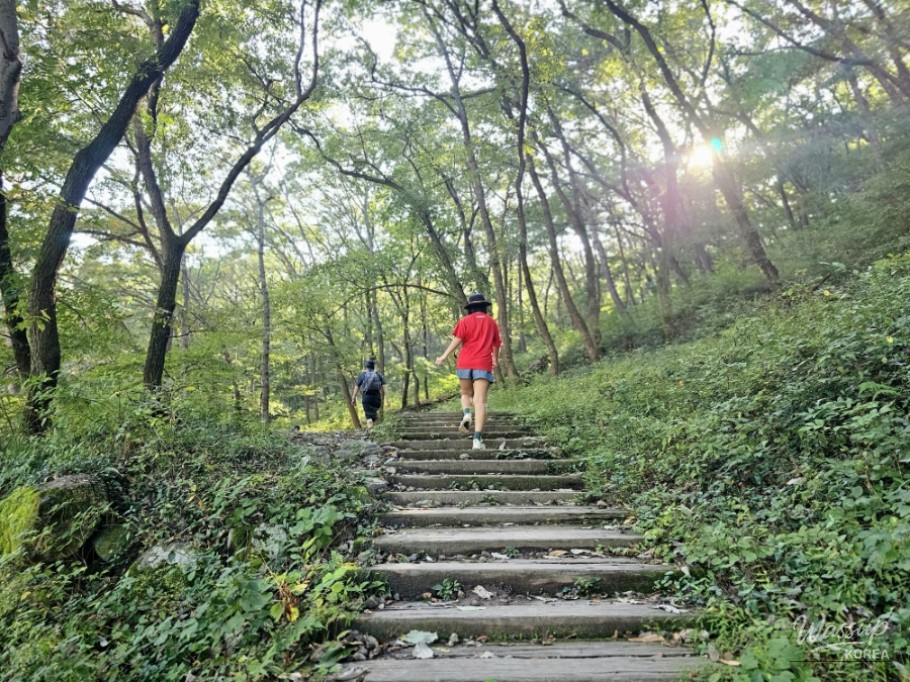
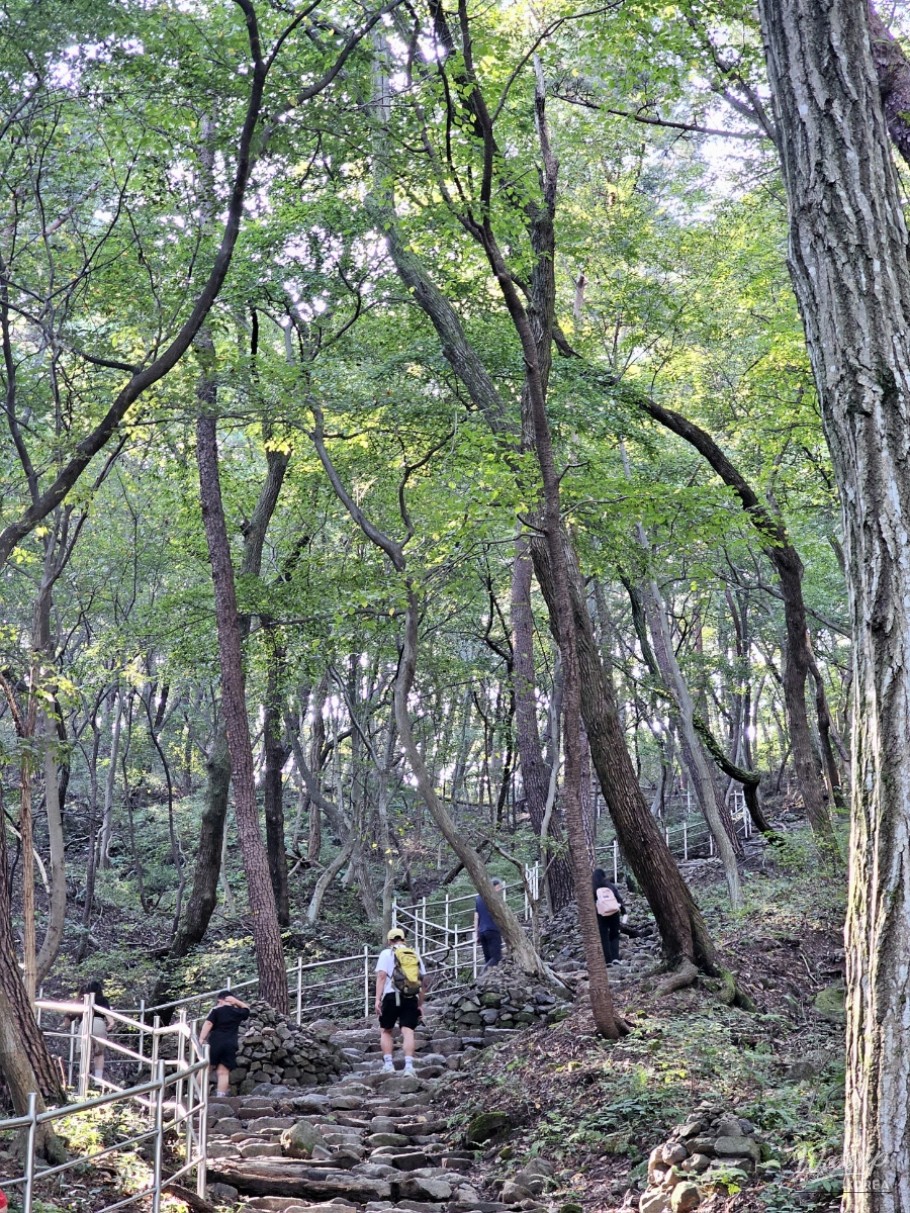
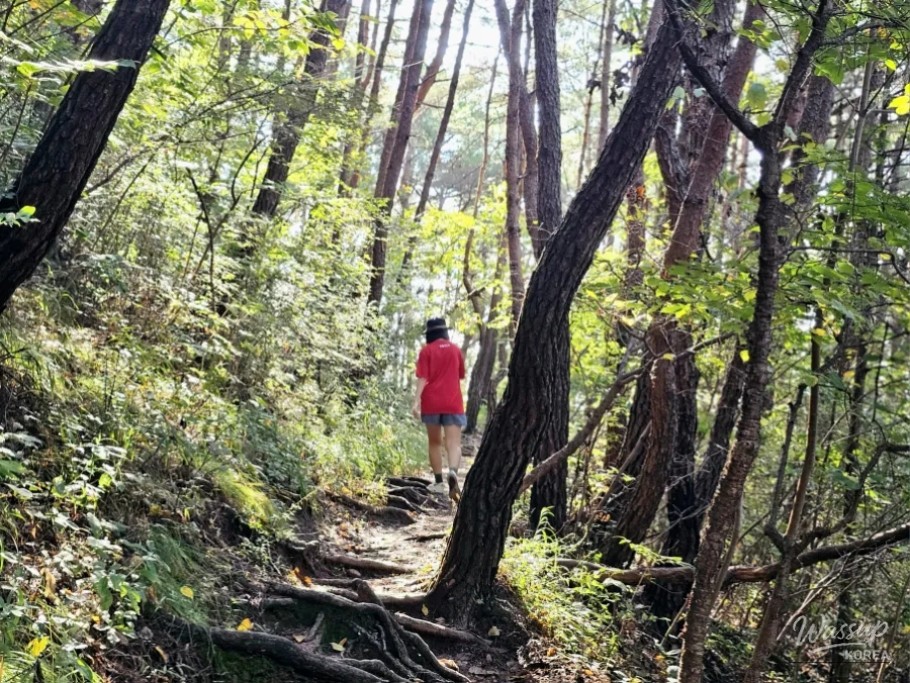
It can be a bit challenging due to the slight uphill slope. A stone staircase with a railing on the left continues. With the arrival of autumn, we saw families hiking with their children.
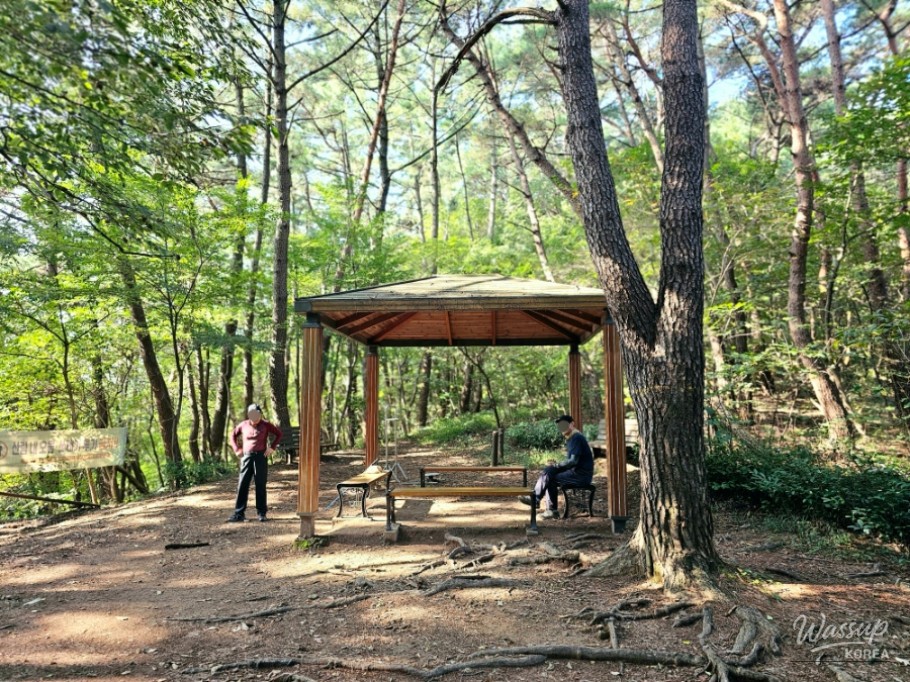
This is the intermediate exercise facility area. There is a pavilion, benches, and exercise equipment. It's a good place to drink water and catch your breath.
The shortest route to Wolah Mountain Janggun Daebong Peak is the course that goes directly to the summit (1.4km) from this intermediate exercise facility.
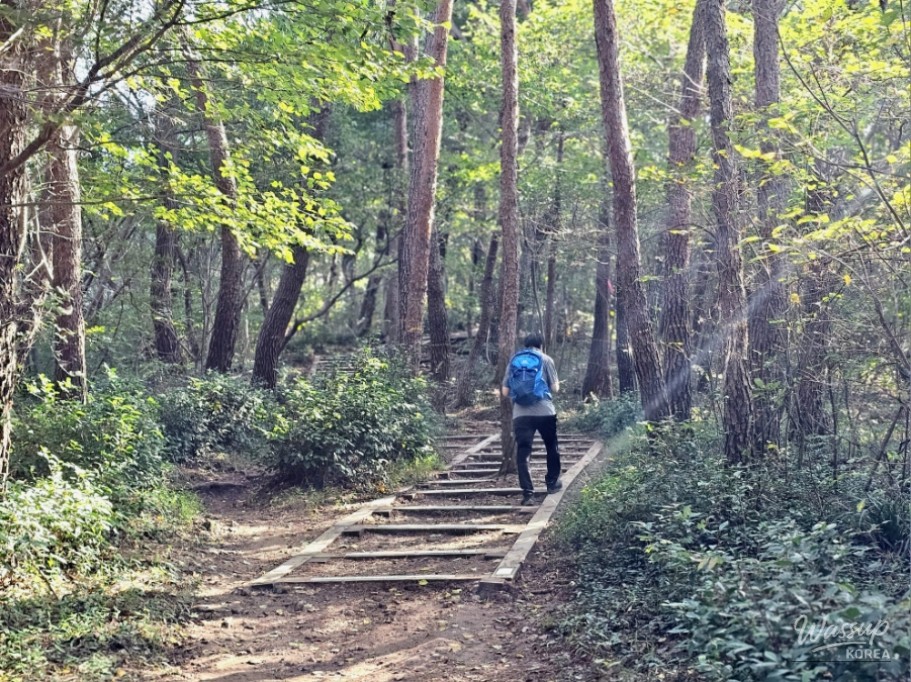
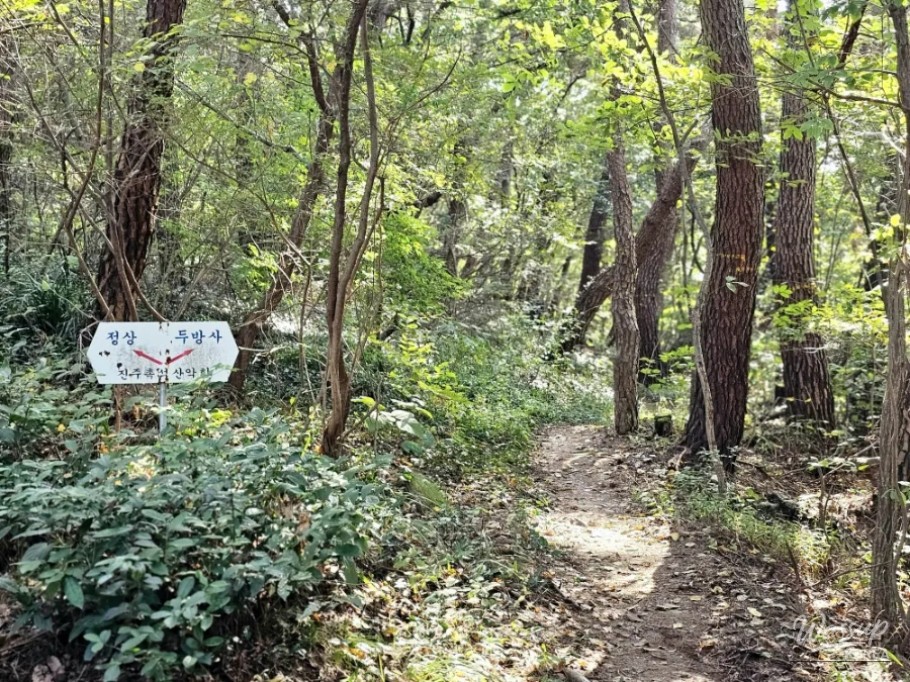
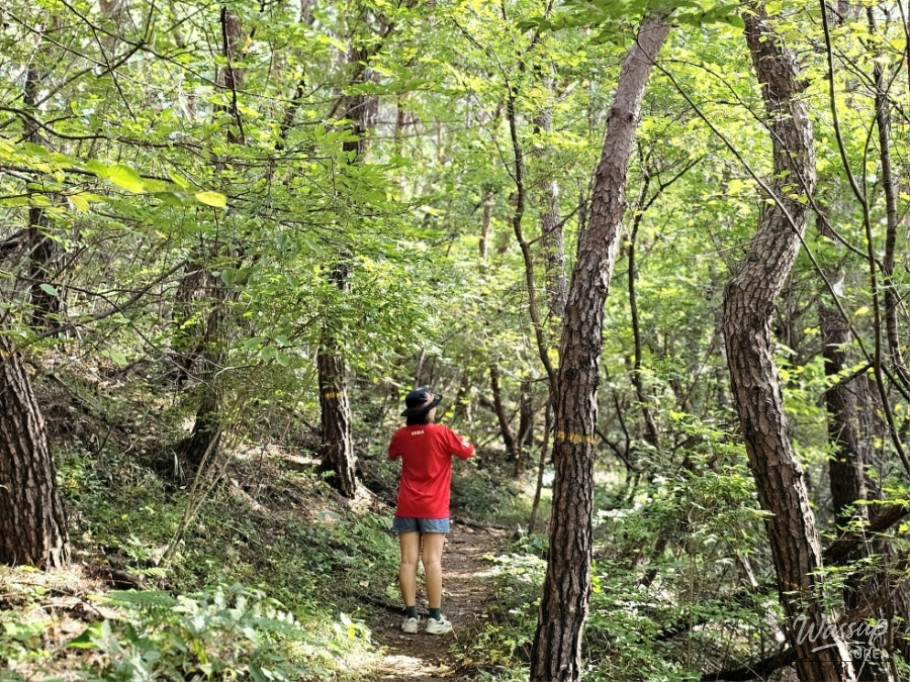
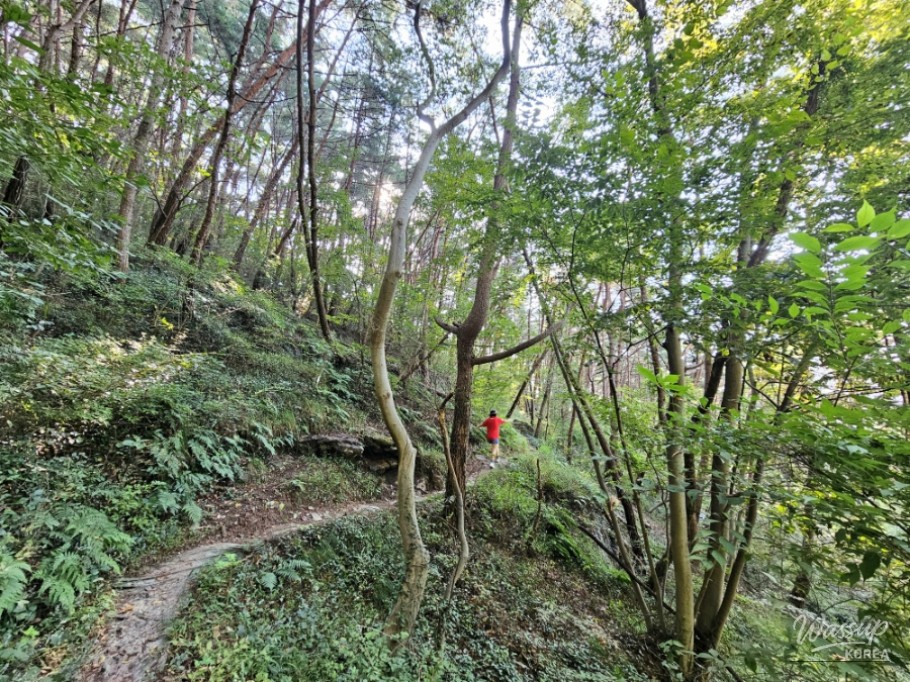
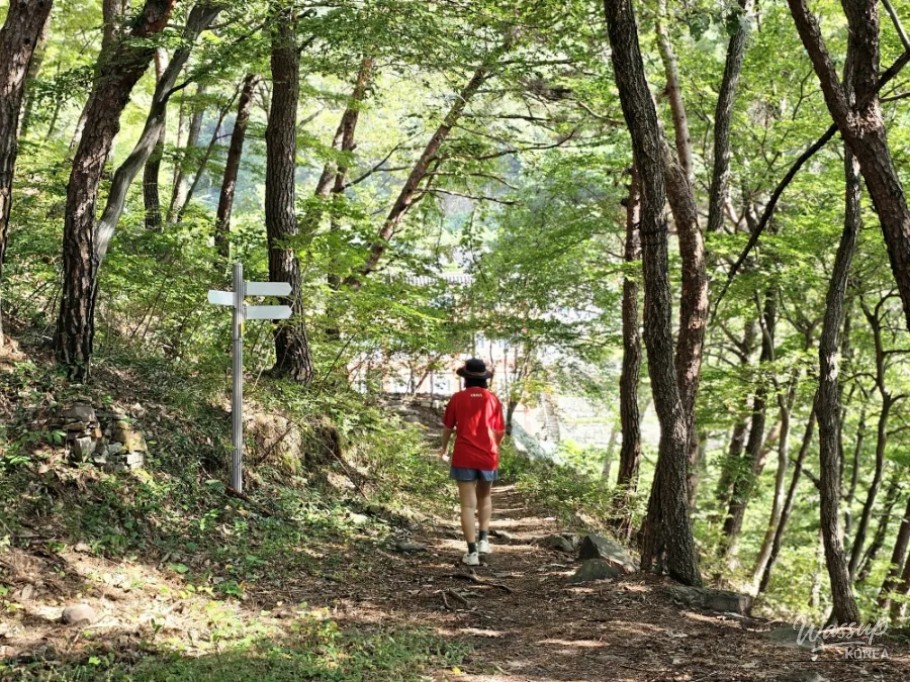
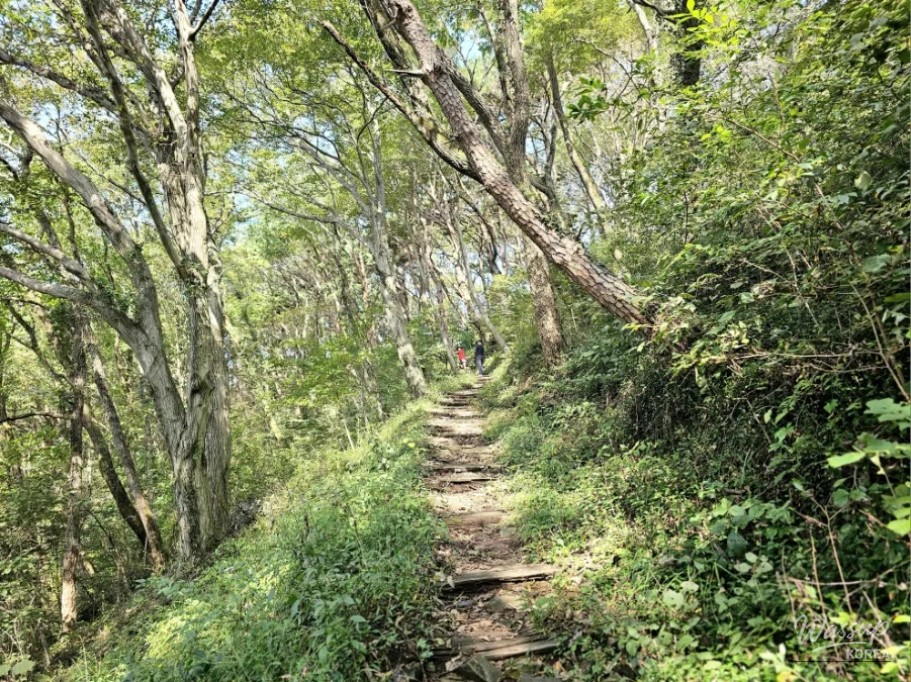
At this fork, we chose the course that goes to Dubangsa Temple on the left. The distance to Dubangsa Temple is 1km, and it is mostly a gentle slope with a pretty forest path.
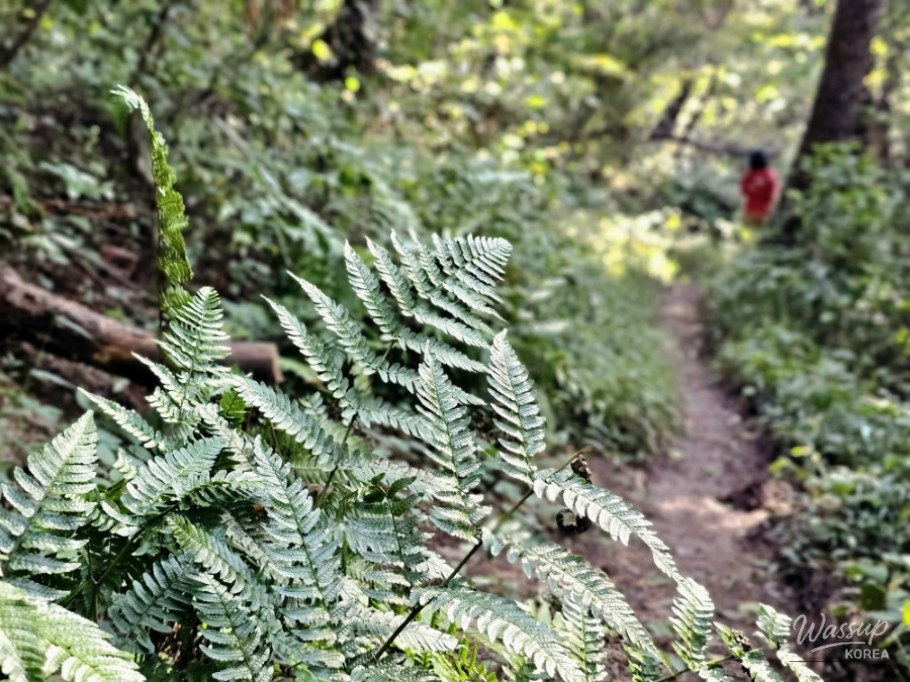
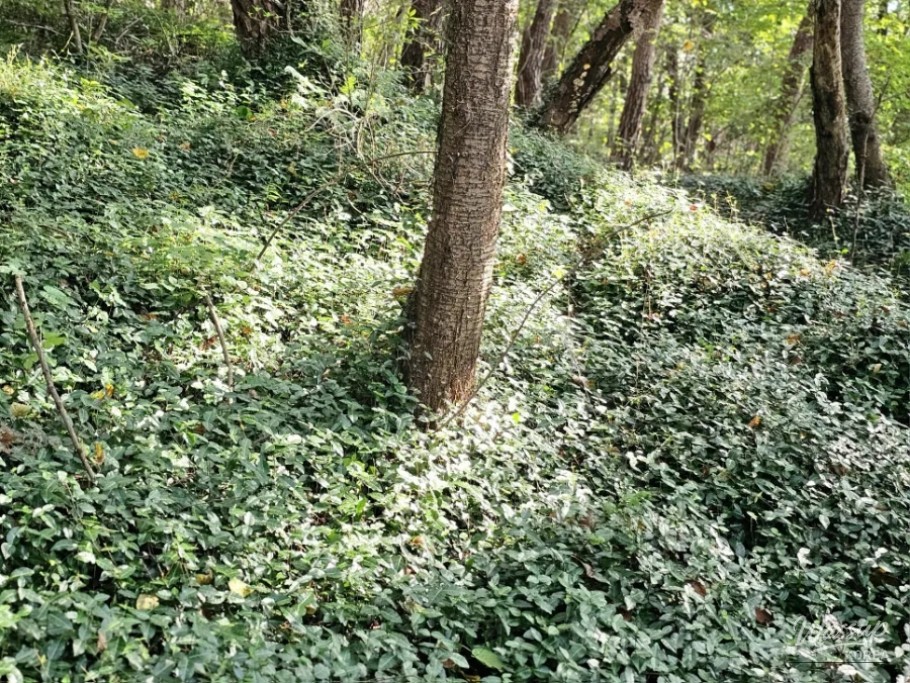
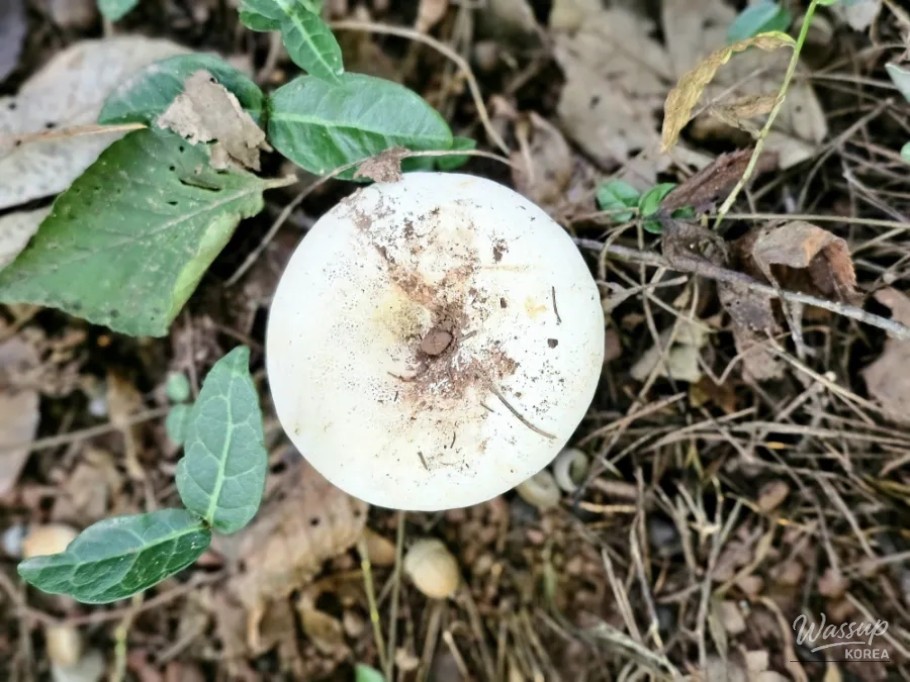
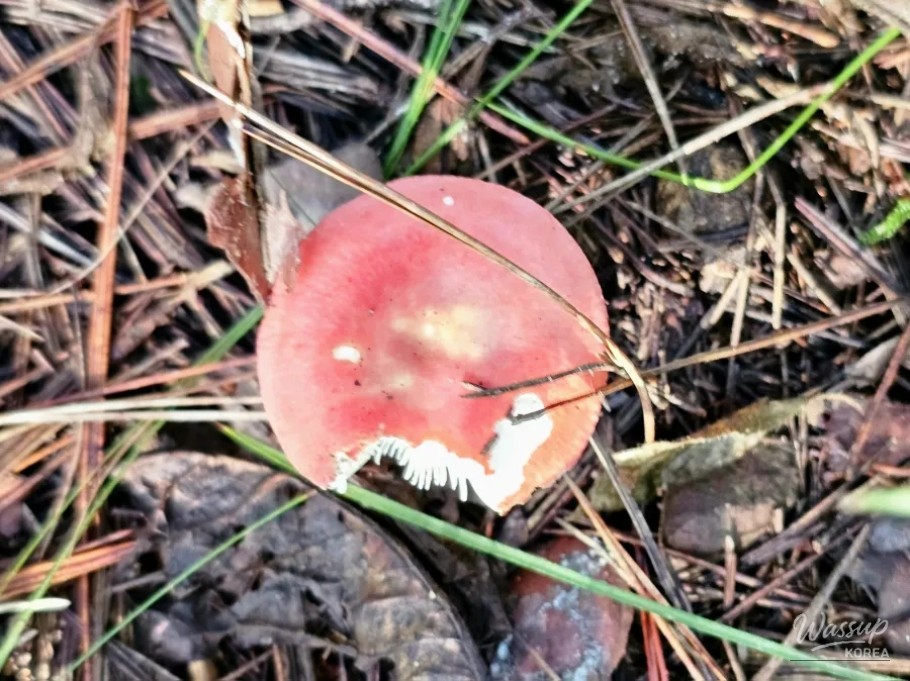
On the way to Dubangsa Temple, you can see ferns, Asiatic jasmine, and various types of mushrooms.
After a hot and long summer, it's the perfect season for hiking with the arrival of the cool autumn. I think more people will be visiting the mountains like this when the leaves change color soon.
You can reach Dubangsa Temple quickly, as if you were taking a walk. It is the easiest section.
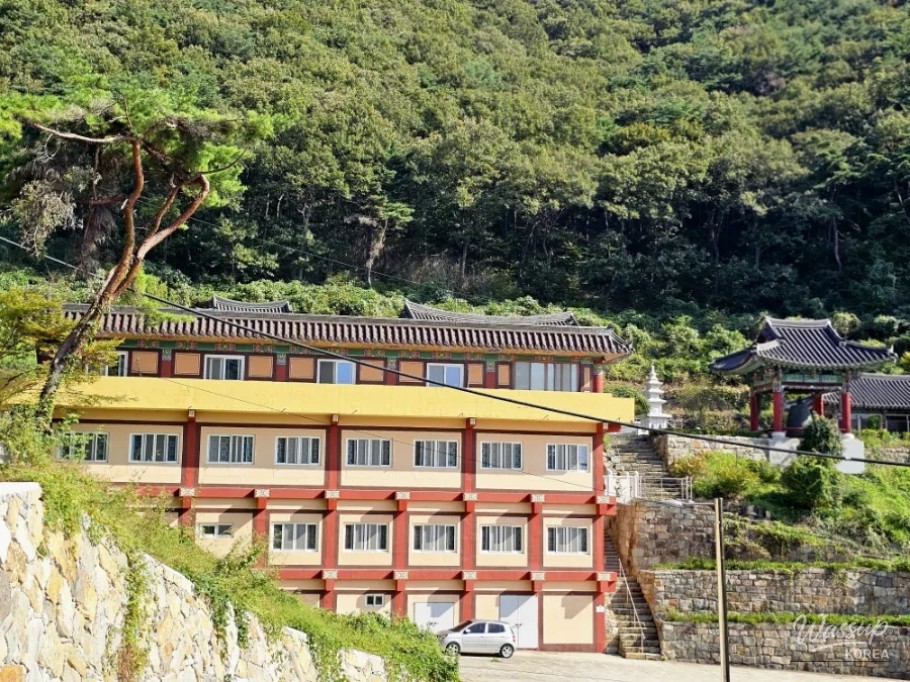
There is a multi-story stone pagoda built during the Silla Dynasty at Dubangsa Temple, so I recommend taking your time to look around.
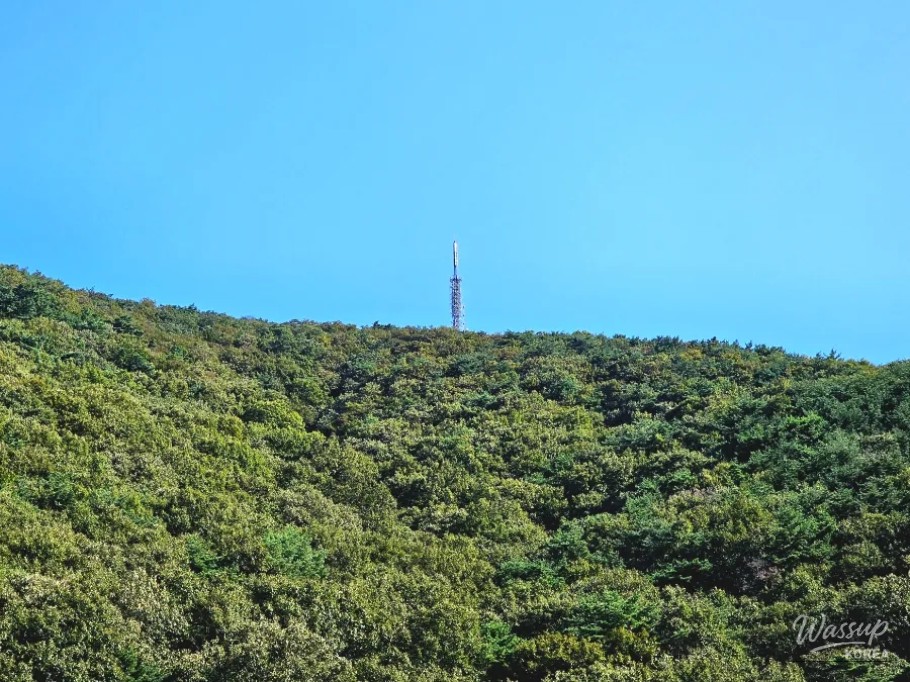
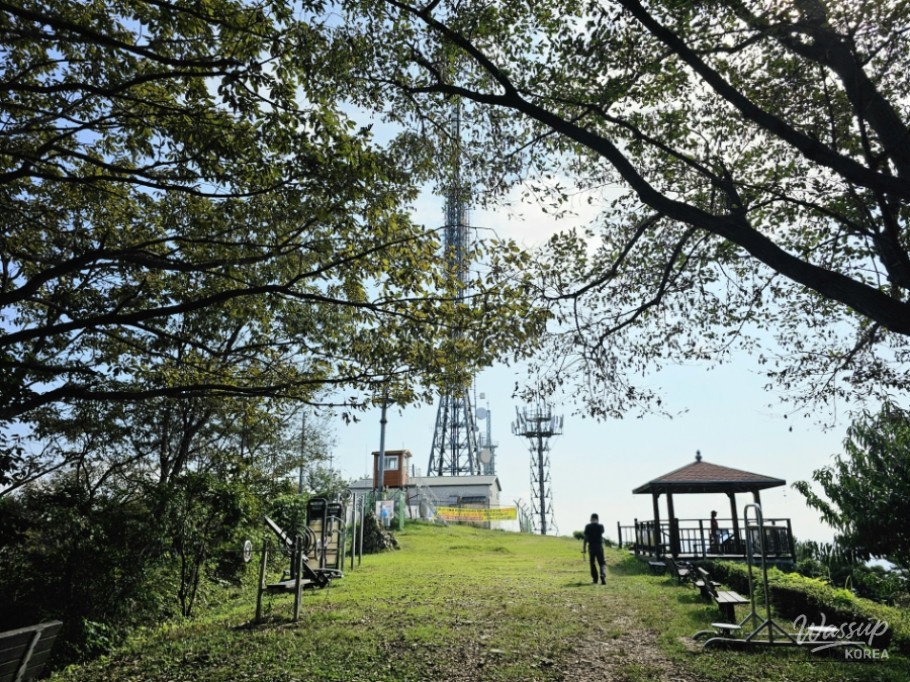
Above Dubangsa Temple, you can see the communication tower on the summit of Wolah Mountain Janggun Daebong Peak. We're almost there!
But from now on, it's the most difficult part of today's hike. The distance to the summit is short at 850m, but there is a continuous steep slope. It's a good idea to prepare water and snacks to replenish your energy in advance.
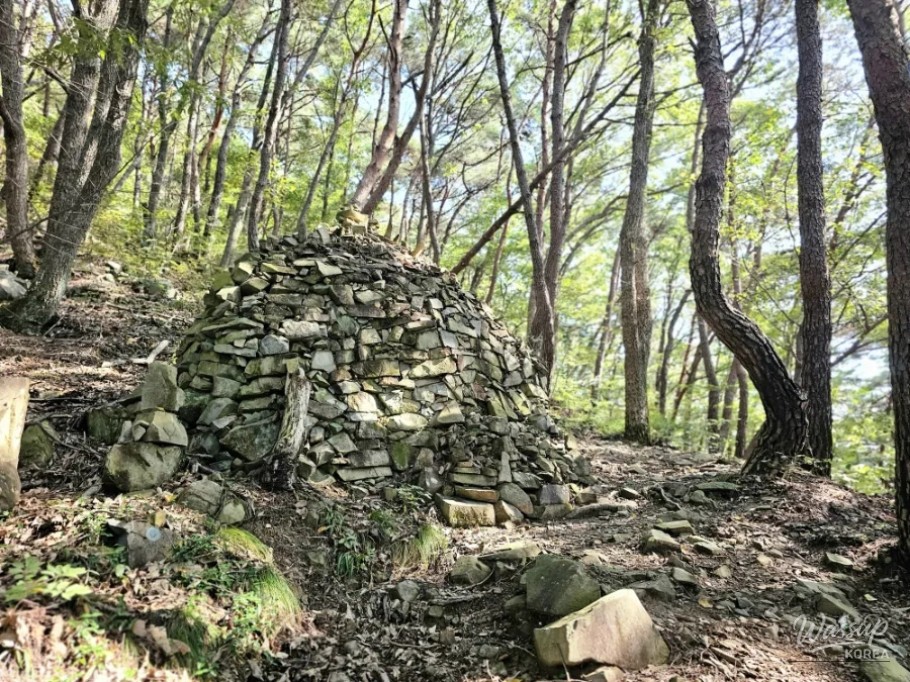
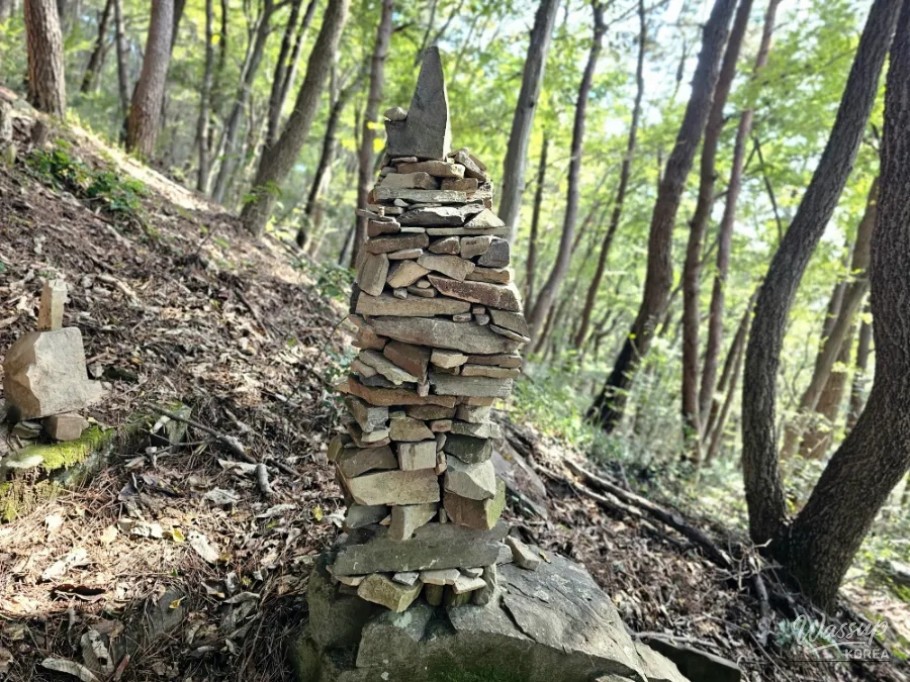
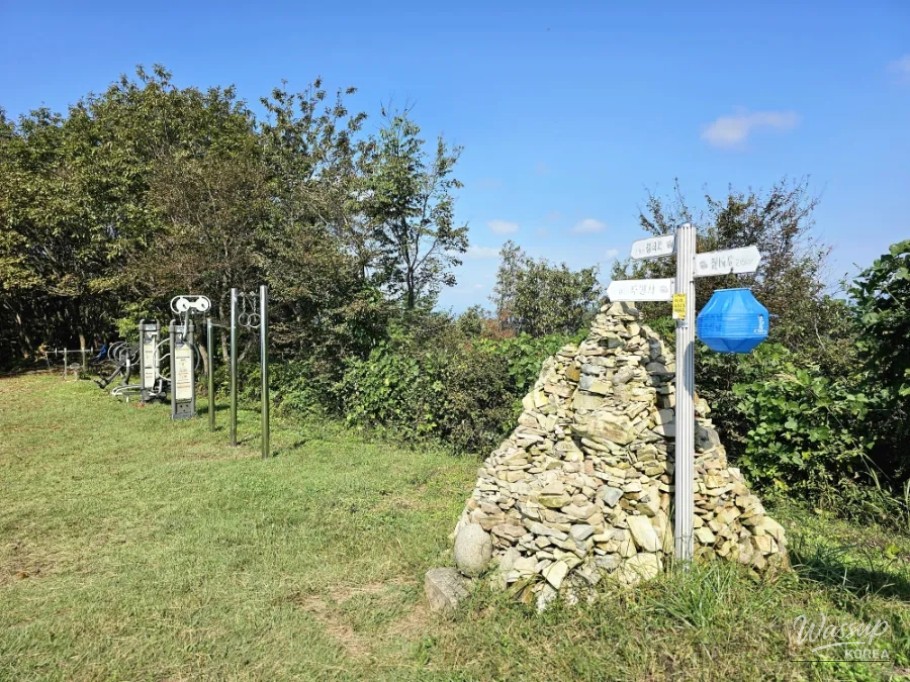
I saw a lot of stone towers on the way from Dubangsa Temple to Janggun Daebong Peak. I could feel the hearts of those who built them with care, filled with wishes. Stone towers encountered during a hike also serve as signposts.
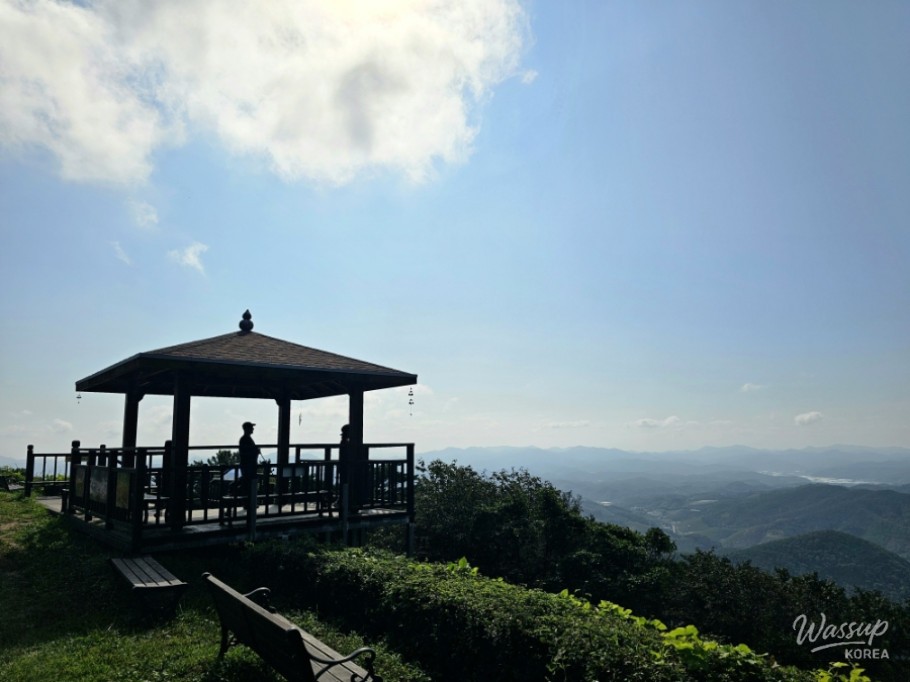
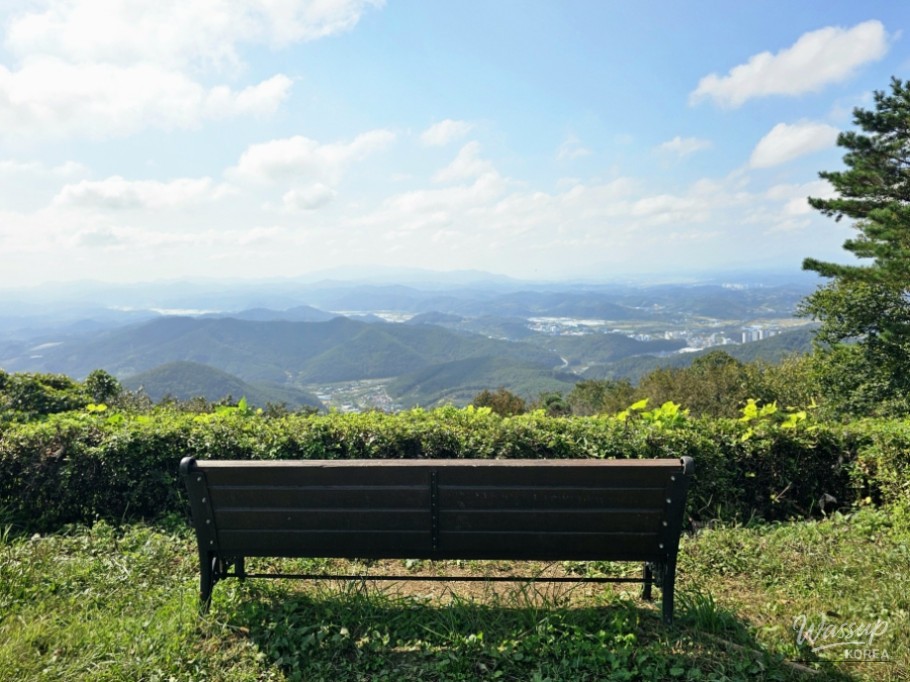
Finally, we arrived at the summit of Wolah Mountain Janggun Daebong Peak. There is a transmission tower, a pavilion, benches, exercise equipment, and stone towers.
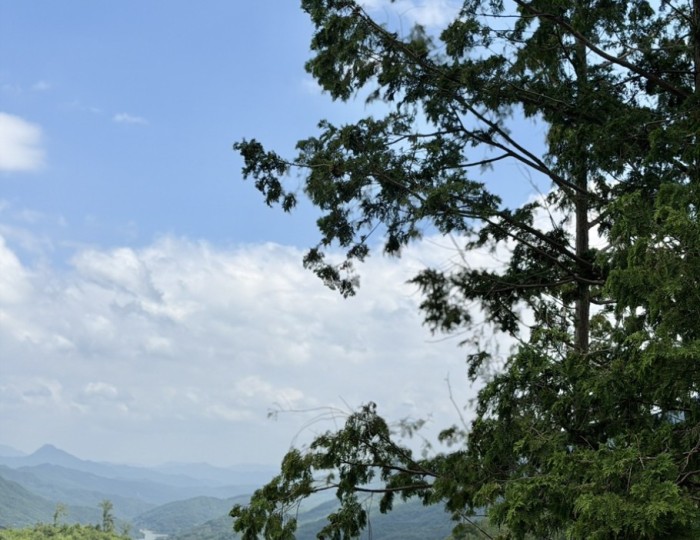
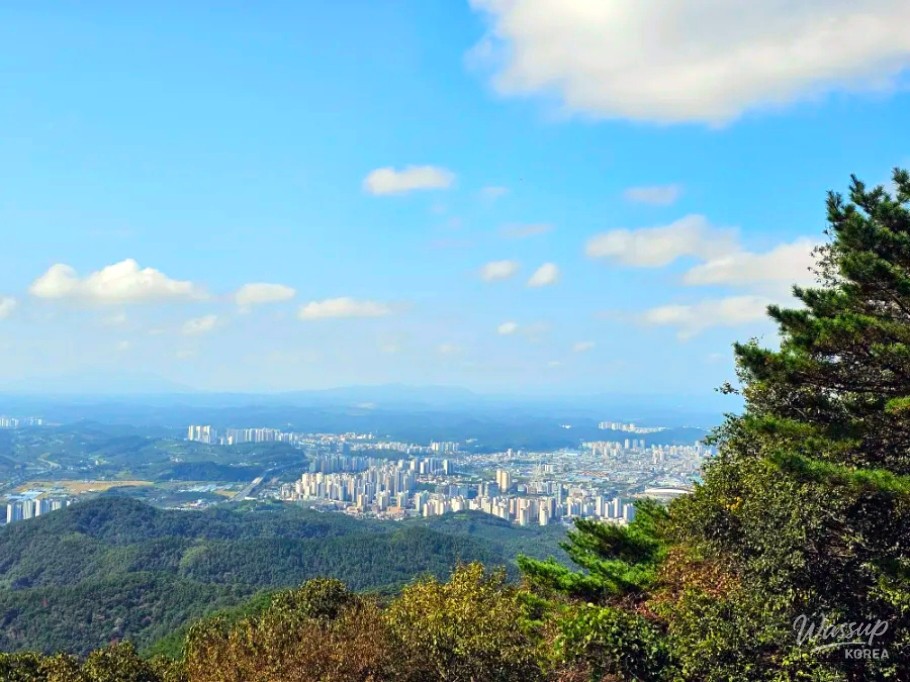
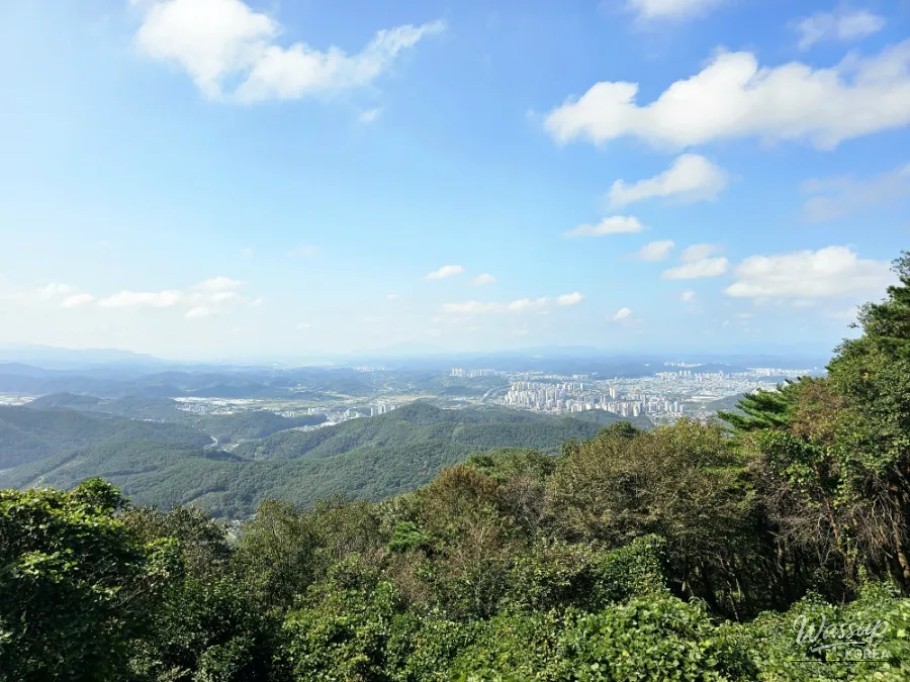
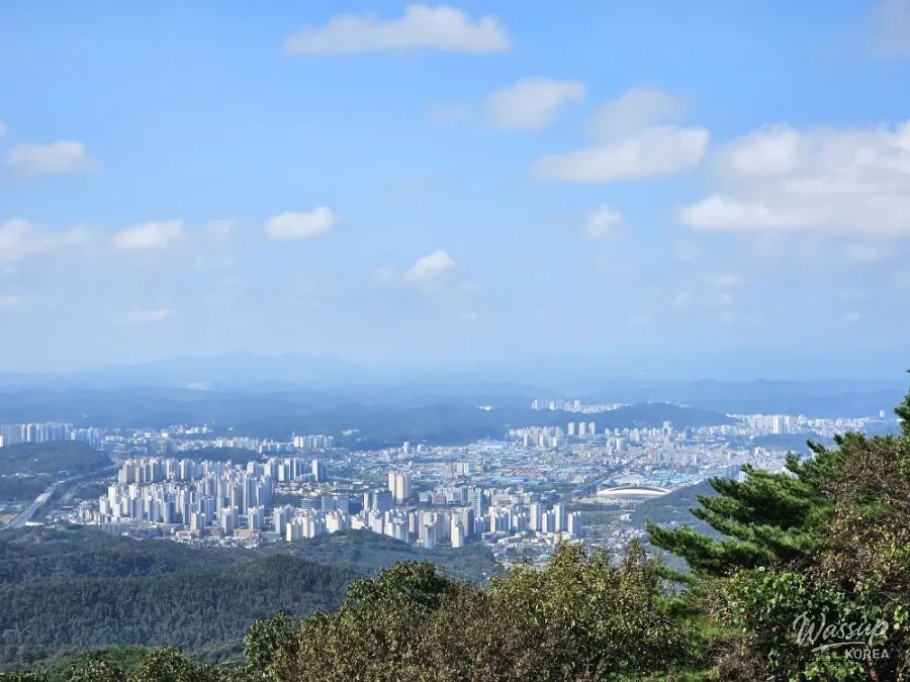
Wow! This is why people hike. I was able to see the Jinju city and innovation city, and the famous mountains such as Sacheon's Waryongsan, the southern coast, and Hadong Geumosan at a glance. It was a healing moment.
I recommend choosing a clear and bright autumn day to climb the Jinju Wolah Mountain Janggun Daebong hiking course. It is not too high, so I was able to climb with my child. This fall, I hope you can take care of conversation, contemplation, healing, and health while climbing the mountain.

Source :https://blog.naver.com/pearl286/224043448323
No comments yet.