Exploring the Pterosaur Footprints Exhibition in Jinju



Discovering the Pterosaur Footprints with Children in Jinju
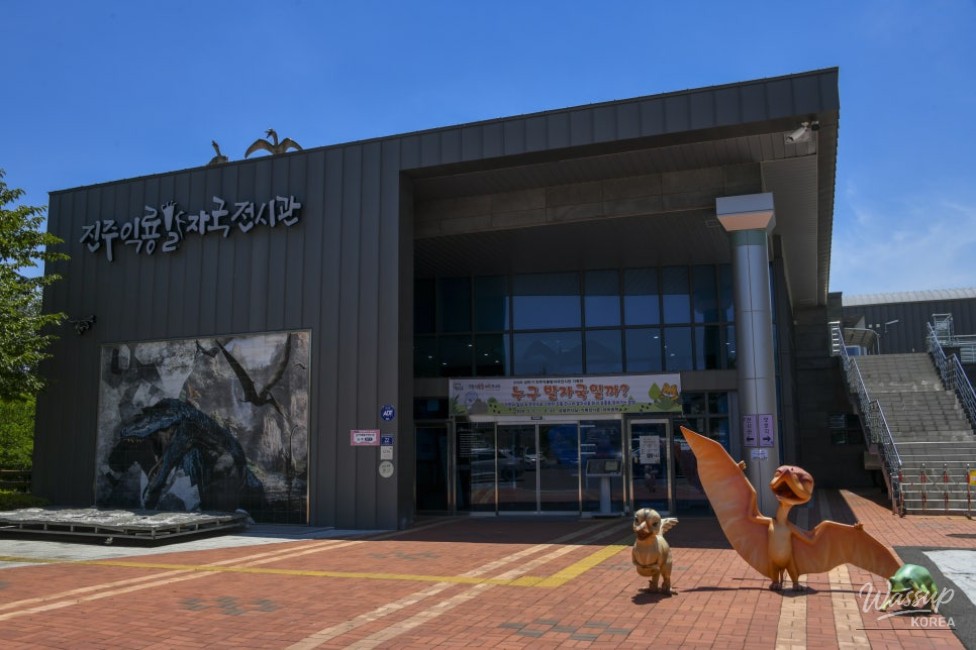
In Jinju, there is a unique place where you can encounter not only dinosaur traces but also the footprints of flying reptiles, known as pterosaurs. This is the Pterosaur Footprints Exhibition Hall. It is an exciting learning space for family outings with children, as well as for those interested in fossils and natural history. This venue is not just about viewing exhibits; it offers hands-on experiences that allow visitors to imagine and understand the lives of Mesozoic creatures.
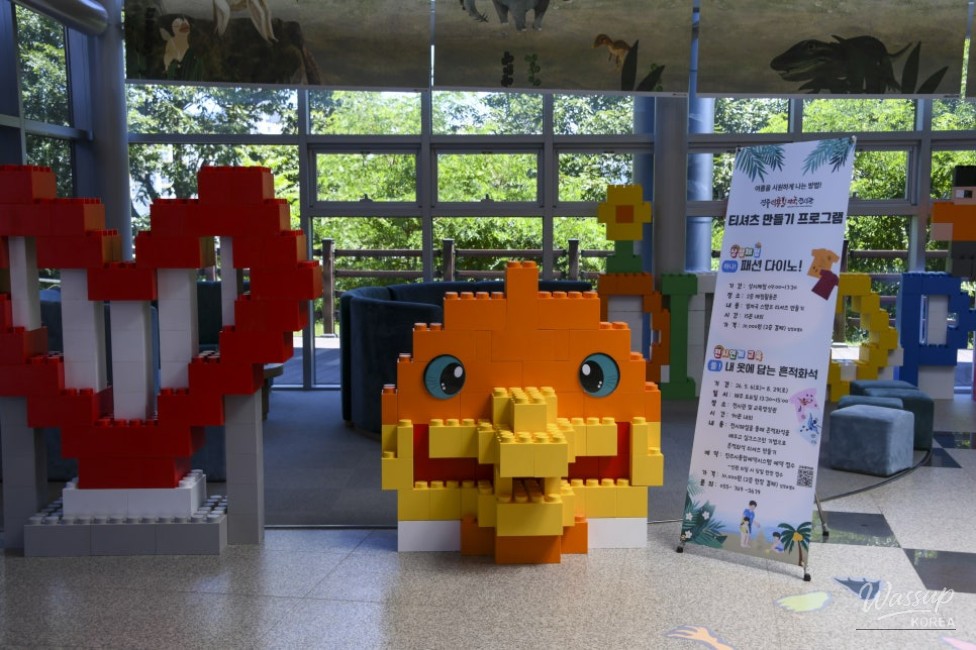
Upon entering the exhibition hall, the first thing that catches your eye is the variety of interactive programs. These programs stimulate children's curiosity by allowing them to enjoy both observation and participation simultaneously. A notable permanent experience program is 'Fashion Dino! Create Your Own Footprint Stamp T-Shirt.' Here, you can stamp dinosaur and pterosaur footprints on a T-shirt to create your own masterpiece. This educational experience naturally increases interest in fossils rather than just making a souvenir.
Another popular educational program linked to the exhibition is 'Trace Fossils on My Clothes.' Participants learn about trace fossils while listening to exhibition explanations and create T-shirts using silk-screening techniques. This hands-on activity helps children understand fossils more easily and leaves adults with special memories.
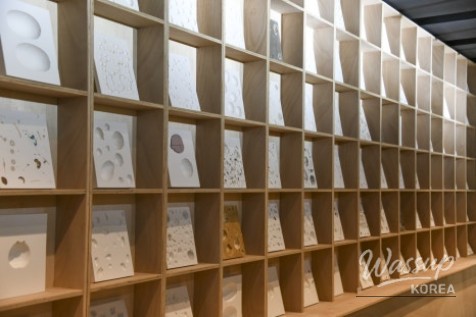
The Jinju Fossil Hall showcases fossilized footprints of animals that lived in the Jinju area about 110 million years ago, along with various fascinating stories. Each fossil reveals the living conditions and environments of ancient life forms, making it feel like a time travel experience.
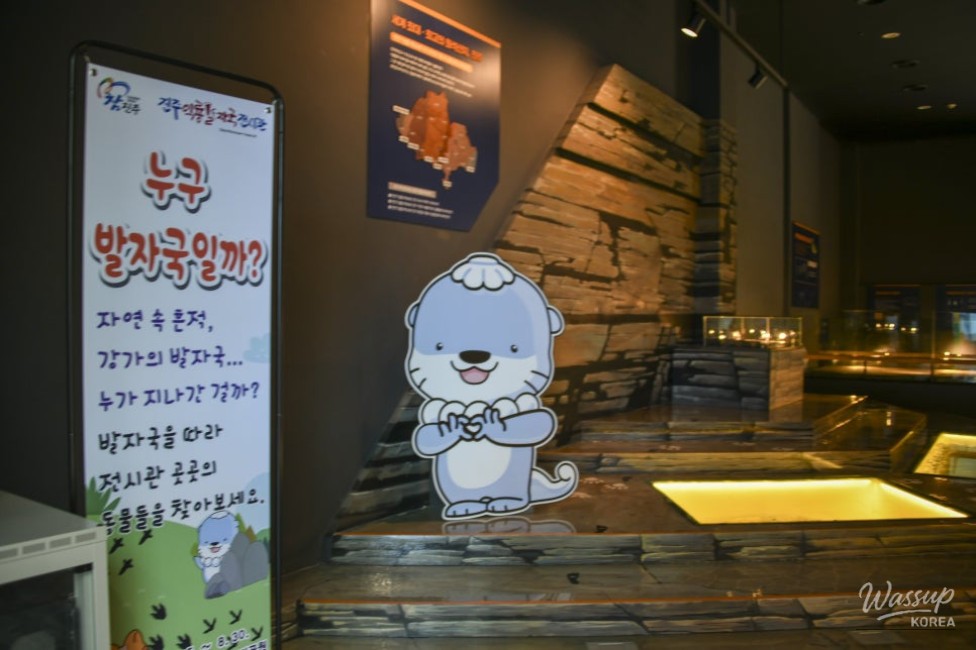
The 'Whose Footprint Could It Be?' exhibition corner piques visitors' curiosity. Just like footprints found by rivers or in nature, attendees can follow the traces left around the exhibition hall and guess which animals passed by.
Following the footprints and searching for hidden animals provides children with a playful and educational experience. The question, 'Where did all those dinosaurs go, leaving only their footprints behind?' highlights the exhibition's core theme. Jinju is part of the globally recognized fossil-rich region of Lagerstätten, famous for the abundant discovery of dinosaur and pterosaur footprints from the Mesozoic Era.
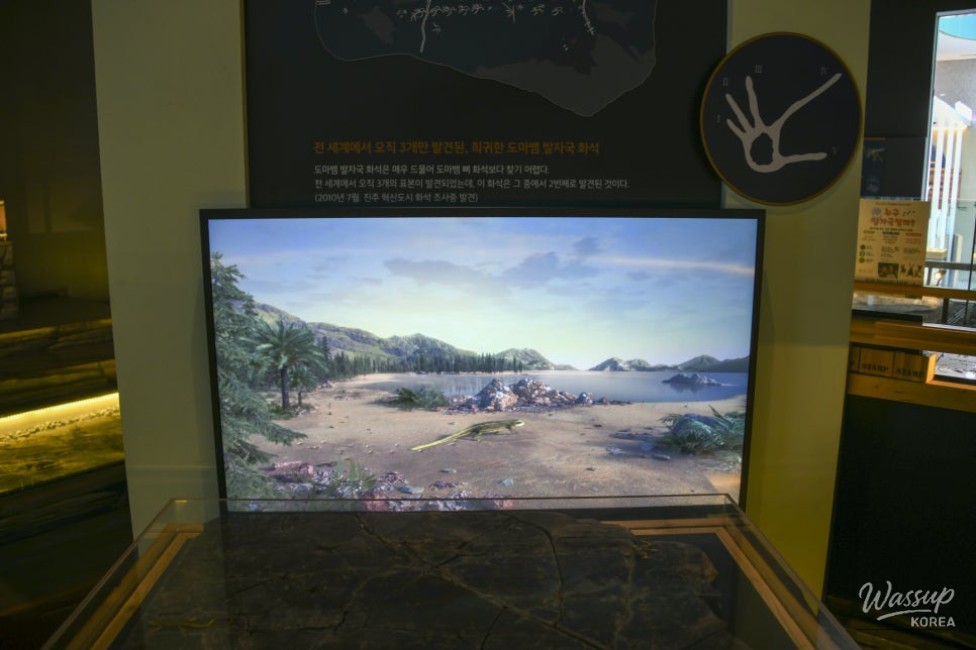
Interestingly, while footprint fossils are plentiful, bone fossils are relatively rare. This is easily understood through the exhibition, which explains that the environments in which body fossils and trace fossils are formed differ. There are also spaces to compare the traces left by animals in videos with actual fossils, providing an engaging exploration experience.
One of the most popular activities for children is following the lizard's path and searching for actual lizard footprint fossils.
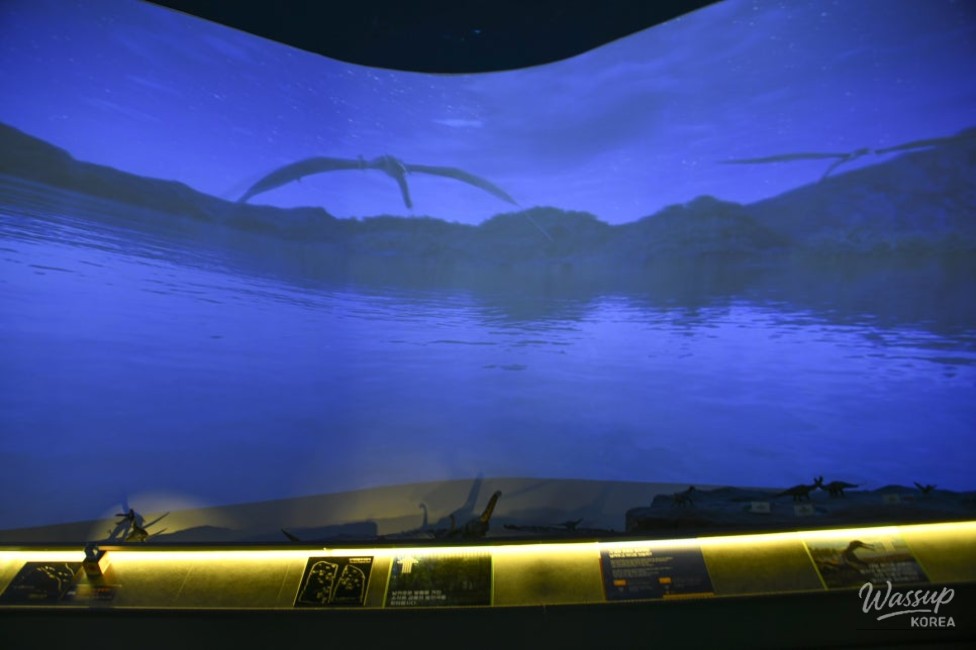
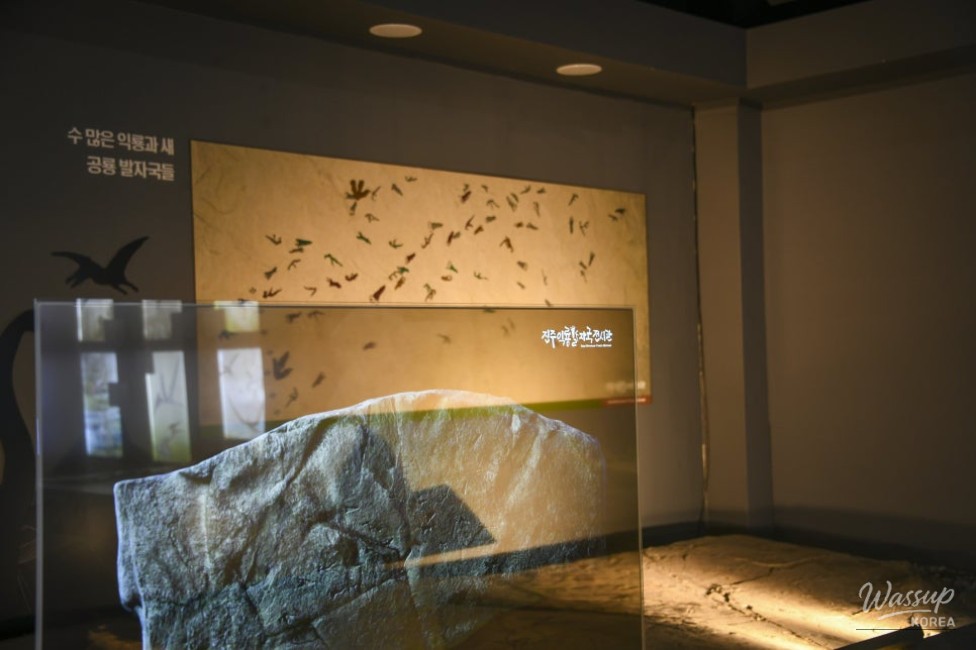
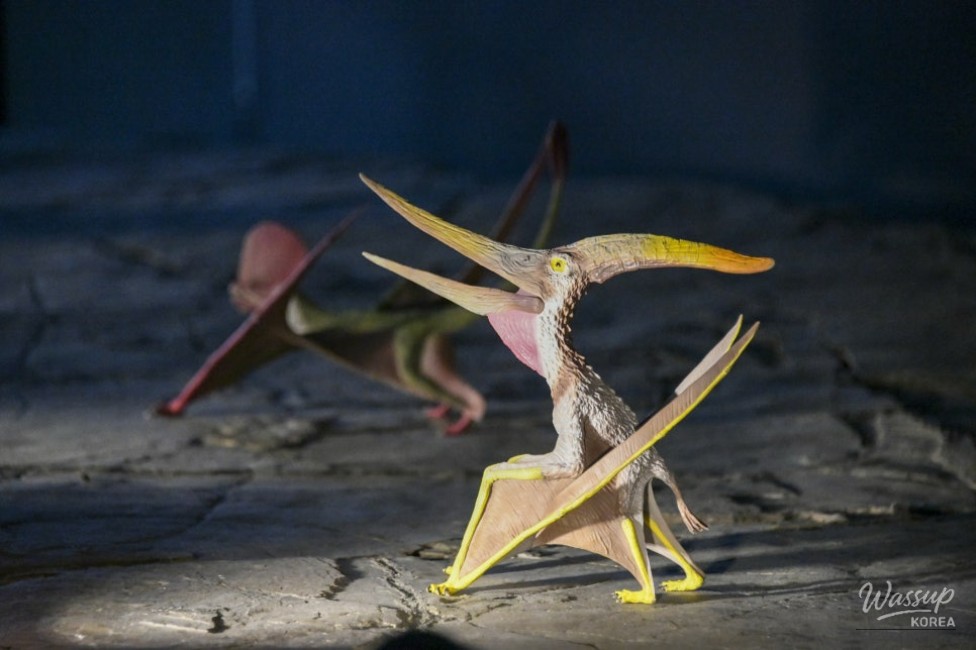
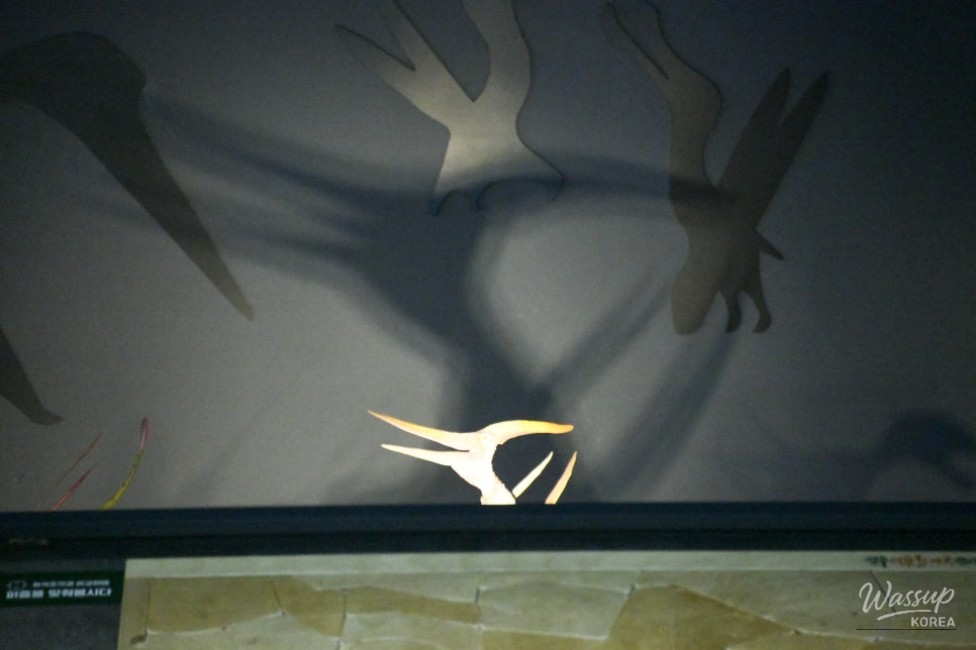
The Pterosaur Fossil Hall is the highlight of the exhibition. It showcases the value of globally renowned pterosaur footprint fossil sites and allows visitors to view numerous pterosaur footprints at a glance. The exhibition creates an atmosphere where visitors can vividly imagine the landscapes of hundreds of millions of years ago, as if pterosaurs are walking across the footprints.
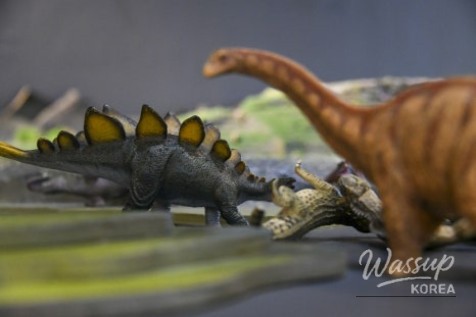
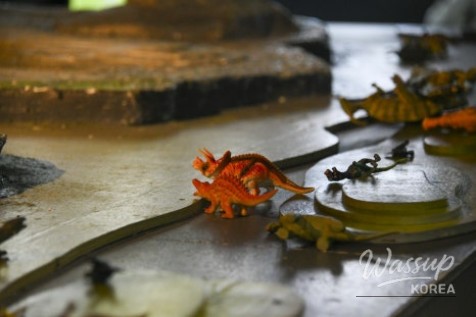
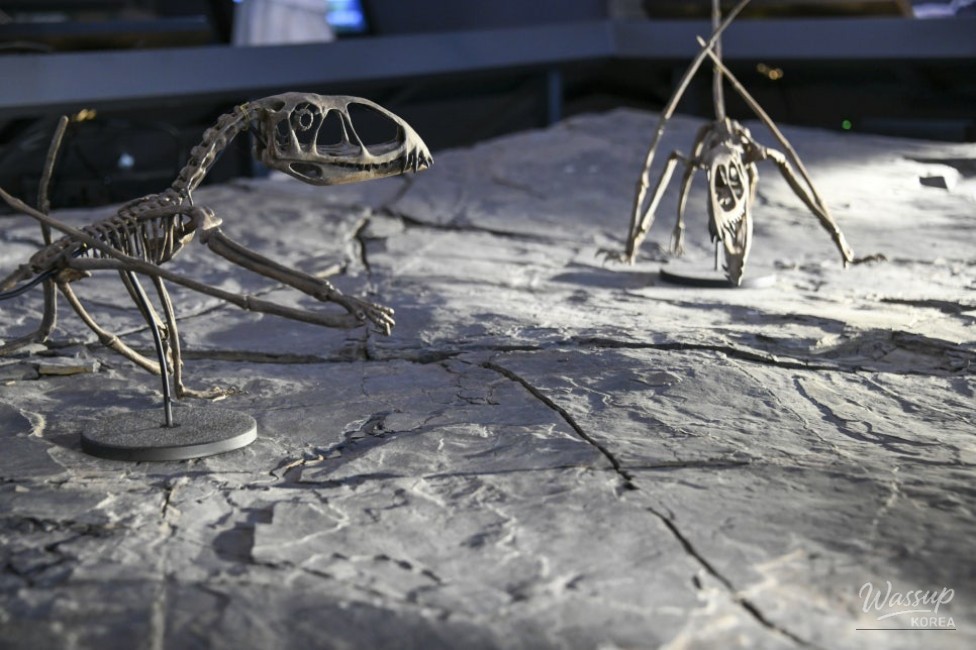
Numerous fossils of pterosaurs, birds, and dinosaurs are on display, allowing for close observation of their actual size and shape. There is also a space where children can touch dinosaur models, satisfying their curiosity.
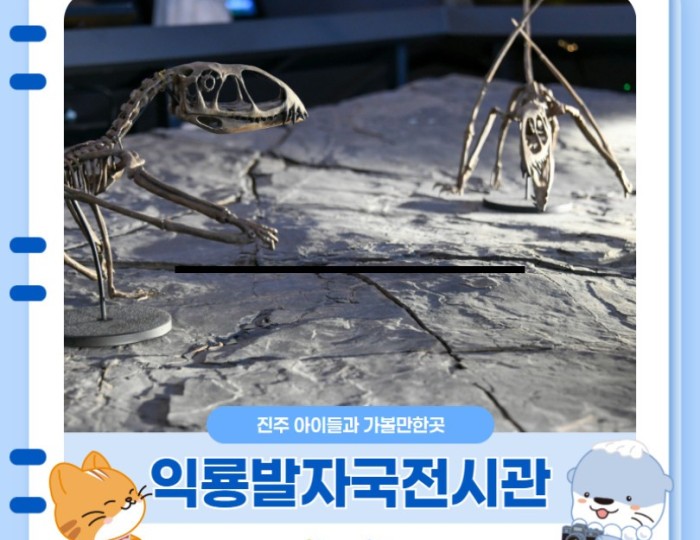
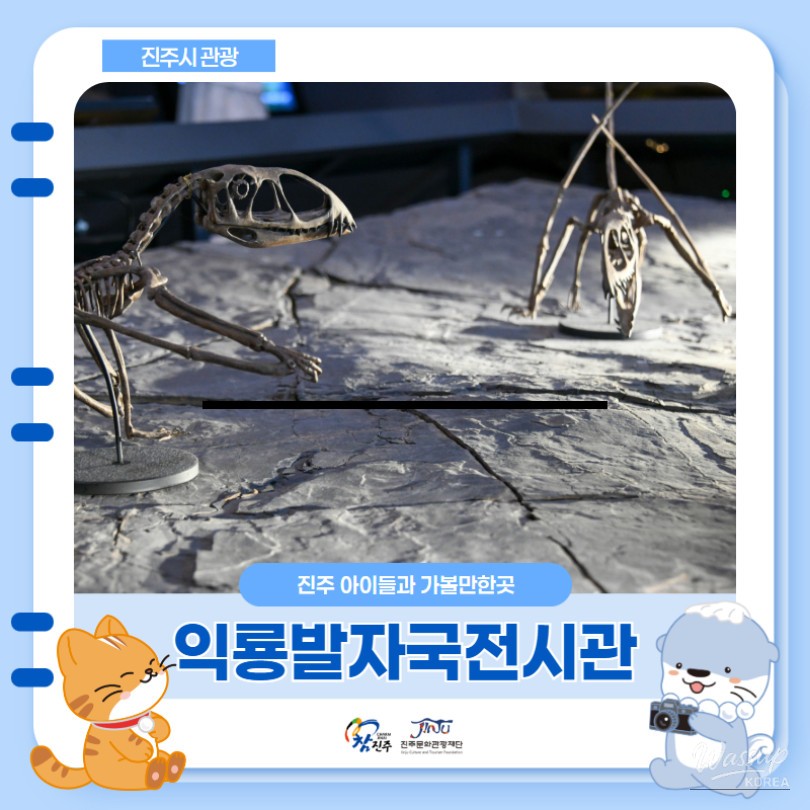
The replica of the Dimorphodon fossil is particularly eye-catching, featuring two types of teeth: sharp front teeth and smaller inner teeth. It provides insight into the early pterosaur that fed on insects and small animals.
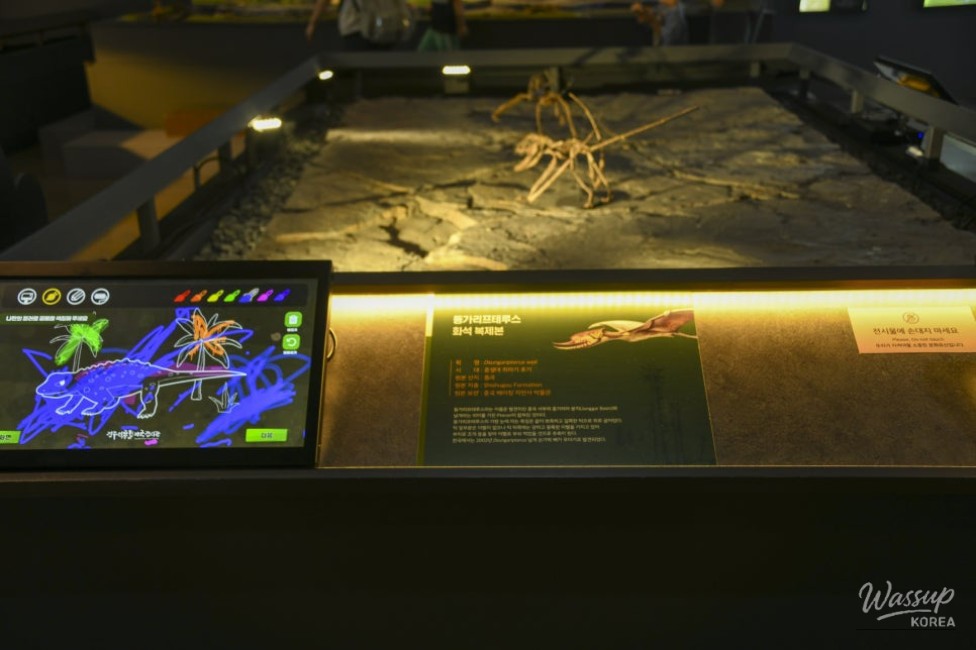
The replica of the Dungaripterus fossil is equally interesting, with its uniquely curved jaw and strong teeth, presumed to have been used to crush shellfish.
A fascinating exhibition theme is whether pterosaurs walked on four legs or two. In the past, opinions among scholars varied, but thanks to various pterosaur walking track fossils discovered in the country, we now know that both bipedal and quadrupedal pterosaurs existed.
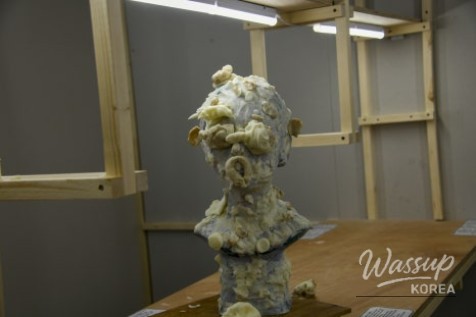
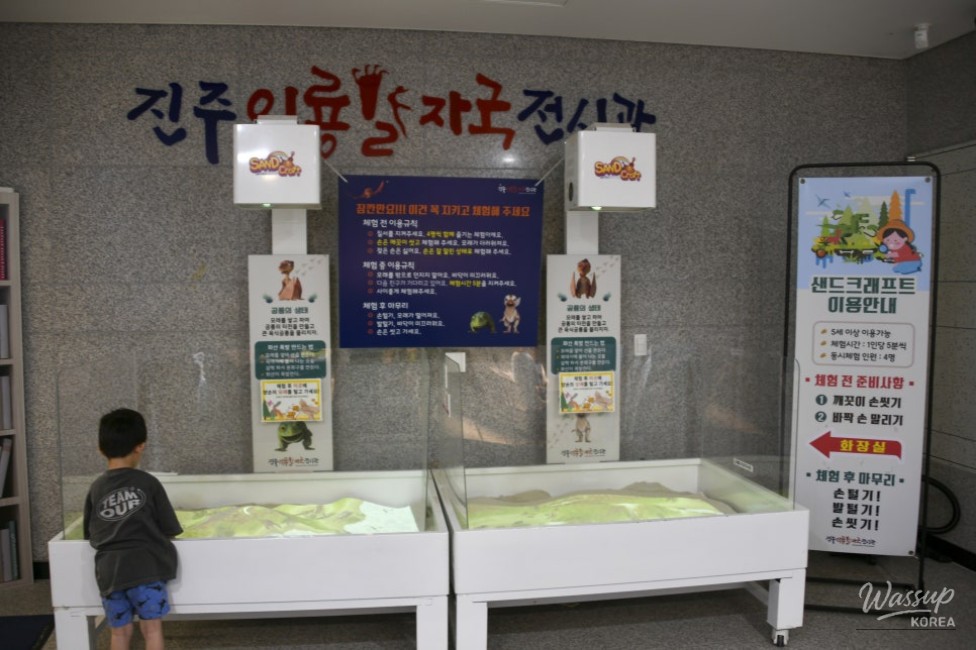
In the planning exhibition zone, there is an opportunity to create your own traces using soft clay and various props to leave and display your unique imprints.
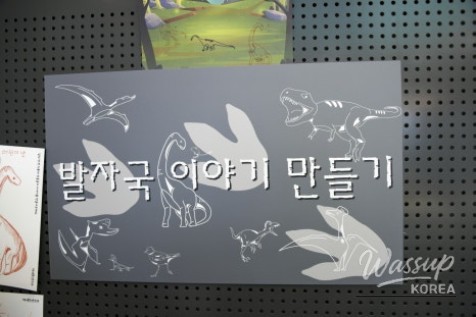
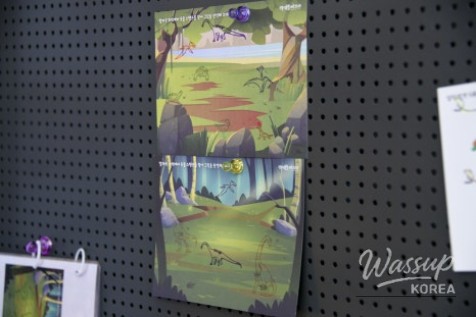
Additionally, through the footprint storytelling experience, you can imagine the stories of pterosaurs and animals from 100 million years ago, enhancing creativity.
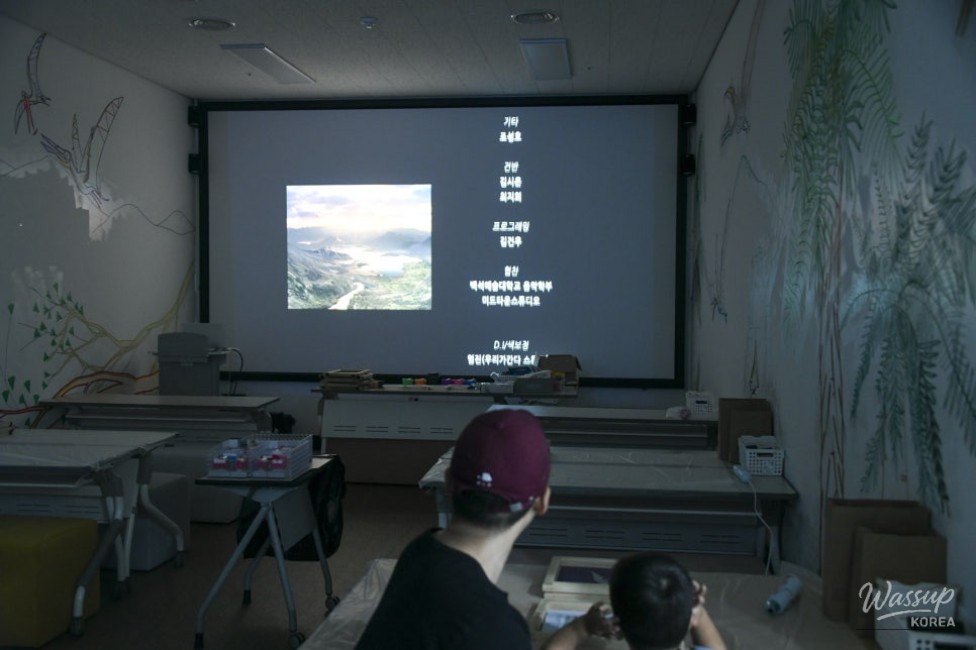
The educational video hall screens videos introducing major fossil sites in the country, along with animations of pterosaurs and dinosaurs, serving as a space for a brief rest and understanding.
The activity zone is designed for reading books or enjoying various activities, ensuring that children won't get bored even after spending a long time there.
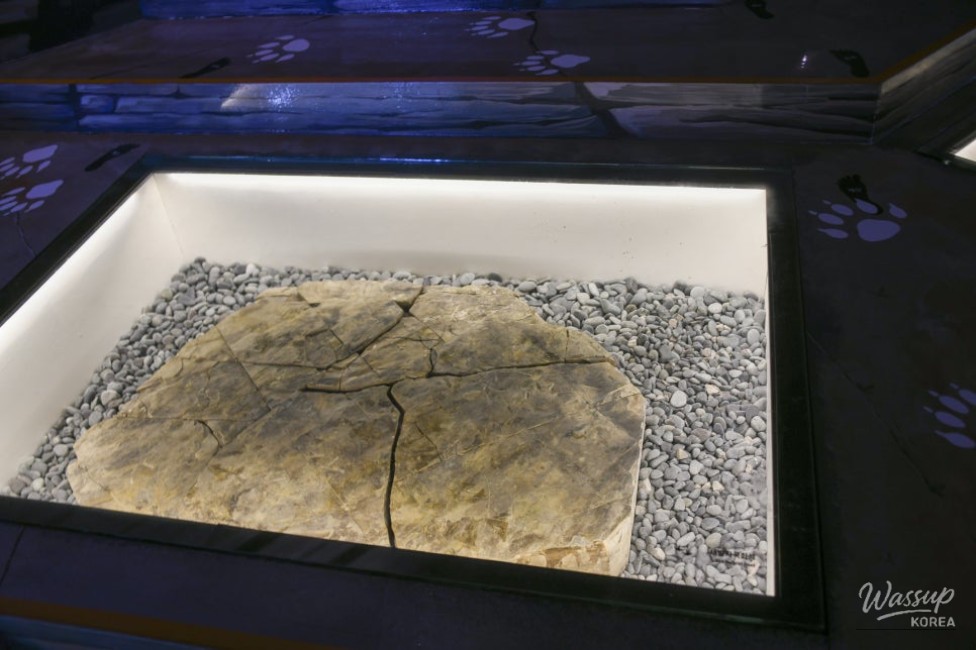
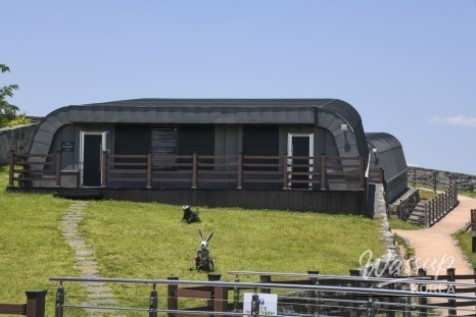
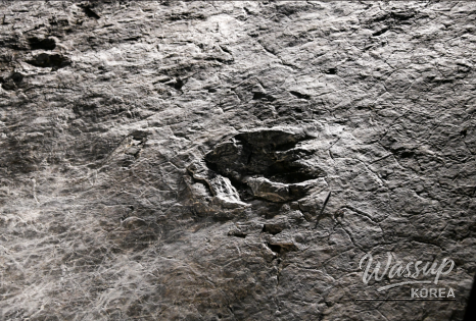
Finally, the Fossil Protection Pavilion allows visitors to examine key fossils discovered in the Jinju Chungmugong-dong pterosaur, bird, and dinosaur footprint fossil site. This world-renowned fossil heritage includes approximately 2,500 pterosaur footprints, 1,220 bird footprints, and 169 dinosaur footprints, along with footprints of lizards, frogs, and mammals, totaling over 4,000 fossils.
The Jinju Pterosaur Footprints Exhibition Hall is not merely a space for displaying fossils. It is a living natural history education space where you can see, touch, and experience the traces of life forms from hundreds of millions of years ago. If you are looking for a family outing destination with your children or a unique travel spot in Jinju, I highly recommend visiting. The stories of footprints that are even more fascinating than dinosaurs await you.

Source :https://blog.naver.com/pearl286/224320053313
No comments yet.