Exploring the Historical Significance of the Lee Sang-seol Memorial Hall



Today, we decided to visit a meaningful place where we could reflect on the history of our country's independence movement.
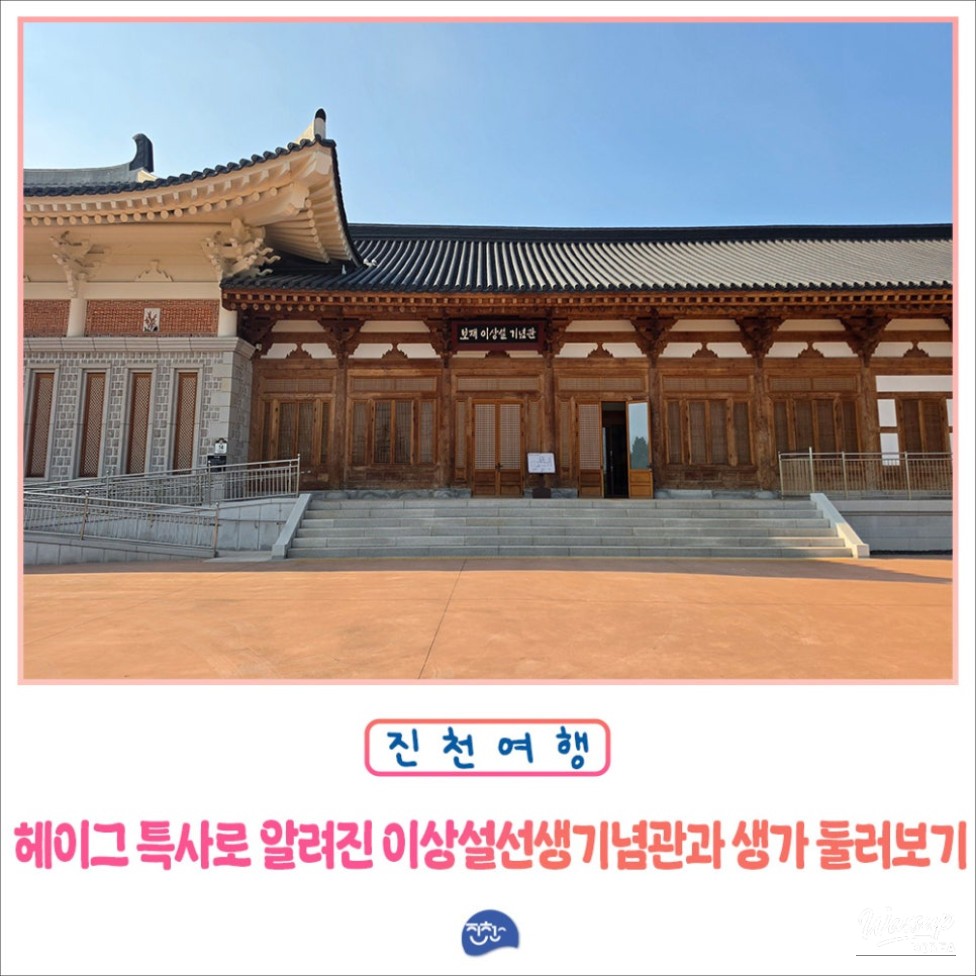
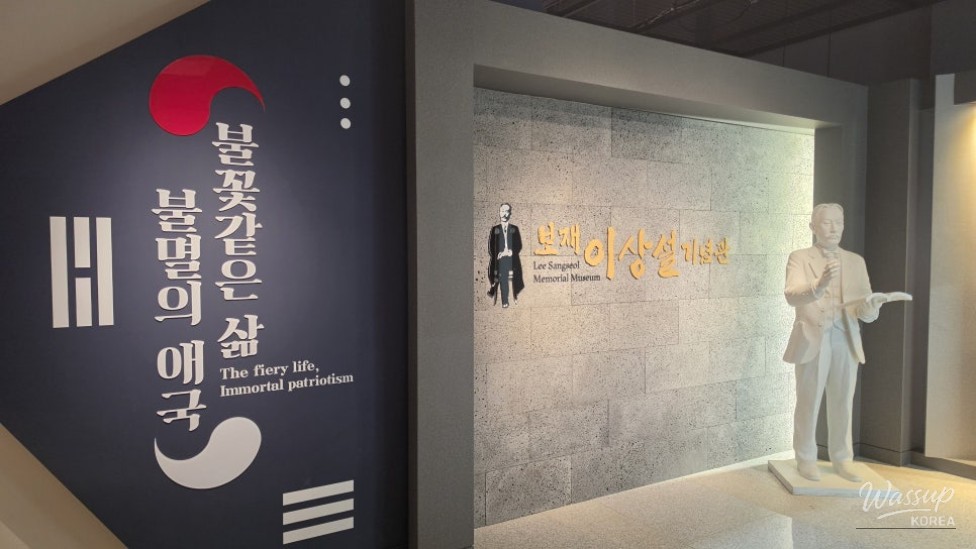
This place is the Lee Sang-seol Memorial Hall, which is conveniently located near his birthplace and the Seongryeolsa Shrine.
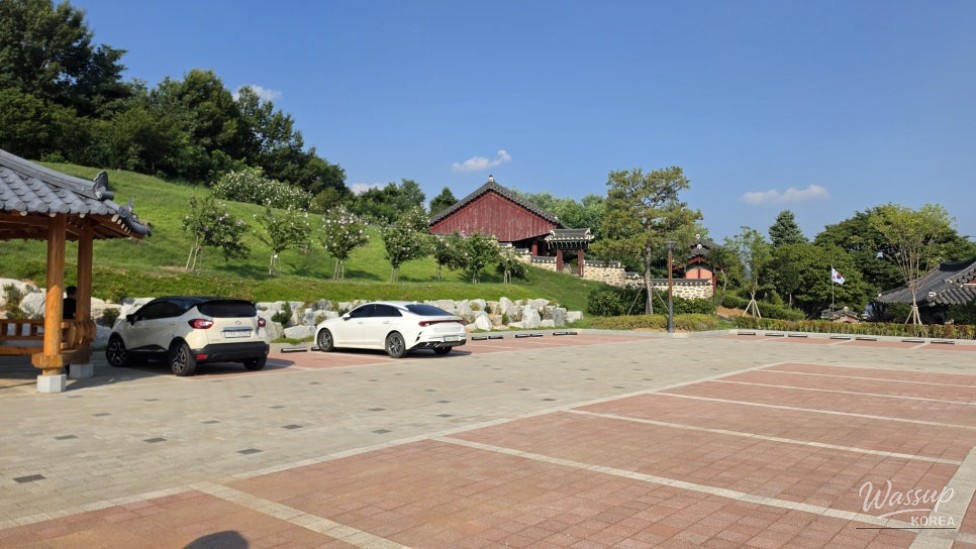
After a 10-minute drive of about 6 km from the Jincheon County Office, we arrived at the Lee Sang-seol Memorial Hall.
It was surprising to see a large building and spacious parking lot suddenly appear in the rural village, creating a majestic atmosphere.
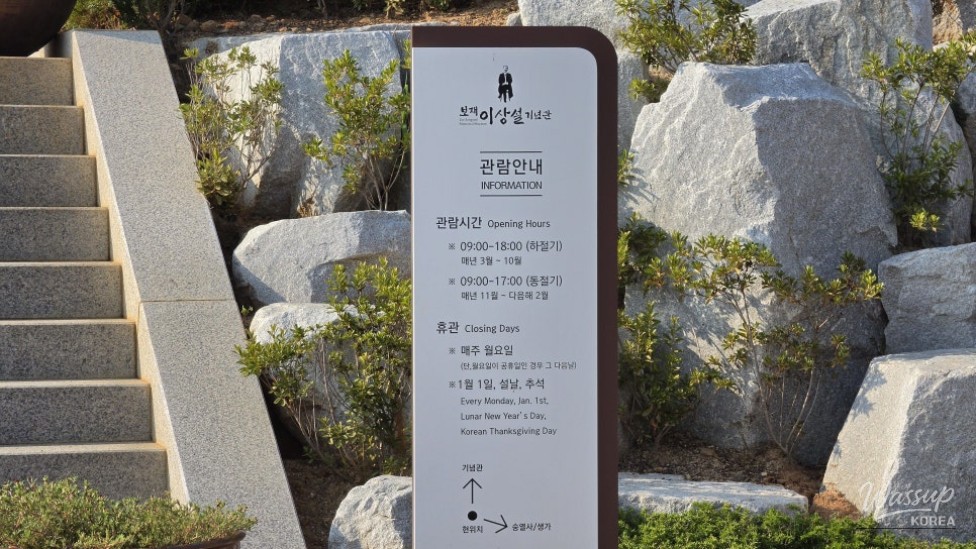
The memorial hall operates from 9 AM to 6 PM during the summer months, and it is closed on Mondays, January 1st, and during the Lunar New Year and Chuseok holidays.
The architecture of the memorial hall combines traditional Hanok elements with a modern feel.
Although I couldn't take a picture, the large Korean flag in front of the hall, standing at a height of 33.1 meters, represents the day of Lee Sang-seol's passing on March 31st.
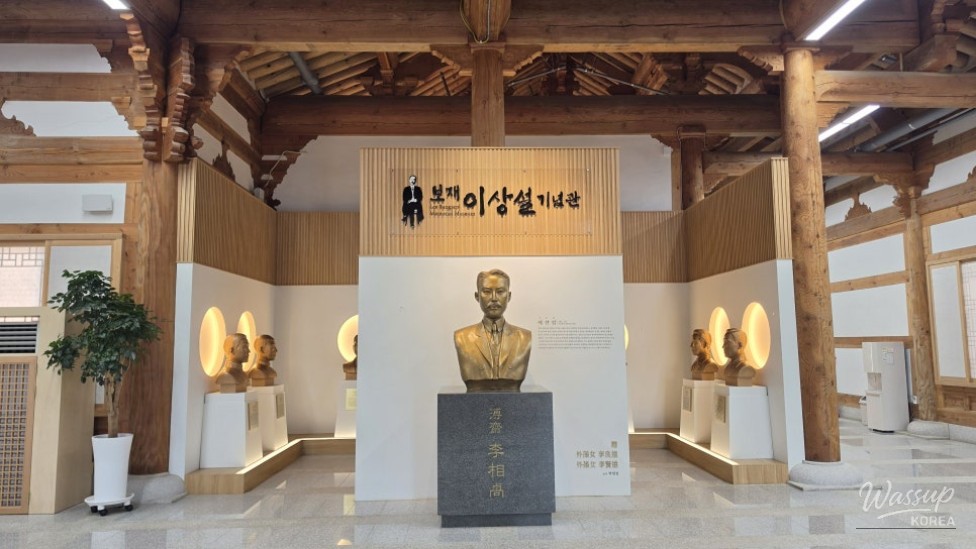
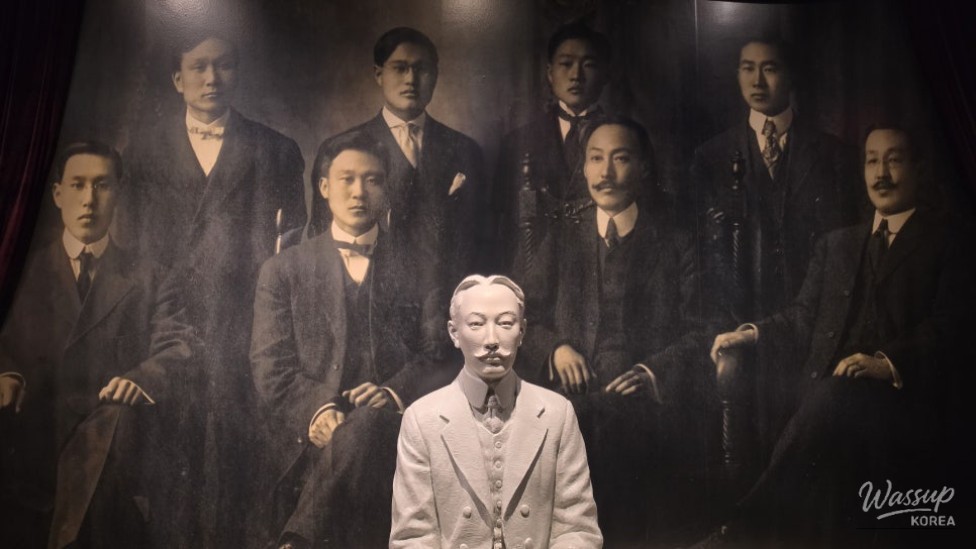
Upon entering the memorial hall, I was greeted by a bust of Lee Sang-seol alongside the busts of eight independence activists from Jincheon.
Thanks to the bust's placement in the center of the lobby, it felt as though the story of Lee Sang-seol's life and his contributions to the independence movement began the moment we stepped inside.
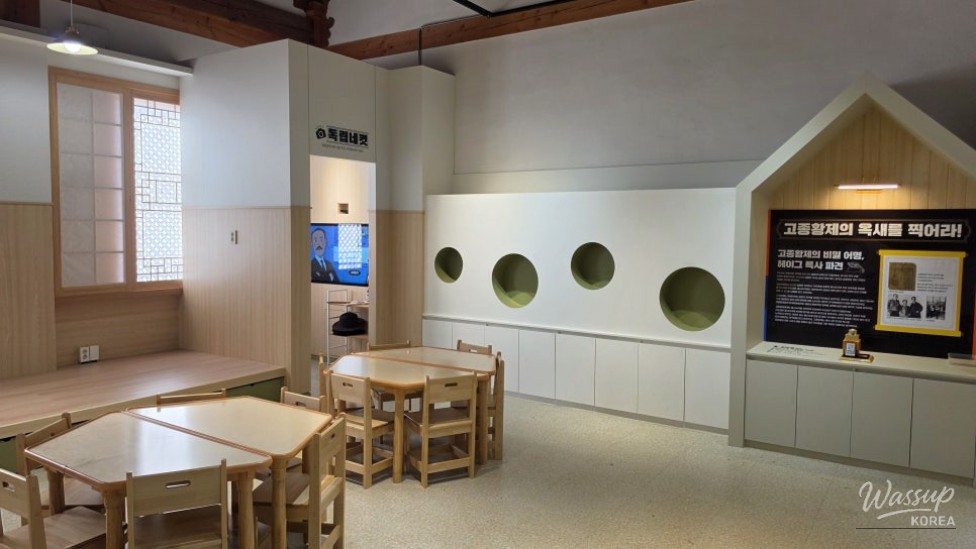
There is an interactive space for children, where they can stamp their own seals and take photos in a four-cut style.
As we entered the exhibition hall, it was organized to chronologically showcase Lee Sang-seol's life and his activities in the independence movement.
While he may not be as widely known as prominent figures like Ahn Jung-geun, Yun Bong-gil, Yu Gwan-sun, and Kim Gu, Lee Sang-seol is a name that many have encountered in history books.
The memorial hall was completed and opened in 2024, and it is set to enhance its internal facilities and content by December 2025, which may explain the abundance of interactive programs available.
There is also a photo zone where visitors can take pictures with images of Lee Sang-seol and other independence activists.
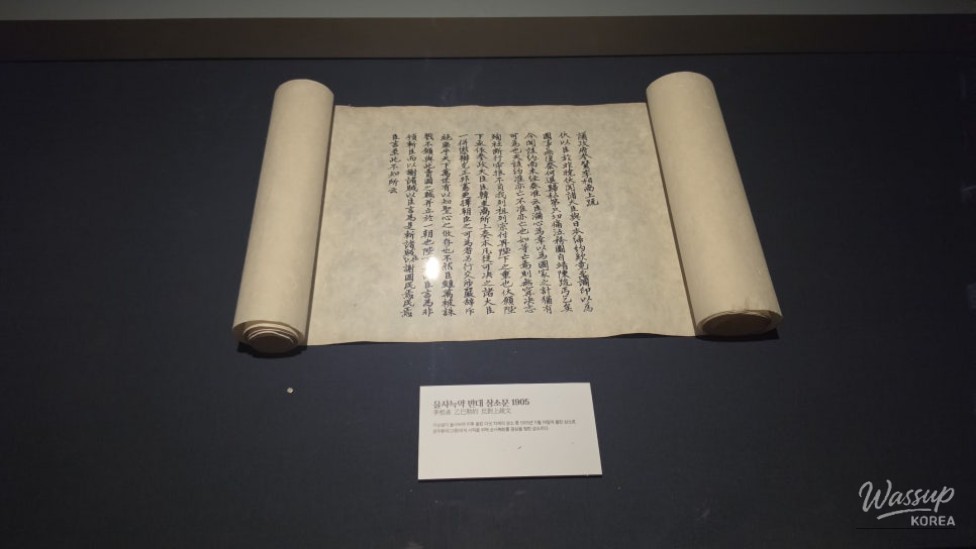
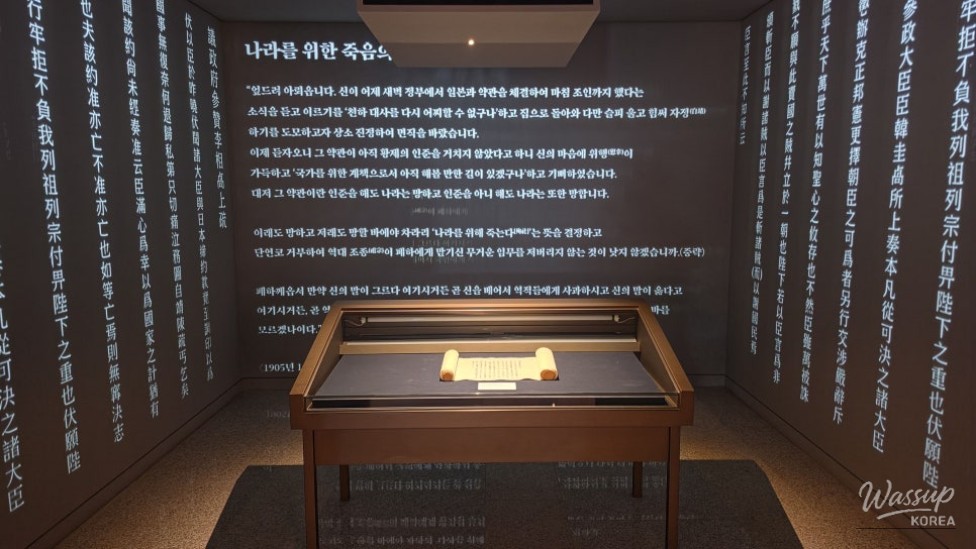
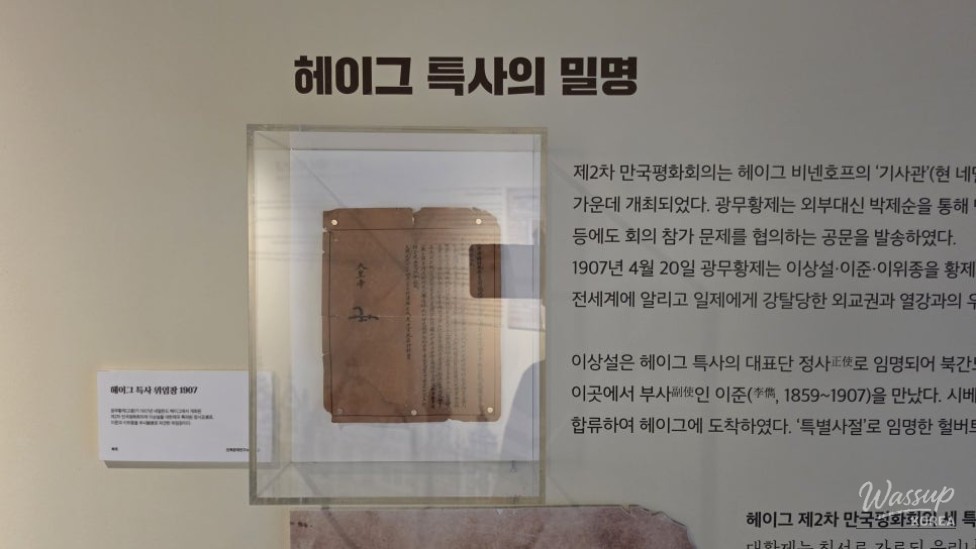
One of the most intriguing exhibits featured the delegation letter from the Hague Conference and secret diplomatic missions entrusted by Emperor Gojong.
Their mission was to inform the world that the Eulsa Treaty was an unjust agreement forced upon Korea by Japan, and to raise awareness of Japan's invasion and Korea's plight, but their participation in the conference was obstructed by Japan.
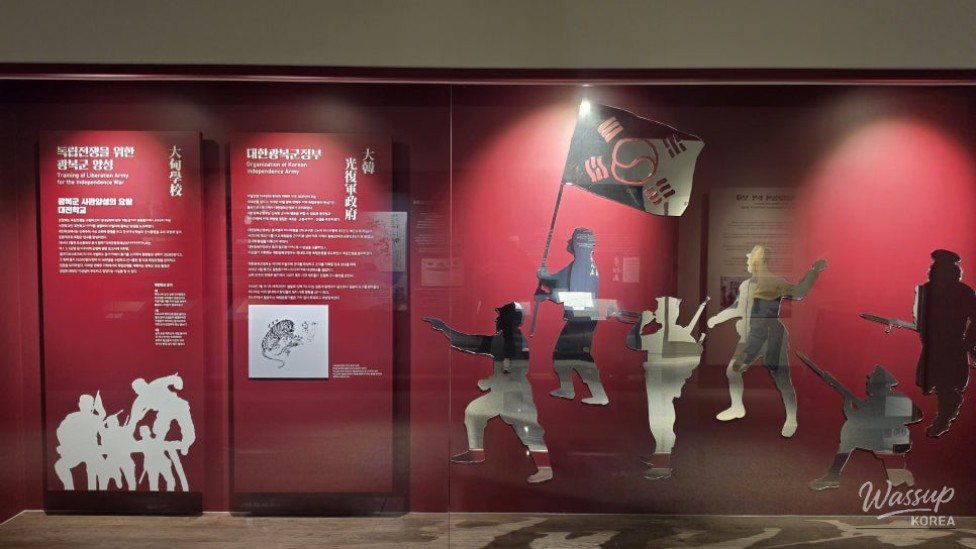
The final exhibit detailed Lee Sang-seol's efforts to prepare for the independence war by training the Korean Liberation Army and establishing the Korean Provisional Government.
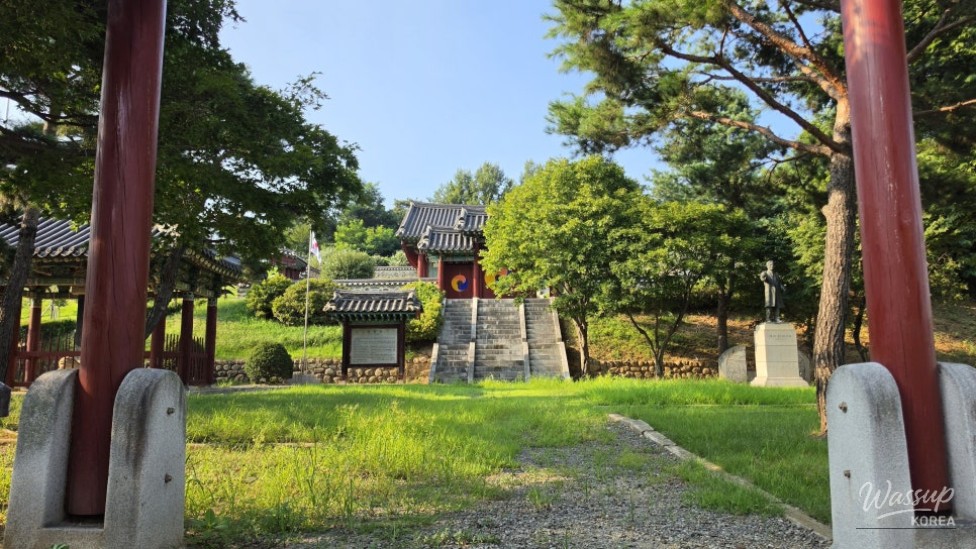
Next to the memorial hall are his birthplace and the Seongryeolsa Shrine, but we couldn't enter as the doors were closed.
The Lee Sang-seol Memorial Hall is free to visit, and guided tours by professional interpreters are available.
In Jincheon, there are many other historical sites that are great for family visits, so I encourage everyone to explore them together.


Source :https://blog.naver.com/jincheongun/224384284070
No comments yet.