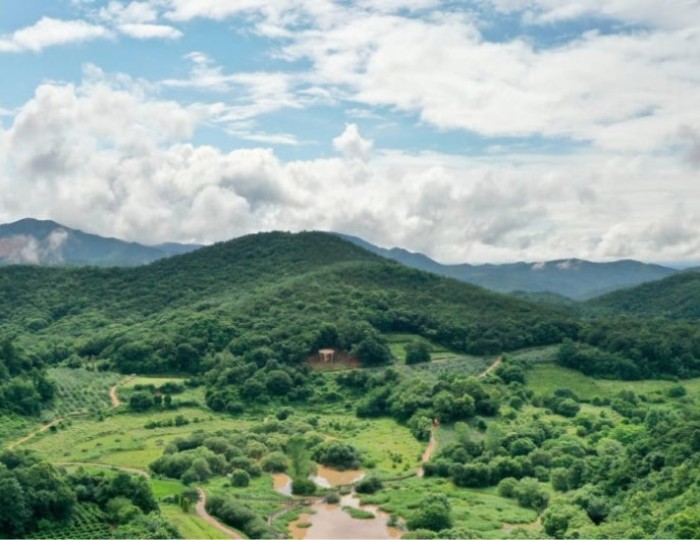
Healing the Pain of an Era Through Art



Healing the Pain of an Era Through Art
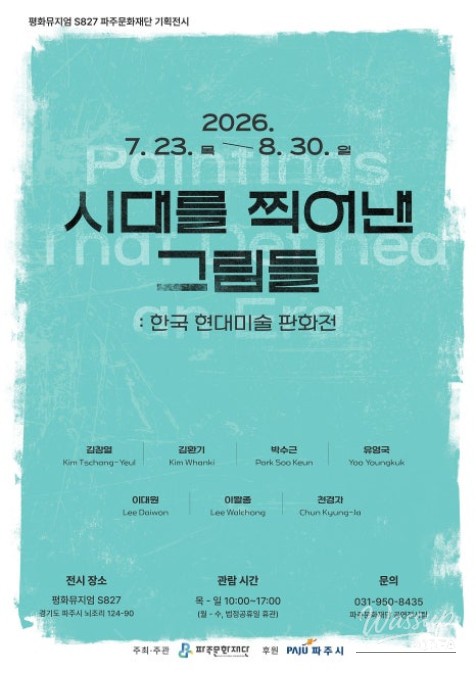
????️Art Exhibition: Prints of Our Times????️
Hello!
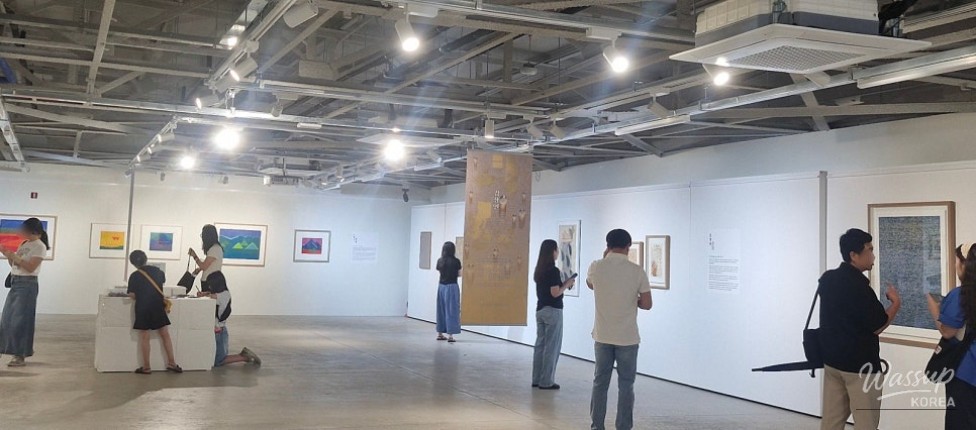
Last week, I visited the Prints of Our Times: Contemporary Korean Art Exhibition at the Paju Peace Museum S827.
The Paju Peace Museum S827, housed in a remodeled PX building from a former U.S. military camp, opened in February this year as a multi-cultural space.
In this place, which bears the scars of past military presence, the works of masters who lived through the tumultuous periods of war and division convey a powerful message of healing and peace.
Exhibition Hours: Thursday to Sunday, 10:00 AM to 5:00 PM
(Closed Monday to Wednesday and on public holidays)
The exhibition features works from seven renowned contemporary Korean artists who endured the history of Japanese colonial rule and the Korean War.
For these artists, their creations transcended mere aesthetic pursuits; they were a process of healing the wounds of their times and restoring their spiritual homeland.
Kim Whanki (1913–1974)
His works, characterized by blue dots and lines, express the lyrical essence of the Korean people.
Having experienced the tragedies of evacuation trains and refugee camps during the Korean War, Kim Whanki always longed for his homeland, even in exile.
He captured the faces of those separated by war, the night skies of their hometowns, and the unique spiritual DNA of Korea through countless dots.
In his paintings, he restored the peaceful sentiment lost to war.
Kim Chang-yeol (1929–2021)
Known as the 'Droplet Painter', his transparent droplets on prints serve as a requiem for war victims and a purifying tool for the sorrows of his era.
Yoo Young-kuk (1916–2002)
A master of geometric abstract art, he drew inspiration from the mountains and seas of his hometown, Ulchin.
Park Soo-keun (1914–1965)
His rough textures reflect the portraits of neighbors who endured poverty after the war.
Chun Kyung-ja (1924–2015)
A pioneer of the 'aesthetic of Han', she infused her vibrant colors with messages of resistance against personal tragedies and loneliness.
Lee Wal-jong (1945–)
He humorously depicts the harmony between humans and nature against the backdrop of Jeju's natural paradise.
Lee Dae-won (1921–2005)
A native of Paju, he painted the vibrant orchard landscapes of Paju, symbolizing a festival of life and hope over the scars of war.
In the center of the exhibition, visitors can experience 'Stamp Printmaking' and 'Artwork Coloring'.
Unlike traditional paintings, prints have the unique characteristic of being produced in multiple editions, with edition numbers marked on the front of the artwork.
This exhibition was a meaningful time to reflect on the pains of the era through the prints of masters in a space marked by a tragic history.
The exhibition runs until August 30, and I highly recommend visiting!

Source :https://blog.naver.com/paju_si/224383476476
No comments yet.