Exploring the Hidden Gem of Gul-eopdo Island
- Place
- Gul-eopdo Island
- Original source
- blog.naver.com


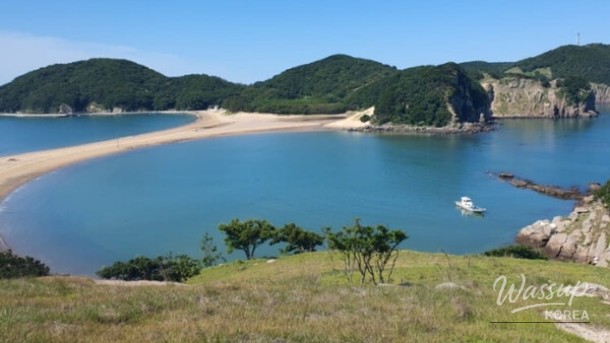
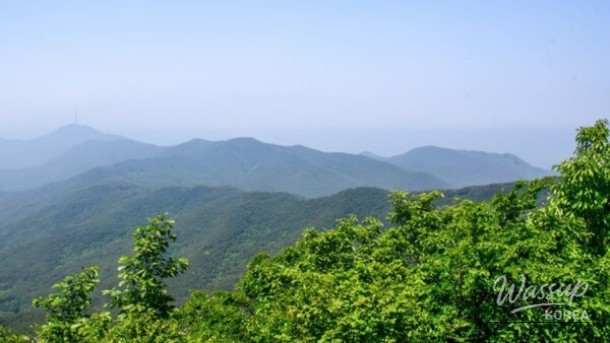
Gul-eopdo Island's Gae-meori Hill / Photo by Triple
If you're looking to escape the suffocating city and immerse yourself in true nature, consider heading to the edge of the West Sea, Gul-eopdo Island. As of 2026, it has gained a reputation for being one of the most exotic ecosystems in South Korea, attracting not only backpacking enthusiasts but also travelers seeking unique memories.
The preservation of this area is so remarkable that it's hard to believe it was once a candidate site for a nuclear waste disposal facility. Thanks to the lack of development, it has earned the precious nickname of 'Korea's Galapagos.' The island's vast 520,000 pyeong (approximately 1.7 million square meters) allows visitors to encounter the vitality of wildlife directly.
Golden Sookryeong Grass and Wild Deer: The Romantic Points of Gae-meori Hill
The most iconic location on Gul-eopdo is undoubtedly Gae-meori Hill. In autumn, the endless grasslands are adorned with waves of golden Sookryeong, while wild deer peacefully graze, creating a scene reminiscent of a movie. This picturesque coexistence of nature and animals makes it a must-visit spot for couples and photographers.
Famous for its stunning sunsets, visitors can witness the sky and sea turn crimson at dusk. However, since some areas are private property, be sure to check the guidelines regarding tent setups before your visit. As there is little shade during walks, bringing a hat, sunglasses, and plenty of water is advisable.
Nature's Sculptures: Elephant Rock and Mysterious Coastal Erosion
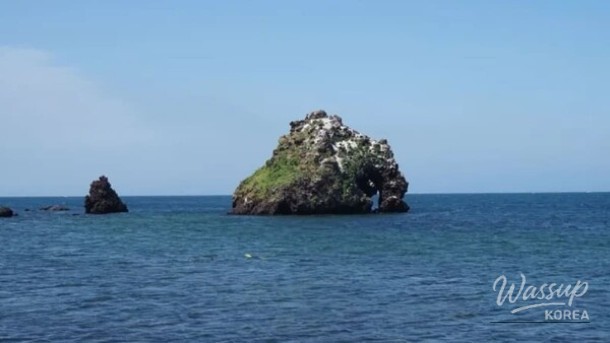
As you walk along the coastline, you'll encounter geological masterpieces shaped by nature. The Elephant Rock, resembling a giant elephant dipping its trunk into the sea, is a popular photo spot for travelers. The unique tuff formations, carved by wind and waves over many years, create an atmosphere rarely found on other islands in the West Sea.
With high geological value, the coastal caves and bizarre rock formations are scattered along the walking paths, ensuring there's never a dull moment. If you're traveling with children, this is a great opportunity for an engaging Earth science lesson as you explore the fascinating rocks. During low tide, you can get closer to the stunning views by walking between the rocks.
Rabbit Island: A Hidden Charm Accessible Only at Low Tide
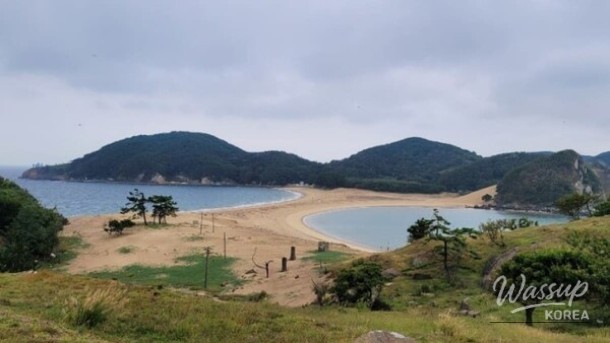
The narrow Mokgimi Beach connecting both sides of the island showcases Gul-eopdo's unique geographical features. Walking between the waves crashing on either side is a special joy exclusive to this location, where fine sand dunes create an illusion of being in a small desert.
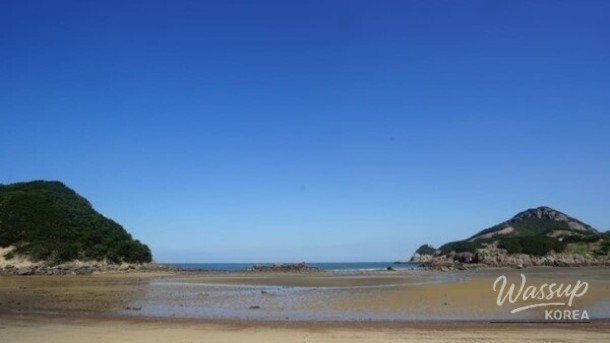
At the beach's end lies Rabbit Island, a mystical place that only reveals itself at low tide. This area, showcasing the essence of coastal erosion, requires careful timing for a visit, so checking the schedule via local resources is essential. With no artificial facilities, it provides an ideal spot to fully enjoy the tranquility of the sea.
Enjoy a Rich 1-Night, 2-Day Trip with Forest Trekking at Deokjeokdo
If you're left wanting more after exploring Gul-eopdo, consider combining it with attractions on the transfer island, Deokjeokdo. Designated as the first forest trekking destination in the country, Deokjeokdo offers well-maintained pine forest trails that provide a cozy healing experience, contrasting Gul-eopdo's rugged wilderness. A recommended itinerary includes arriving at Gul-eopdo in the morning and leisurely walking in Deokjeokdo the following day.
The most efficient route suggested includes backpacking at Gae-meori Hill on the first day, visiting Rabbit Island, and then enjoying a simple forest walk on Deokjeokdo the next day. If you seek true relaxation in unspoiled nature during the springs and autumns of 2026, check for tickets to Gul-eopdo now.
Images:
Source :https://blog.naver.com/tour_toctoc/224285849573
More from Travel



No comments yet.