Exploring the Beauty of Dobido Island



Dobido was a small island located at the northernmost part of Seokmun-myeon in Dangjin City.
In 1984, the Daehobang Floodgate was completed, transforming it into land. Since then, many changes have occurred, and more are expected in the future.
A seven-year project for a carbon-neutral marine tourism initiative is planned. As someone who loves Dobido, I hope for a better future to come soon.
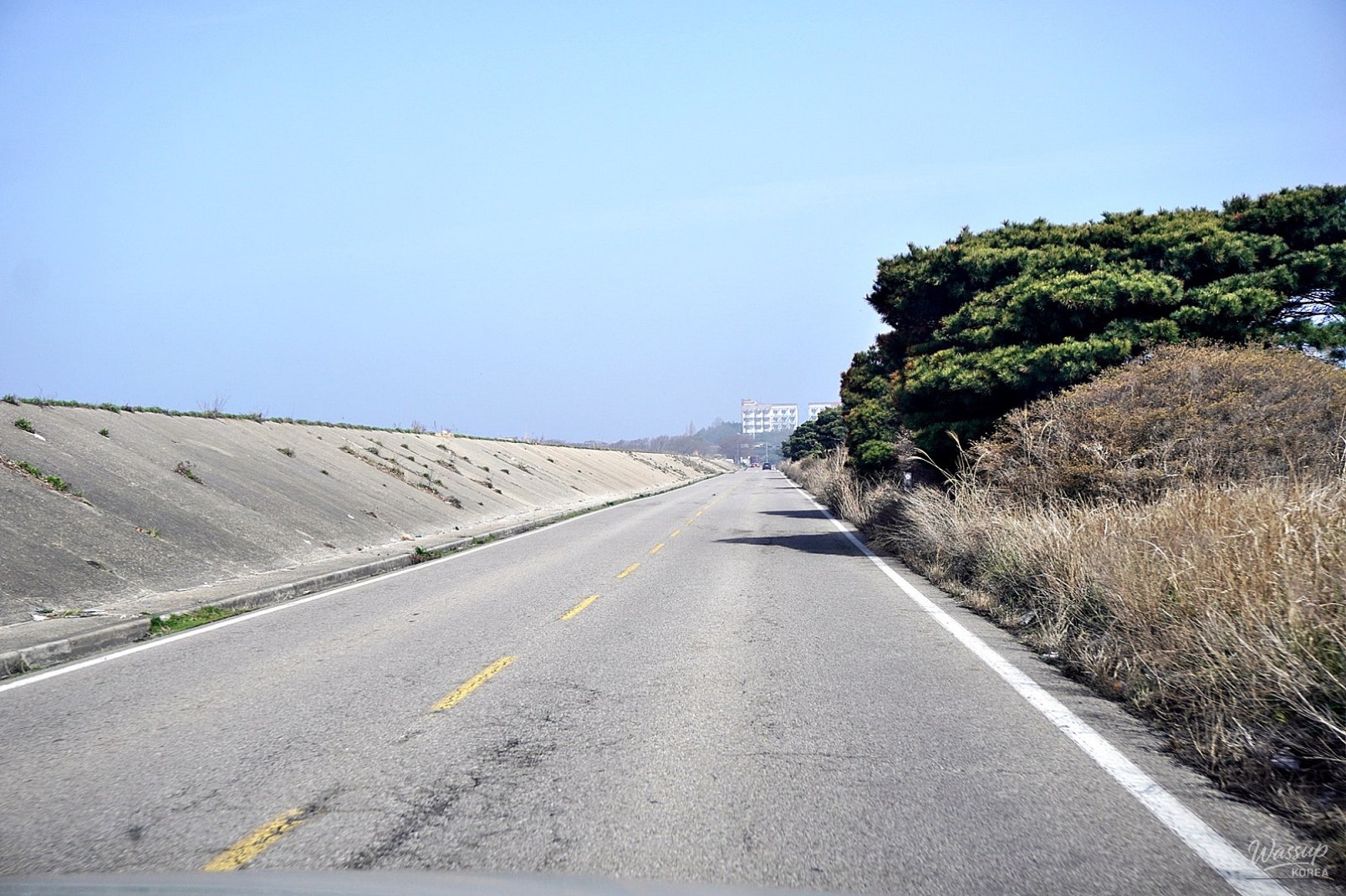
I enjoy a light stroll around this transformed island. Dobido is situated at the end of Dangjin's coastal road, which follows the Seokmun and Daehobang floodgates.
Separated by bidirectional floodgates, it connects to Janggo Port, Waemok Village, and Seosan's Samgilpo Port.
Nearby, there are both uninhabited and inhabited islands such as Daejo Island, Bikyungdo, Sonan Island, and Daenan Island, with ferries operating to Sonan Island.
With clear days in April, the scenery of Dobido is beautiful. It is a renowned sea fishing spot in the Yellow Sea, bustling with activity as early as 7 AM and gradually becoming quieter after 8 AM.
Weekends are particularly lively, with many people boarding fishing boats with their rods and tackle bags.
A walking path runs along the coastline, with restaurants and fishing supply stores located inland, alongside old rural tourism facilities.
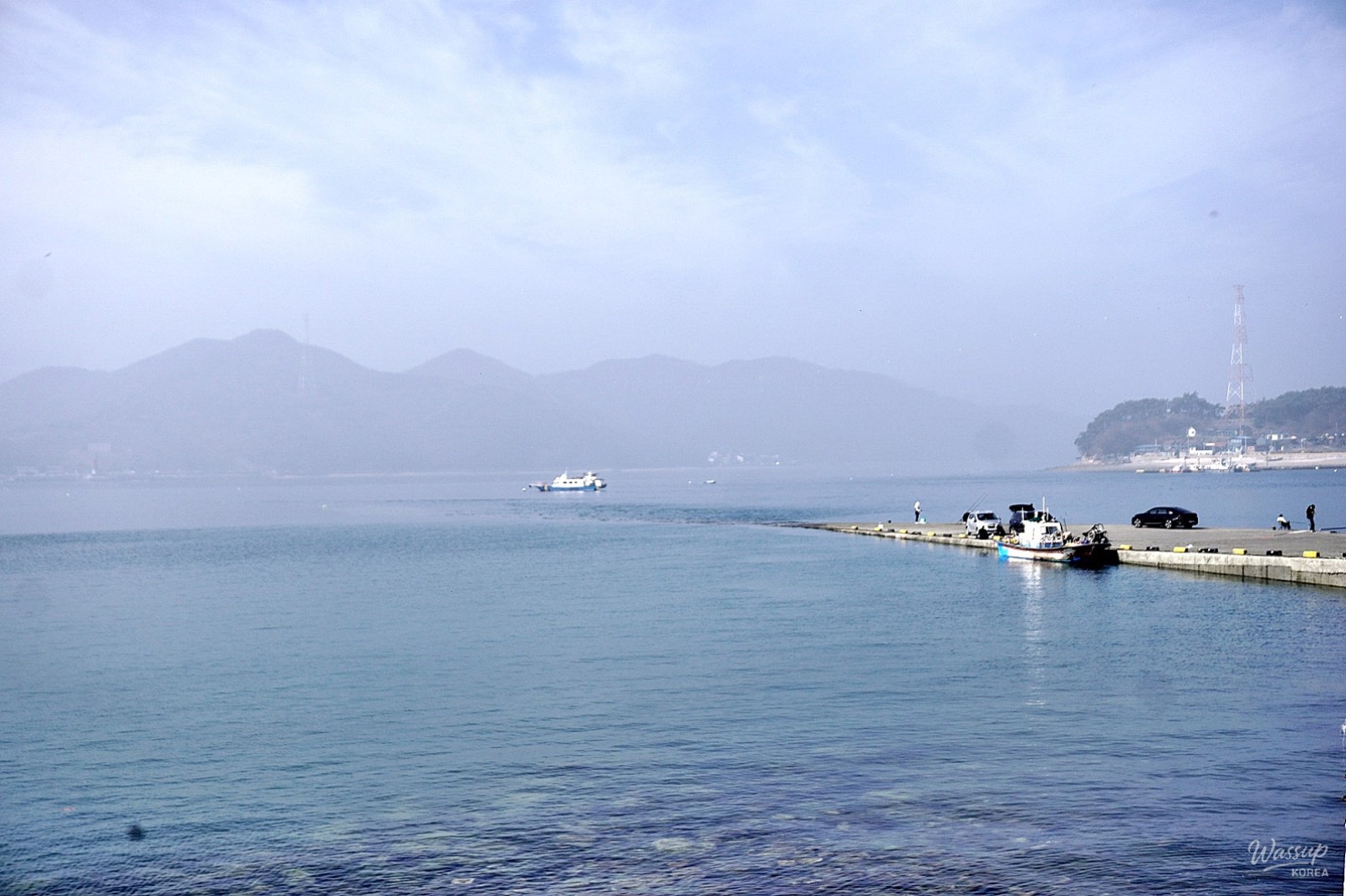
Though many areas have aged due to neglect, the seaside views remain stunning. The L-shaped breakwater extends long, with a small dock and mooring area inside.
In the early morning, the area was lively, with fishing boats constantly coming in and out.
On the right side of the breakwater, ferries to Sonan Island operate five times a day, with the first ferry departing at 7:50 AM and the last at 5 PM.
Dobido is often visited for fishing or as a gateway to Sonan and Daenan Islands. Additionally, it serves as a great driving route to enjoy the northernmost sea views of Dangjin, connecting with Janggo Port and Waemok Village.
With the tides changing twice a day, visitors can enjoy both high and low tides.
During my visit, the sea was at high tide, slowly receding.
The walk around Dobido begins at the tip of the breakwater, leading about halfway around the island. Passing the iron bridge, I saw the breakwater I had viewed earlier now behind me, with various islands visible in the waters ahead.
The morning bustle quickly faded, and as midday approached, Dobido became tranquil, allowing for a peaceful appreciation of the beautiful sea.
Pine trees, cherry blossoms, and forsythia intertwine between stone walls, enhancing the scenic beauty by the sea.
Dobido has many pebbles and sandy areas, with the water being clear and transparent.
The clarity of the water here contrasts with the murky typical waters of the Yellow Sea, reminiscent of the East Sea.
During low tide, areas of mudflat become accessible, allowing for activities.
If the water recedes completely, one can walk to the opposite island.
As the water began to recede, several people were already enjoying the mudflat, with the colors of the sea varying vividly beneath their feet.
Even in the chilly weather, the water's color tempted me to dip my feet in.
After returning from the resort area to my starting point, my short stroll had come to an end. The clear weather and the sea meeting the blue sky made for a truly beautiful day.
With fishermen frequently visiting and opportunities for mudflat experiences during low tide, the springtime in Dobido is incredibly beautiful.
While the current quiet enjoyment of Dobido is delightful, I also look forward to its transformation into a marine tourism complex by 2031.

Source :https://blog.naver.com/dangjin2030/224268948680
No comments yet.