Discovering the Unique Beauty of Unju Temple in Hwasun



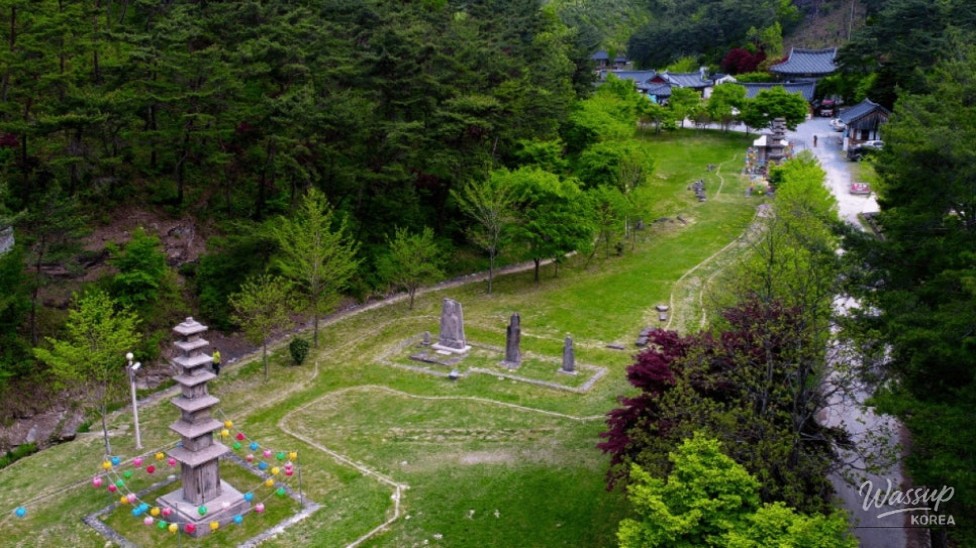
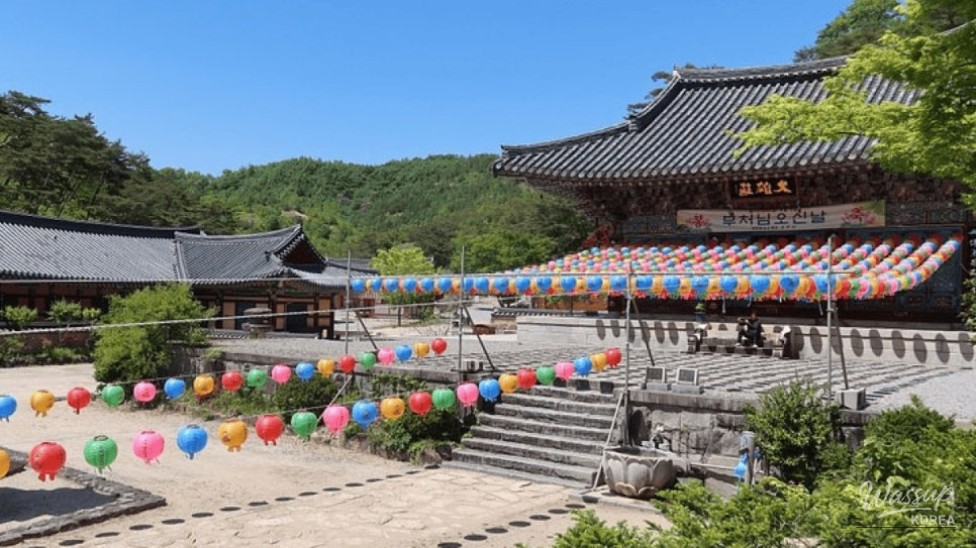
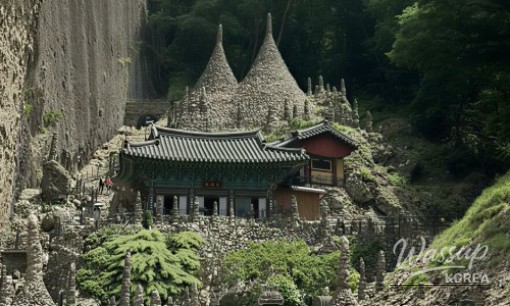
Unju Temple, located in Hwasun, Jeollanam-do, is one of the most unique attractions for travelers visiting the region. Unlike typical temples, hundreds of stone statues and pagodas are scattered freely along the mountainside, creating a distinctive atmosphere.
This site is geologically significant, situated on a layer of tuff formed from volcanic eruptions during the Late Cretaceous period. It has gained attention as a geo-trail that combines natural history and cultural heritage, being designated as a representative site of the Mudeungsan UNESCO Global Geopark.
As you ascend the western slope of the temple grounds, you will encounter two reclining stone Buddha statues. Designated as Cultural Heritage No. 273 of Jeollanam-do, these statues measure 12.7m and 10.3m, making them the largest reclining Buddhas in South Korea.
According to legend, the monk Doseon attempted to erect a thousand Buddhas and pagodas overnight but was halted by the crowing of a rooster, leaving the statues in their reclined position. The story that a new world will open when the reclining Buddha rises has inspired many writers, including Nobel laureate J.M.G. Le Clézio.
The stone statues and pagodas here are crafted using the unique properties of the easily breakable tuff. As a result, the faces of the Buddhas are flat, with simple lines depicting eyes, noses, and mouths, giving visitors a warm and friendly impression.
The treasure No. 796, a multi-tiered stone pagoda, is intricately engraved with diamond patterns and features circular multi-layered structures resembling donuts or Korean hotteok, showcasing geometric forms rarely found in other temples. Walking along the paths, you can enjoy comparing the various pagodas.
Entry to Unju Temple is completely free, making it an affordable destination. It is open year-round and offers ample parking, a cultural tourism information center, and clean facilities, making it an ideal spot for family outings.
If you are driving from Gwangju, it takes about 40 minutes (35km) to reach the temple. Alternatively, you can take city buses 218 or 318 from Gwangju Gwangcheon Terminal, which run approximately every hour and drop you right in front of the temple, making public transportation a convenient option.
Don't miss the best experiences that you will regret not having!






Source :https://blog.naver.com/tour_toctoc/224381336188
No comments yet.