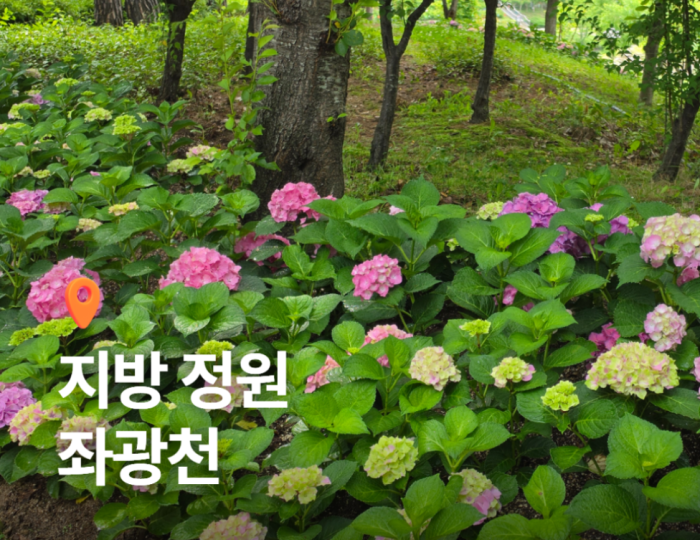
A Special Night in a 600-Year-Old Village



Experience a special night in a village rich with 600 years of history.
Enjoy a unique overnight stay at Myeoncheon Fortress, which has a history dating back 600 years.
In early June, the Hanok accommodations in Seongan Village opened. A total of four lodging buildings are now in operation.
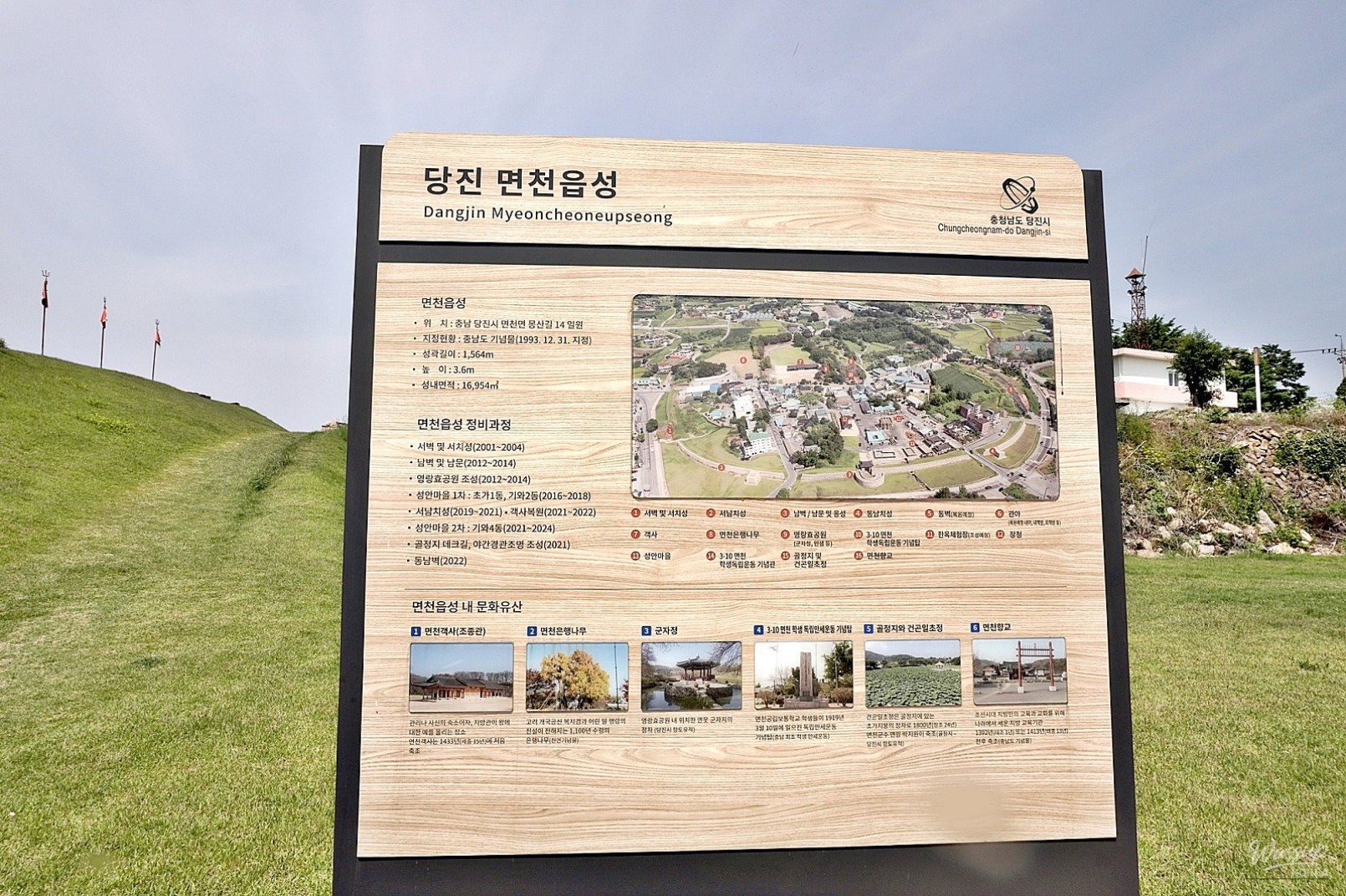
Myeoncheon, located in Dangjin, was the administrative center of Chungcheong Province during the early Joseon Dynasty. The stone fortress was constructed in 1439, during the 21st year of King Sejong's reign, and it served as a significant battleground during the Catholic persecutions and the Donghak Peasant Movement in the late Joseon period.
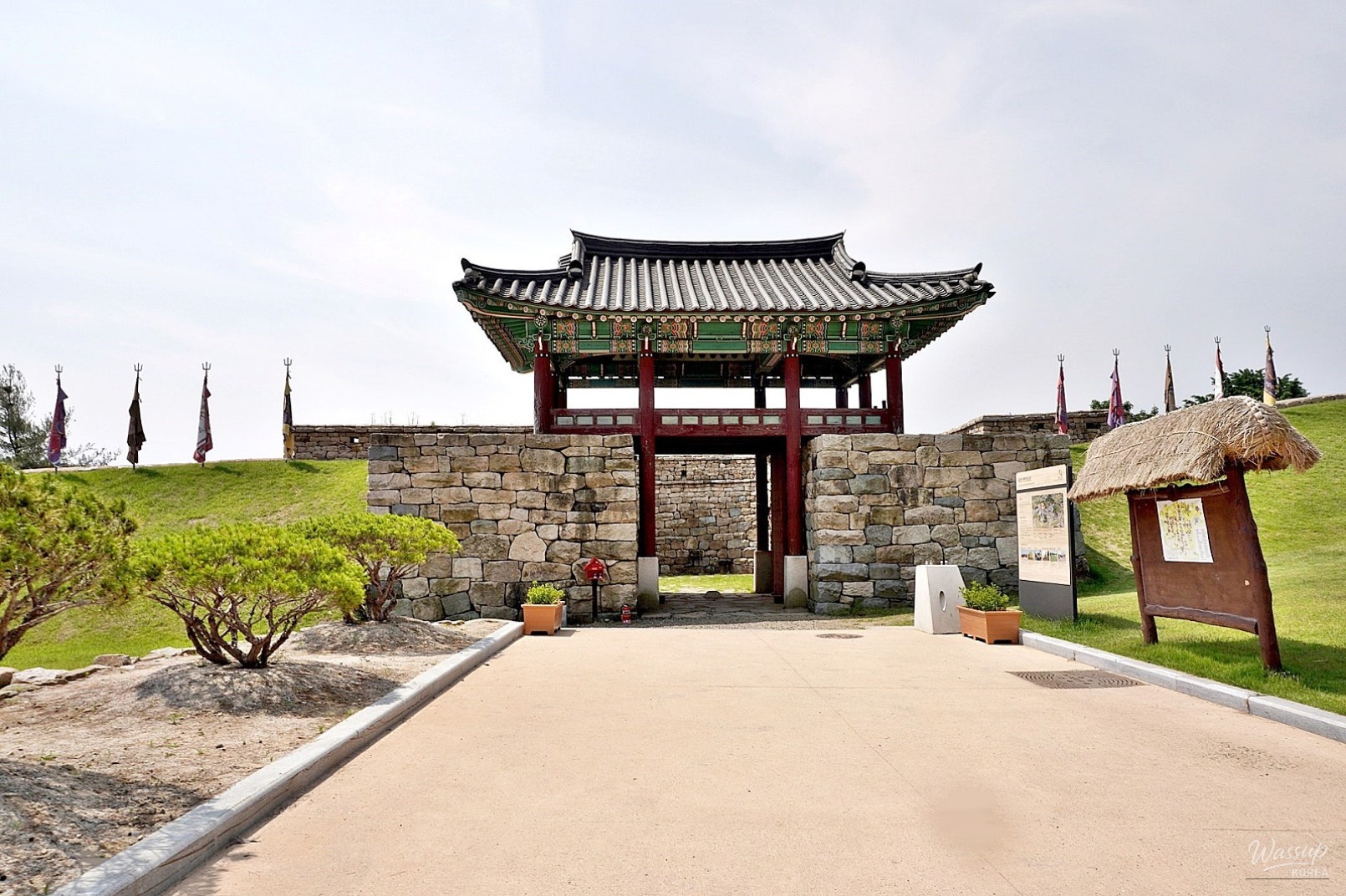
A large-scale restoration was conducted in 2007, restoring parts of the fortress including the South Gate, outer walls, and western wall. Legendary tales of General Bokjeong from the Goryeo Dynasty are passed down, and the Ginkgo tree, believed to be planted by the famed scholar Park Ji-won, is preserved alongside other modern structures.
Myeoncheon Fortress is the heart of Dangjin, where history, nature, and culture come alive.
The restored fortress walls and gates are beautiful, and the surrounding area is filled with historical attractions.
Festivals such as the Myeoncheon Azalea Festival, Spring Myeoncheon, and Moonlit Night Walk at Myeoncheon Fortress are also held throughout the year.
With the completion of long-standing renovations, the Hanok Village accommodations have officially opened. The lodging facilities are located within the East Gate of Myeoncheon Fortress, near the tourist information center.
Five to six buildings are clustered along the fortress walls, consisting of three to four newly constructed buildings in addition to existing Hanok structures. The lodging includes the Mugong Bukgyeomgwan, Bangchon Hwangheegwan, Yeonam Park Ji-wongwan, and Gobul Maengsaseonggwan, accommodating 4 to 8 guests per room, with rates ranging from 100,000 to 250,000 KRW on weekdays and 150,000 to 300,000 KRW on weekends.
To celebrate the June opening, an 80% discount event is currently underway, and reservations for July will be available starting June 25 at 3 PM on a first-come, first-served basis through the Dangjin City Corporation website.
Check-in is at 3 PM on the day of stay, with check-out by 11 AM the following day. Myeoncheon Fortress was built starting in February 1439 and completed in November of the same year, with a recorded perimeter of 3,235 feet, a height of 11 feet, and a wall thickness of 3 feet in the Annals of King Munjong.
Although it was maintained until the late Joseon period, it fell into disrepair afterward. However, through excavation and restoration, it has been brought back to life, and restoration efforts continue today.
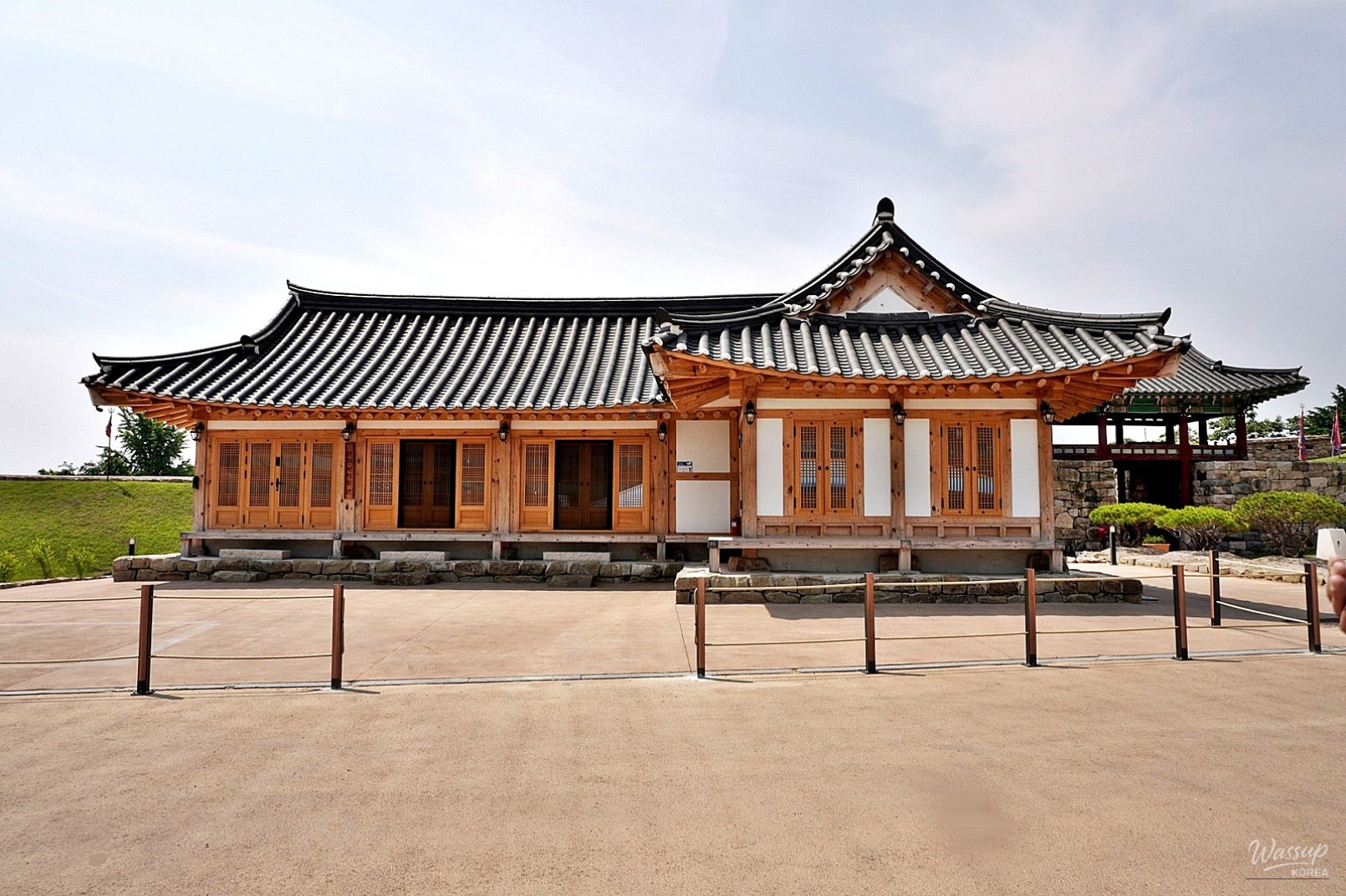
From Seongan Village, Myeoncheon Fortress appears as a gently sloping earthen fortress, while from the outside, it is a stone fortress. The newly constructed Yeonam Park Ji-won is made up of two rooms, a living room, and a kitchen, accommodating up to 8 guests.
Opening the windows of the Hanok reveals views of the fortress walls and stone fences, extending the tranquil atmosphere of traditional Hanok living. The double-structured entrance and lighting add a charming touch.
In the front yard of Seongan Village, a sculpture titled 'A Thousand-Year-Old Capital' has been installed, depicting the Myeoncheon Gwa-ri pepper.
The pepper, originally from Mexico, traveled to Japan in the mid-6th century through Europe and arrived in Korea at the end of the 16th century. Initially, it was a rare ingredient used only by the wealthy.
However, it was introduced to Myeoncheon early on by Park Ji-won, who served as the governor, and in 1968, successful cultivation of Gwa-ri pepper began in Myeoncheon. Today, it represents 50% of the country's production.
Seongan Village's Hanok accommodations include the newly constructed Yeonam Park Ji-won and Gobul Maengsaseonggwan, as well as the existing Mugong Bokgyeomgwan and Bangchon Hwangheegwan. The four lodging buildings vary in the number and size of rooms, presence of maru (wooden floors), and views from the Hanok.
With the serene wooden structures and tiled roofs, a one-night stay at Seongan Village offers a time travel experience back to the Joseon Dynasty, surrounded by the remnants of a 600-year history.
Seongan Village's Hanok accommodations are filled with activities, and the area is perfect for a leisurely walking tour, allowing visitors to enjoy a slow-paced journey without a car.
The first stop is the famous Kongguksu (cold soybean noodle soup) nearby, with popular restaurants like Old House, Chohwa Kongguksu, and Kimgamyeonok clustered around the Hanok lodging. Some restaurants already had long lines as the hot weather began.
A stroll around Seongan Village is a delightful and enjoyable experience. You can also find the retro-themed local bookstore 'Old Future' and the charming shop 'Jindallae' in the renovated 100-year-old post office.
During the Goryeo and Joseon periods, administrative centers were established in various regions, including the Myeoncheon Guest House built in 1433. It was preserved through modernization until its demolition in 1972, and it was restored in 2022.
The Myeoncheon Guest House features beautiful trees, including the designated natural monument Myeoncheon Ginkgo and the designated beautiful tree Zelkova. An event for writing wishes on wish papers is held under the yellow ginkgo leaves.
Below the hill with the Myeoncheon Ginkgo lies a pond created by the military officer Kwak Chung-ryong during the reign of King Gongmin of Goryeo, next to the guest house.
In the center is the octagonal pavilion Gunja-jeong, believed to have been built in the 1800s, offering a picturesque view.
Lotus flowers are blooming, and koi fish swim gracefully.
The refreshing scenery of Myeoncheon Fortress leads to the Myeoncheon Bamboo Forest Trail, connecting to Goljeongji, a pond created by Park Ji-won during his tenure as the governor in 1797. The charming thatched-roof pavilion Cheonggo-ilchojeong stands in the center.
In spring, cherry blossoms bloom, and in summer, lotus flowers can be enjoyed. As of June, only the leaves of the lotus flowers have emerged above the surface, with full blooms expected around July.
In addition to the accommodations, Seongan Village also features the old Myeoncheon Post Office and the Myeoncheon Art Museum, remodeled from an agricultural cooperative warehouse, which are worth exploring.
In June 2026, the Hanok accommodations in Seongan Village will officially open. Enjoy the beautiful scenery and historical explorations through your Hanok stay.
Source :https://blog.naver.com/dangjin2030/224317542247
No comments yet.