A Walk Along the Seoul Trails: Observations and Reflections

Sat, September 6, 2025
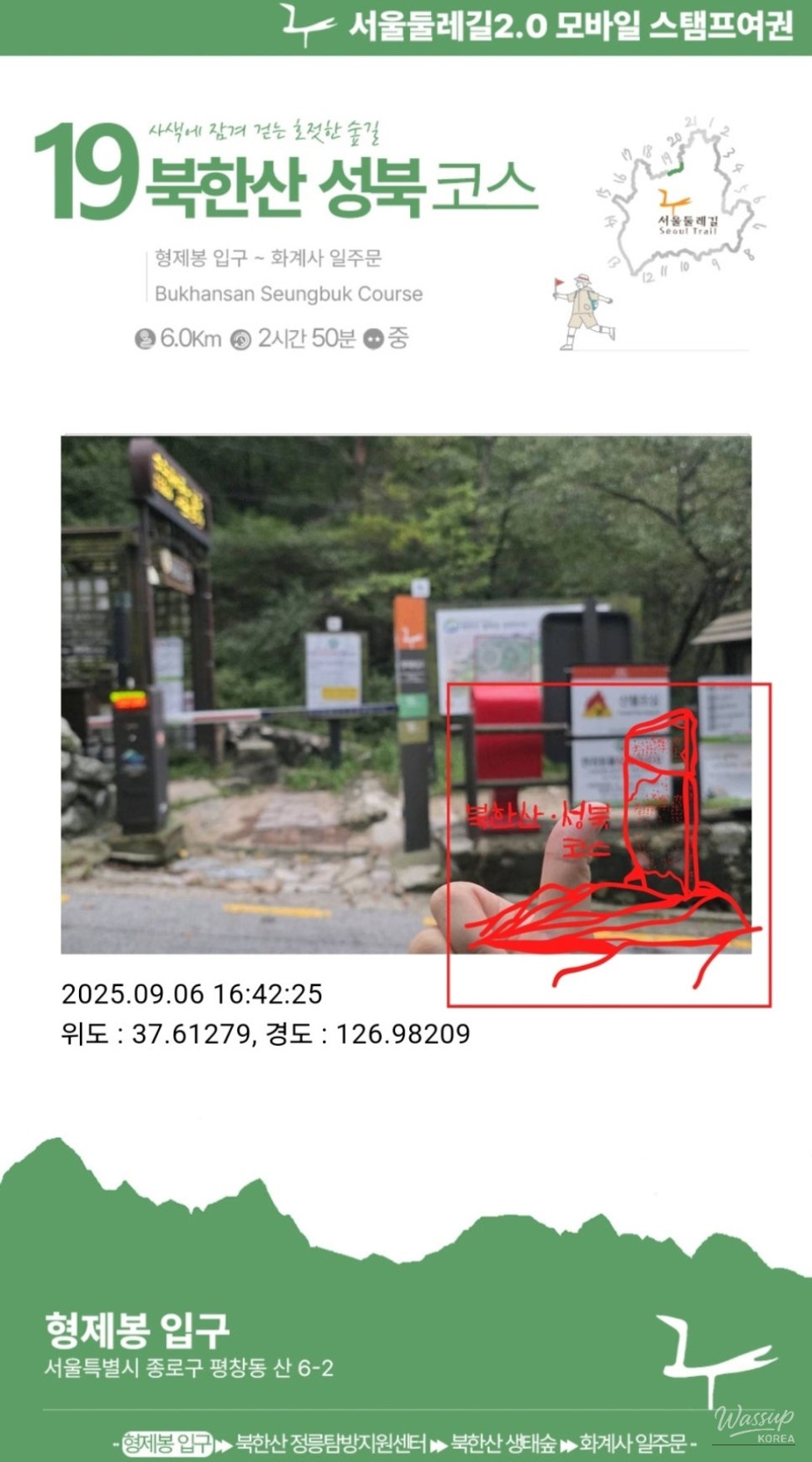
Route and Duration
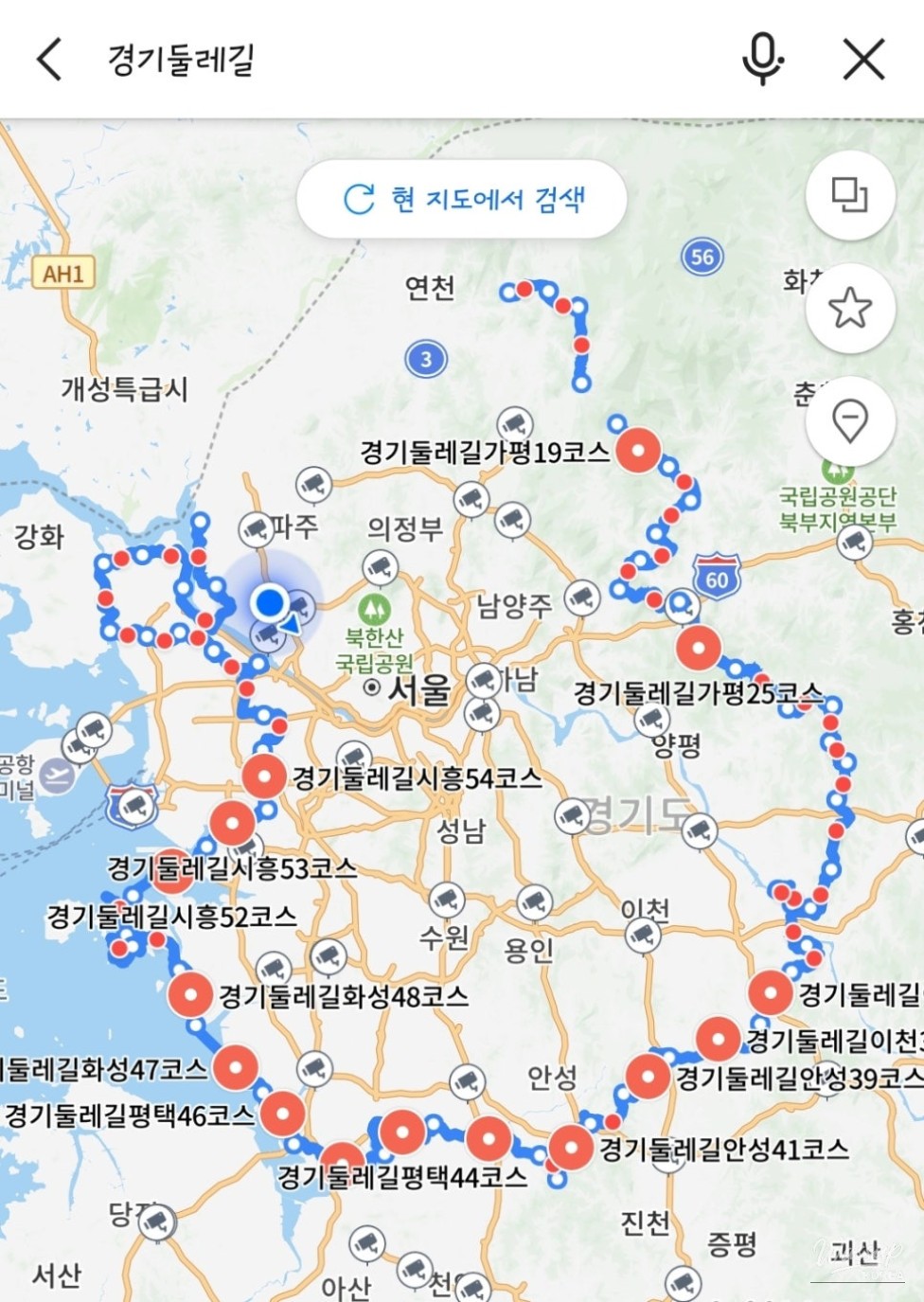
One touching (or so I felt) discovery while searching for courses:
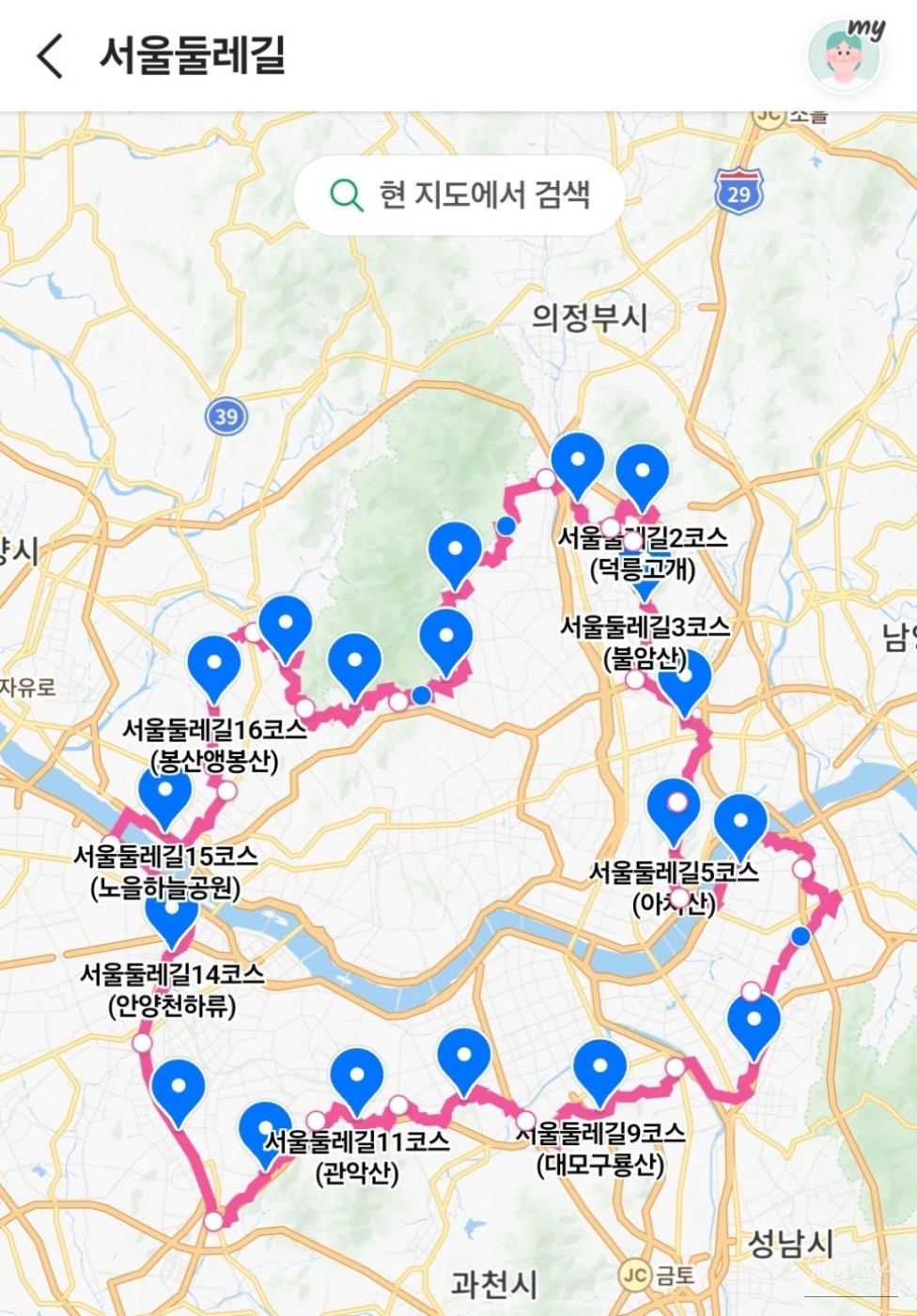
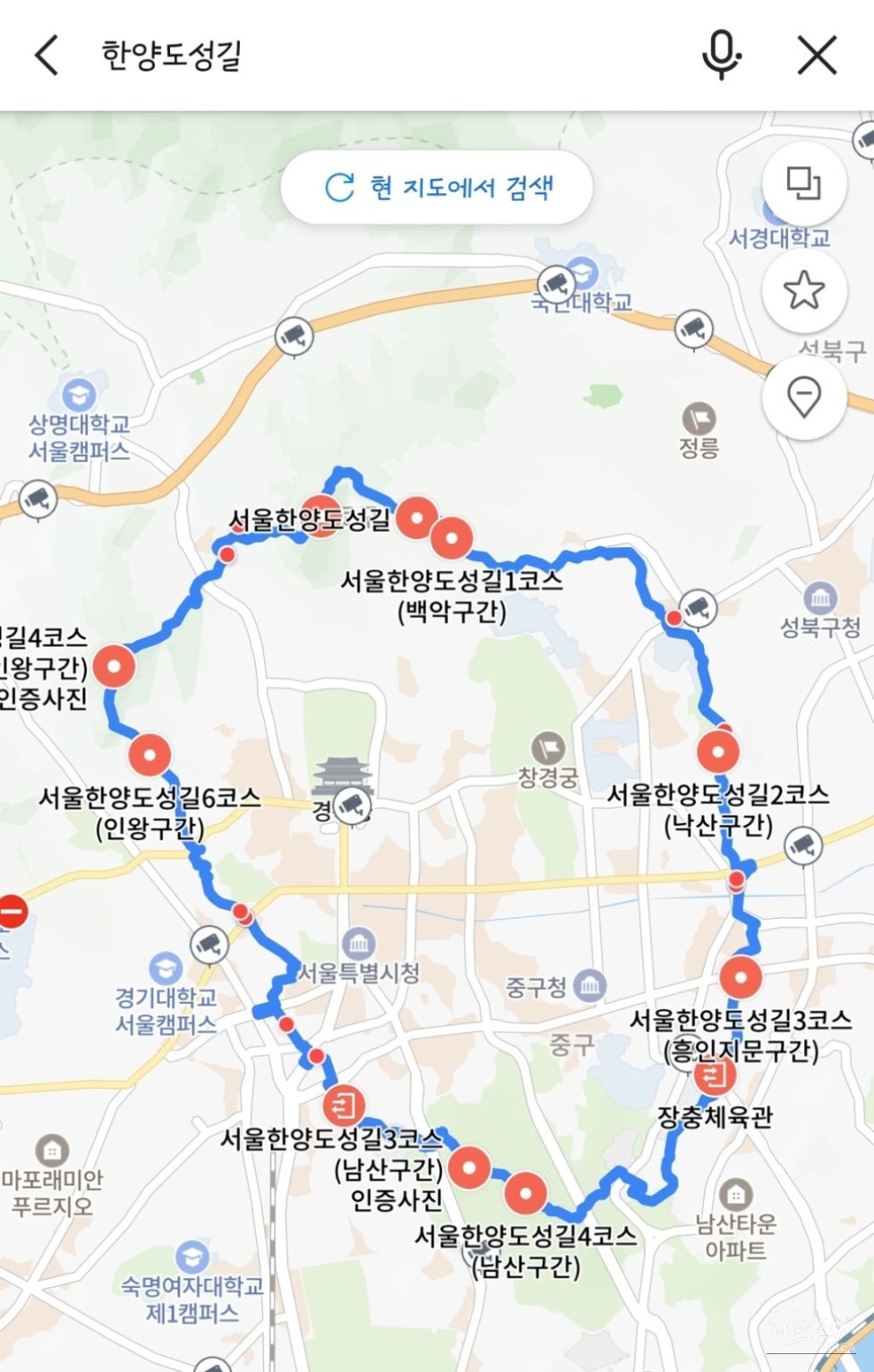
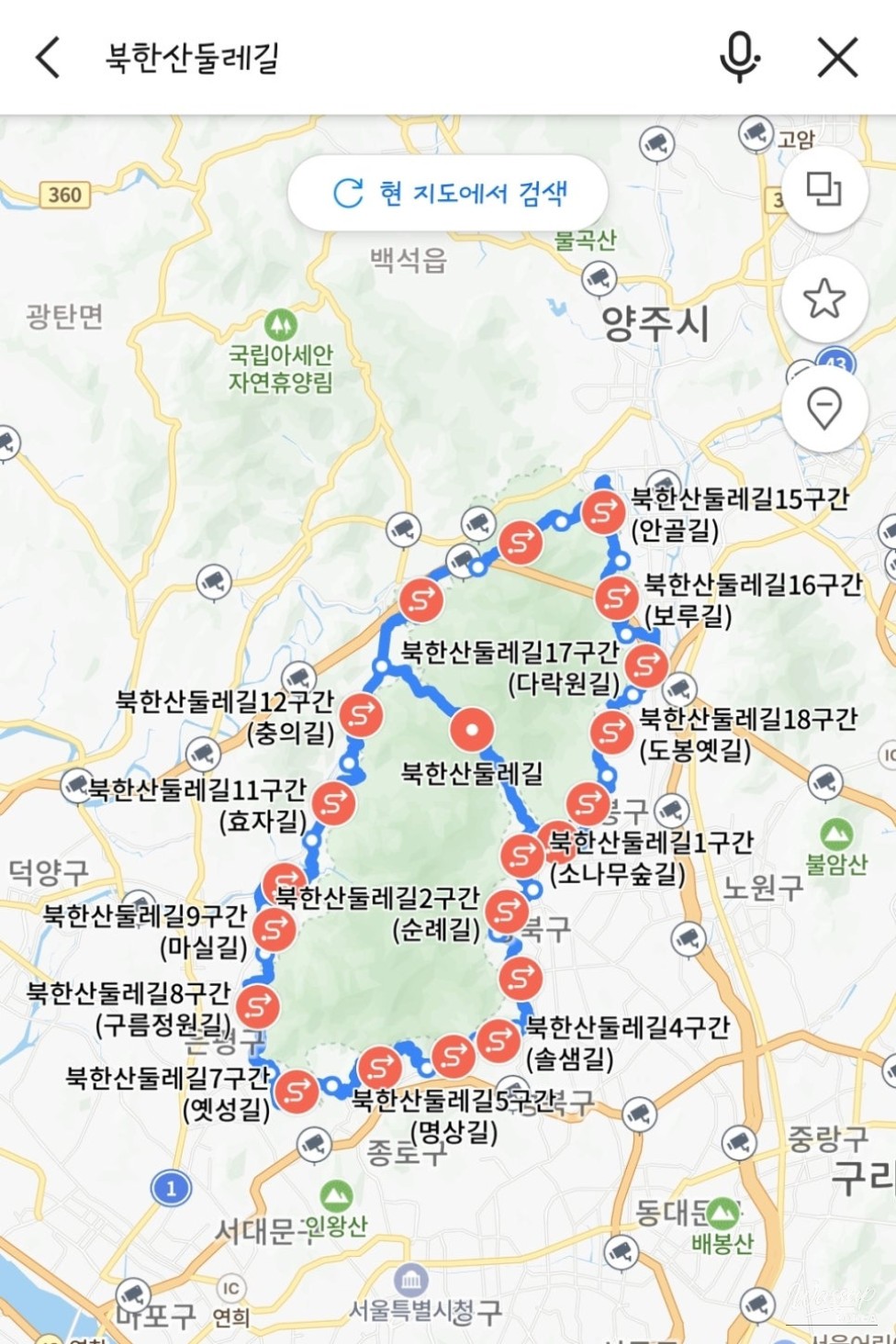
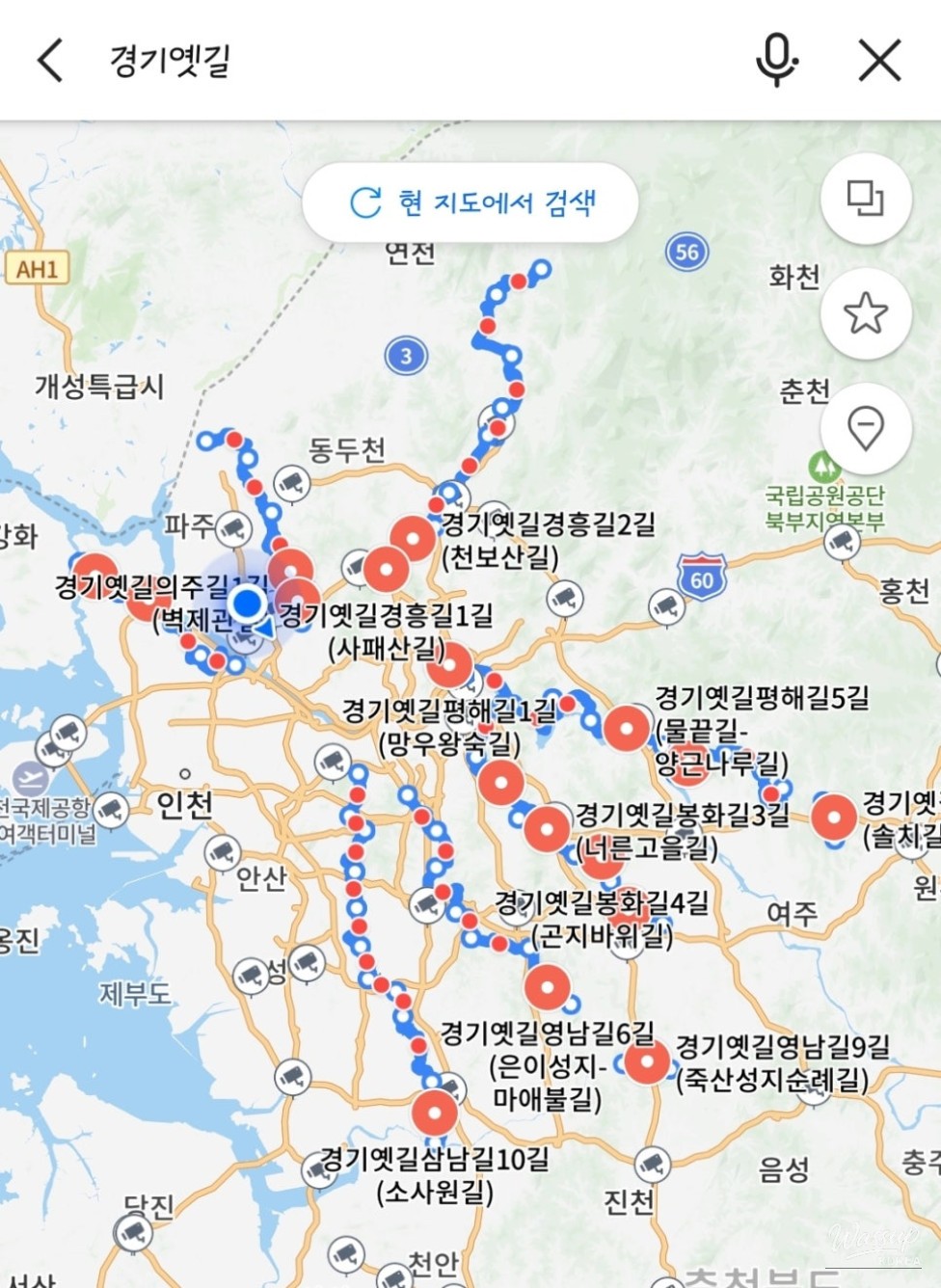
Until a few years ago, most of the *Dulle-gil* trails weren't clearly marked on Naver Maps. I started collecting trails to conquer about ten years ago, and even until recently, searching for the Seoul Dulle-gil would only show fragmented sections.
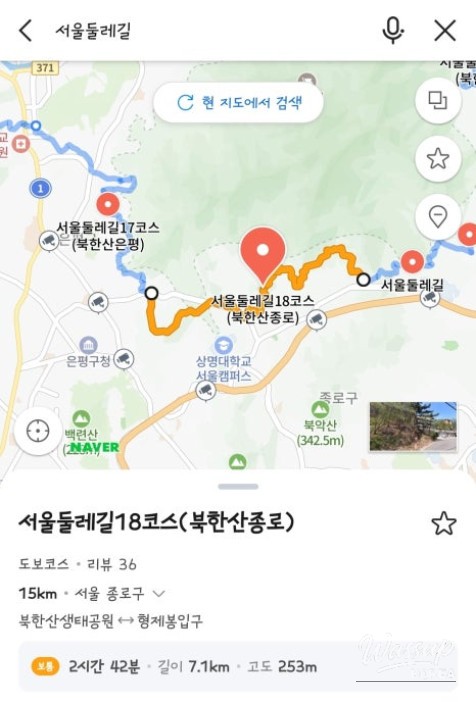
Now, except for some parts of the Gyeonggi Dulle-gil, you can follow most of the trails on Naver Maps. I didn't do anything, but I felt strangely proud.
If you click on each course, the difficulty, length, and elevation information are neatly organized. The world is becoming more detailed and convenient.
Observations
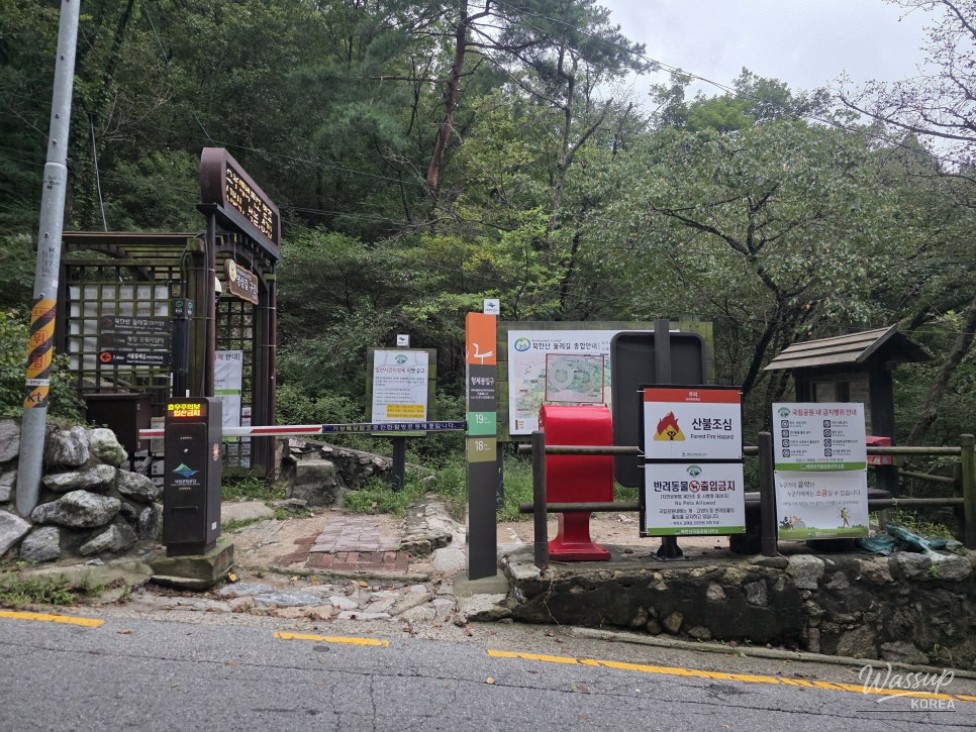
Departure! I was going to get the stamp, but the stamp location wasn't at the starting point but across the street. I didn't really feel like going back, so I decided to get the stamp for Course 19 at the starting point of Course 19 and set off.
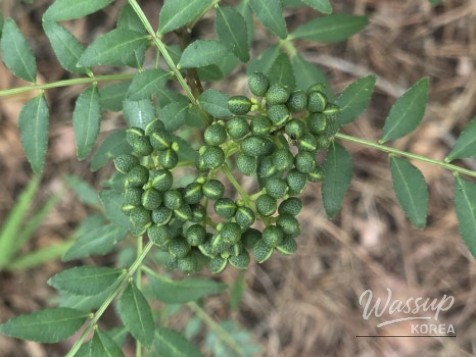
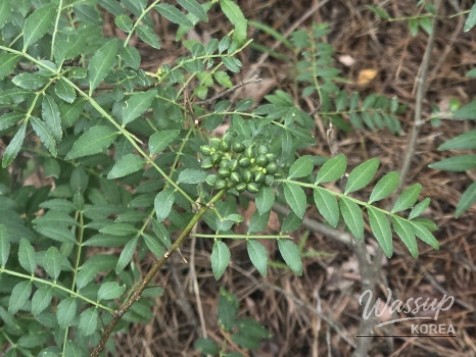
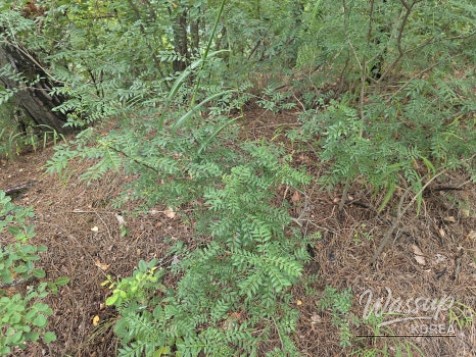
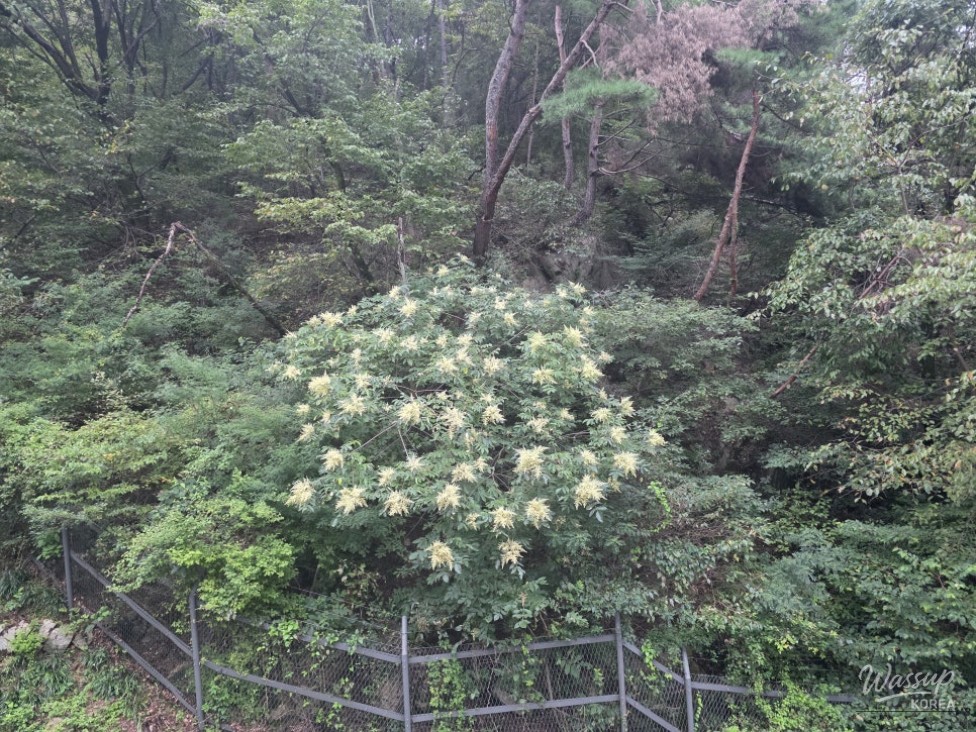
Pine forests were dominant, and there were many healthy Japanese pepper trees, probably because it was a dry area. There were still many unripe Japanese pepper tree fruits.
People often passed by saying, "That's the Japanese pepper tree whose fruit is ground into powder!"
While we do eat Japanese pepper powder, most of what's called Japanese pepper powder is actually Sichuan pepper powder.
Middle-aged and older people are very interested in plants.
If I meet friends my age, they mostly aren't interested even if I tell them about plants, and they give me skeptical looks, as if saying, "How could you know all that?" But when I'm hiking and older people show interest in plants, I want to tell them everything, haha.
I wonder why people like mountains and become interested in plants and nature as they get older.
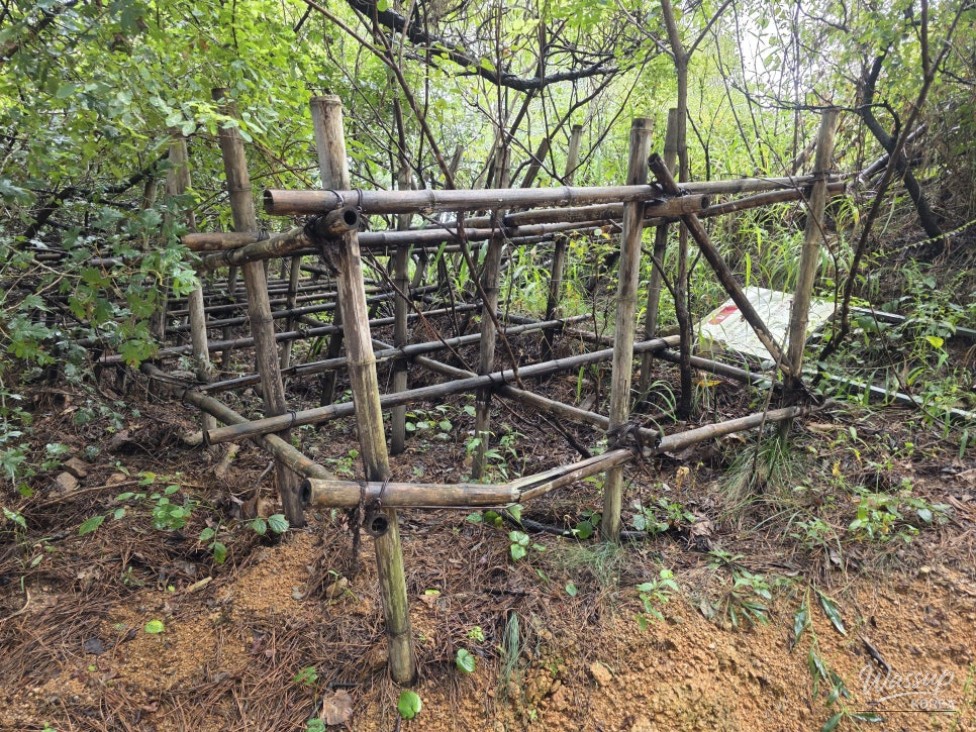
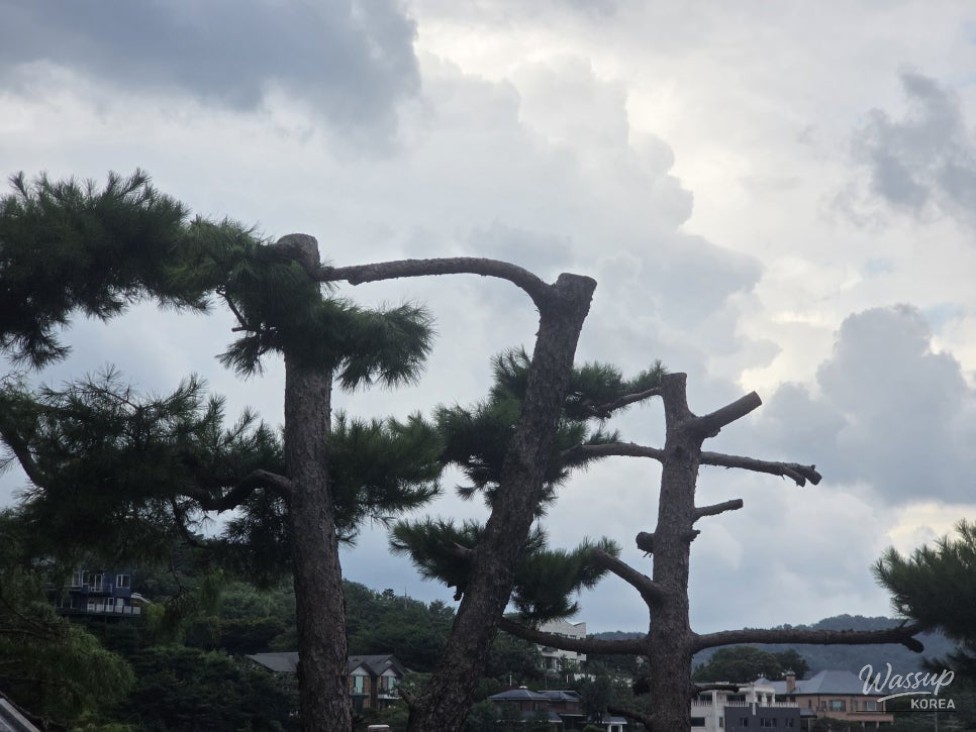
Boxwood taller than me growing at the entrance of the course. Bukhansan is a rocky mountain, but I guess it was planted in the past?
Boxwood is said to be a slow-growing tree. I don't think they would have planted a large tree, so it seems it has been growing in that spot for a very long time.
The peak wouldn't be visible until it's 5 meters tall????.
As soon as I passed this point, it started pouring rain.
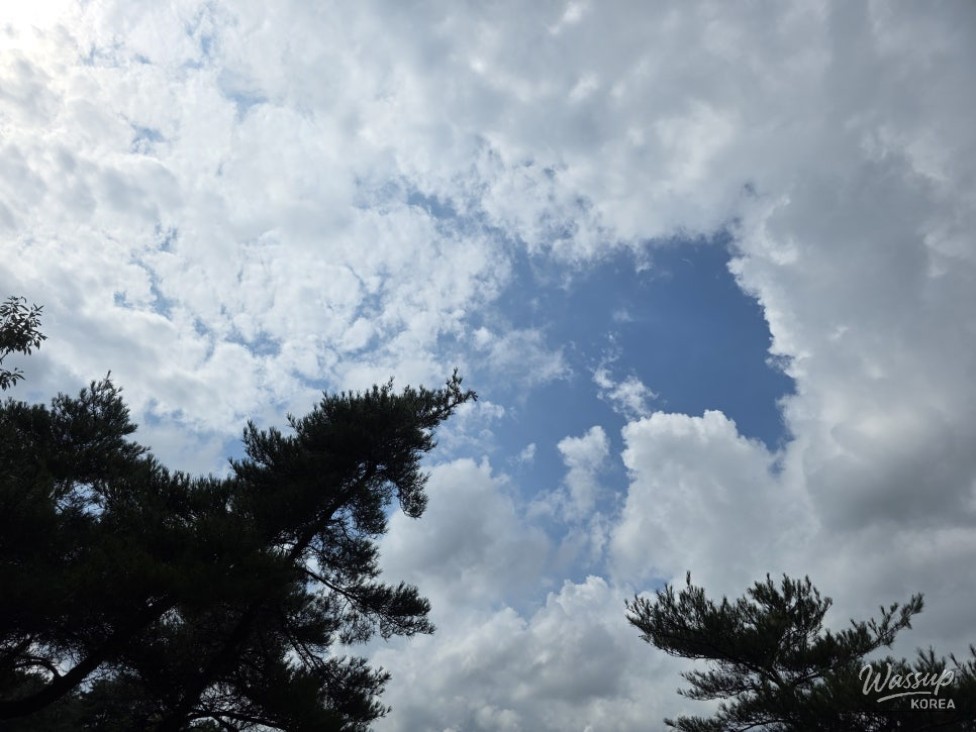
But ten minutes later, the sky was visible. It was like this all day.
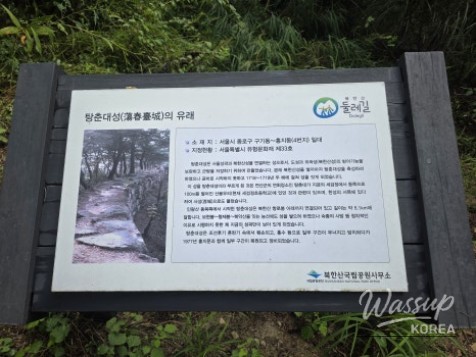
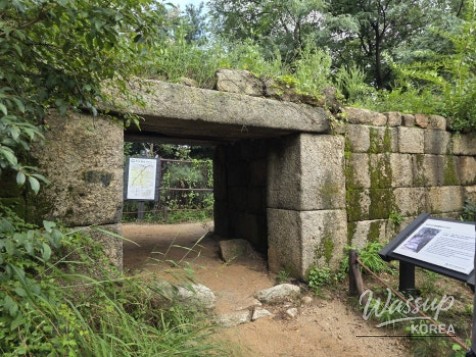
Tangchundaeseong Fortress. I asked my senior to explain the sign, and they explained it fluently. Professors and seniors alike, what are the brains of people who know all this like? As someone who seems to forget more than I learn every day, I can only envy that ability.
I envy and admire people who have experiences I don't and have a natural intellectual curiosity, and I want to be like that too.
My professors and seniors (Cha and Lee) commonly treat acquiring knowledge like a hobby????. I fail from the start. Will it become more fun if I get better at it?
I admire people who don't lose their intellectual curiosity even in moments of stagnation before reaching a certain level.
I still don't remember the story about the origin of cabbage and... what was it... that the professor tells every time, even after hearing it for five years.
Anyway, Tangchundaeseong was originally built by Prince Yeonsan for his leisure, but after the Manchu invasion, it was built to connect Hanyangdoseong (Seoul City Wall) and Bukhansanseong Fortress to prevent similar events, but it was never really used.
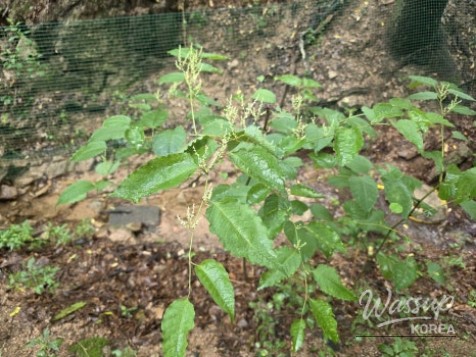
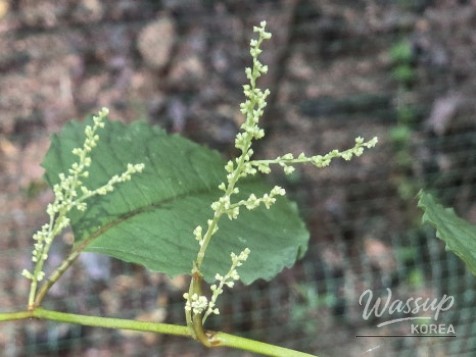
What is this?
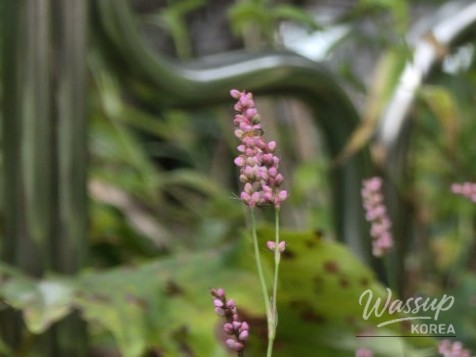
★★★A plant I've never seen before. Is it Japanese knotweed!?
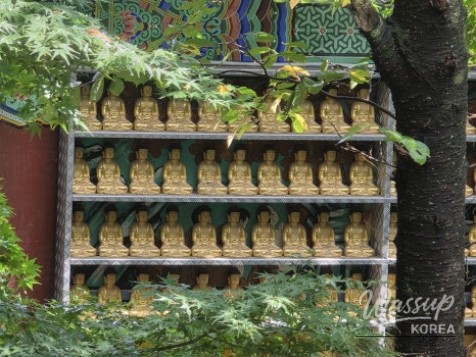
There were many Buddha statues and temples along the way.
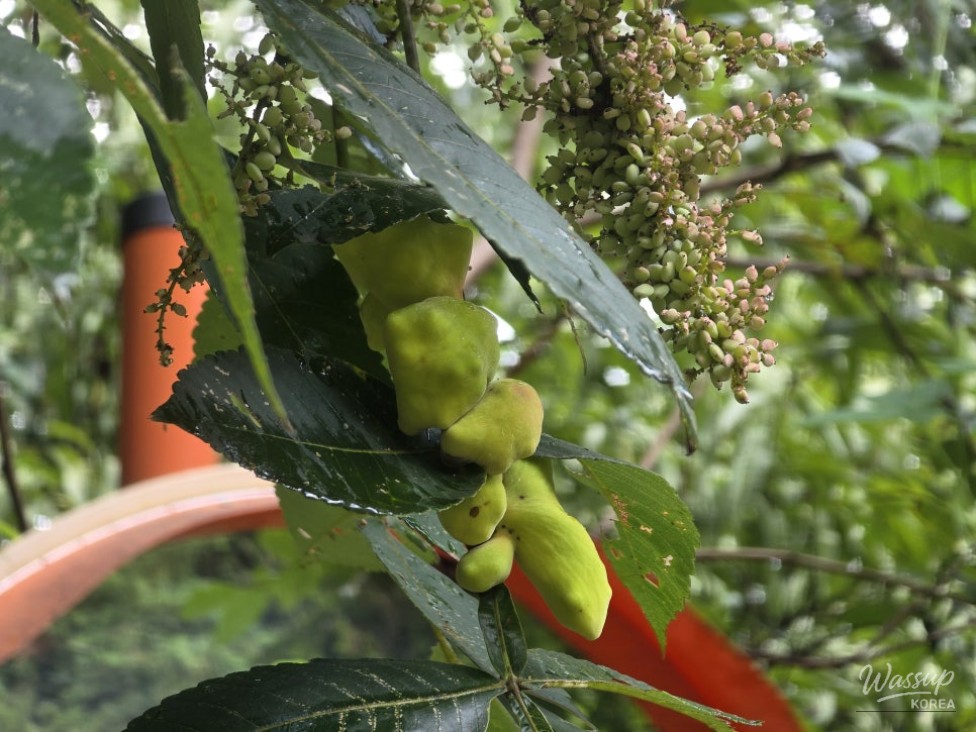
Galls on the Chinese sumac! Called *Obaeja*. Used as medicine.
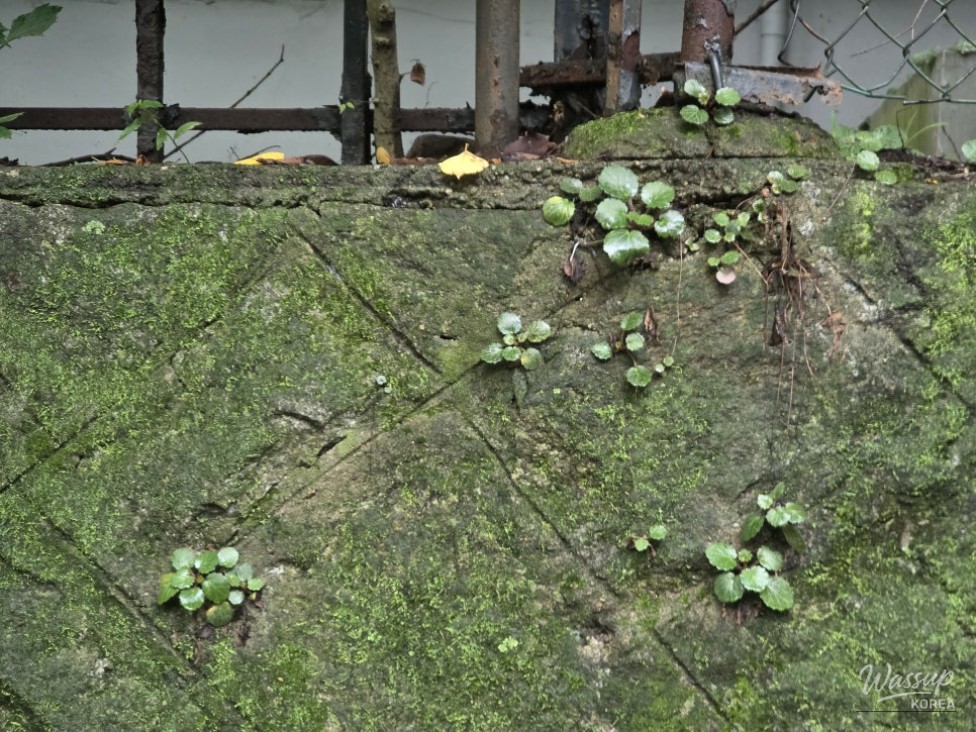
Saxifraga is commonly seen because it is often planted around.
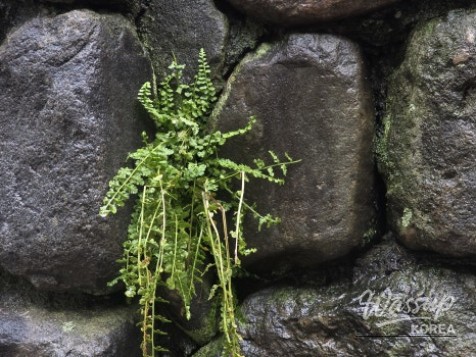
Unlike the Saxifraga I usually see, this one was adorably growing out of the concrete wall of a villa. Did the planted ones spread? Or is it growing naturally?
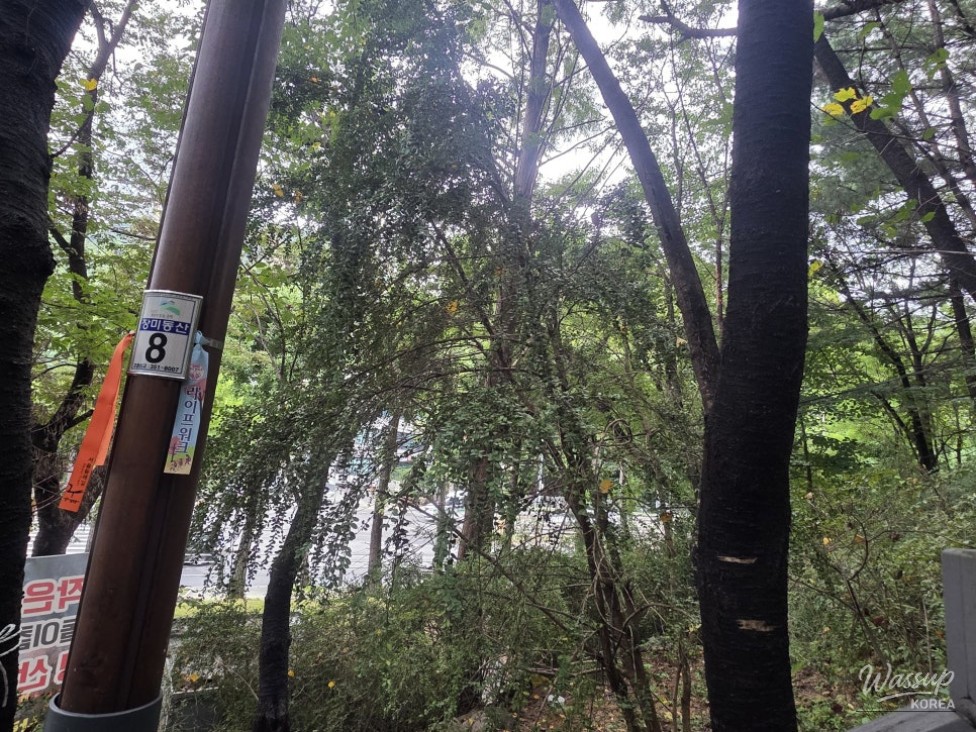
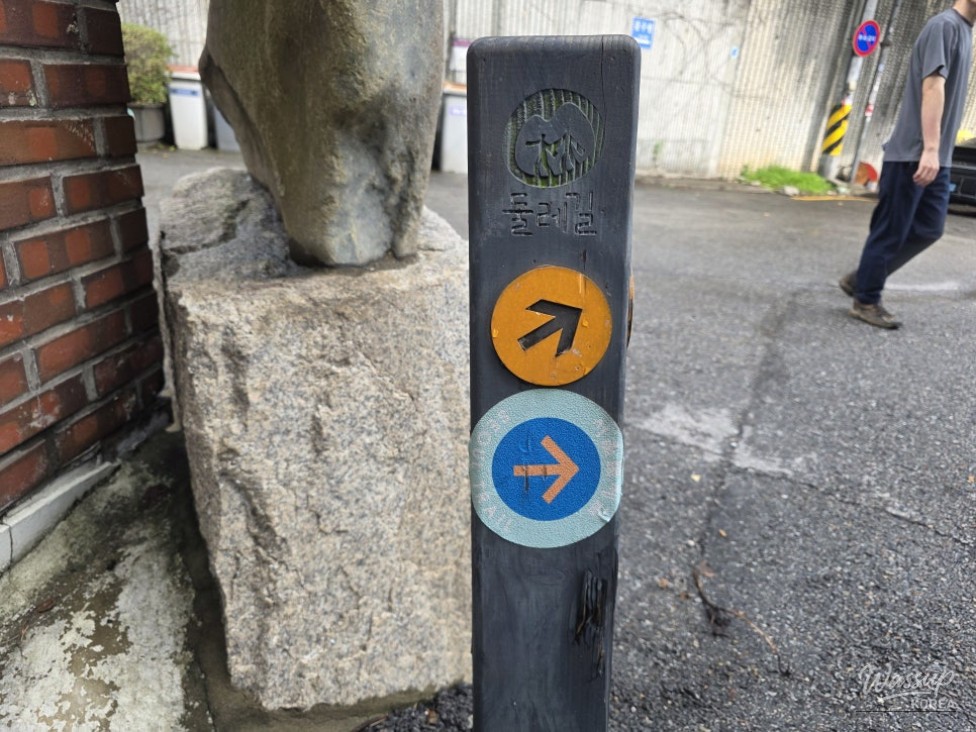
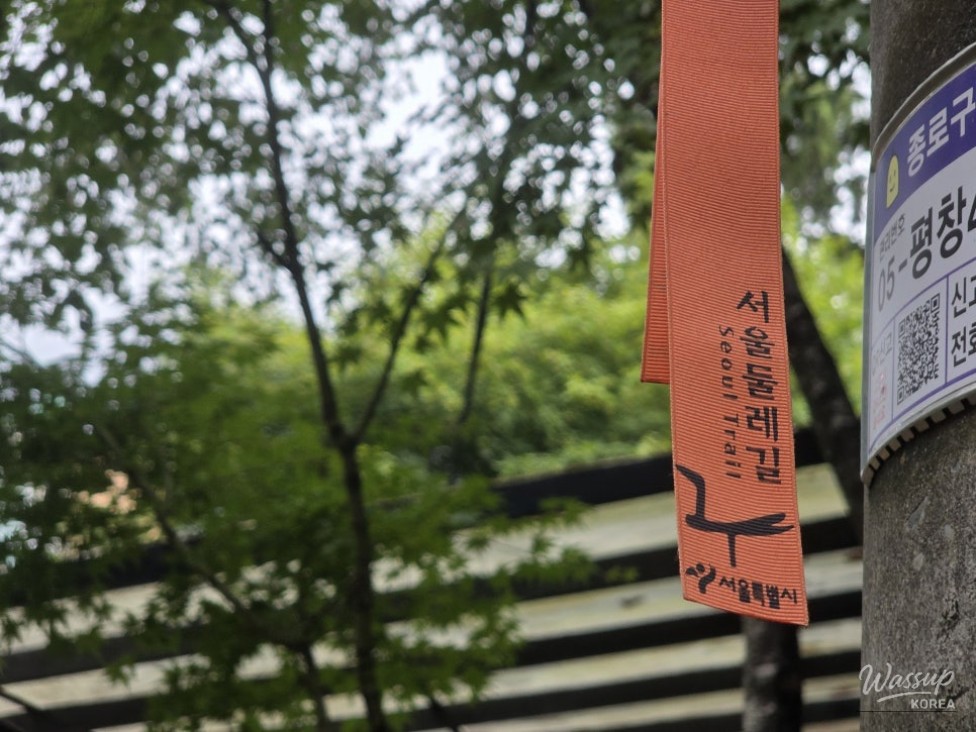
Seoul Dulle-gil Course 18 overlaps with most of the Bukhansan Dulle-gil route. The sticker attached below is the Seoul Dulle-gil sticker. It's not carefully attached to every route, so sometimes I have to check my phone.
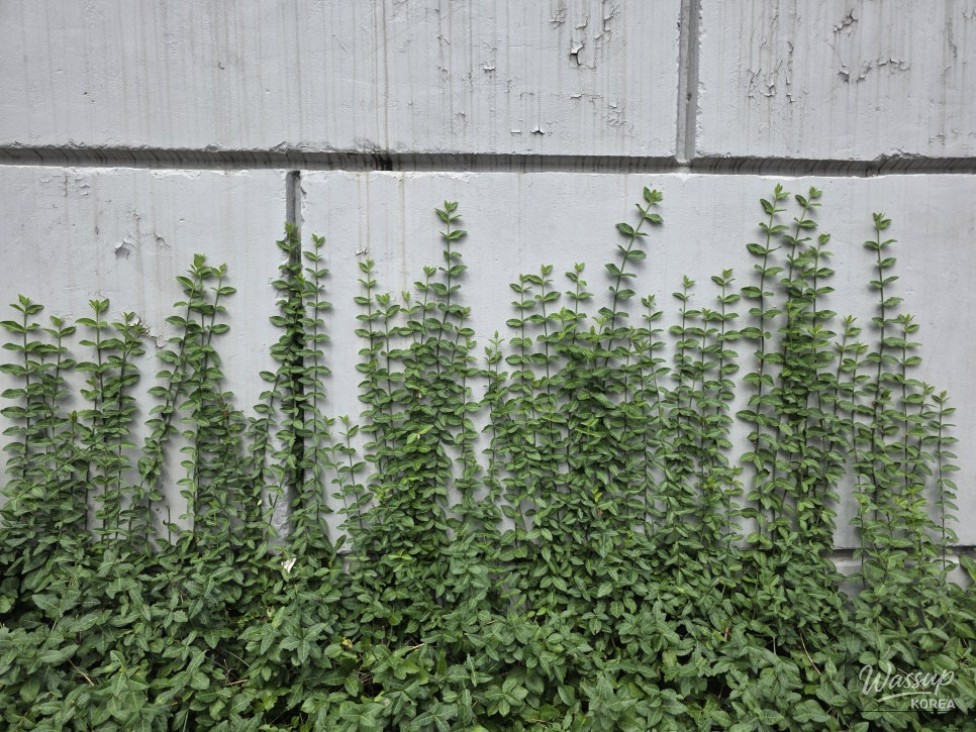
Euonymus japonicus were planted in the roadside flower bed, growing side by side along the wall. They don't have tendrils like ivy, so they aren't attached when you touch them. It was quite a charming scene.
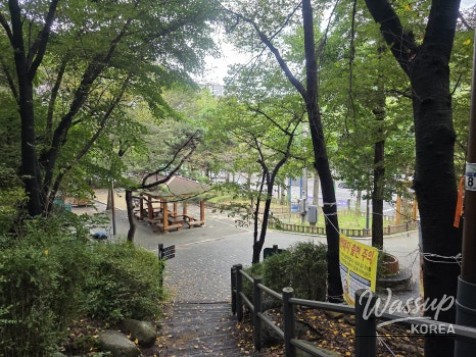
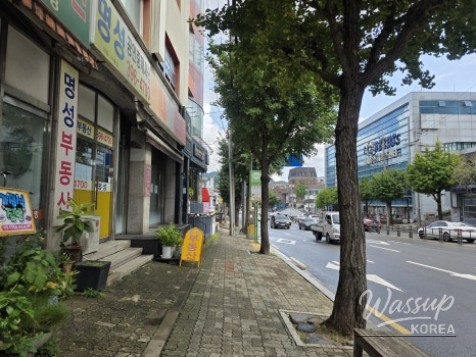
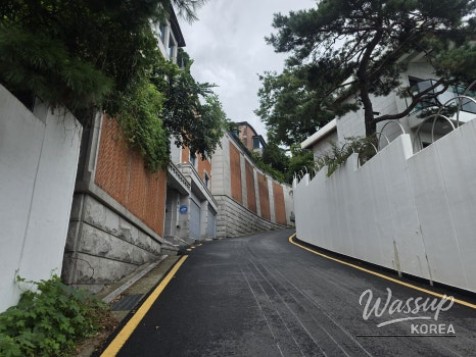
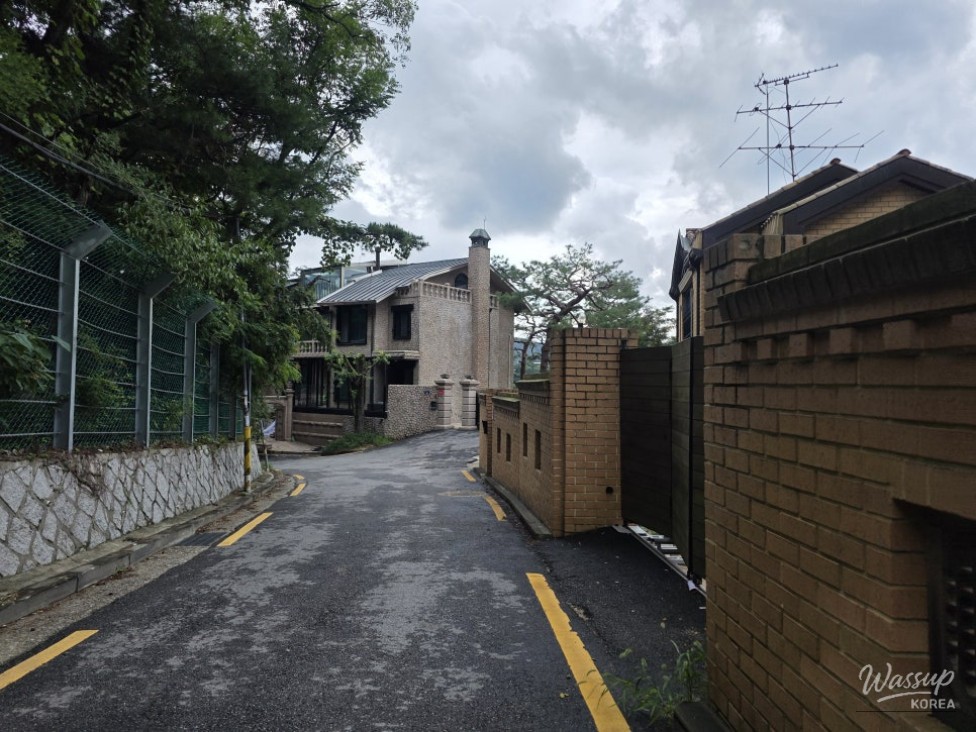
The Gugi-dong - Pyeongchang-dong village path that follows the end of the Bukhansan hiking trail section. High walls and grand, steep buildings. People who live in such nice houses probably never walk this steep road. So, walking this road that these people wouldn't walk (originally closer to the poor side than the rich side anyway), I felt a bit poorer. My senior said it's like a reverse Gae-mi Village (a shantytown). The mountainside is steep and high, but it shows extreme opposite aspects.
Ferns growing on the walls of houses. My senior said they like these scenes of plants carving out their own territory.
Entering the residential area, there were many places with tags attached to utility poles. Because it overlaps with Bukhansan Dulle-gil to the end, you can just follow the Bukhansan Dulle-gil stickers (they stand out more).
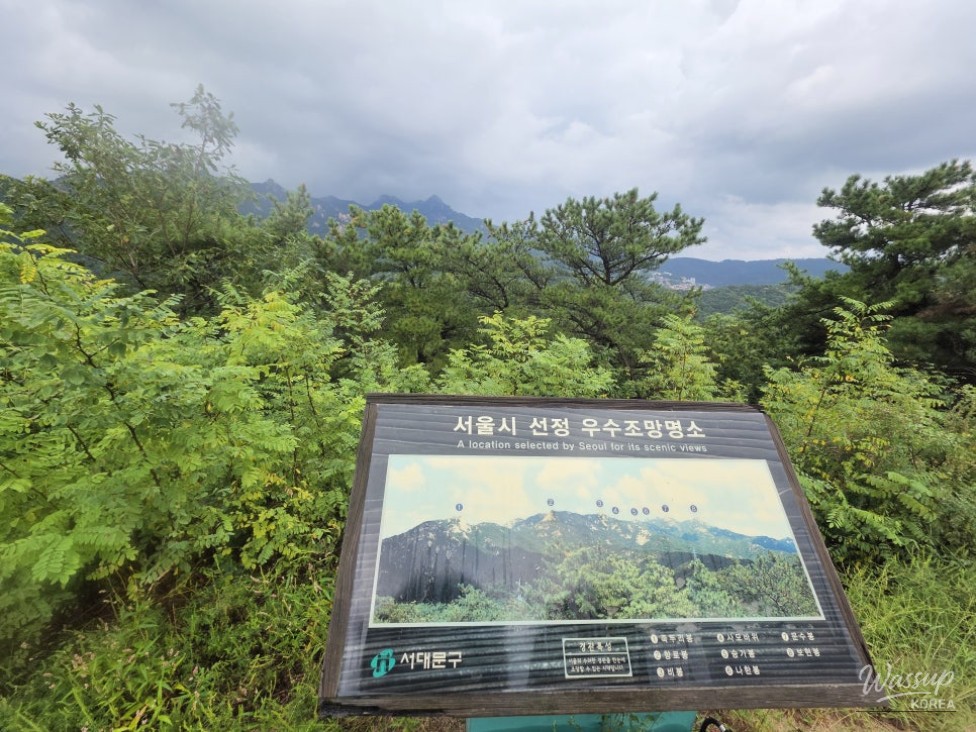
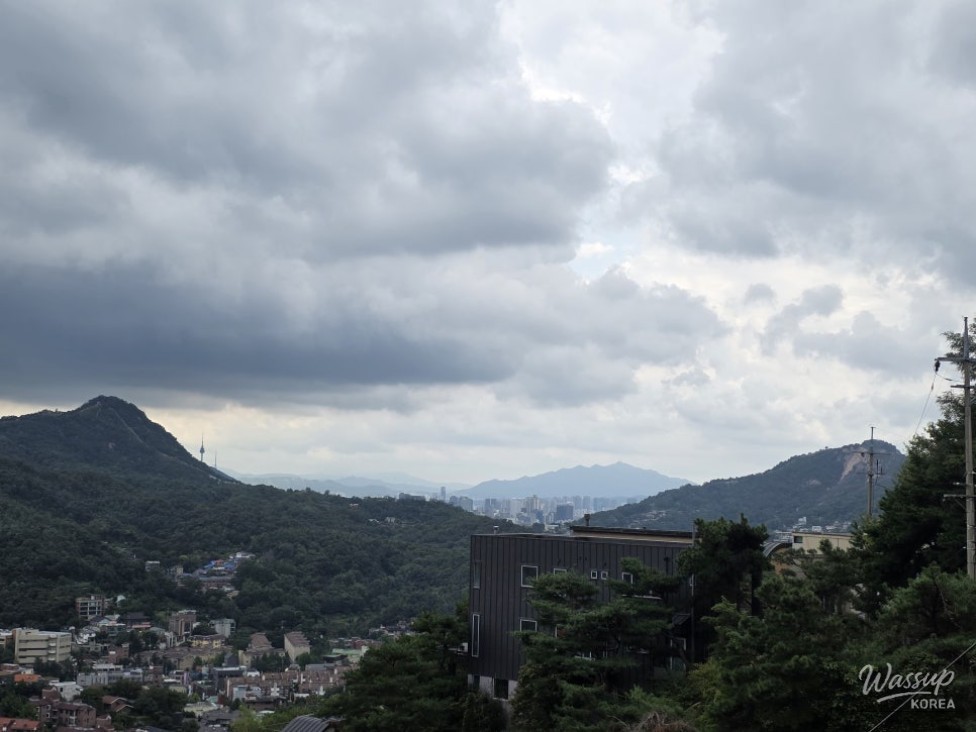
I couldn't capture it well in the photo, but the view I liked the most: Bukaksan Mountain, Inwangsan Mountain, and the inside of Hanyangdoseong barely visible.
You can see at a glance how wonderfully located Hanyangdoseong is geographically.
Persicaria thunbergiana that goes well with the humid weather.
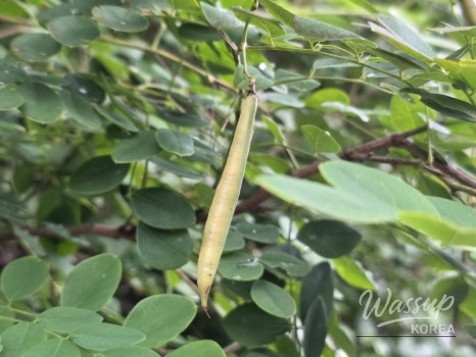
Lespedeza tomentosa, which I think I'm seeing for the first time in Seoul.
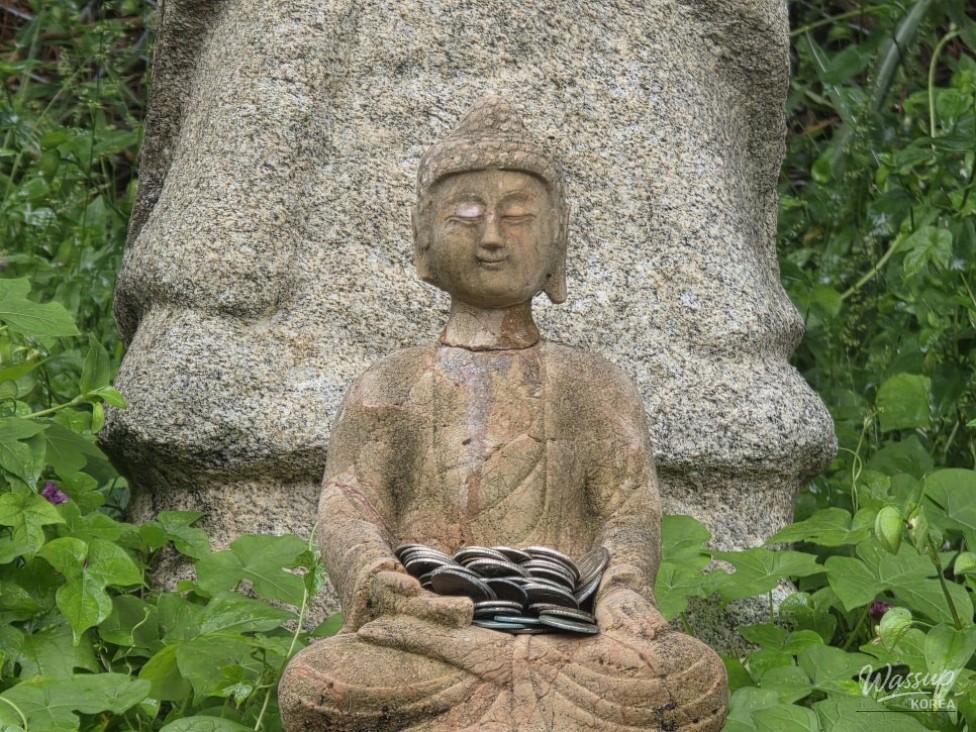
Cute Buddha statue and mismatched collection of coins, haha. Buddha wouldn't want that.
A temple along the course.
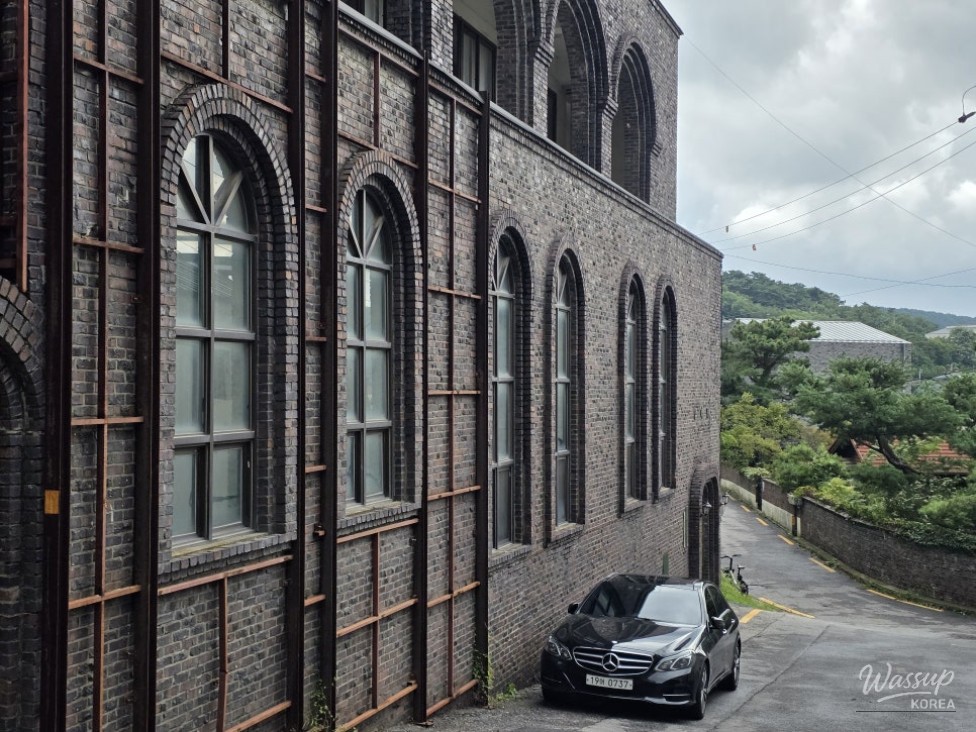
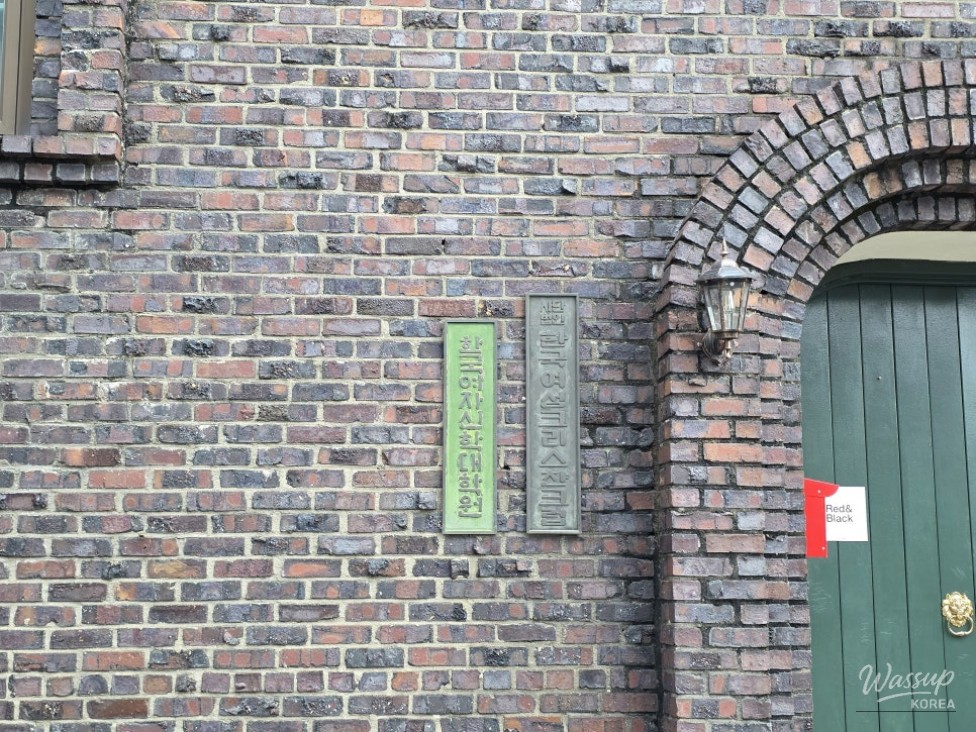
A building like a modern historical site. The arched windows with bars made me wonder if it was a prison.
It turned out to be a graduate school. It was funny that two graduate students suspected a graduate school building was a prison.
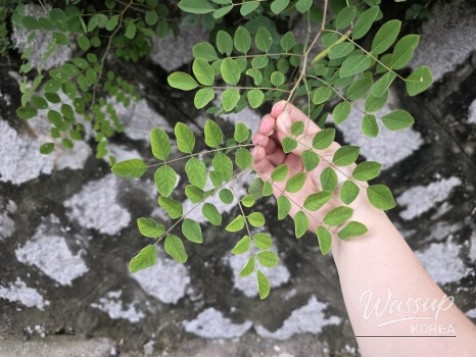
Abelia mosanensis.
Maybe it's because it rained so much on the mountain path, but I liked the village path better for walking with someone. There were so many nice houses and cars to see.
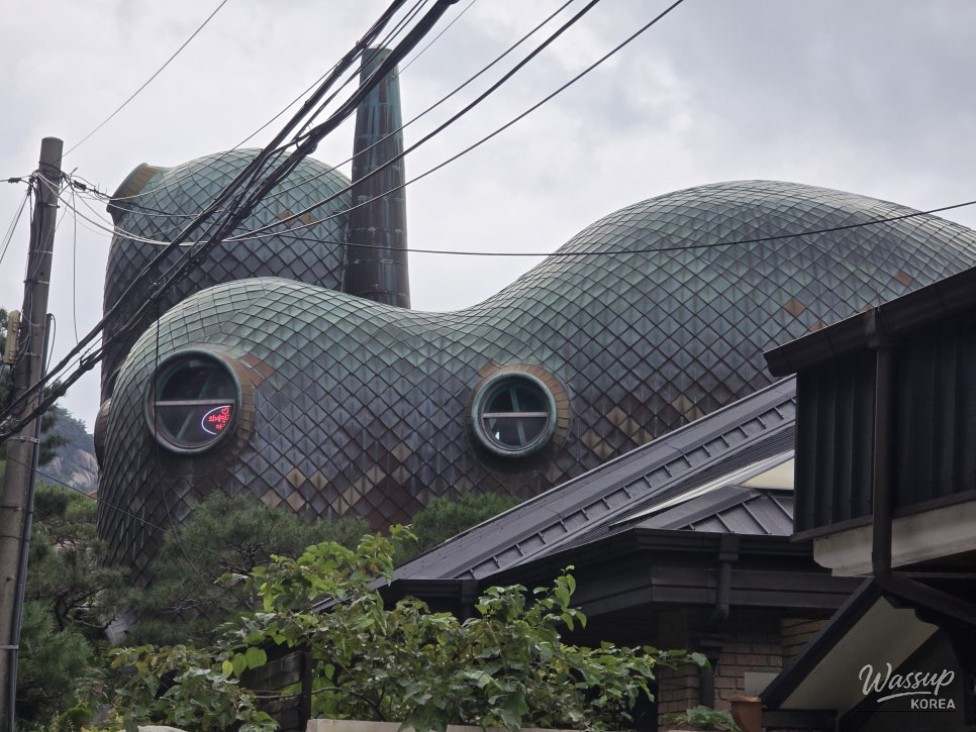
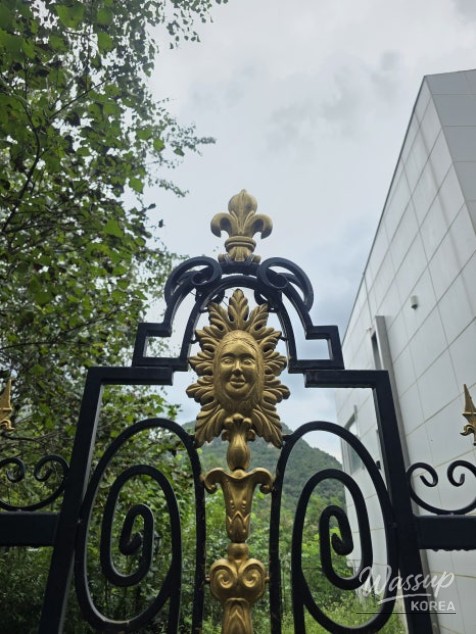
There were so many grand houses and unique galleries that I couldn't even estimate the size of and it was not boring while walking around looking at stuff .
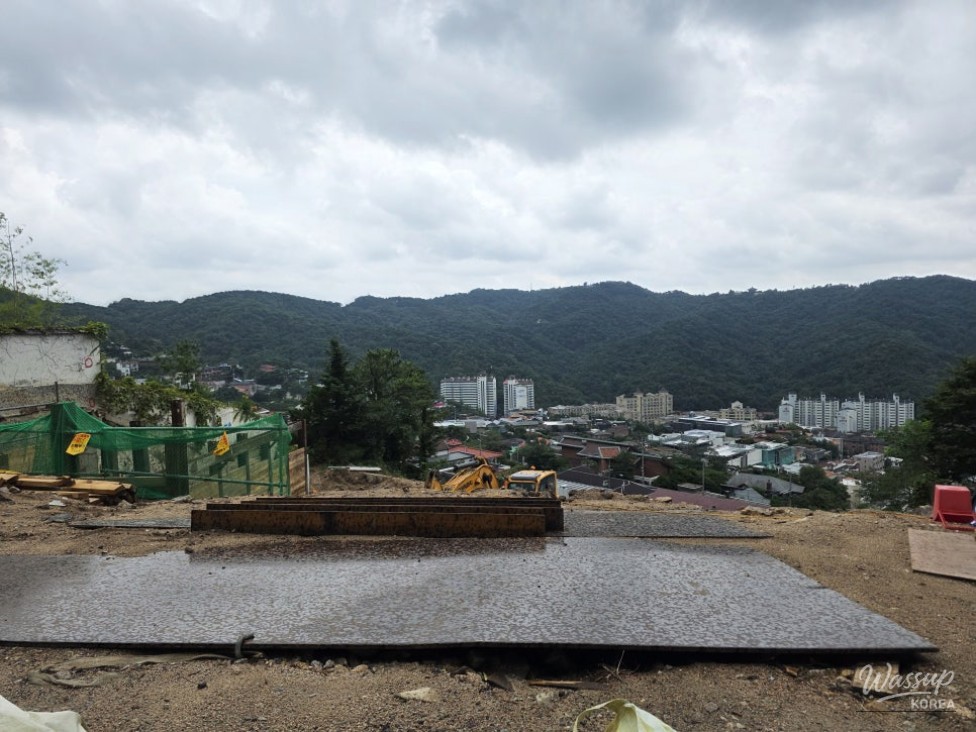
A new house seems to be going up. It's quite a cliff, more than I thought.
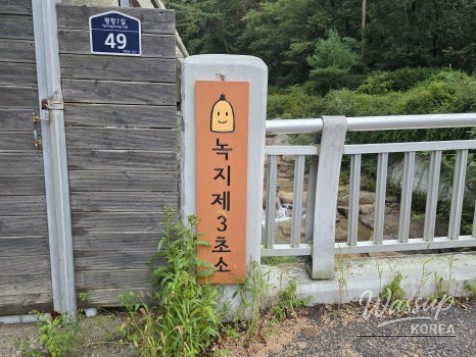
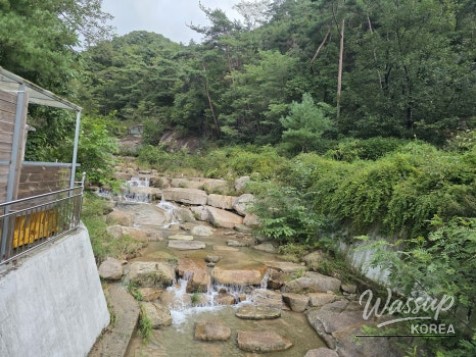
The Jongno-gu mascot is always cute. The first valley I encountered on the course. Uninteresting vegetation????
The End!
As promised, I just got the Course 19 stamp at the end of Course 18 - the start of Course 19.ㅜㅅㅠ
On the way down after finishing
Me: Chinese sumac is Buxus!!!
Senior: ....
Me: Isn't it?
Senior: No
Me: Then what was it?
Senior: Rhus, Buxus is boxwood
It's okay to be wrong in front of seniors. ????????????
The rain that barely held off during the course poured down on the way home after finishing, so I ended up getting soaked. I hurriedly went into Twosome Coffee to avoid the rain and we parted ways.
I packed my laptop and things to study, but I got too wet and it was too late to study, so I just became someone who carried a heavy bag around. Hahaha????????
Conclusion
I didn't walk for that long, but I felt like it took a long time because I was anxious about having something to do in the evening.
If I don't have any plans on weekend mornings, I often waste them, but most courses are within 10km, so I thought it would be good to wake up a little earlier and walk one course at a time.
And I thought it would be good to have a small project that I can do while walking. Walking itself is self-satisfying, but to create a more positive effect...?
If I have more time and find it more fun and walk more often and longer distances, the activities I do while walking can accumulate and have another meaning.
Here are some things I've thought about:
1. Don't bring my phone
- I'll have to see if it's possible next time. It would be good to go when I have time, and the weather is good.
- But if I don't have my phone, I'll have to bring a camera, and there's no function to track the route on my watch, so I need to think about how to solve that.
2. Plogging (picking up litter while jogging)
- I think it would be possible if I could overcome the embarrassment of picking up litter alone.
3. Don't create plastic waste
- I don't usually eat a lot of snacks in between, so it was easier than I thought. Next time, I should bring some fruit.
4. Create a topic for contemplation
- There's so much to see that I don't really think it's necessary, but I wonder if it would be necessary if I'm walking alone and don't have my phone.
5. Discover new plants
- Especially if I'm walking in the Seoul area, there's no chance of discovering new species. Even if it's just a fern, it would be meaningful to study at least one species when I go out!
Next time, I'll have to decide which item to choose when I walk alone.
Here are some additional images from the walk:
Route and Duration
Observations
Conclusion
No comments yet.