Tongdosa Temple: A Jewel of Korean Buddhism
108 Tongdosa-ro, Habuk-myeon, Yangsan-si, Gyeongsangnam-do
통도사


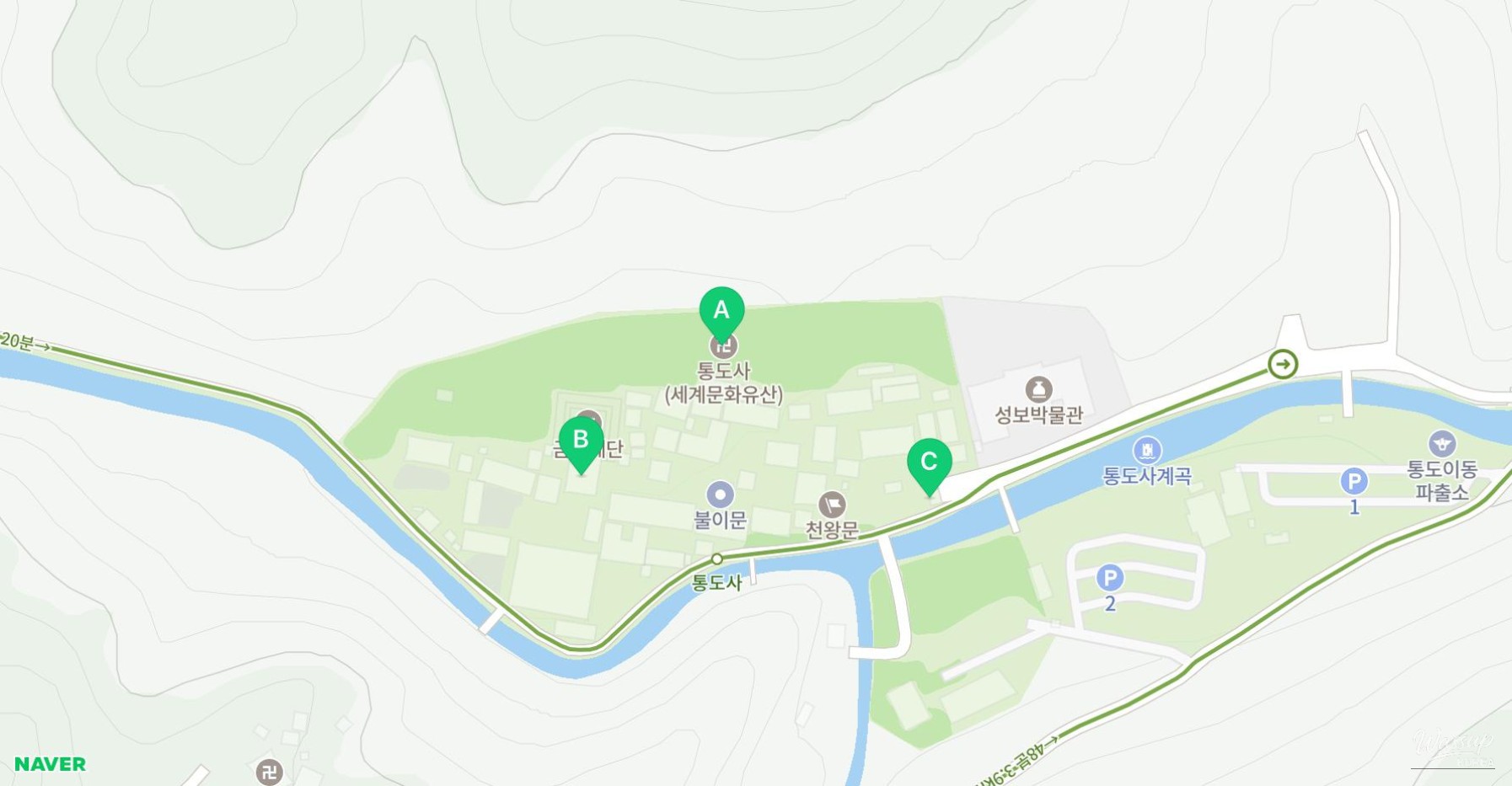
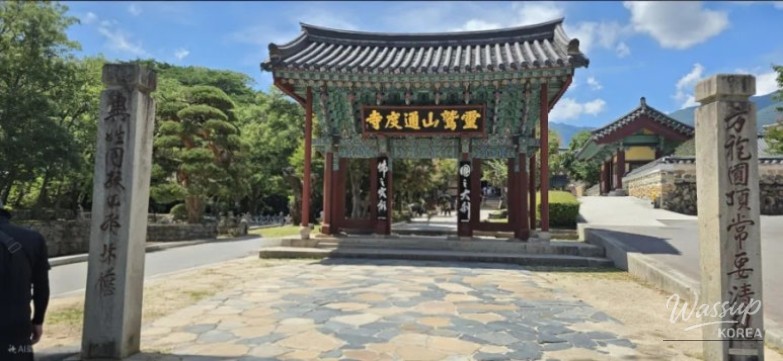
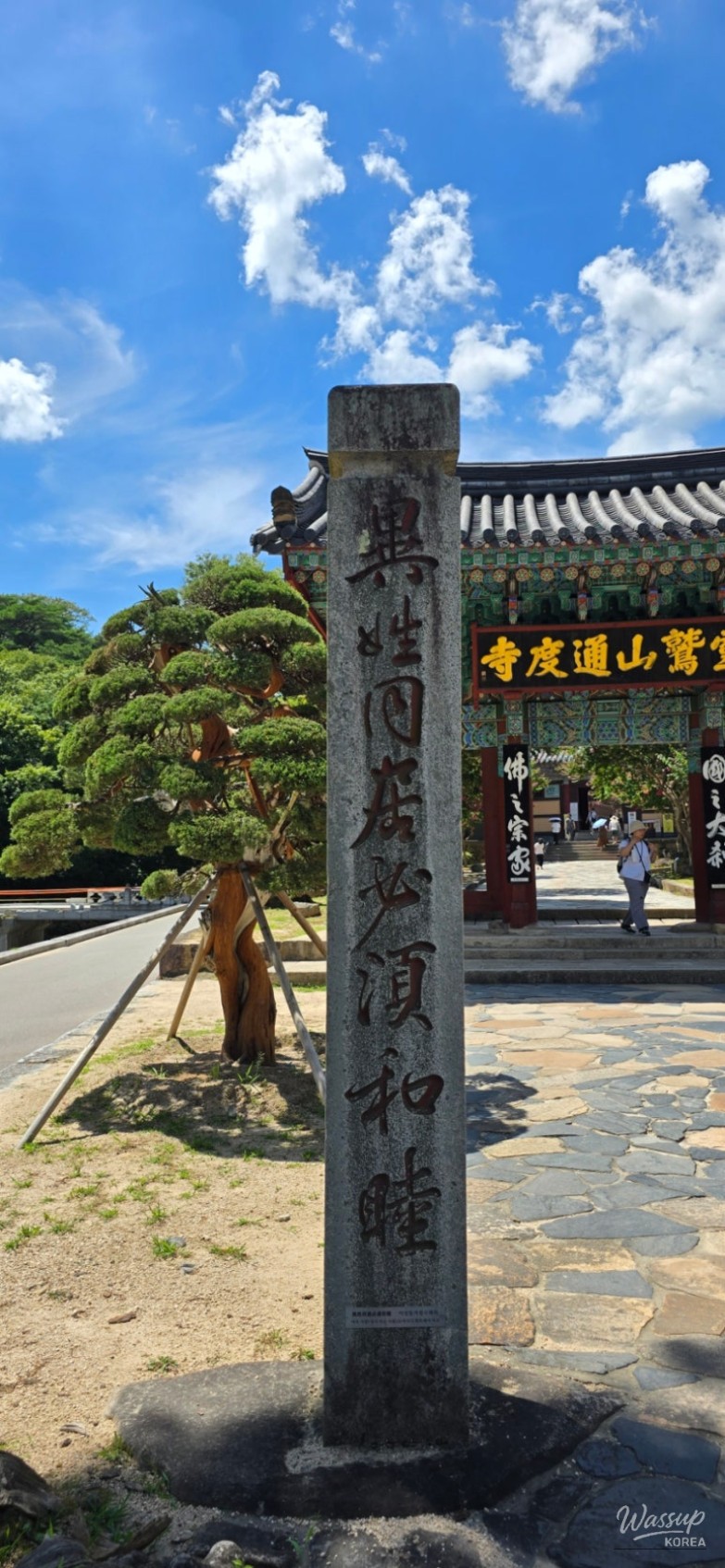
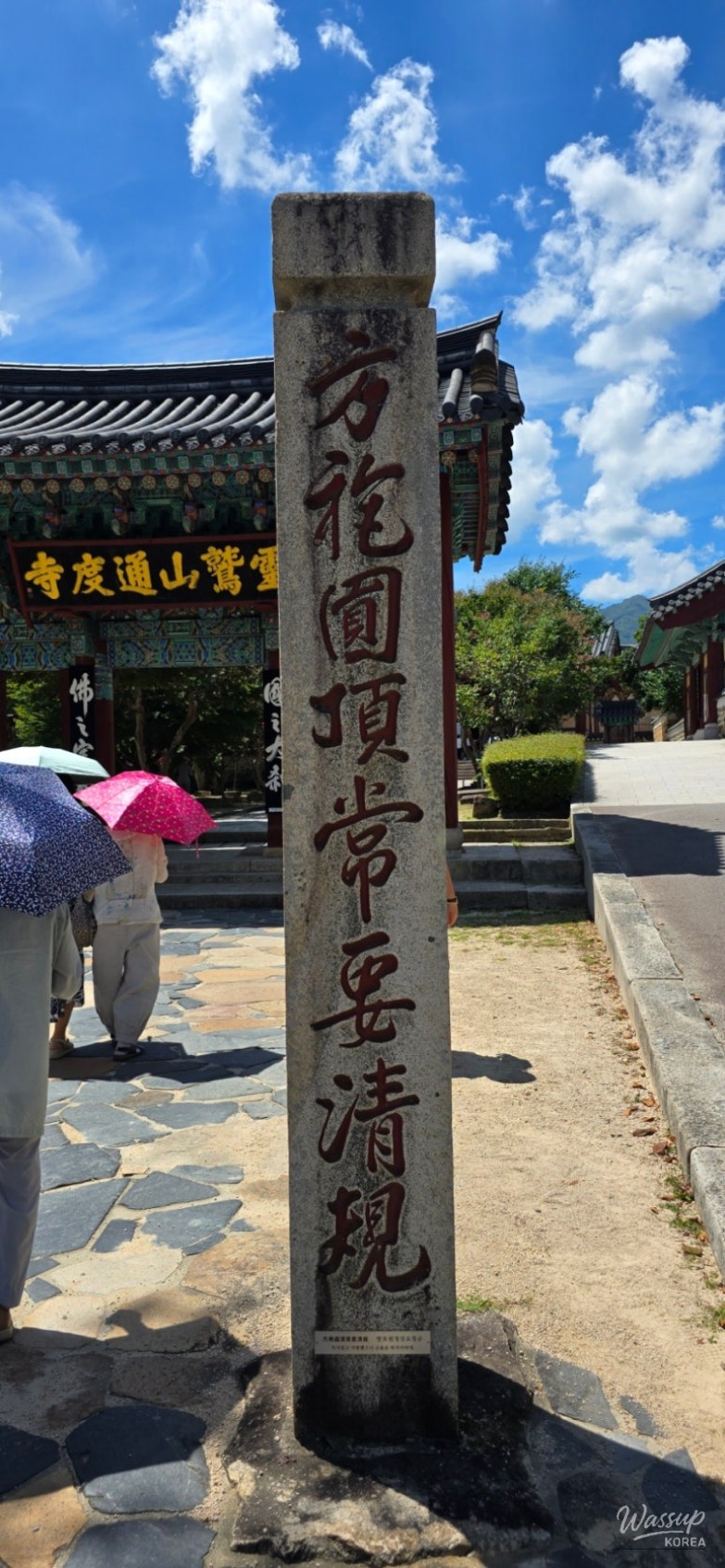
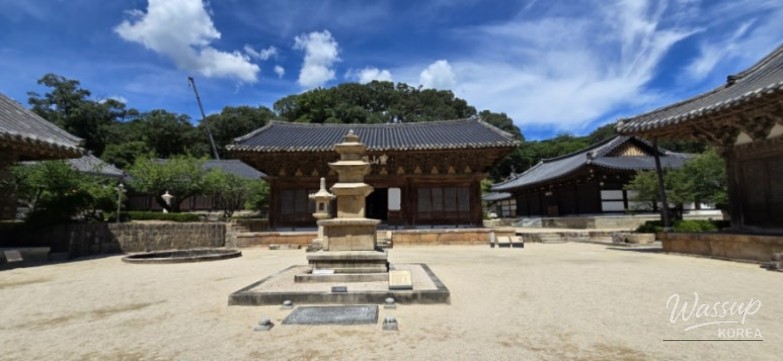
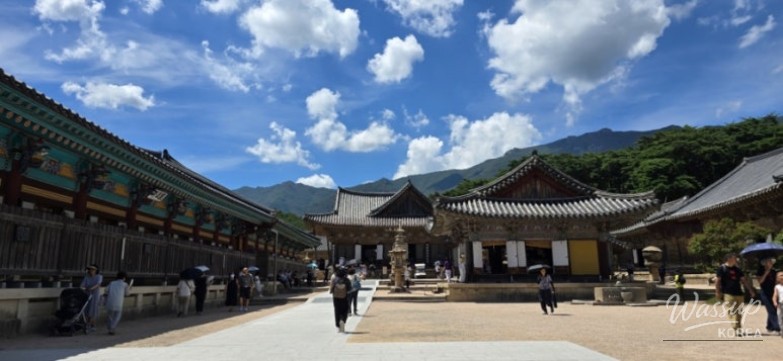
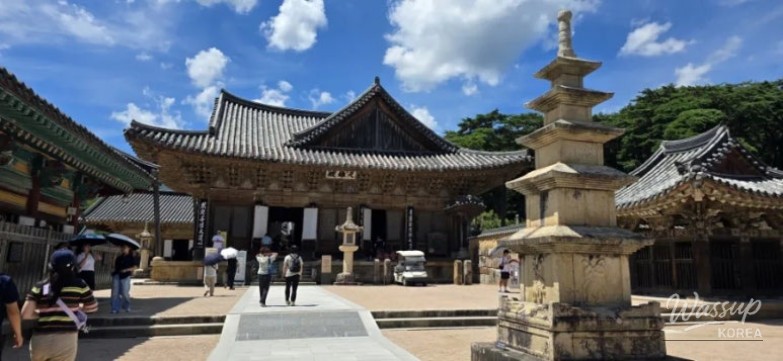
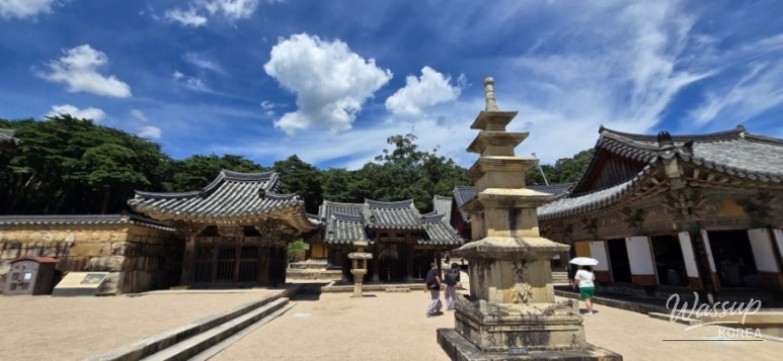
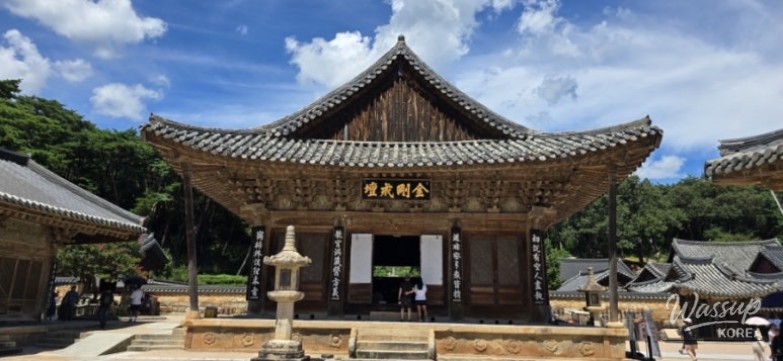
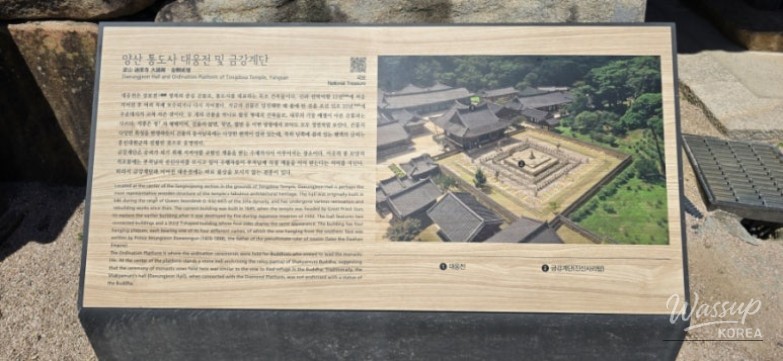
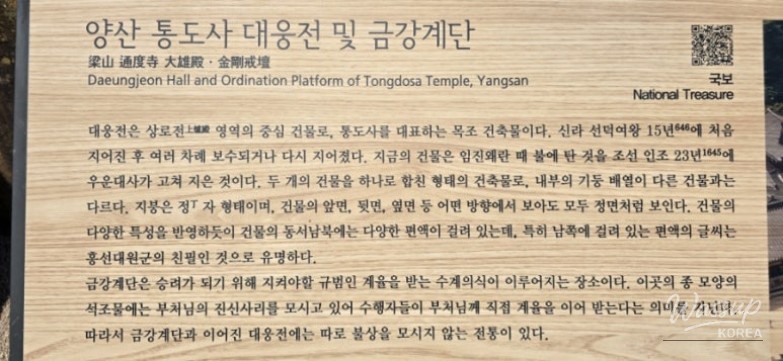
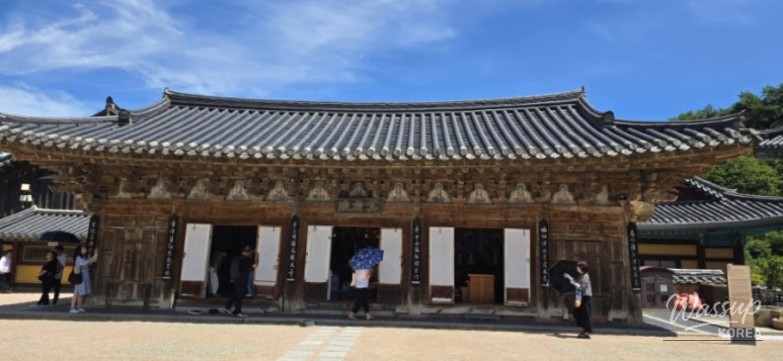
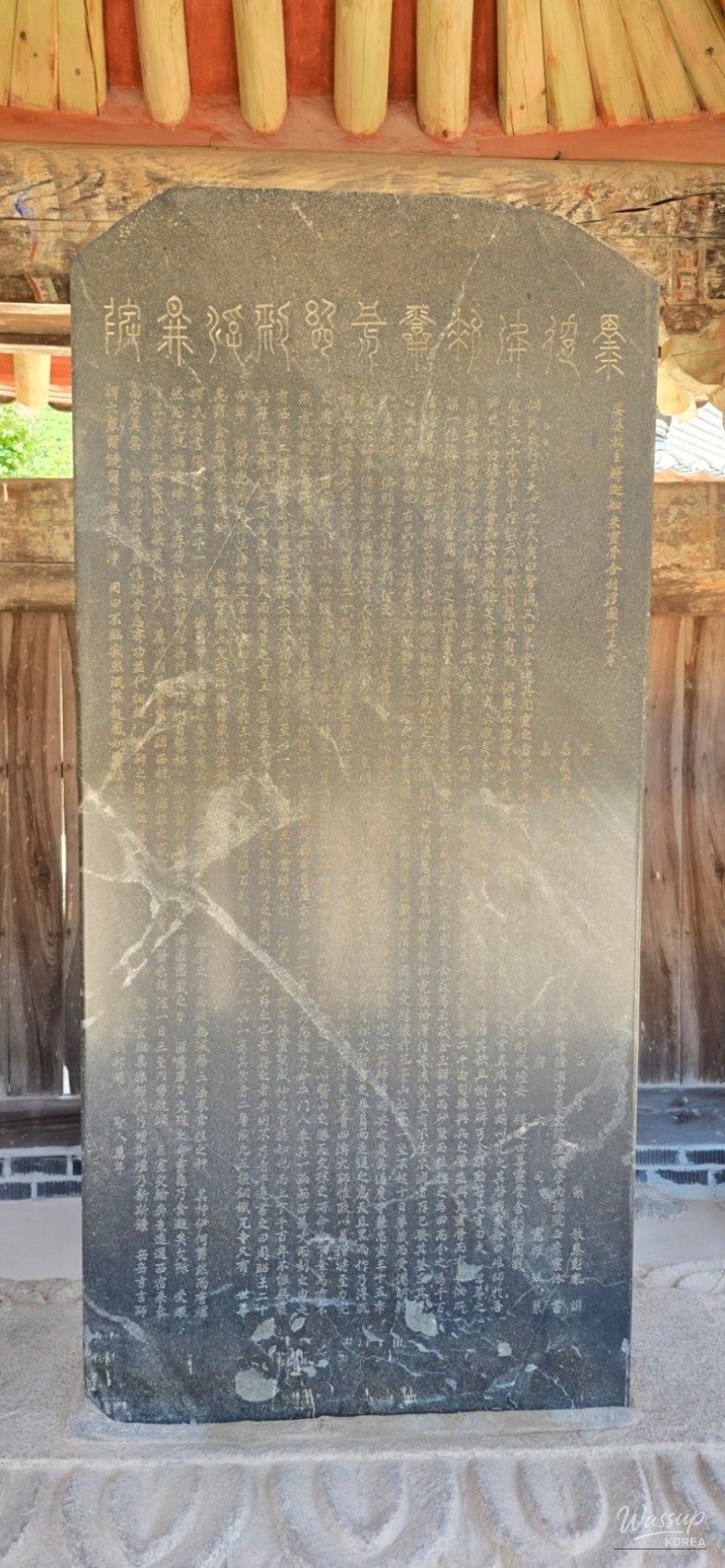
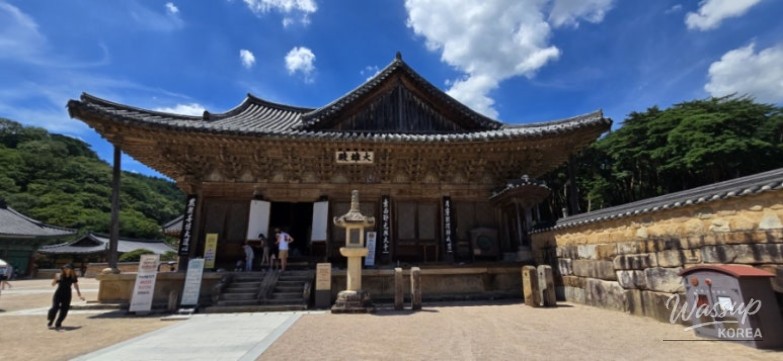
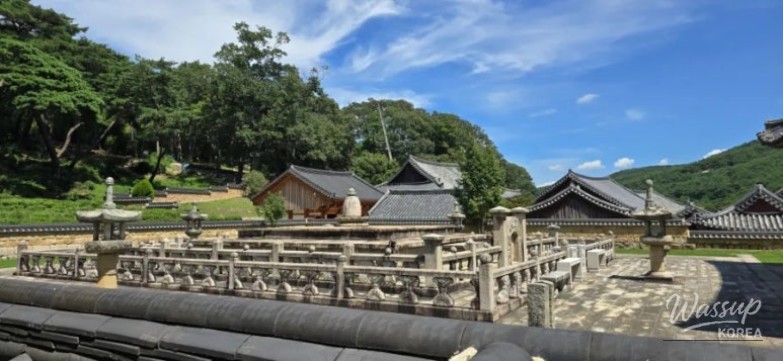
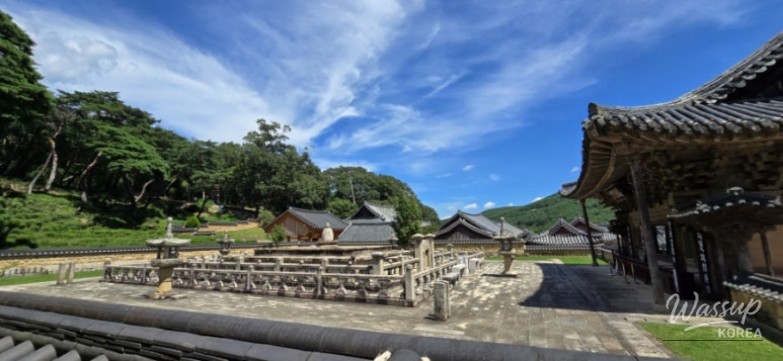
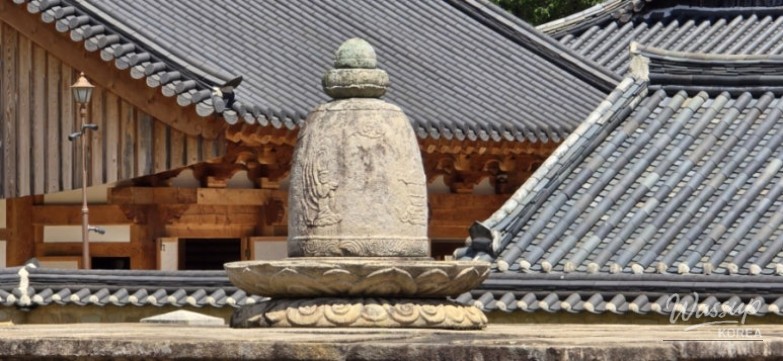
Nestled on the southern slopes of the majestic Mt. Yeongchuk, Tongdosa (통도사) is one of Korea's most significant spiritual landmarks. Established in 646 AD by the monk Jajang Yulsa, it is renowned as the "Buddha Jewel Temple"—one of the Three Jewel Temples of Korea. Unlike most temples, Tongdosa's main hall does not house a Buddha statue; instead, it enshrines the genuine relics and robe of Sakyamuni Buddha.
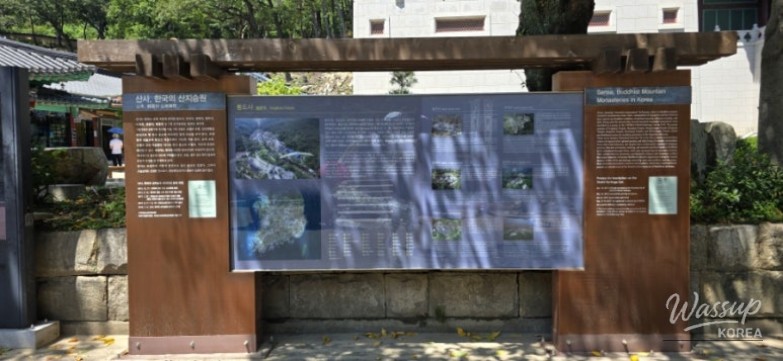
Inscribed as a UNESCO World Heritage site in 2018, Tongdosa serves as a comprehensive training center for monks and a serene sanctuary for visitors. Whether you are exploring its ancient gates or meditating by its tranquil ponds, Tongdosa offers a profound connection to Korea's 1,300-year-old Buddhist tradition.
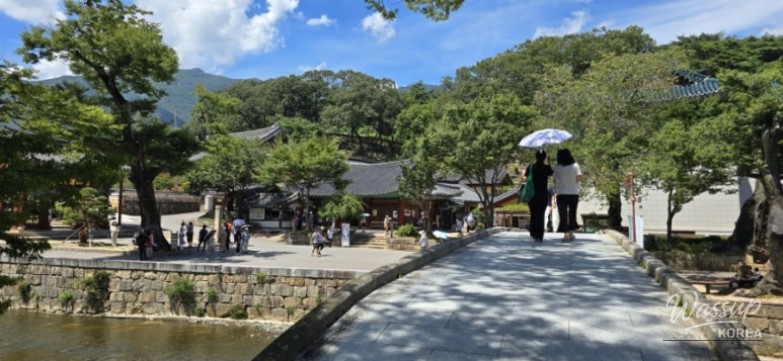 Architectural Treasures and Divine Guardians
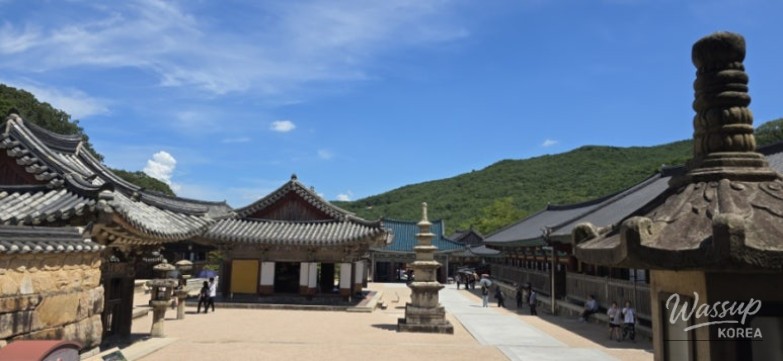
As you wander through the sprawling complex, you will encounter various shrines and halls, each with its own historical significance:
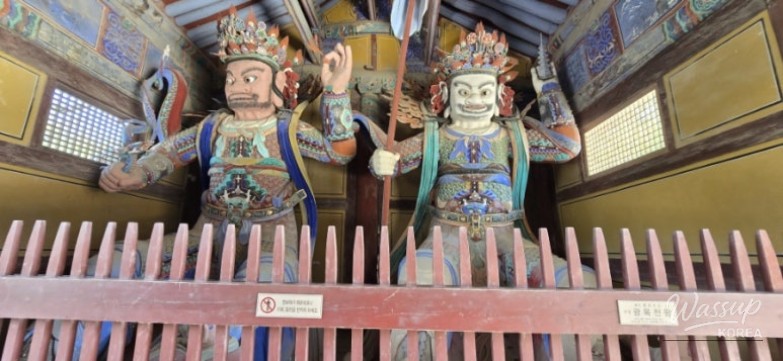
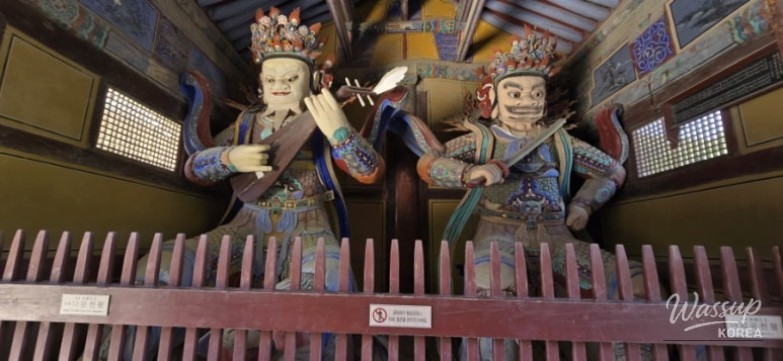
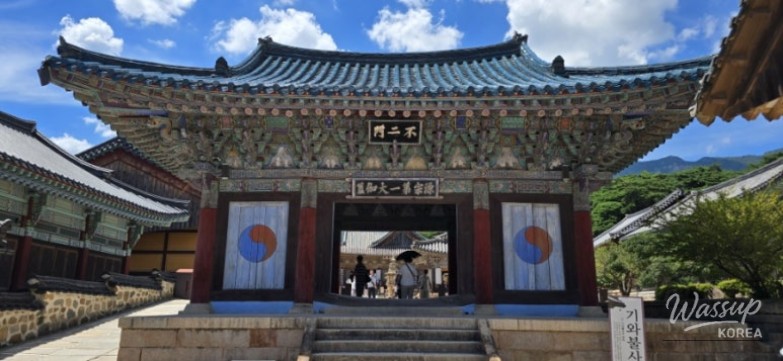
Gate of the Four Heavenly Kings: Guarded by deities like Virudhaka and Vaisravana, who protect the dharma and promote goodness.
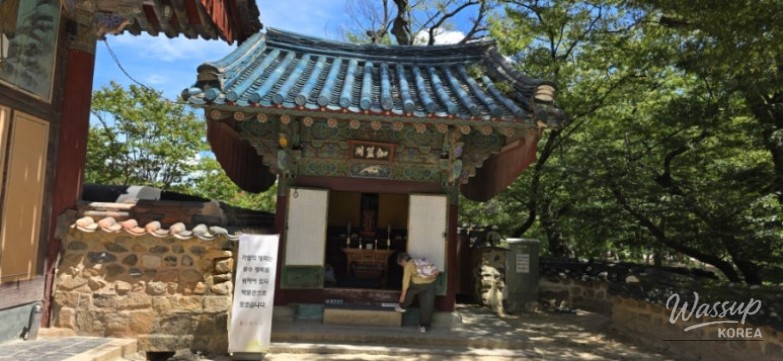
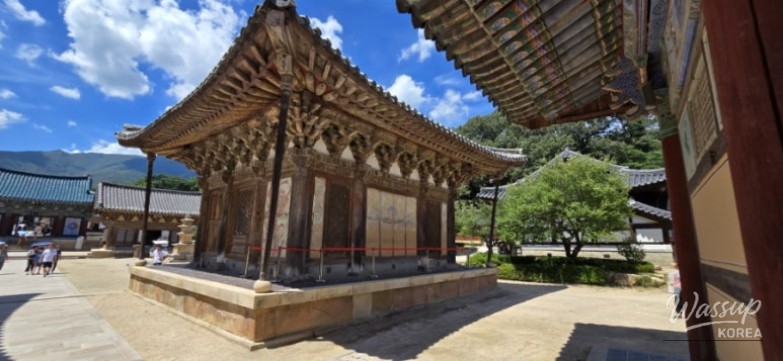
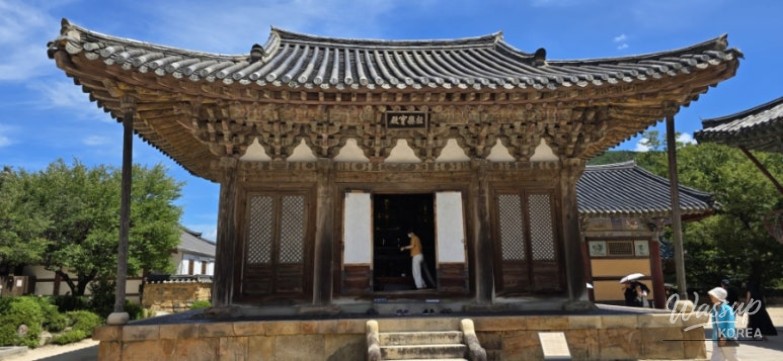
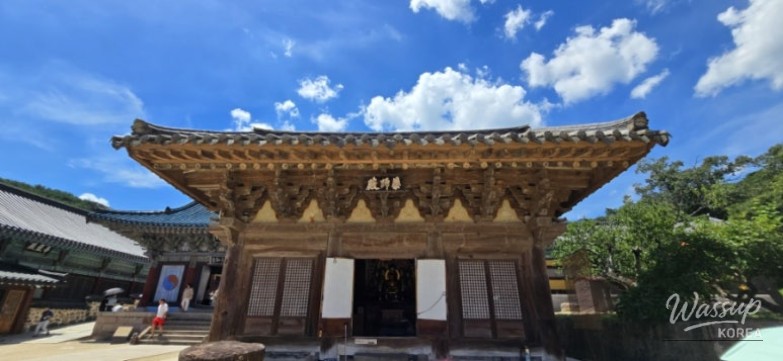
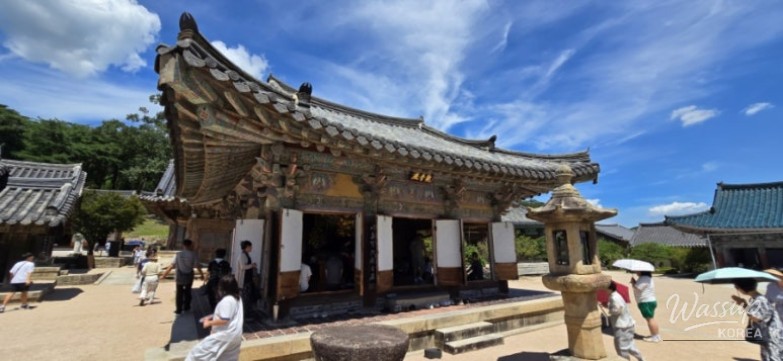
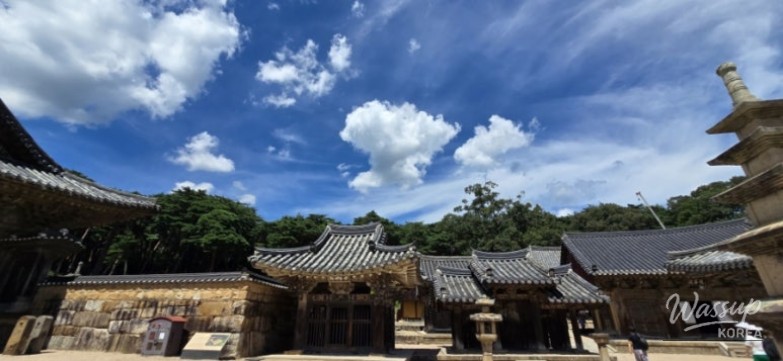
Yeongsanjeon Hall & Paradise Hall: Beautiful examples of Joseon-era wooden architecture.
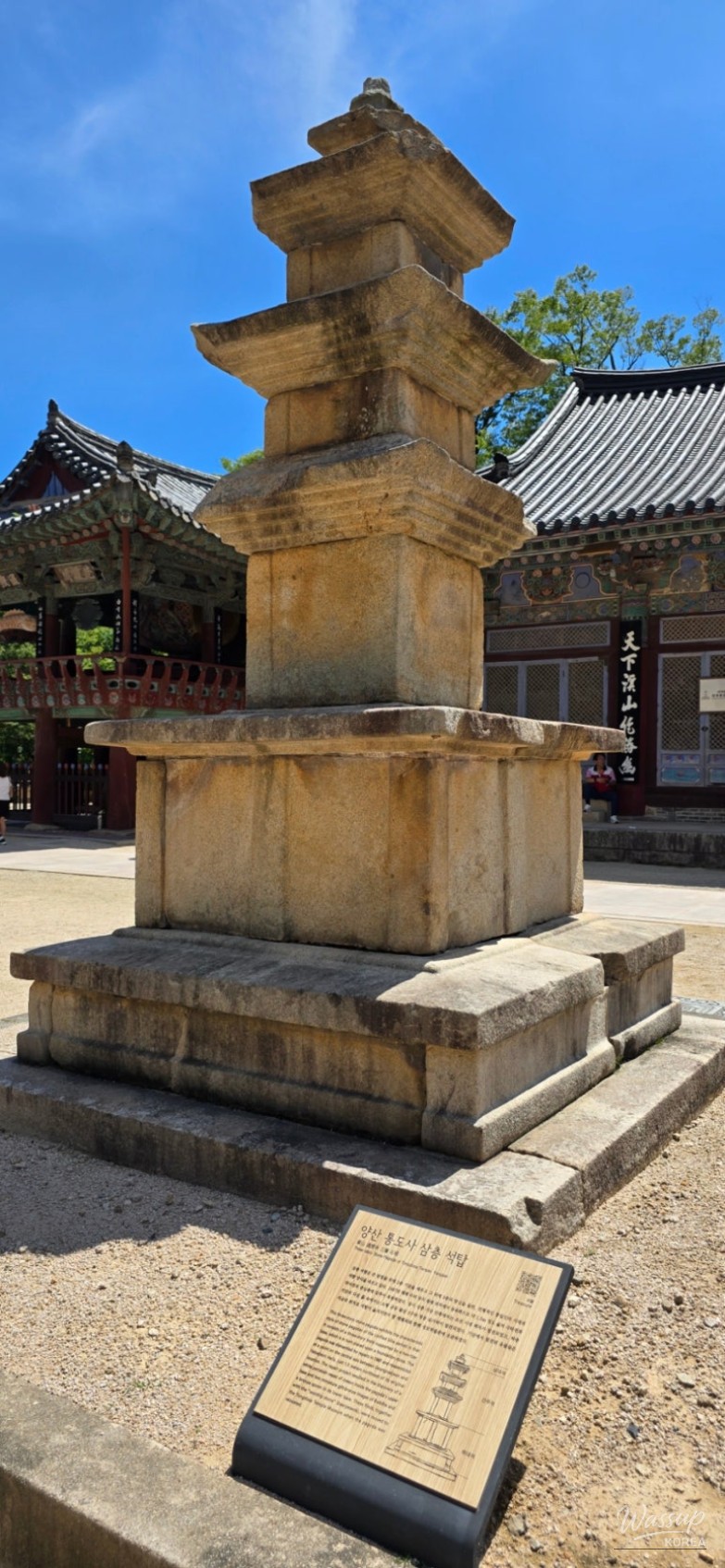
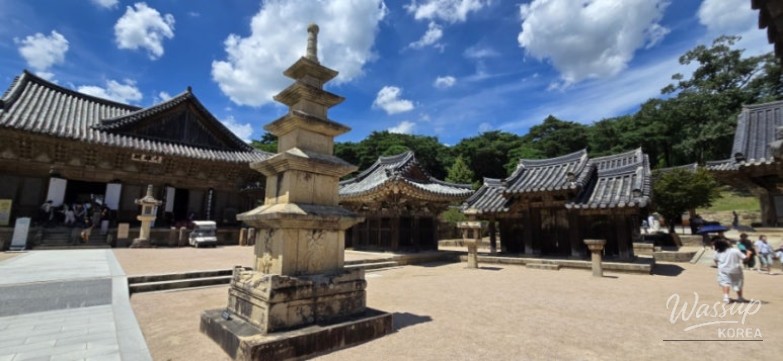
Three-Story Stone Pagoda: A representative style of the Unified Silla period.
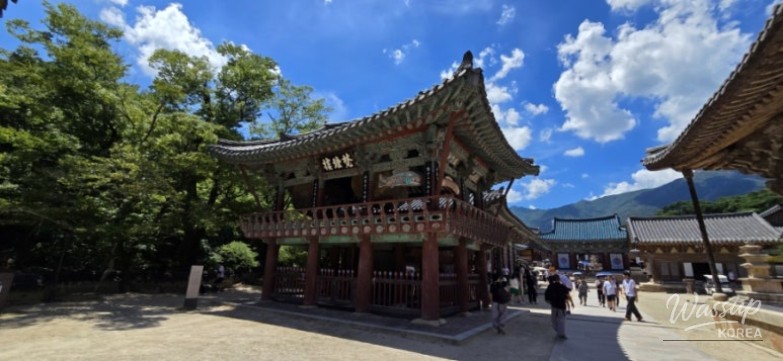
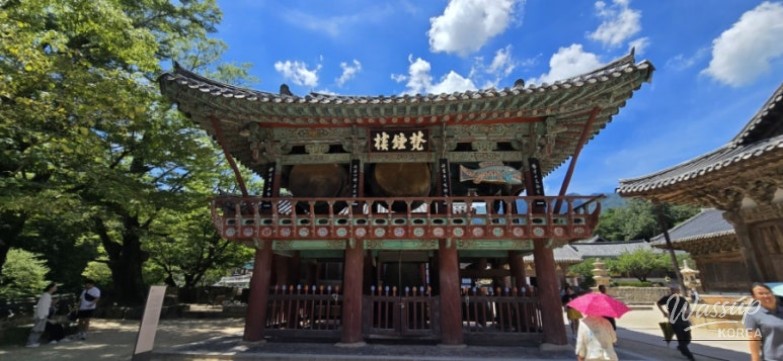
Beomjongru: The elegant bell tower where the evening peal echoes across the valley.
Architectural Treasures and Divine Guardians
As you wander through the sprawling complex, you will encounter various shrines and halls, each with its own historical significance:
Gate of the Four Heavenly Kings: Guarded by deities like Virudhaka and Vaisravana, who protect the dharma and promote goodness.
Yeongsanjeon Hall & Paradise Hall: Beautiful examples of Joseon-era wooden architecture.
Three-Story Stone Pagoda: A representative style of the Unified Silla period.
Beomjongru: The elegant bell tower where the evening peal echoes across the valley.
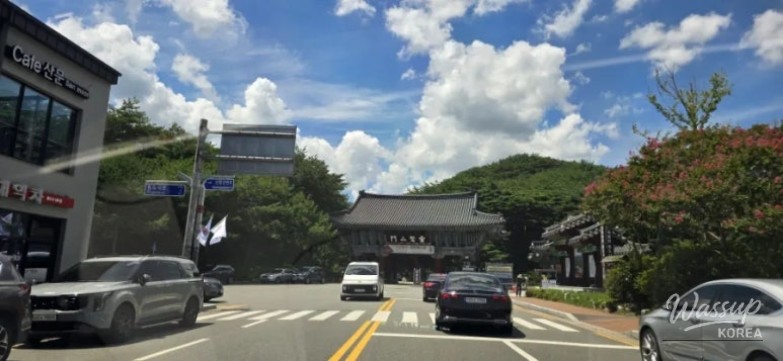 Seasonal Beauty and Cultural Experience
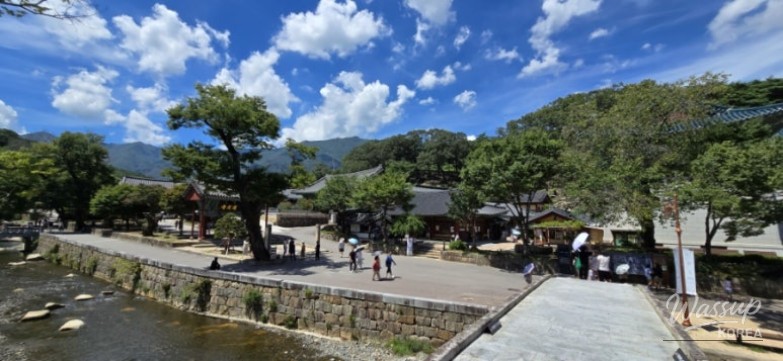
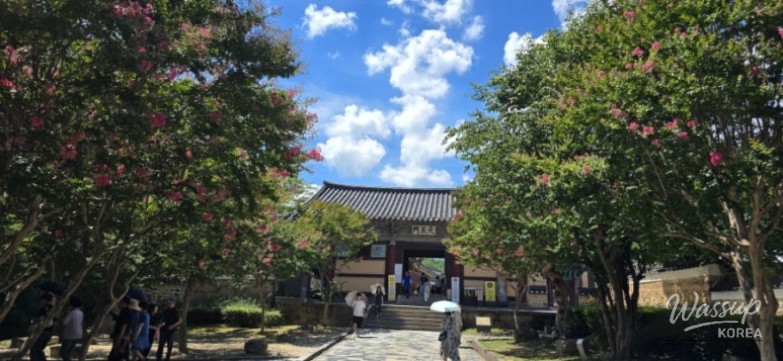
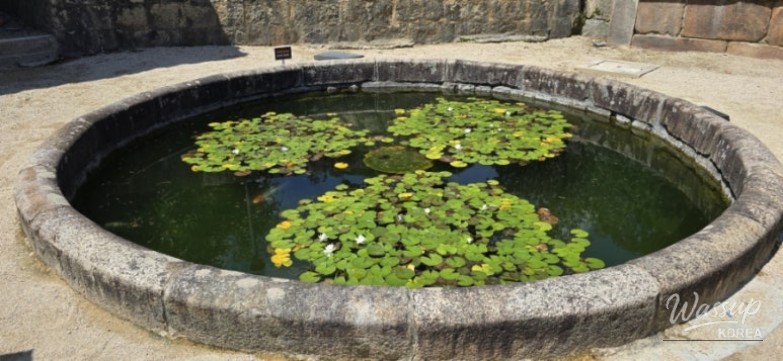
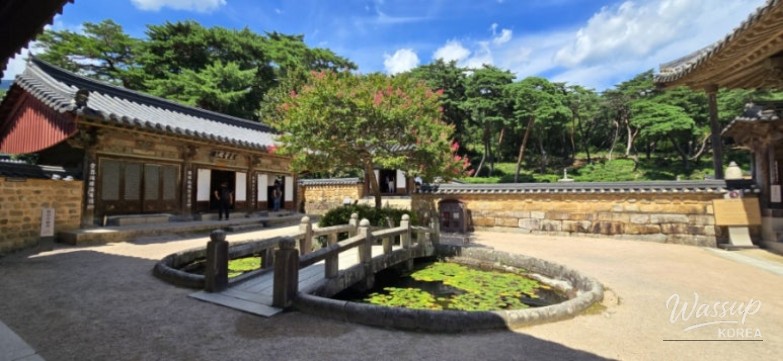
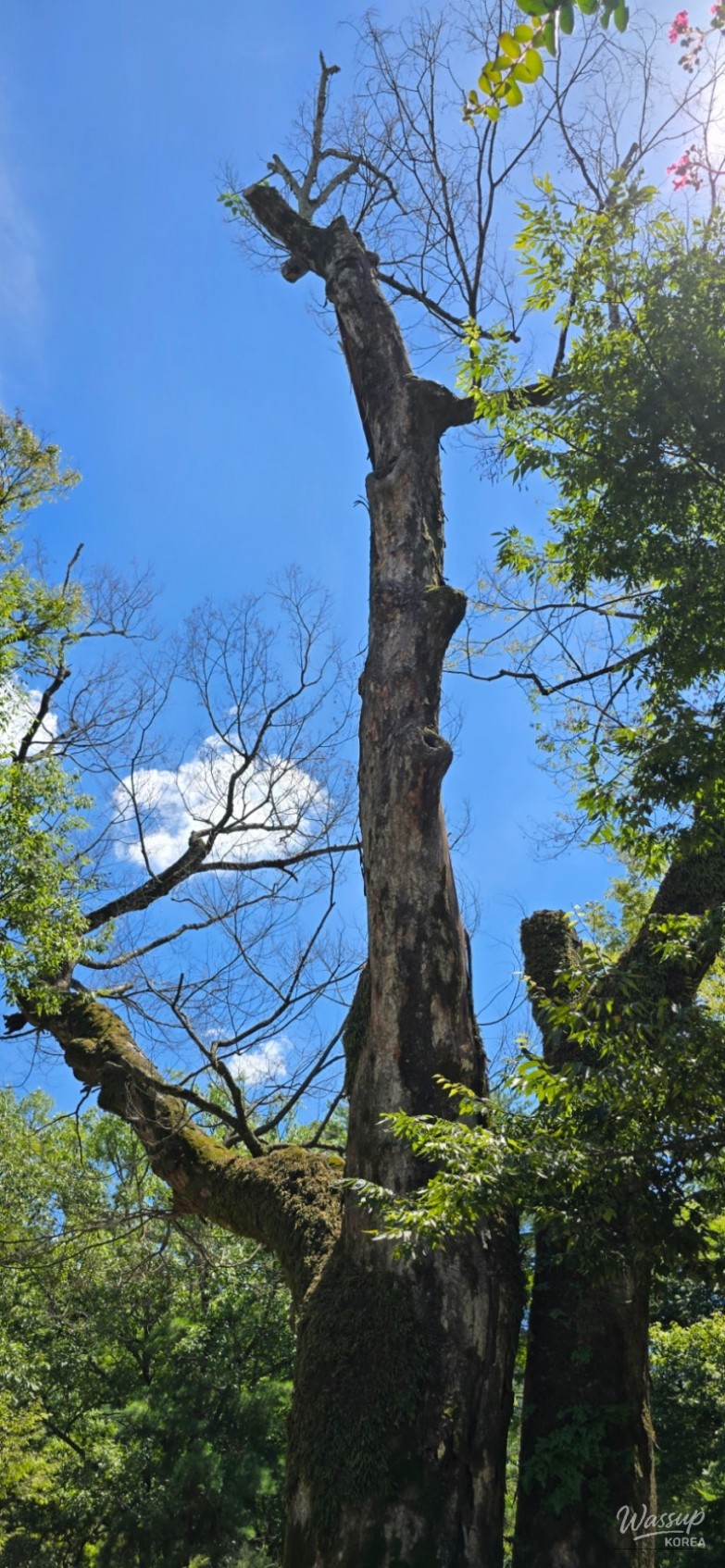
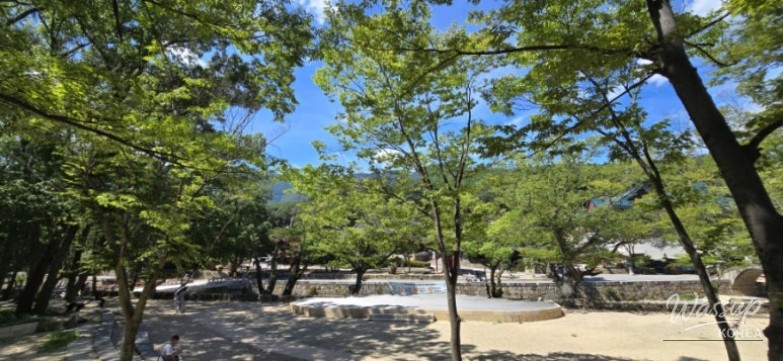
Tongdosa is not just a place of prayer; it is a landscape of healing. From the delicate water lilies in Guryongji Pond to the ancient pine forests surrounding the entrance, the temple harmonizes perfectly with nature. It is particularly famous for its early spring plum blossoms (Maewha) and vibrant autumn foliage.
Visitors can engage with the temple through:
Templestay: Experience the daily life of a practitioner.
Hwaeom Sanrim: Major dharma assemblies held during the winter.
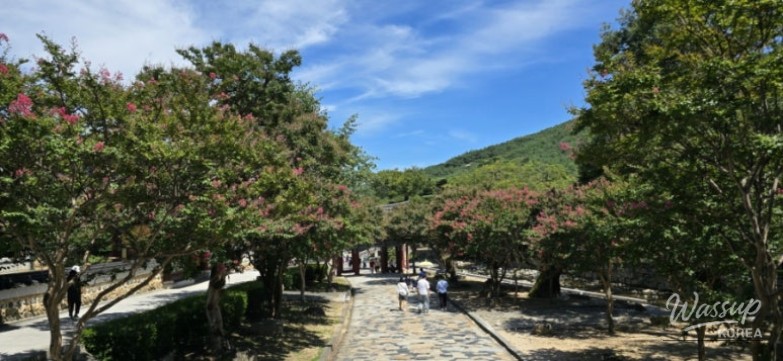
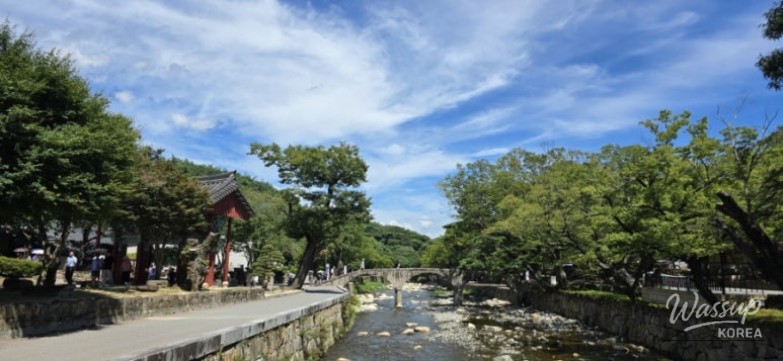
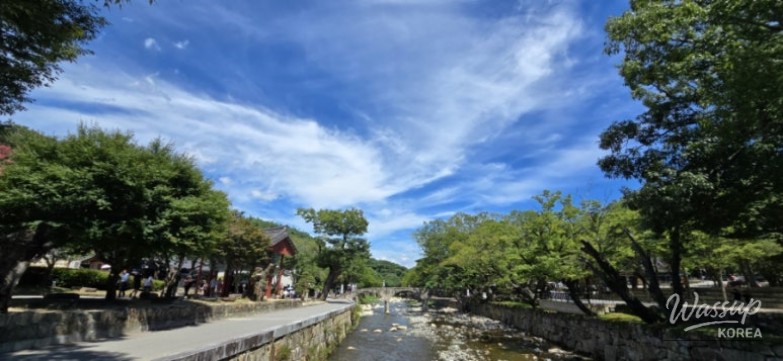
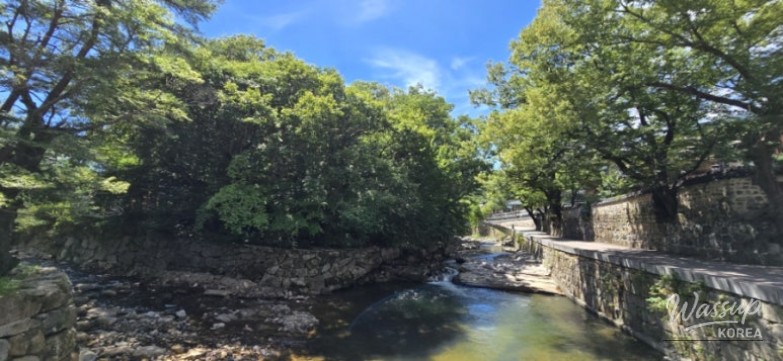
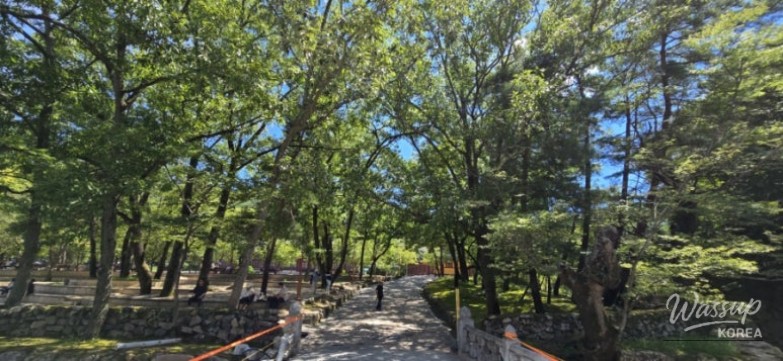
Cultural Walks: The path leading to the temple is widely regarded as one of the most beautiful forest walks in Korea.
Seasonal Beauty and Cultural Experience
Tongdosa is not just a place of prayer; it is a landscape of healing. From the delicate water lilies in Guryongji Pond to the ancient pine forests surrounding the entrance, the temple harmonizes perfectly with nature. It is particularly famous for its early spring plum blossoms (Maewha) and vibrant autumn foliage.
Visitors can engage with the temple through:
Templestay: Experience the daily life of a practitioner.
Hwaeom Sanrim: Major dharma assemblies held during the winter.
Cultural Walks: The path leading to the temple is widely regarded as one of the most beautiful forest walks in Korea.
 Tongdosa is a place where the "truth of all things" is said to integrate. Whether you are a believer or a traveler seeking peace, the absence of a statue in the main hall invites you to look inward and find stillness in the presence of history.
Have you ever visited a temple without a Buddha statue, or are you interested in experiencing a UNESCO-listed mountain monastery? If you are traveling through Yangsan, I also recommend visiting the nearby Seounam Hermitage, famous for its thousands of traditional jars and wildflowers. What part of Korean temple architecture do you find most fascinating?
Tongdosa is a place where the "truth of all things" is said to integrate. Whether you are a believer or a traveler seeking peace, the absence of a statue in the main hall invites you to look inward and find stillness in the presence of history.
Have you ever visited a temple without a Buddha statue, or are you interested in experiencing a UNESCO-listed mountain monastery? If you are traveling through Yangsan, I also recommend visiting the nearby Seounam Hermitage, famous for its thousands of traditional jars and wildflowers. What part of Korean temple architecture do you find most fascinating?

No comments yet.