Bulguksa Temple: A Masterpiece of Silla Buddhism and Architecture
385 Bulguk-ro, Gyeongju-si, Gyeongsangbuk-do
불국사


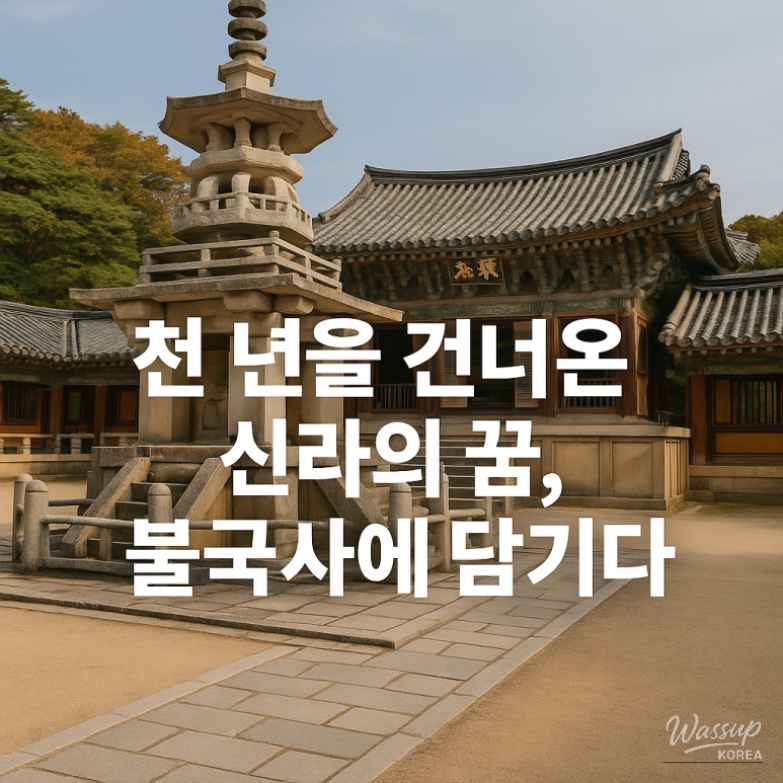
When discussing the Silla Kingdom, Bulguksa (불국사) Temple is an indispensable landmark. More than just a religious site, it is a cultural heritage and architectural masterpiece that encapsulates the spiritual world and artistic passion of the Silla people. It stands as a profound symbol of the era's dedication to Buddhist ideals and aesthetic perfection.
In this guide, we will explore how Silla's Buddhist beliefs shaped its society and unravel the deep philosophies embedded within the temple's unique architectural style. From the symbolic bridges to the world-famous stone pagodas, Bulguksa offers a timeless journey into the heart of Korean history and spiritual healing.
Social Background and the Influence of Silla Buddhism
The introduction of Buddhism into Silla society was a transformative event that provided a crucial framework for governing the nation. The royal family embraced the religion as a spiritual pillar, using the concept of the "Wheel-Turning Monarch" to link the king’s authority to divine Buddha-like stability. This helped unify the people under a single, powerful ideology during the unification of the Three Kingdoms.
Wonhyo and the Popularization of Faith
After unification, eminent monks like Wonhyo simplified complex teachings for the masses. His philosophy of "One Mind" (一心) made Buddhism accessible as a folk religion. This shift moved Buddhism beyond the elite, allowing it to blossom into the public art and architecture we see today at Bulguksa, where every structure serves as a visual aid to a sacred worldview.
Key Features of Bulguksa's Architectural Style
Bulguksa is built on the profound philosophy of "realizing the Buddha's world on this earth." Every layout choice, from the placement of the halls to the height of the steps, is intentional. The temple serves as an architectural embodiment of the "Pure Land," the ideal world that the Silla people dreamed of achieving through their faith and labor.
Symbolic Bridges to the Divine
The Cheongungyo (Blue Cloud) and Baegungyo (White Cloud) bridges at the entrance are not merely stone stairs. They represent symbolic transitions from the human world to the realm of the Buddha. As worshipers climb these steps, they are meant to experience a spiritual ascent, leaving the mundane world behind and entering a space of ultimate enlightenment.
Duality and Balance: Dabotap and Seokgatap
The twin pagodas of Bulguksa represent the core "duality" of Buddhist philosophy. Dabotap, with its ornate and decorative features, represents the brilliant ideal world, while Seokgatap, with its simple and refined lines, represents the pure truth. Standing side-by-side, they demonstrate the "Middle Way"—a state of perfect balance between complexity and simplicity.
Harmony with Gyeongju's Nature
One of Bulguksa's greatest achievements is its integration with the natural terrain of Mount Toham. The curved lines of the eaves and the organic combination of stone and wood express a harmony where nature and humanity are interconnected. This sense of space provides visitors with both religious reverence and a deep feeling of psychological healing.
Essential Travel Tips for Your Visit
Bulguksa is located about 30 minutes from central Gyeongju and is best visited during the spring cherry blossom season or the peak of autumn foliage. Admission is 6,000 won for adults, and the temple is open from 7:00 AM to 5:30 PM. For the best experience, head to the hill overlooking the entire precinct to capture the full majesty of the temple grounds.
Have you ever felt a sense of overwhelming peace while standing amidst ancient architecture, or does the philosophical balance of the twin pagodas pique your curiosity? If you are visiting Gyeongju, I also highly recommend taking the short shuttle trip up to Seokguram Grotto to see the completion of Bulguksa's spiritual vision. Which season do you think best captures the beauty of Silla's heritage?
No comments yet.