A Glimpse into Early Joseon Art: Celebrating the 20th Anniversary of the National Museum of Korea's Relocation
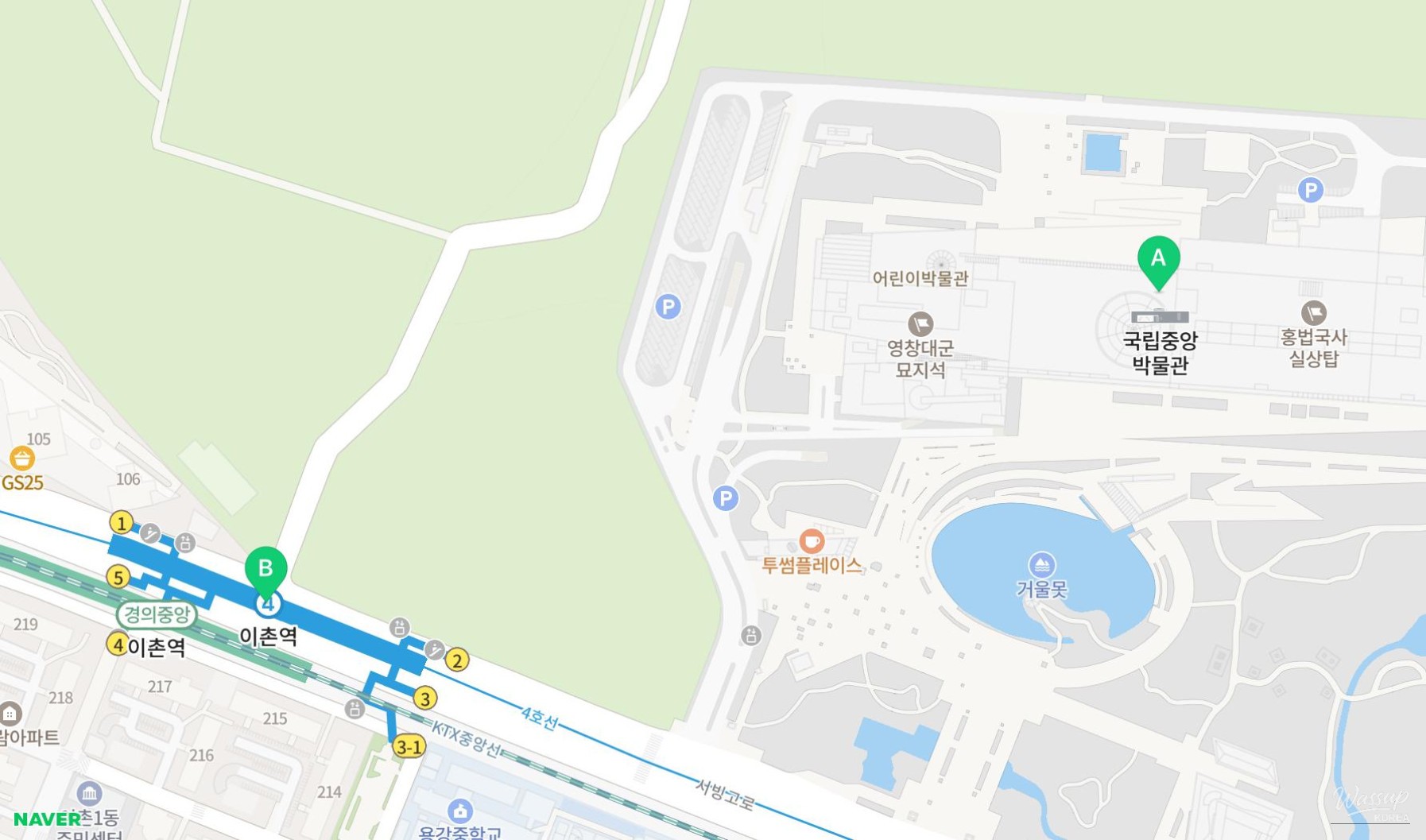
137 Seobinggo-ro, Yongsan-gu, Seoul
국립중앙박물관


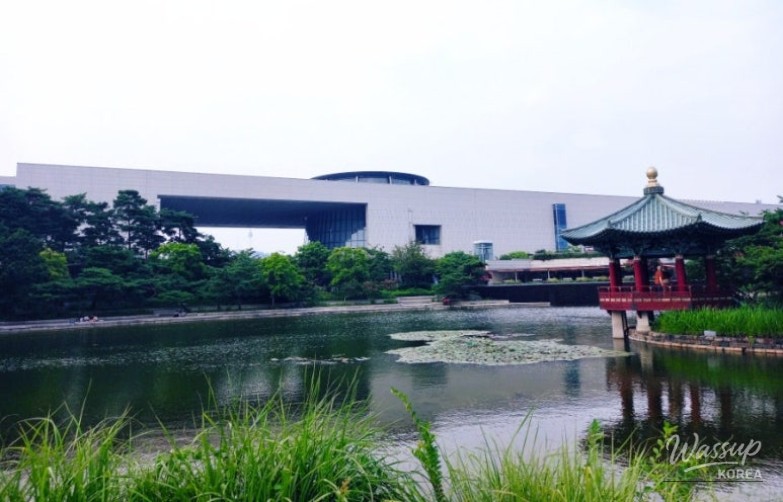
To celebrate the 20th anniversary of its relocation to Yongsan, the National Museum of Korea (국립중앙박물관) is hosting a landmark special exhibition titled <New Era, New Art: Masterpieces of Early Joseon Dynasty>. This exhibition focuses on the first 200 years of the Joseon Dynasty, a period of immense cultural transformation and artistic innovation following the nation's founding in 1392.
Featuring over 700 precious works including 16 National Treasures and 63 Treasures, this collection brings together masterpieces from 72 institutions worldwide, including the Metropolitan Museum of Art and the Guimet Museum. It offers a rare opportunity to witness the aesthetic transition from the Goryeo period to the distinctively restrained and noble style of early Joseon art.
The Artistic Dawn of a New Dynasty
The transition from Goryeo to Joseon was not just a political shift but a profound cultural evolution. The exhibition highlights how early Joseon art, though less common than later periods, established the core aesthetic sensibilities of Korean culture. Visitors can explore this journey through the symbolic colors of white, black, and gold, representing ceramics, painting, and Buddhist devotion.
Among the highlights is the <Snowy Landscape> from the Cleveland Museum of Art, a testament to the international reach of Joseon's early masterpieces. These works reflect the high-purity white porcelain and sophisticated ink wash paintings that defined the era's unique identity.
Ceramics: Shaping Dreams in White and Buncheong
Evolution from Celadon to Pure White Porcelain
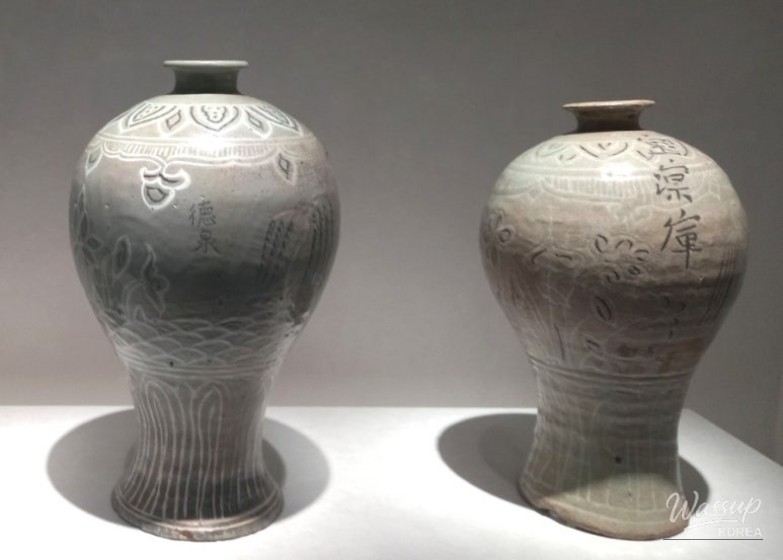
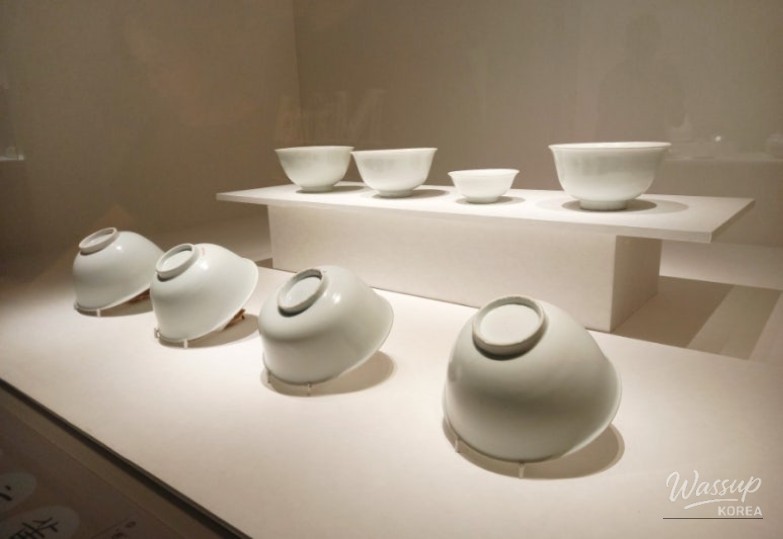
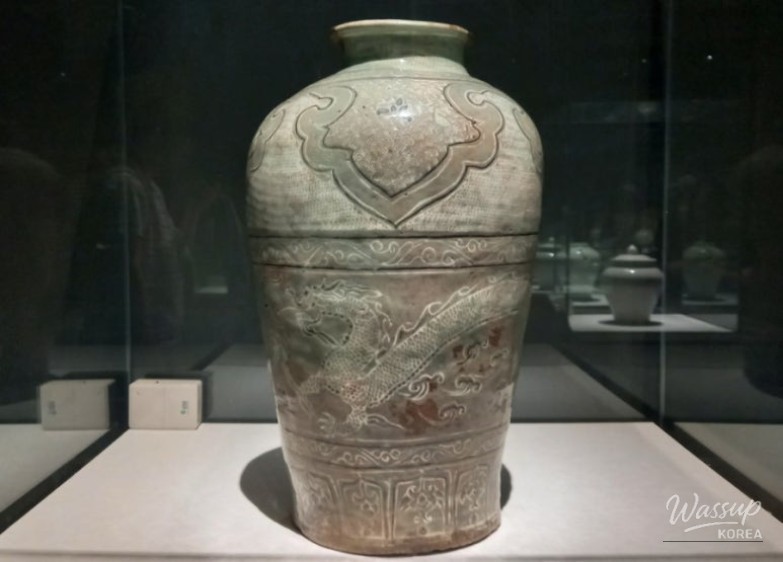
The exhibition meticulously traces the transformation of Goryeo celadon into early Joseon Buncheong ware and eventually into pure white porcelain. Early Buncheong pieces often utilized inlaid and stamped techniques inherited from Goryeo, as seen in the comparison between 14th-century celadon and 15th-century Buncheong maebyeong bottles.
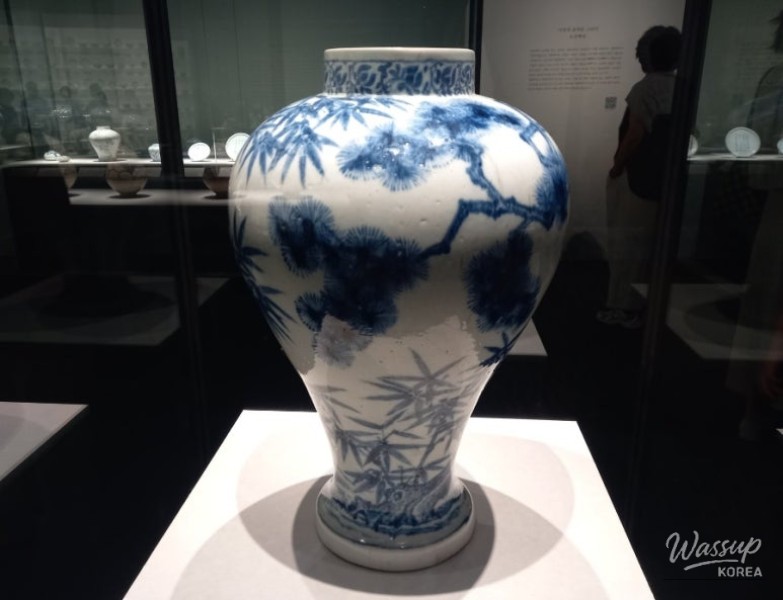
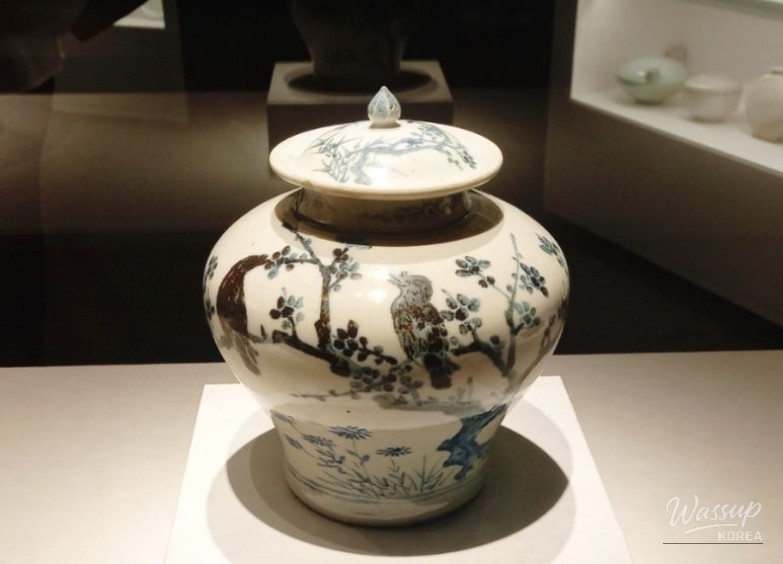
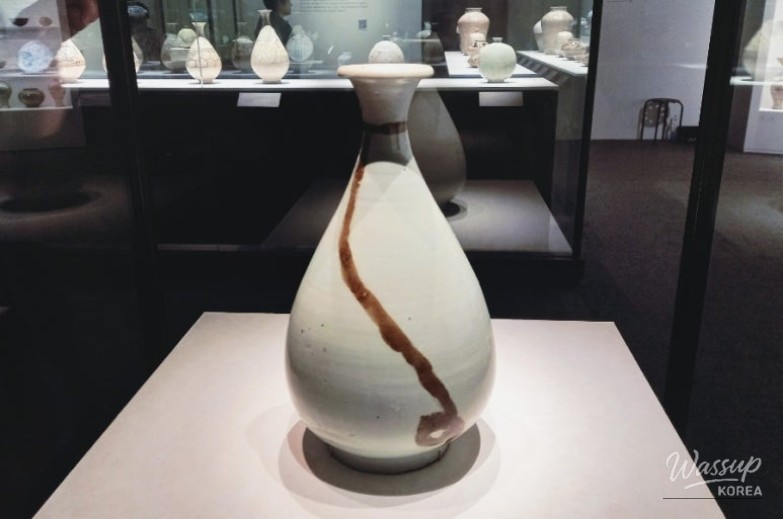
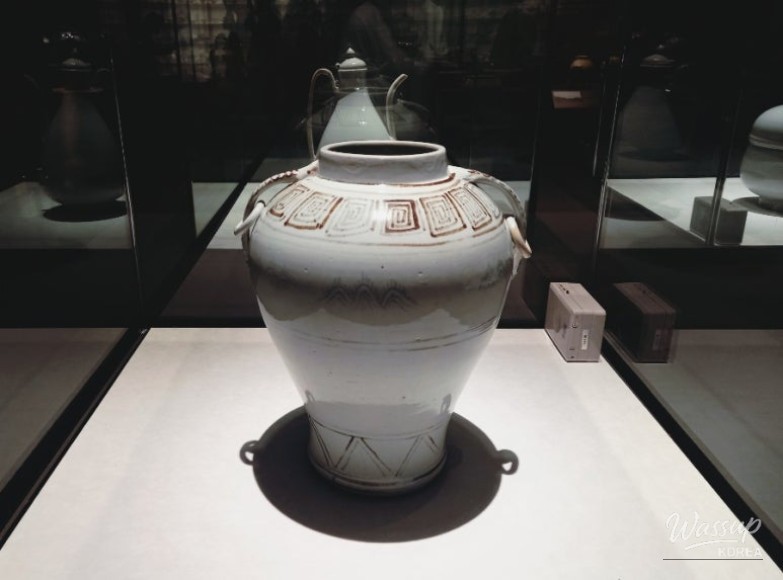
As the dynasty progressed, pure white porcelain became the standard for the royal family, characterized by simple and restrained forms. The introduction of expensive cobalt blue pigments from Persia allowed for splendid designs of plum blossoms and birds, reserved exclusively for royalty and high-ranking scholar-officials.

Calligraphy and Painting: The World of the Sadaebu
Ink Landscapes and the Spirit of Scholars
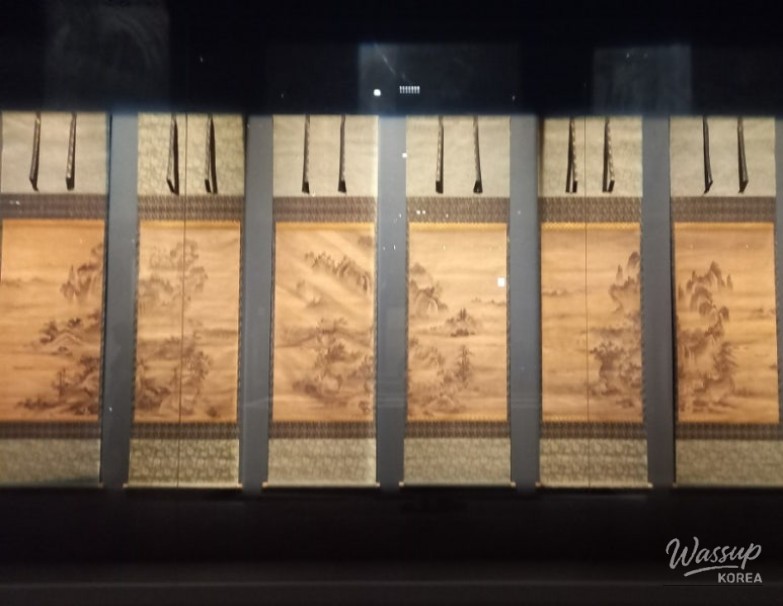
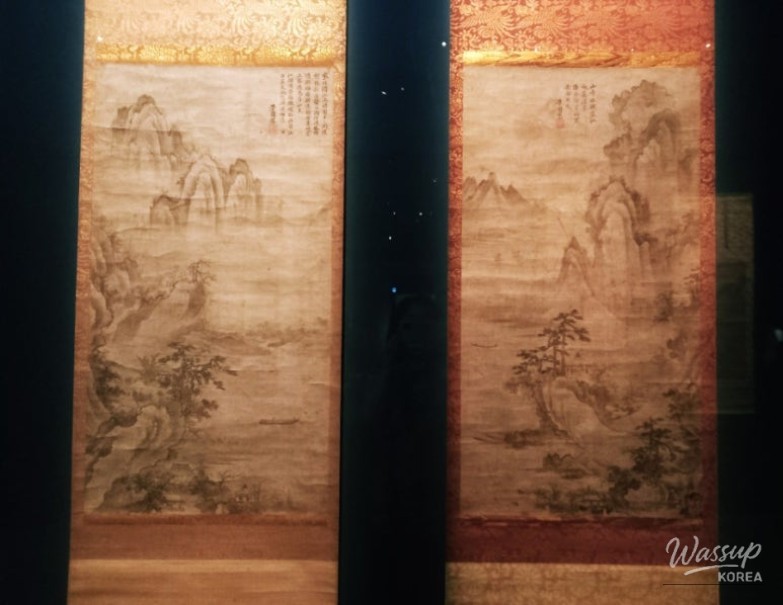
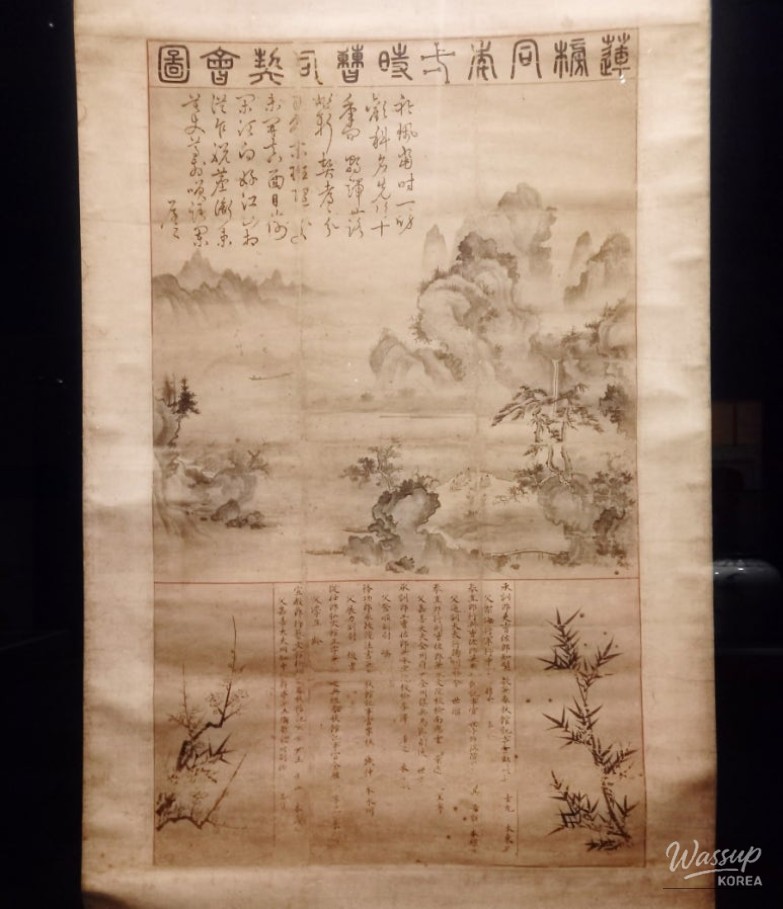
For the Sadaebu (scholar-officials), ink wash paintings were a window into their inner selves and an expression of their Confucian ideals. The <Eight Views of Xiaoxiang>, a popular theme during the 16th century, showcases the influence of the An Gyeon school, depicting misty mountains and returning sails with poetic elegance.
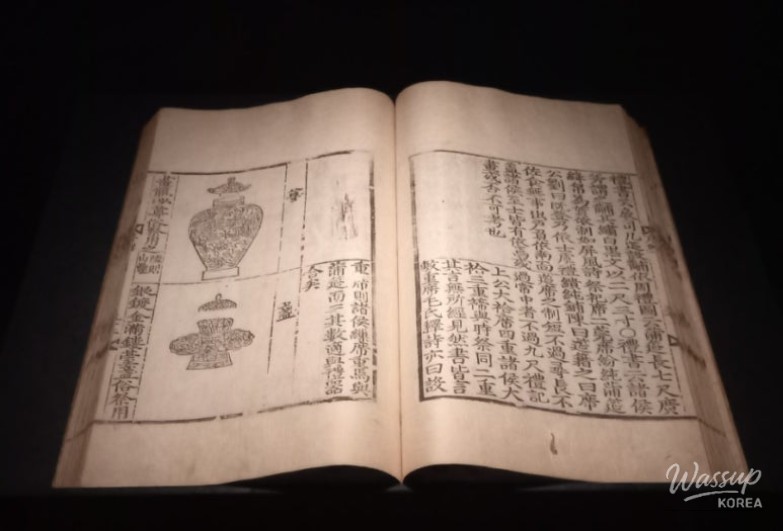
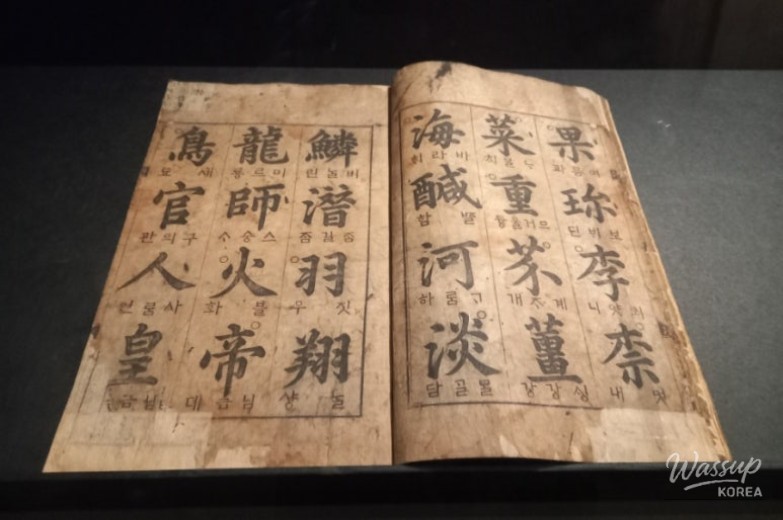
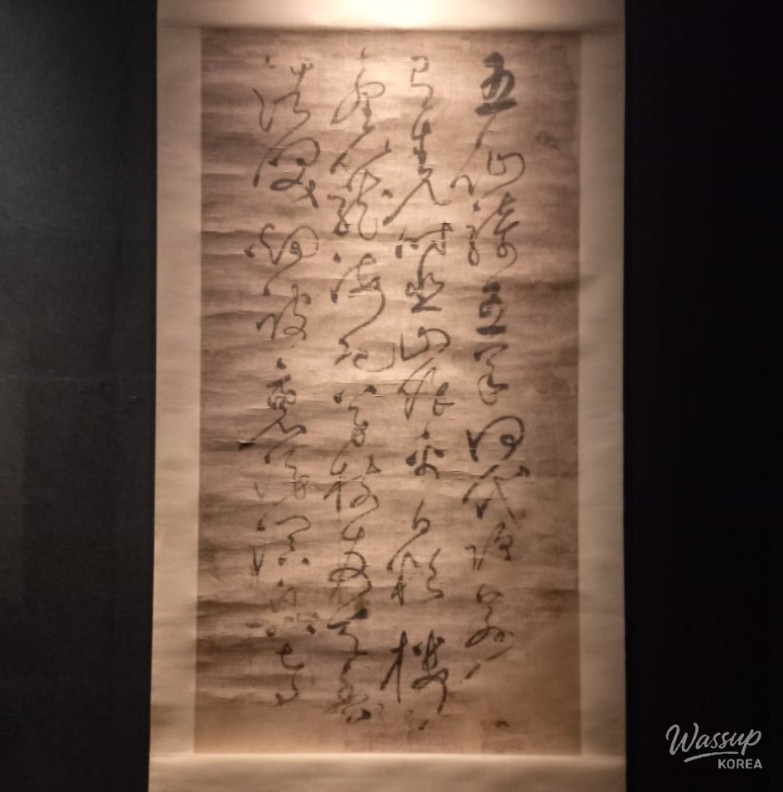
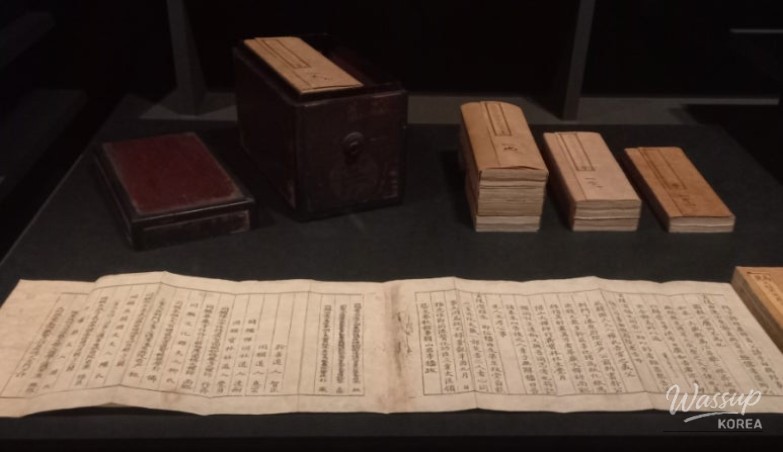
Calligraphy also reached new heights with masters like Han Ho (Seokbong), whose Cheonjamun (Thousand Character Classic) was distributed by King Seonjo to promote learning. The exhibition features a first edition woodblock print, revealing the neat and powerful strokes of this representative calligrapher.
Buddhist Art: Prayers in Gold
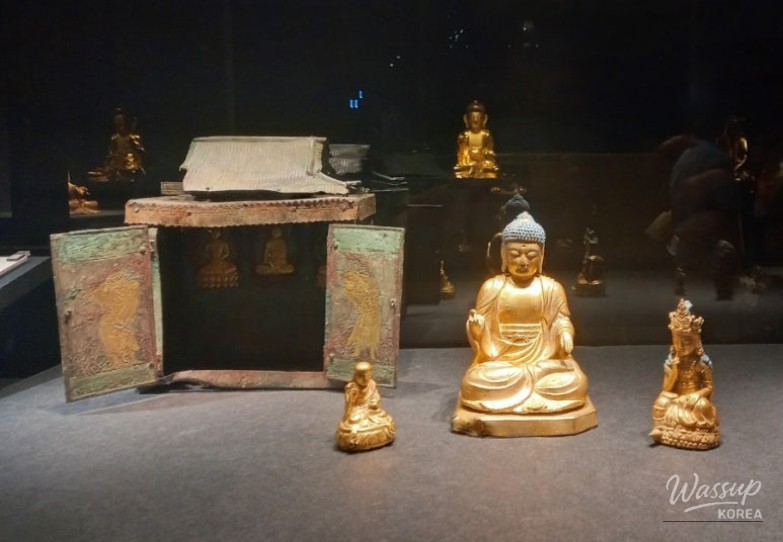
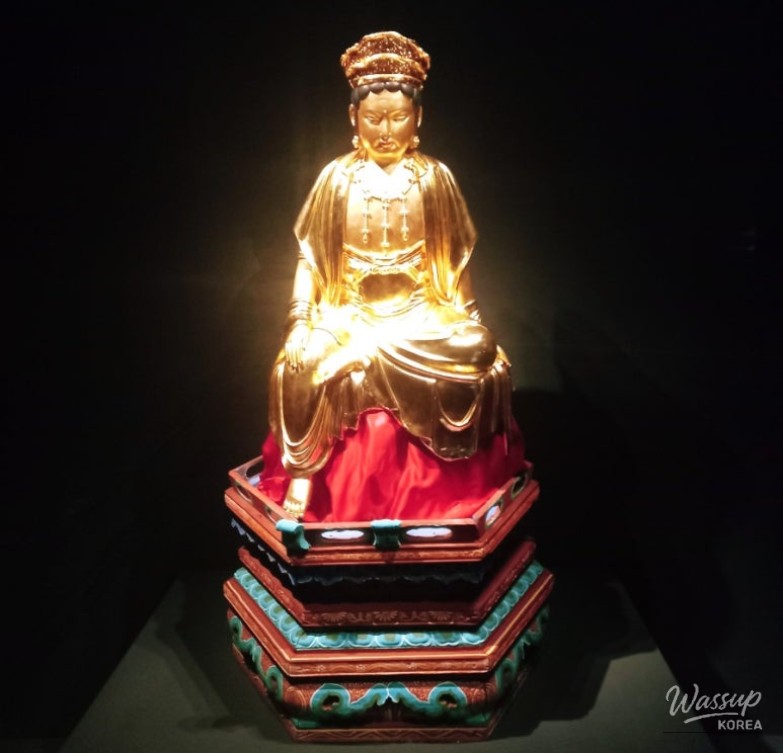
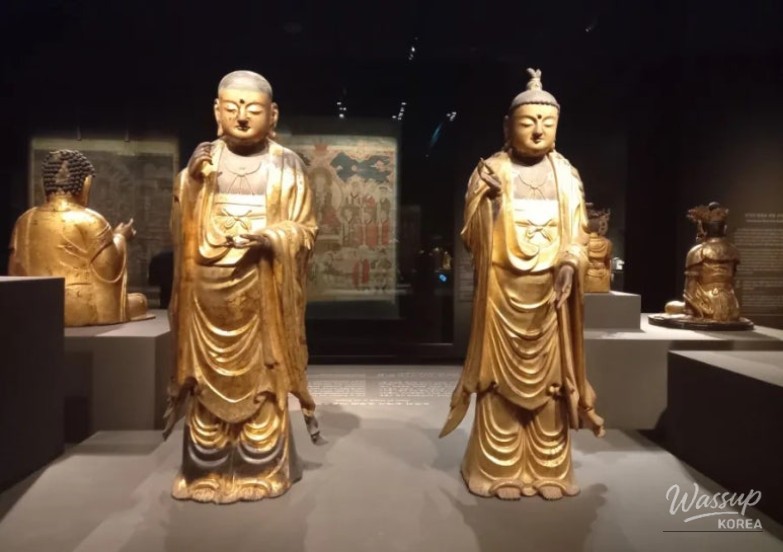
Despite Joseon's adoption of Confucianism as its ruling ideology, Buddhism remained a source of comfort and faith for many, including the royal family. The exhibition displays magnificent gilt-bronze Buddha statues and intricate Buddhist shrines, such as those found at Sujongsa Temple, which served as guardians of the royal family’s prayers.
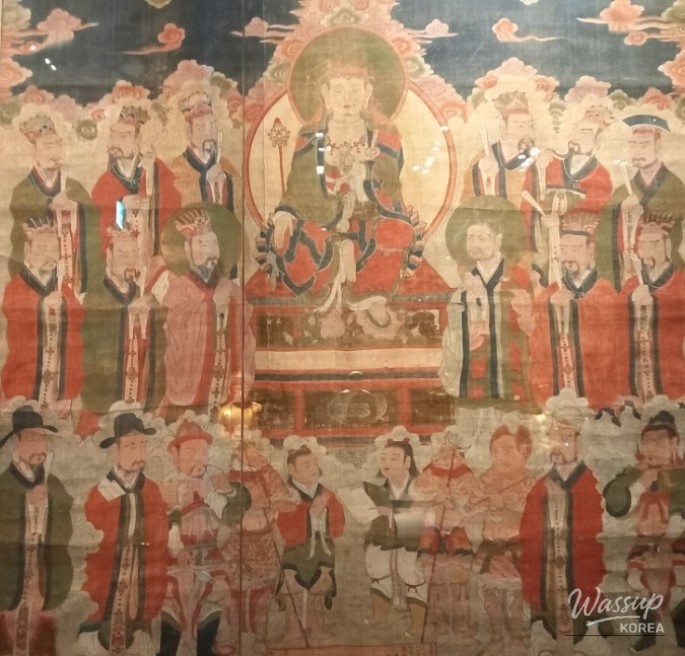
The preservation of these works is remarkable, with many pieces like the <Ksitigarbha and Ten Kings Painting> having been preserved in Japanese temples before returning for this special showing. These artifacts testify to the enduring spiritual life of the Joseon people through centuries of change.
The Light of Joseon: Hunminjeongeum
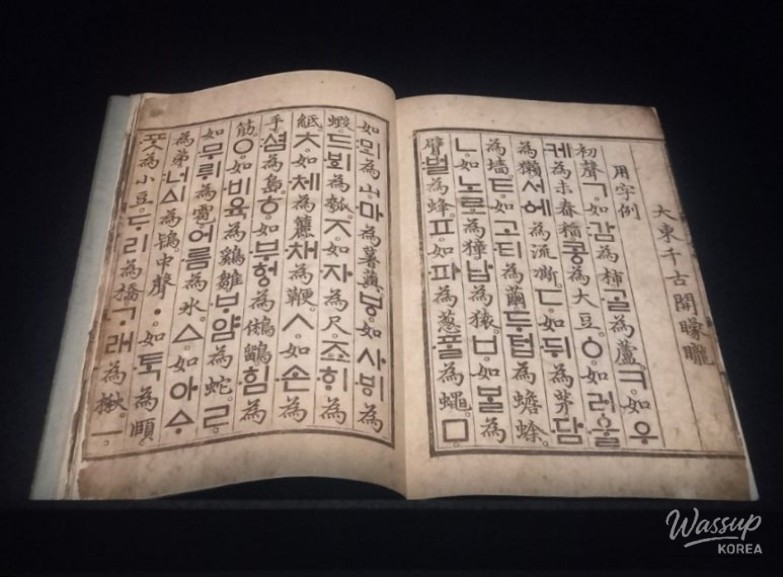
The exhibition concludes with the ultimate cultural innovation of the era: the creation of Hunminjeongeum. King Sejong's creation of the Korean alphabet allowed common people to record their thoughts and language easily, marking a true enlightenment for the nation. This section features the Haeryebon, the foundational book explaining the principles of Hangeul.
Exhibition Photo Gallery
Which piece from the early Joseon era most captures your imagination: the pure white porcelain of the royals or the delicate landscapes of the scholars? After visiting the National Museum of Korea, you might enjoy a stroll through the nearby Yongsan Family Park or a visit to the many unique cafes in the Ichon-dong area.
No comments yet.