Experience the Rio Carnival at the National Folk Museum of Korea!
경기도 파주시 탄현면 헤이리로 30
국립민속박물관 파주




A slice of Brazil’s most iconic festival has arrived in Korea through a special exhibition at the National Folk Museum of Korea in Paju(국립민속박물관 파주).
The Rio Carnival exhibition introduces the history, rhythm, and community spirit behind one of the world’s largest cultural celebrations.
This winter, visitors can experience samba, costumes, and stories that turn a museum visit into a journey across continents.
Experience the Rio Carnival in Paju
One of the world’s most vibrant festivals, the Rio de Janeiro Carnival, can now be enjoyed inside a museum.
The National Folk Museum of Korea in Paju is hosting a special exhibition titled “Exploring the World in the Collection: The Rio Carnival of Brazil.”
This exhibition brings the soul of Africa and the rhythm of samba into a Korean cultural space.
Exhibition Information at a Glance
Location: Lobby, 1st Floor, National Folk Museum of Korea, Paju.
Duration: December 16, 2025 to March 15, 2026.
Opening Hours: 10:00 AM to 6:00 PM, closed on Mondays.
This exhibition is designed to be accessible and enjoyable for visitors of all ages.
A Global Perspective in Preparation for the Future
The National Folk Museum is expanding its focus beyond Korea as it prepares for its relocation to Sejong City in 2031.
As the first step, the museum chose the Rio Carnival, sending staff to Brazil to research the 2025 festival.
Actual structures and materials used in the carnival were collected, adding authenticity to the exhibition.
Historical Roots of the Rio Carnival

The concept of carnival originated in European Catholic culture as the final celebration before Lent.
Introduced to Brazil after the 16th century, it merged with the traditions of enslaved Africans.
Music, drum rhythms, and dance were combined with religious rituals, preserving identity despite oppression.
From Favelas to Samba Schools
In the early 20th century, samba communities formed in the favelas of Rio de Janeiro.
These groups evolved into samba schools, which became the heart of the modern carnival parade.
The exhibition highlights how local communities shaped the festival into what it is today.
Samba Schools and Community Power

Samba schools are more than dance groups; they are local communities.
Each year, members create music, choreography, costumes, and parade structures together.
The carnival is a festival built through collective effort, expressing unity and shared identity.
Costumes as a Language
The extravagant costumes and decorated vehicles are the result of a year’s dedication.
They tell stories of history, mythology, politics, and everyday life without words.
In the exhibition, these elements reveal carnival as a form of visual storytelling.
Samba, the Heartbeat of the Carnival
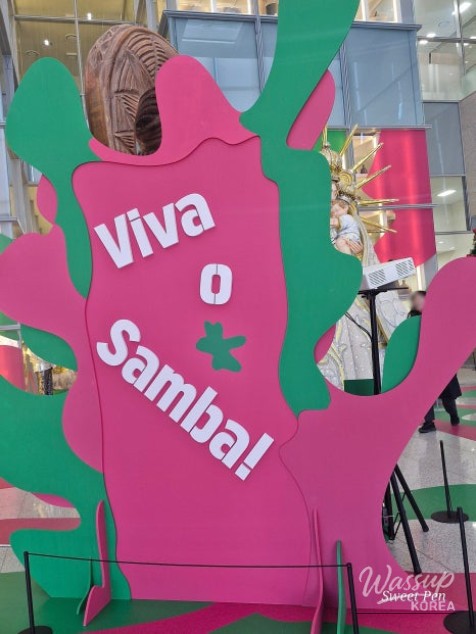
Samba was born from the experiences of enslaved Africans during the colonial period.
It carries pain, longing for freedom, joy, and resilience through powerful rhythms.
Full-body movement and drumming lie at the core of this expressive dance and music.
A Moving Theater of Stories
During the carnival parade, samba music narrates stories of history, society, and imagination.
The parade functions as a massive moving theater on the streets of Rio.
This exhibition helps visitors understand the deeper meaning behind the rhythm and movement.
A Cultural Journey for All Ages

Walking through the exhibition feels like traveling across the globe.
Children and adults alike can enjoy the vibrant visuals, stories, and cultural context.
It offers a warm and engaging indoor experience, perfect for winter weekends.
Why This Exhibition Is Worth Visiting

This exhibition goes beyond colorful displays.
It introduces the meaning of festival, community, and cultural continuity.
Experiencing the Rio Carnival in Paju offers a rare chance to connect with global folk culture.
A Winter Cultural Escape in Paju
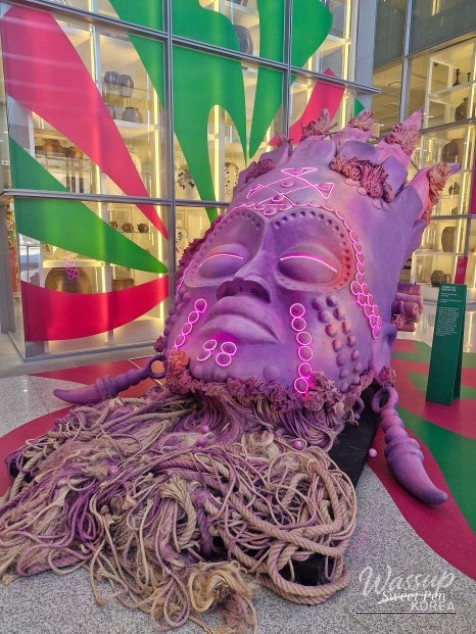
If you are looking for a meaningful and cozy winter outing, this exhibition is an excellent choice.
It combines education, entertainment, and global culture in one space.
Step into the rhythm of samba and experience the passion of Brazil without leaving Korea.
No comments yet.