Walking Tour of Jeonju Hanok Village



Jeonju Hanok Village
Walking Tour Itinerary
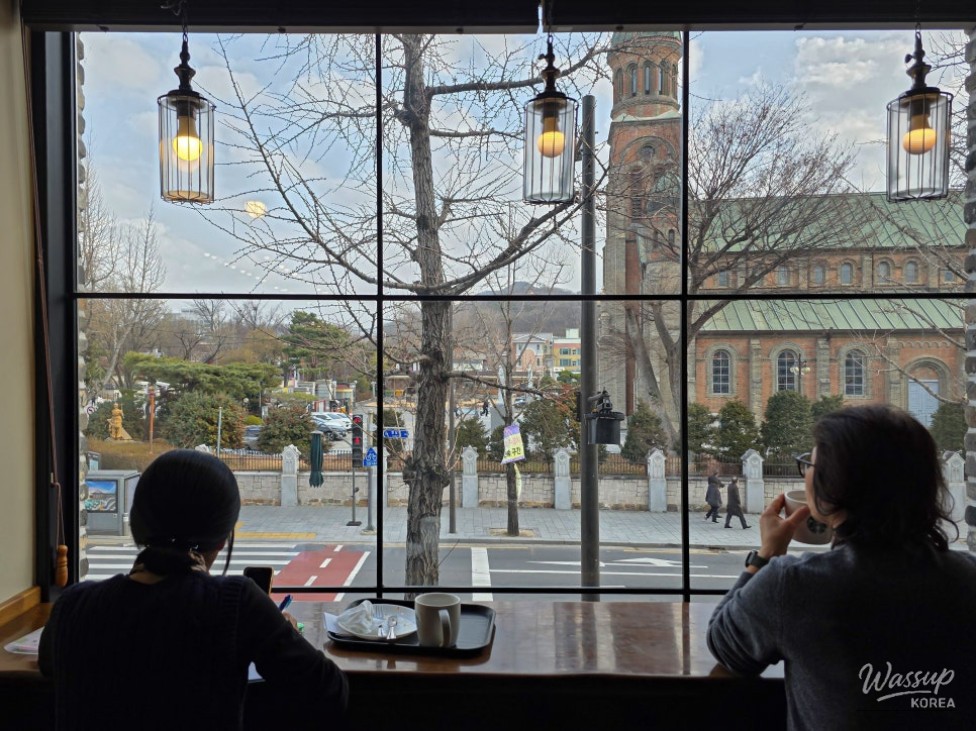
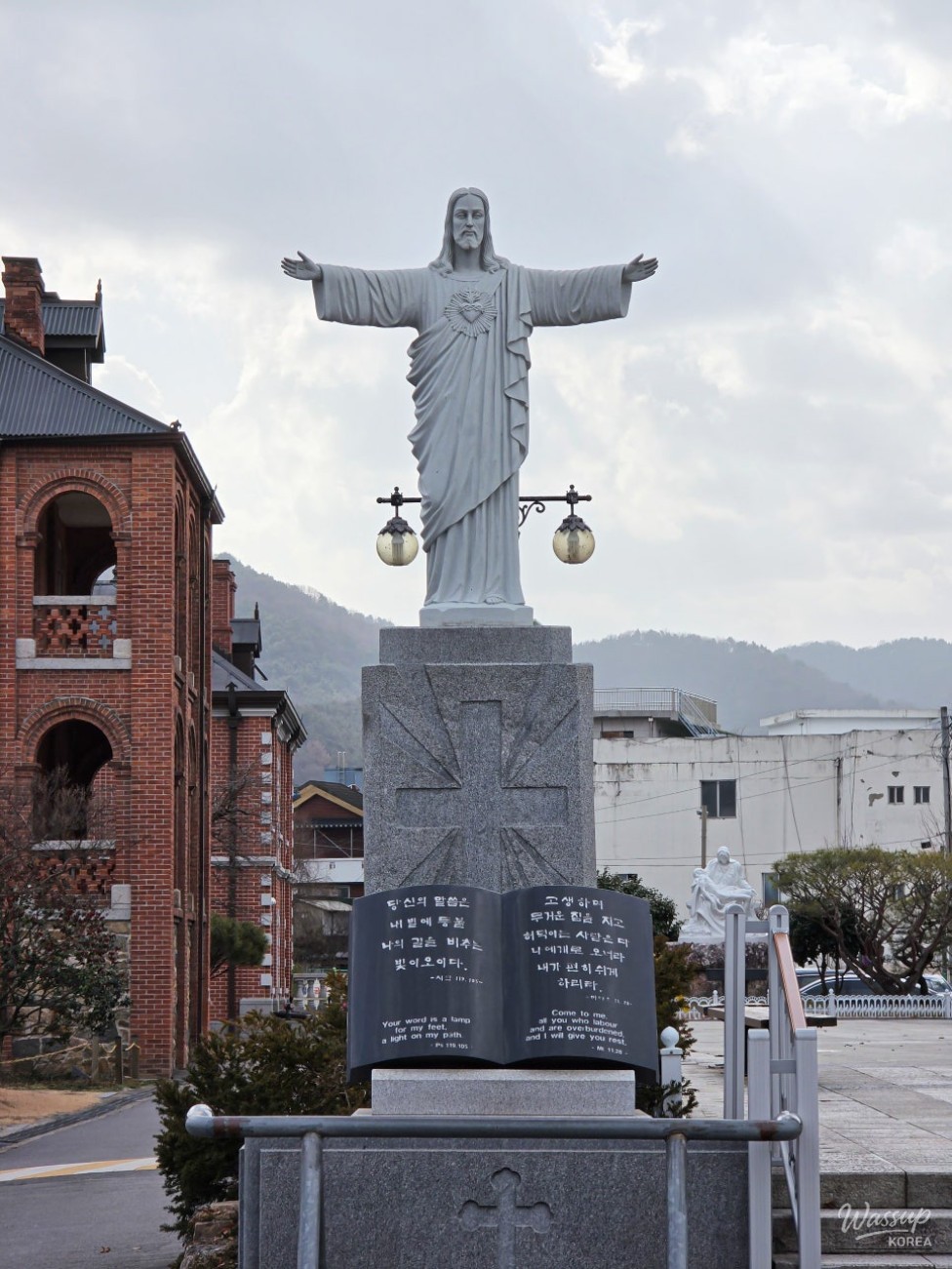
View of Jeondong Cathedral from a nearby café
A walking tour can be described as a journey enjoyed by strolling through nearby areas. Typically, these tours take place in old town centers. Here, I will introduce a walking tour route in Jeonju, Jeollabuk-do.
When people think of Jeonju, they often first recall the night views of Hanok Village or the rich cuisine like bibimbap and kongnamul-gukbap. However, the true depth of Jeonju lies in the layered historical complexities hidden behind its vibrant tourist attractions.
The area around Jeondong, centered on Pungnammun, the southern gate of Jeonju Fortress, serves as a vast 'museum without a roof,' encapsulating the religious persecution and martyrdom of the Joseon era, foreign invasions during the late Joseon period, and the fervent spirit of resistance during the Japanese occupation.
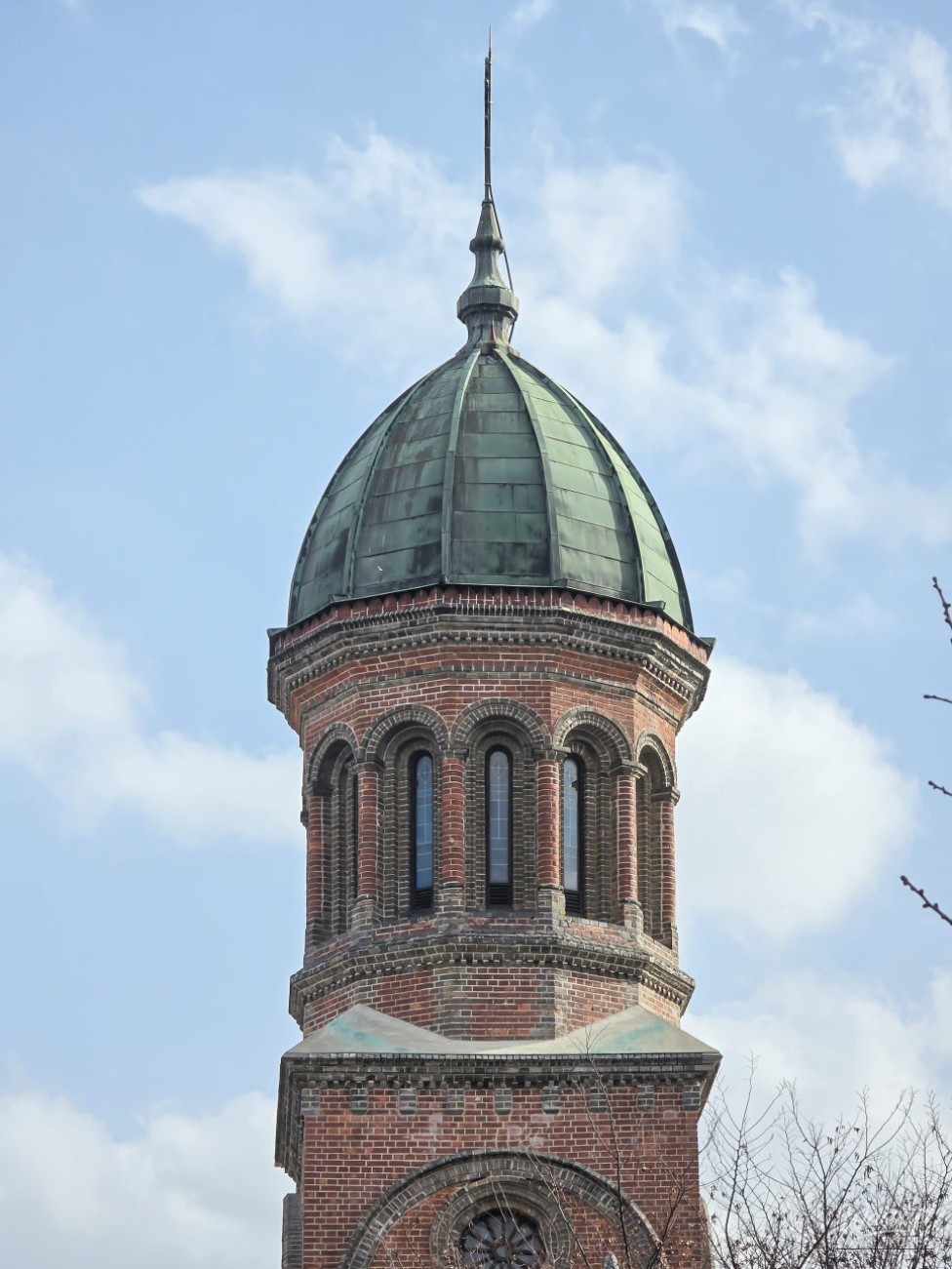
Jeondong Cathedral, a site of faith and a masterpiece of modern architecture, is the starting point of our journey. This cathedral boasts the most beautiful and grand structure among modern buildings in the Honam region. Yet, behind its beautiful red bricks lies a poignant history of martyrdom. Originally, this site was a place of execution for Catholic believers during the Joseon era.
Jeonju was the center of Honam, as it housed the Jeolla Provincial Office, making Jeondong one of the main martyrdom sites in Catholic history. In 1791, the first martyrs, Yoon Ji-chung (Paul) and Kwon Sang-yeon (James), were beheaded here.
Subsequently, during the Shinyu Persecution in 1801, the first apostle of Honam, Yoo Hang-gyeom (Augustine), along with his brother Yoo Gwan-gyeom, Yoon Ji-heon (Francis), Kim Yoo-san, and Lee Woo-jip, faced persecution and execution.
To honor their noble sacrifices and spirit of martyrdom, Father Baudouin from France purchased the site in 1891 and began construction in 1908, completing it in 1914. Designed by Father Poyanel, who also designed Myeongdong Cathedral in Seoul, this cathedral features a unique blend of Byzantine and Romanesque styles.
Particularly, the materials used in the cathedral carry a painful history. The bricks were made from the earth excavated when the Japanese colonial government demolished the Jeonju city walls, and stones from the nearby Pungnammun were used as the foundation stones for the church.
Thus, where our nation's fortress was dismantled, a temple of faith was erected. Jeondong Cathedral remains a sacred space where masses are still held, so visitors should check the schedule before visiting to respect the liturgical services.
In front of Pungnammun, a symbol of Jeonju and a historical gate, stands the 'Statue of the Peaceful Girl,' a poignant reminder of history that we must never forget. Erected on August 13, 2015, it was created to comfort the victims of Japanese military comfort women and to share correct historical awareness.
The severed hair symbolizes the forced severance from parents and homeland, while the small bird on her shoulder represents a connection between the victims who have passed away and us today. The bare feet that cannot touch the ground reflect the painful lives of grandmothers who could not rest even after returning to their homeland. The image of the girl sitting against the historical backdrop of Pungnammun quietly conveys the message that we must remember past wounds and prepare for a peaceful future.
Crossing the street from the grandeur of Jeondong Cathedral, we encounter Pungnammun, a symbol of Jeonju and designated Treasure No. 308. Pungnammun is the only remaining southern gate among the four gates that surrounded Jeonju Fortress during the Joseon era.
Originally built in 1389 during the Goryeo Dynasty by Governor Choi Yu-gyeong, it was damaged during the Imjin War and was rebuilt in 1768 by Governor Hong Rak-in, who named it 'Pungnammun.' The name 'Pungnam' refers to the southern part of 'Fengpei,' the hometown of Emperor Gaozu of the Han Dynasty, symbolizing Jeonju as the birthplace of the Joseon Dynasty.
Walking around Pungnammun, one can appreciate its unique aesthetic, distinct from other gates in Korea. The structure, where the pillars of the two-story pavilion connect with the lower pillars, exemplifies the architectural characteristics of late Joseon fortress gates. Pungnammun, seemingly floating like an island in the city center, offers a graceful appearance by day and a dreamlike scene illuminated at night.
Beyond Pungnammun lies Nambu Market, a vibrant hub of life in Jeonju. This market has been renowned since the Joseon era as a large market where people and information converged. Thanks to its geographical significance, it became a center of fervent cries for national independence. On March 13, 1919, Jeonju citizens gathered at Nambu Market to shout for independence. This location is where the spirit of resistance burned brightest during the Jeonju March 1st Movement.
Walking along Jeonjucheon near Nambu Market leads to 'Maegok Bridge and the Dike Path.' This area is home to the story of a great figure Jeonju should remember, 'Lee Geoduri (real name Lee Bo-han).' He was a member of Jeonju Seomun Church and dedicated his life to the poor and marginalized.
As the epitaph states, he lived a life of kindness and compassion, sharing his clothes and food with the hungry and destitute. He also participated in the independence movement alongside the people. When he passed away, numerous impoverished citizens and beggars mourned him in a grand procession, prompting us to reflect on what true humanity means today. Visiting the monument on the dike path and the Jeonju Future Heritage guideboard to honor his noble life is an important point of this course.
In conclusion, walking around the Pungnammun area in Jeonju transcends merely observing traces of the past; it awakens our historical responsibilities as we live in the present. If you are planning a trip to Jeollabuk-do, consider taking a leisurely stroll around the Pungnammun area in Jeonju.
While the attractions of Hanok Village are delightful, feel the solemnity at the martyrdom site of Jeondong Cathedral, reflect on the pride of our cultural heritage in front of Pungnammun, and imagine the cries of independence that echoed over a century ago along the dike path of Nambu Market. The time spent walking this path will transform your journey into a valuable experience that allows you to touch the intricate layers of our history, standing on the footprints of countless individuals who have built peace from past pains.
Jeonju's ancient paths are not mere roads; they carry messages that transcend time. This weekend, take a walking tour through the Pungnammun area, where history, culture, and the stories of warm-hearted people come alive.


Source :https://blog.naver.com/jbgokr/224212387557
No comments yet.