The Role of Transportation in Urban Development


The role of transportation in urban development is significant.
Railways and highways serve as major arteries connecting cities.
It is natural for local residents to hope for the establishment of connection points.
The KTX is currently the fastest means of transportation connecting regions, surpassing airports in terms of accessibility.
In Uljugun, Onyang-eup, there is a place called Namchang.
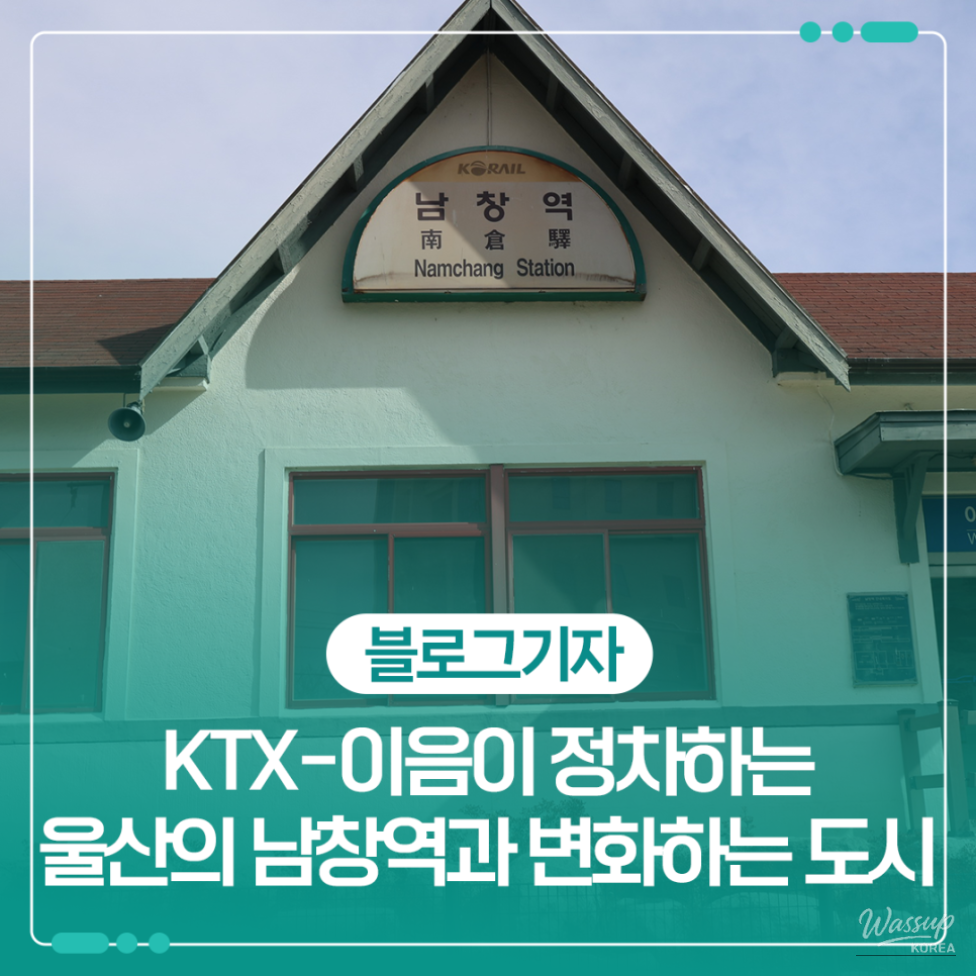
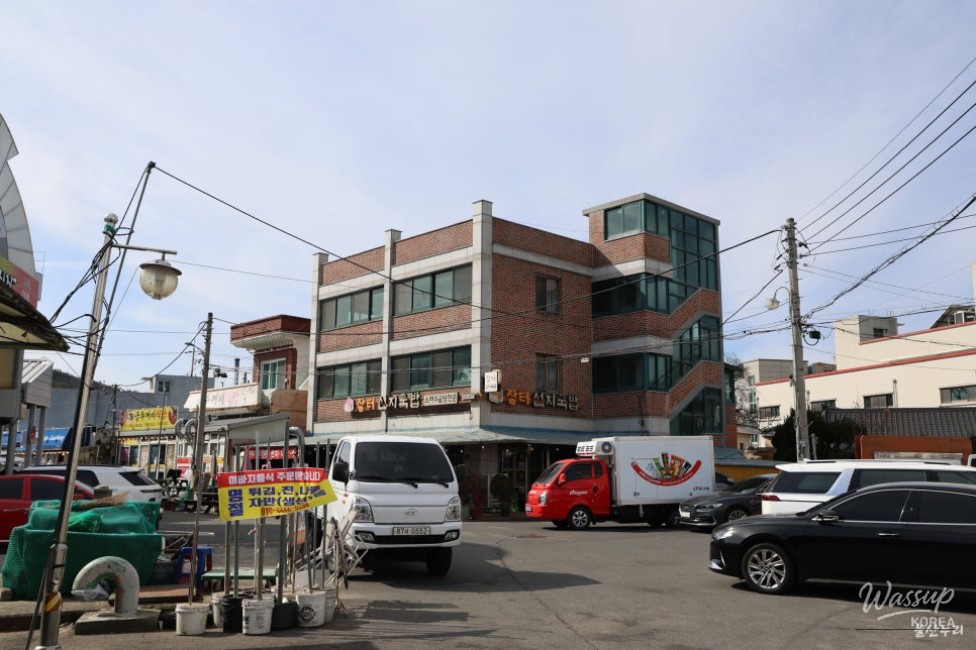
Namchang Station is located here, where a large traditional market opens every five days.
The river flowing through Namchang is called Namchangcheon, which joins the Hoeya River.
The Hoeya River is not just a simple stream but a waterway rich with stories.
There is a legend that the founder of the Silla kingdom, Hyeokgeose, was carried down this river at night, and records indicate that it played a significant role in defeating Japanese invaders during the Imjin War.
During the Joseon Dynasty, it was known by various names including Gumnae or Gomsu, and in different regions, it was called Namcheon in Ungcheon, Hoeya River in Onsan, and Ilseung River in Seosang. I took a moment to reflect on the layers of history and memory that flow through this waterway.
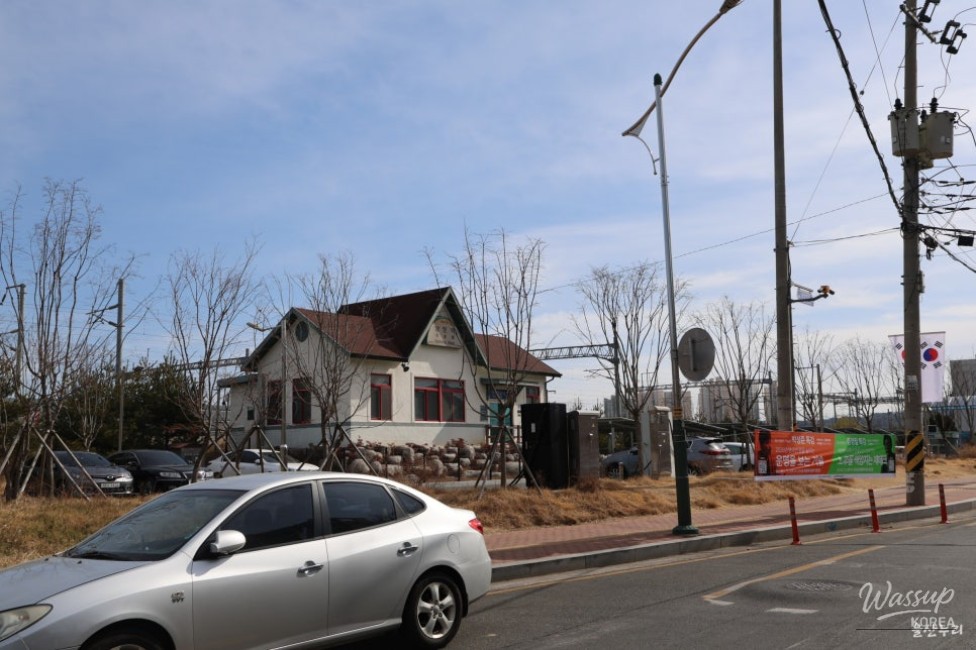
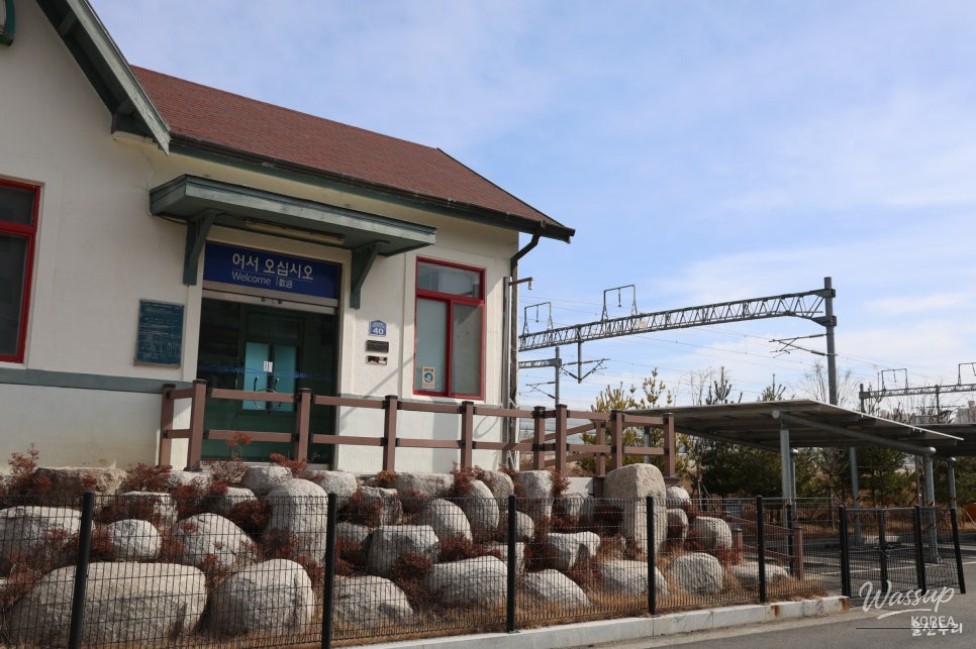
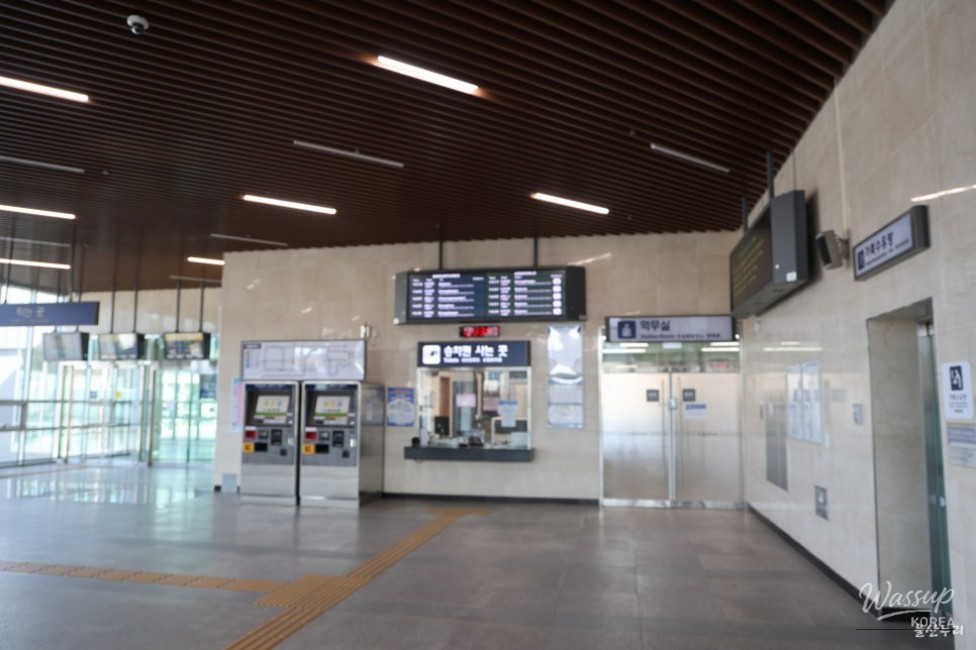
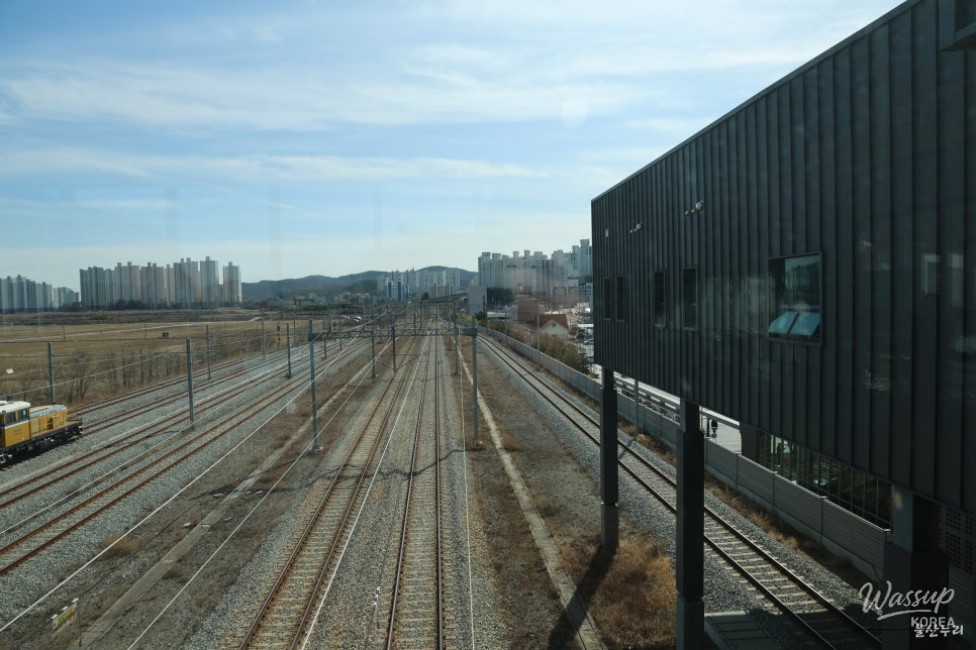
Today's Namchang Station is a newly constructed facility.
However, next to it stands the old Namchang Station built during the Japanese colonial period, allowing us to examine modern historical architecture.
This small wooden station exemplifies the architectural style and spatial configuration of local stations at the time and has been designated as a modern cultural heritage site.
The left side features a steep gable, while the right waiting area has a gentle sloped roof, with two gables protruding over the station office facing the tracks.
This reflects the unique freedom and practicality characteristic of coastal towns.
The sight of the new and old stations standing side by side seems to showcase the time this region has traversed and the time yet to come.
Namchang Station is not small by any means.
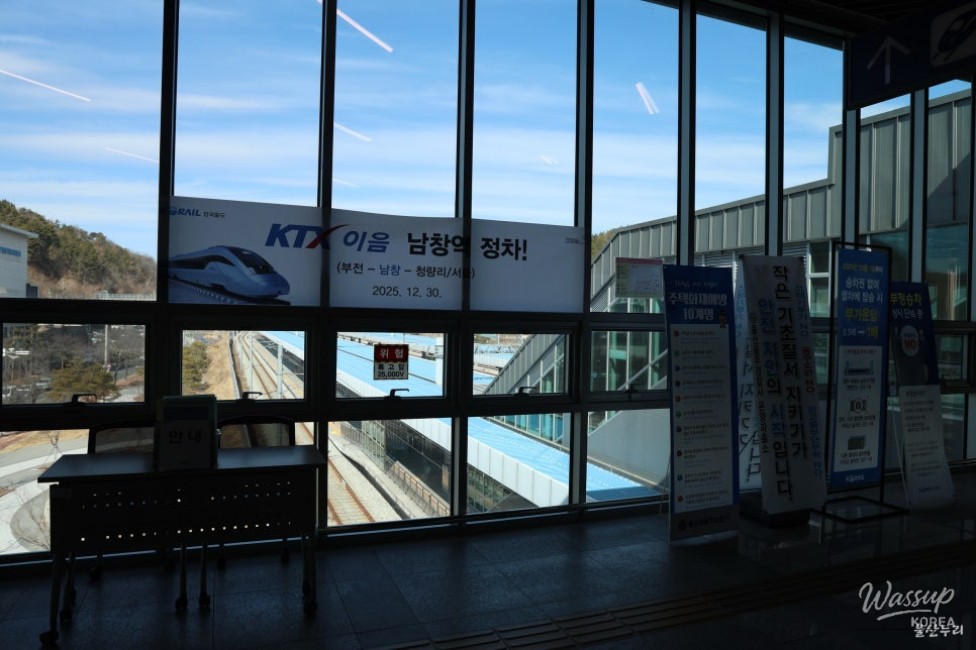
It is comparable in scale to major stations in other metropolitan areas, and since December of last year, the KTX-Ium has begun to stop here.
Consequently, Uljugun is actively promoting the KTX-Ium stop at Namchang Station to engage community participation.
Railways are not just a means of transportation; they are devices that change the pace and direction of a region.
As you follow the Namchangcheon upstream, you will spot Namchang Station.
This junction of river and railway has long been a place where people, goods, and stories have exchanged.
Every August, the Namchangcheon Public Parking Lot hosts the 'Namchangcheon Water Light Festival,' creating a scene where lanterns, water lights, experiences, and markets blend together.
Even if you do not live in this area, frequent visits will gradually reveal the unique essence of Namchang.
The traditional market began to regain its vibrancy after the opening of the Donghae Line metropolitan railway connecting Busan's Bujeon Station and Ulsan's Taehwa River in December 2021.
On market days, people from Busan and Ulsan take the train to Namchang Station and head to the market.
With the railway connection, the market's activity has also increased, creating a renewed flow between the waterway, railway, and market.
Namchang Station now has one stop in the upward direction at 10:35 AM and one in the downward direction at 7:57 PM.
Uljugun expects that this stop will enhance the accessibility of businesses in the Onsan National Industrial Complex and positively impact the activation of nearby tourist attractions like Okgosan Onggi Village and Ganjeolgot.
The name Namchang means 'warehouse located in the south.'
In 1679, the fifth year of King Sukjong of Joseon, a warehouse was established here to temporarily store grains collected from the people.
The Goryeo Kim clan managed the warehouse, and this place naturally became a gathering point for people.
Even today, many visit this area on market days.
Onyang-eup was part of the Ussisan territory of Jinhan during the Samhan era, and it is believed that the area around Daewunsan Fortress served as its capital.
Not far from here is Okgosan Onggi Village, and further along are the scenic spots of Gajisan, Sinbulsan, Ganjeolgot, Ban-gudae Petroglyphs, and Cheonjeonri inscriptions, representing Uljugun's natural and cultural heritage.
Namchang serves as a gateway to all these locations.
Today's Namchang Station is building new possibilities on the foundation of old memories.
This place, where rivers, markets, railways, and festivals converge, already holds ample stories.
With the KTX stopping here, Namchang can be redefined as a place to stay rather than just a station to pass through.
Change does not always come suddenly.
When an additional choice is made upon the time already accumulated, the direction finally shifts.
Namchang Station, Namchangcheon, and the Hoeya River continue to flow.
Like the waterway, the transformation of this region is also gradually, yet surely, continuing.
What is anticipated here is not large-scale development but connection.
When the past and present, local and external, staying and moving reconnect, the name Namchang will begin to be remembered in a new light, leading to urban transformation.








Source :https://blog.naver.com/ulsan_nuri/224177008169
No comments yet.