The Pride of Yeongnam Confucianism: Donam Seowon
경상북도 상주시 도남2길 91



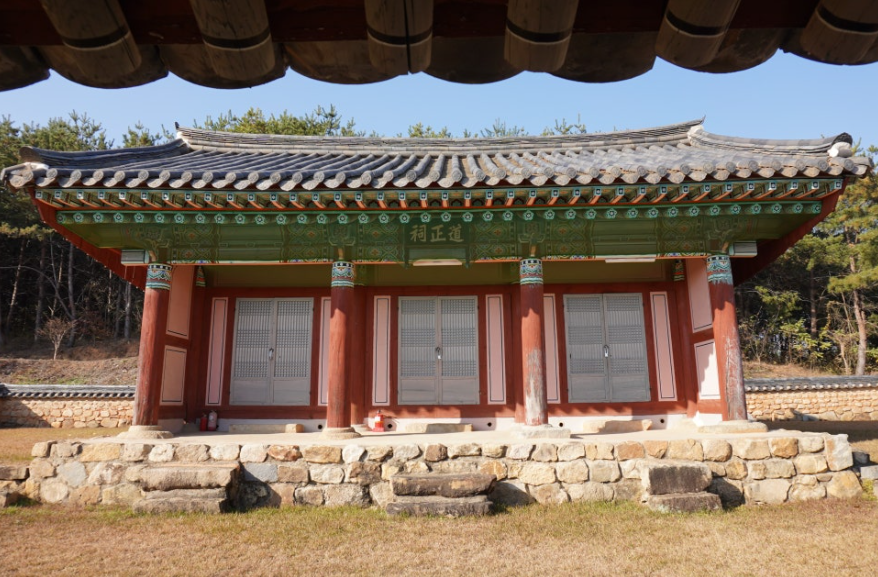

Donam Seowon is regarded as one of the most representative symbols of Yeongnam Confucianism, peacefully located along the Nakdong River in Sangju.
Blending Joseon-era seowon architecture with a calm riverside landscape, this place offers visitors more than sightseeing, inviting quiet reflection and inner balance.
This walk through Donam Seowon follows its gates, courtyards, and pavilions, revealing how learning, discipline, and nature once came together.
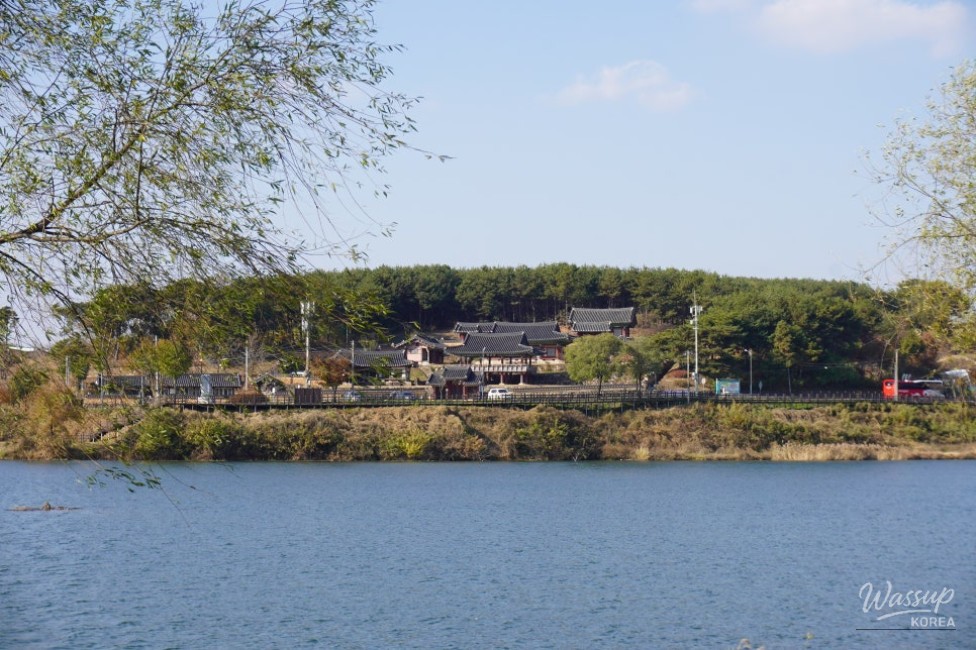
Donam Seowon by the Nakdong River
Donam Seowon is quietly nestled beside the flowing Nakdong River, where open skies and gentle water create a serene backdrop.
The harmony between architecture and nature reflects the traditional philosophy of Joseon-era seowon design.
The tiled roofs lining the riverside resemble a calm ink painting, setting a peaceful tone from the first glance.
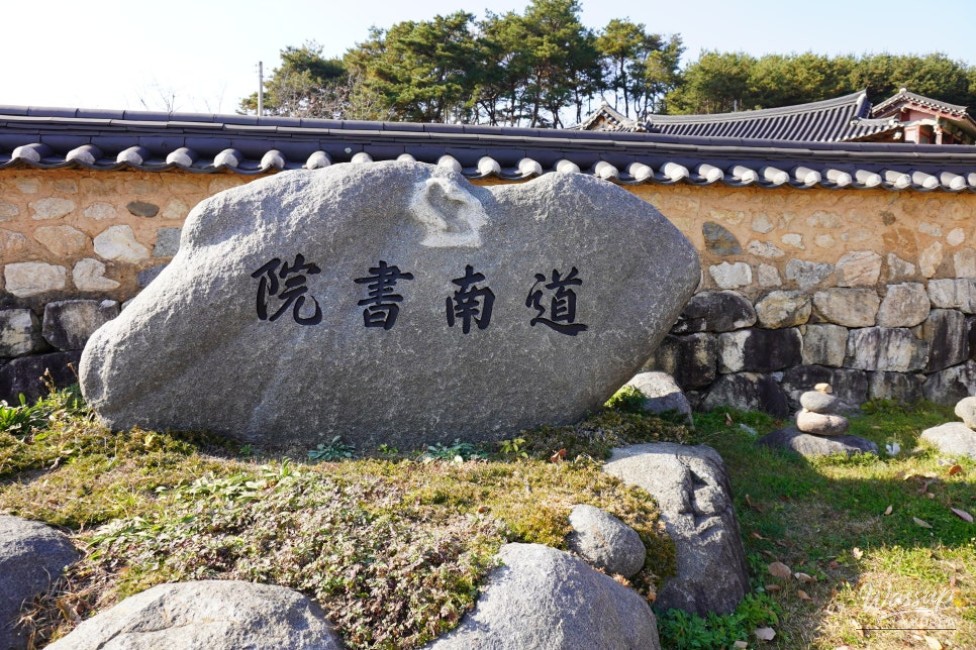
The Meaning Behind the Name Donam
The name Donam signifies the way of Confucianism coming from the south.
It symbolizes the legitimacy and pride of Yeongnam Confucianism, which flourished throughout this region.
This meaning quietly permeates the layout and spirit of the seowon.
Ipdeokmun, the Gate to Virtue
The main gate of the seowon is called Ipdeokmun, meaning the gate to the world of virtue.
Neat yet dignified, the gate reflects the values of humility, discipline, and learning practiced by past scholars.
Although usually closed, it remains a powerful symbolic entrance to the moral world of Donam Seowon.
Yeongguimun and the First Courtyard
Visitors usually enter Donam Seowon through the narrower Yeongguimun gate.
This gate frames the inner courtyard and buildings beautifully, making it one of the most photogenic viewpoints inside the seowon.
The moment you step through, the space naturally encourages quiet observation.
Jeongheoru Pavilion and River Views
Jeongheoru pavilion rises atop high stone walls, its curved eaves spreading gracefully like wings.
This pavilion once served as a place for scholars to gather, recite poetry, and exchange ideas.
From here, the winding Nakdong River unfolds calmly, inviting visitors to pause and clear their thoughts.

A Courtyard Shaped by History
Beyond Yeongguimun lies a wide courtyard surrounded by balanced and orderly buildings.
Although Donam Seowon suffered destruction during the seowon abolition period, it was later restored through scholarly dedication.
The empty space feels filled with integrity, scholarship, and quiet determination.

The Main Study Hall of Donam Seowon
The main hall was the core learning space where scholars studied and debated classical texts.
The plaque bearing the name Donam Seowon and the restrained dancheong express dignity rather than extravagance.
Eastern and western study rooms flank the hall, anchoring the structure with disciplined passion for learning.

Dojeongsa and the Spirit of Scholarship
At the highest point of the seowon stands Dojeongsa, the shrine housing the tablets of nine revered sages.
The refined wooden architecture emphasizes elegance over ornamentation.
Surrounded by a dense pine forest, this space embodies solemnity and spiritual depth.

A Place for Pause and Reflection
Donam Seowon is not merely a historical relic.
It offers a moment of pause, allowing visitors to reconnect with inner calm often lost in daily life.
Following the flow of the Nakdong River, the footsteps of past scholars still seem to echo quietly through this timeless landscape.

No comments yet.