Seoul Exhibition Recommendation: Yearning for Home - An Exhibition Commemorating the 80th Anniversary of Liberation


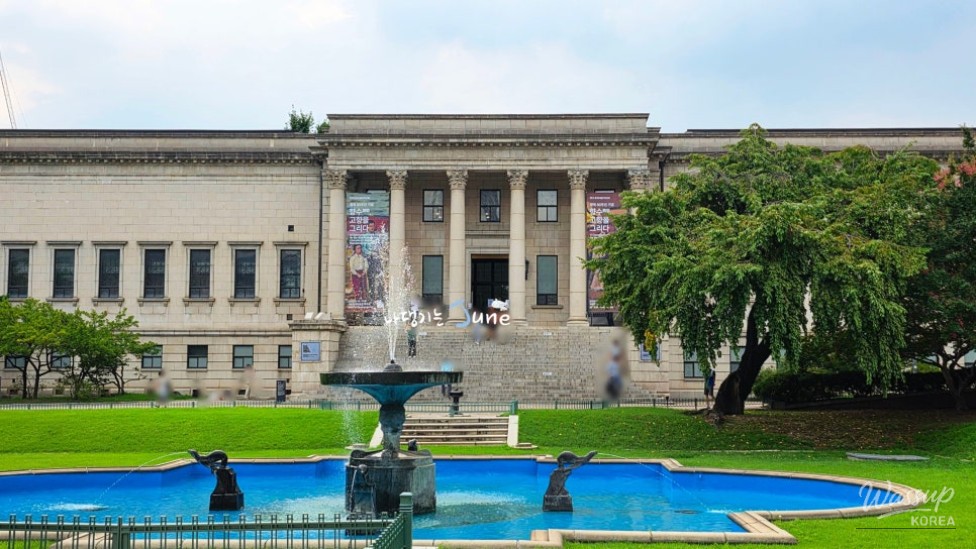
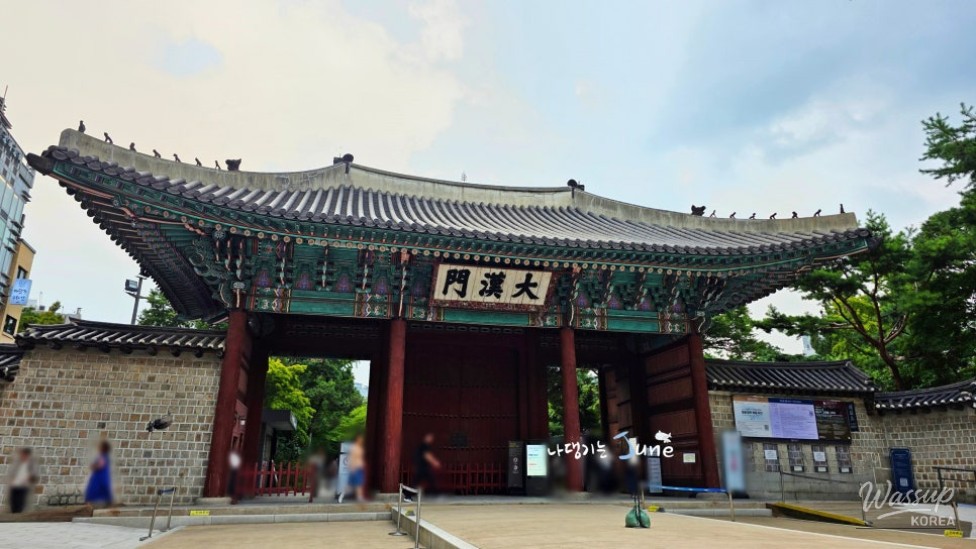
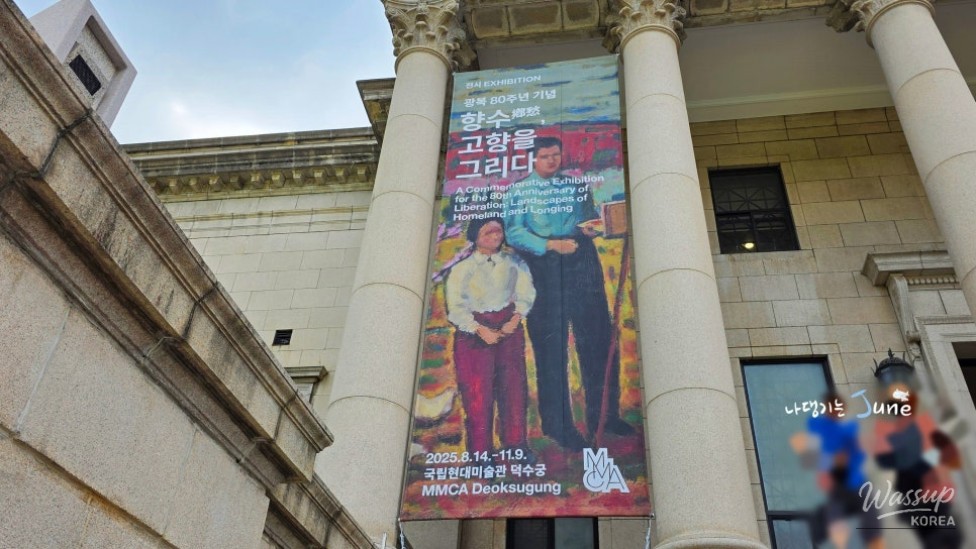
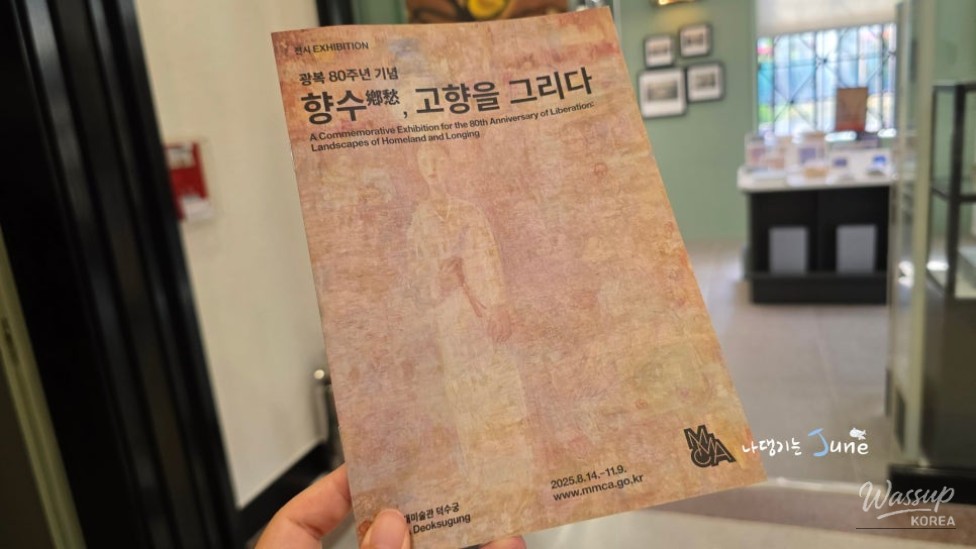
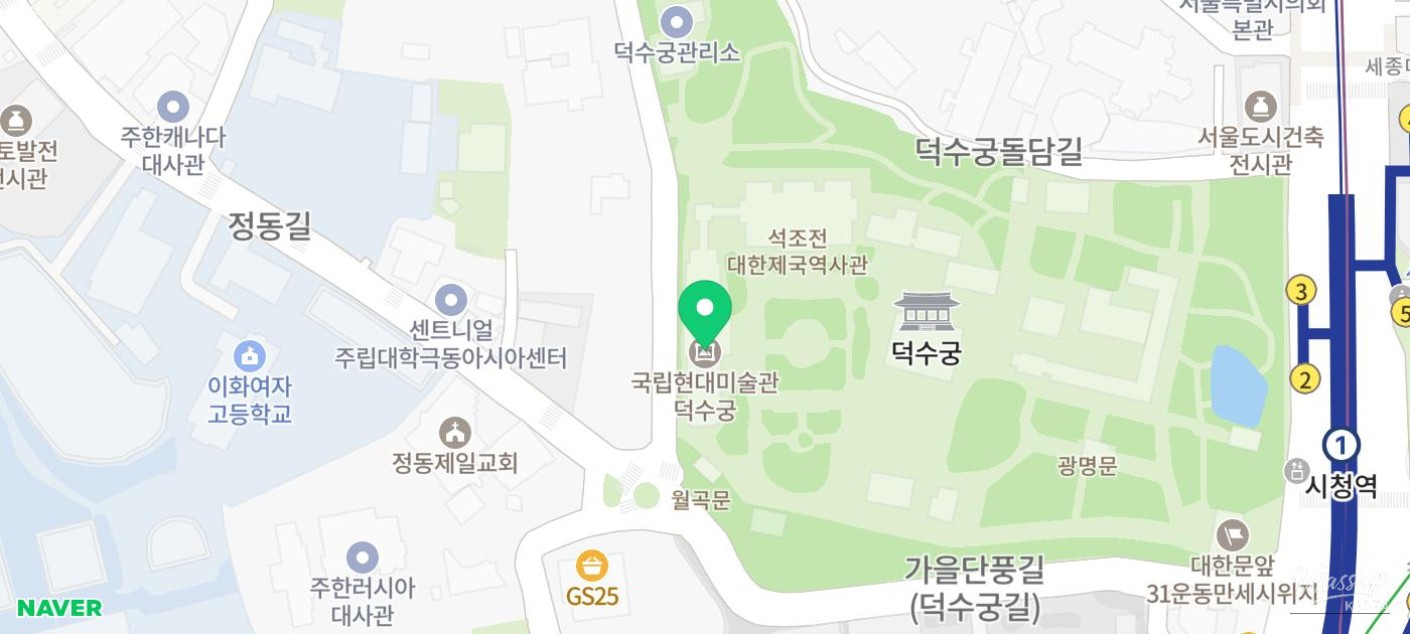
I visited the Deoksugung Palace branch of the National Museum of Modern and Contemporary Art (MMCA) to see the "Yearning for Home," an exhibition commemorating the 80th anniversary of Korea's liberation.
Deoksugung Palace Admission Fees and Hours:
Individuals: ₩1,000 / Groups (10 or more): ₩800
9:00 AM to 9:00 PM
Last admission: 8:00 PM
Closed every Monday
Free admission on 'Culture Day' (last Wednesday of every month)
"Yearning for Home" Exhibition Information:
August 14th to November 9th
MMCA Deoksugung, 2nd Floor, Galleries 1 & 2 / 3rd Floor, Galleries 3 & 4
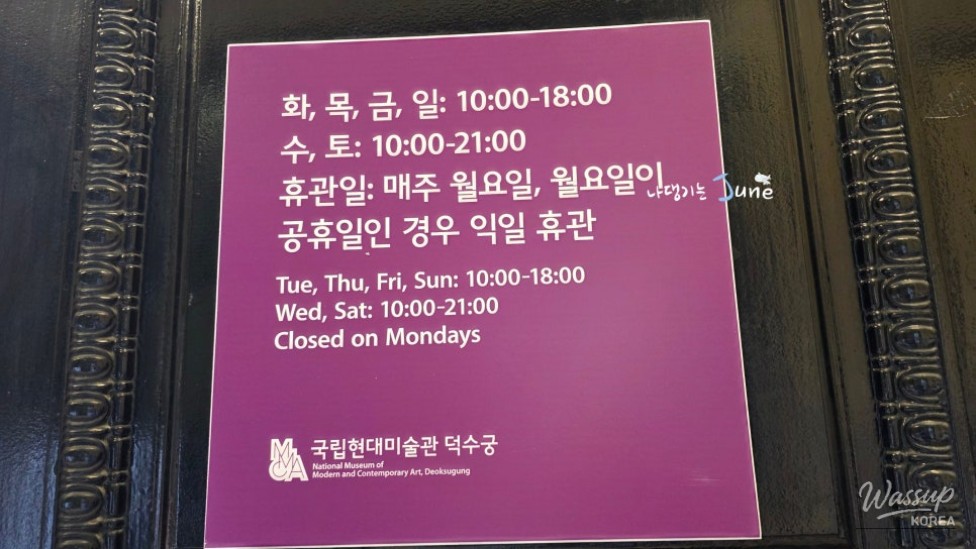
MMCA Deoksugung Admission Fees and Hours (Excluding Deoksugung Palace Admission):
₩2,000 (Deoksugung Palace admission of ₩1,000 is separate)
Tuesday, Wednesday, Friday, Saturday, Sunday
10:00 AM to 6:00 PM
Thursday
10:00 AM to 9:00 PM
Closed on January 1st, Lunar New Year's Day, and Korean Thanksgiving Day (Chuseok)
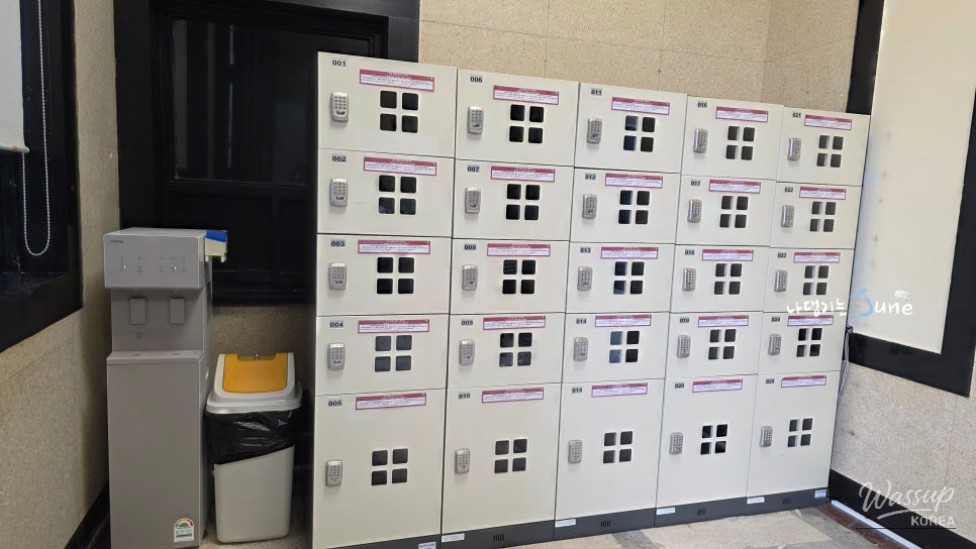
There are free lockers at the entrance to the MMCA Deoksugung.
I tried to store my belongings in a locker before viewing the exhibition, but there were no lockers available.
Luckily, someone was leaving, so I managed to use the last locker. However, it was on the top shelf, and there were many people around, so while trying to shield the keypad and set the password, I must have pressed something wrong.
I was a little embarrassed when the locker wouldn't open, but a staff member came and opened it for me.
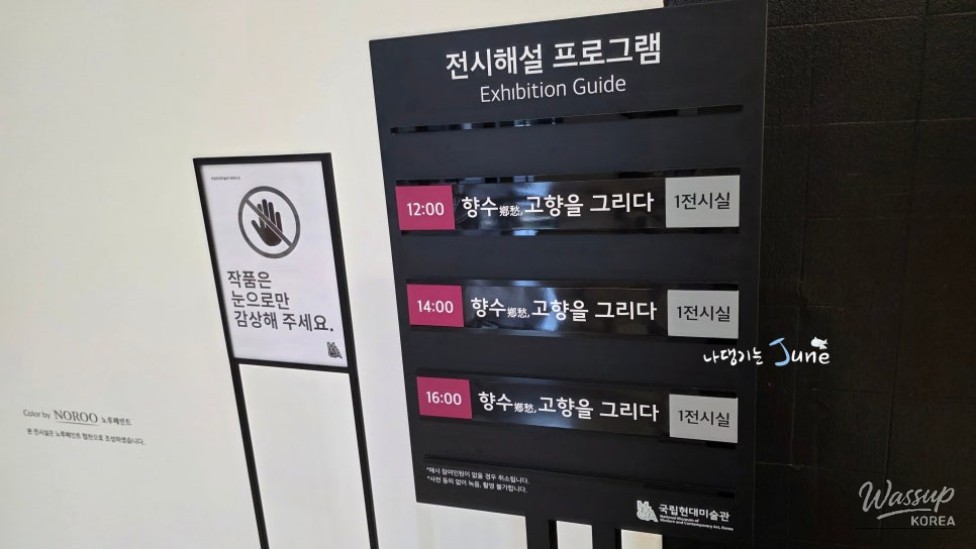
"Yearning for Home" Exhibition Docent Program:
12:00 PM, 2:00 PM, 4:00 PM
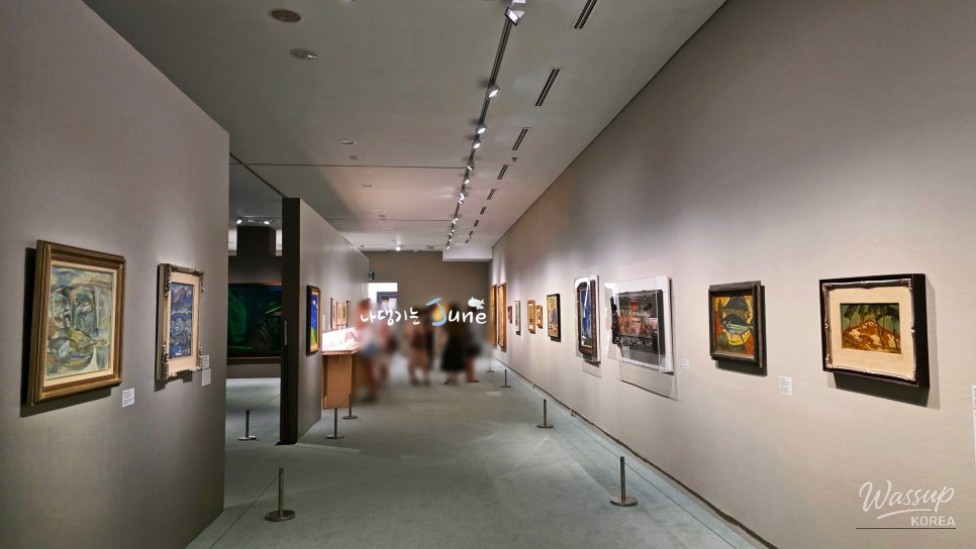
The exhibition features 85 artists, including painters and literary figures:
Including: Kang Un-seop, Kwon Song-dae, Kwon Ok-yeon, Kwon Jin-ho, Geum Gyeong-yeon, Kim Gi-rim, Kim Nam-bae, Kim Se-yong, Kim Su-myeong, Kim Yong-jo, Kim Woo-rak, Kim Woo-mo, Kim Won, Kim In-seung, Kim In-ji, Kim Jeong-hyeon, Kim Jong-tae, Kim Jong-hui, Kim Ju-gyeong, Kim Hwan-gi, Nam Kwan, Do Sang-bong, Moon Shin, Park No-soo, Park Don, Park Deuk-soon, Park Myeong-jo, Park Sang-ok, Park Seong-hwan, Park Su-geun, Park Cheol-jun, Baek Rak-jong, Baek Seok, Byeon Gwan-sik, Byeon Si-ji, Seo Dong-jin, Seo Seok-gyu, Son Il-bong, Song Hye-soo, Shin Seok-pil, Shin Young-heon, An Gi-pung, An Seung-gak, Yang Dal-seok, Oh Jang-hwan, Oh Jong-wook, Oh Ji-ho, Woo Shin-chool, Yoo Young-kuk, Yun Dong-ju, Yun Jung-sik, Lee Dal-ju, Lee Dong-hoon, Lee Man-ik, Lee Sang-beom, Lee Sang-jeong, Lee Sang-hwa, Lee Seok-woo, Lee Su-eok, Lee Yong-ak, Lee Ung-no, Lee In-sung, Lee Jong-mu, Lee Jung-seop, Im Eung-sik, Im Ho, Jang Ri-seok, Jeon Seon-taek, Jeon Hyeok-rim, Jeon Hwa-hwang, Jeong Un-myeon, Jeong Jong-yeo, Jeong Ji-yong, Jeong Hyeon-ung, Jin Hwan, Cheon Byeong-geun, Choi Gye-bok, Choi Deok-hyu, Choi Young-rim, Choi Jong-tae, Han Muk, Heo Geon, Heo Baek-ryeon, Hong Jong-myeong, Hwang Yu-yeop, etc.
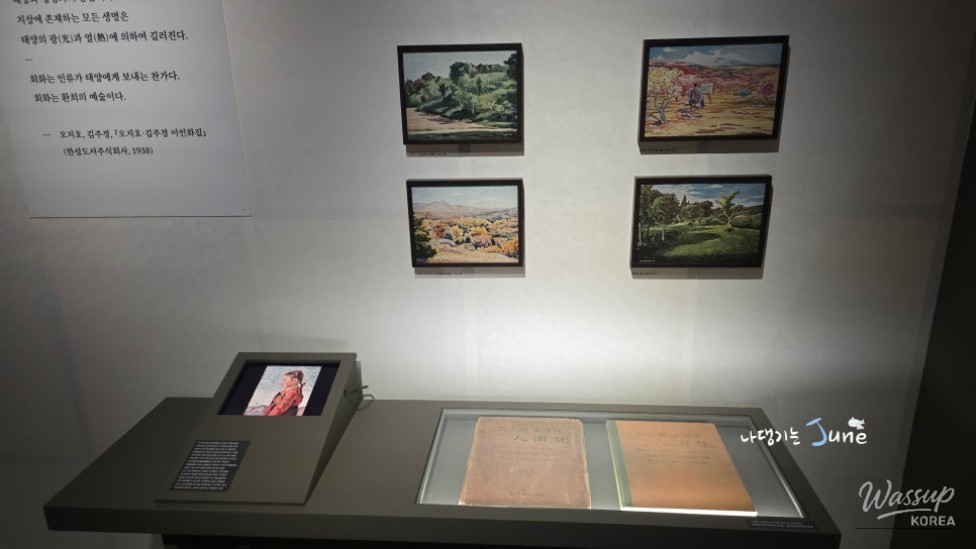
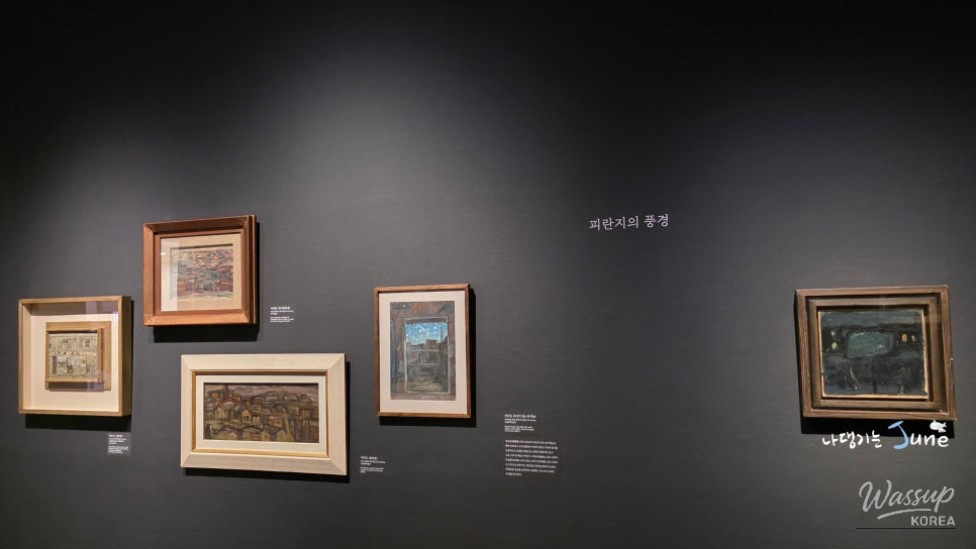
Kim Ju-gyeong’s Landscape with Mount Bugak in the Background
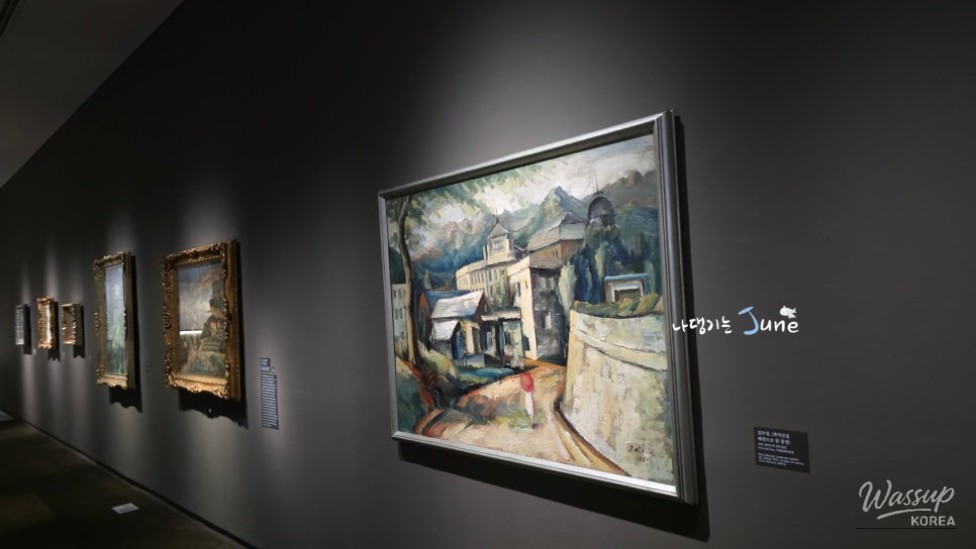
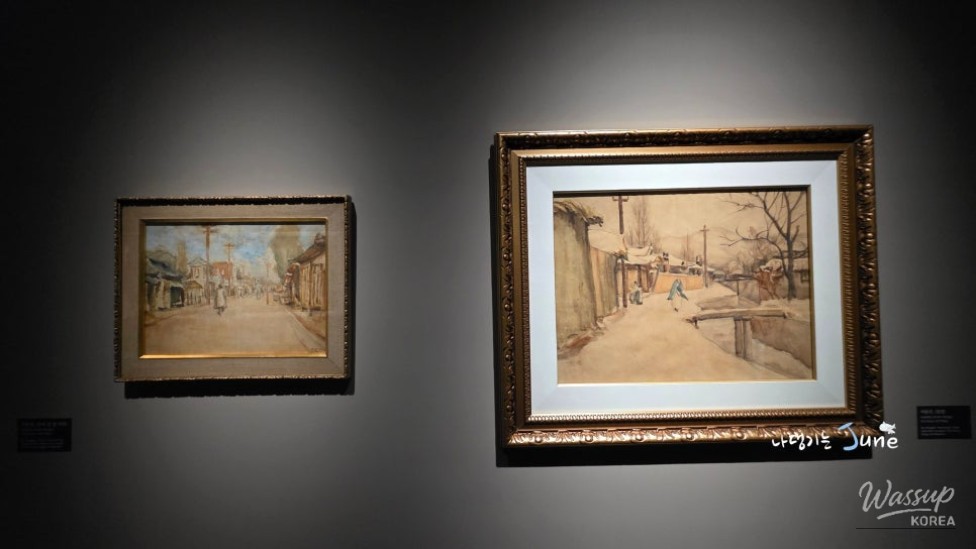
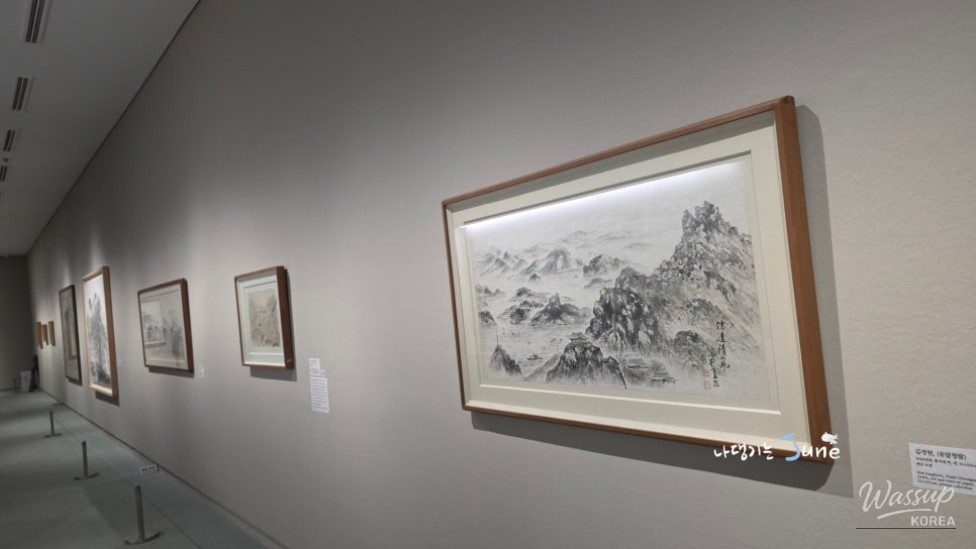
Part 1: Nostalgia 鄕土 - The Lost Land
Modern Korean art began in earnest during the Japanese colonial period with the introduction of Western painting, which was recognized as an emerging art form.
The Joseon Art Exhibition, which began in 1922, became a gateway for numerous painters, and the majority of works submitted to this exhibition were landscapes.
The landscapes of this period mainly followed an eclectic style of Impressionism that was introduced through Japan, and developed into Korean colors and local colors to suit the exotic tastes of the Japanese judges.
Seo Dong-jin
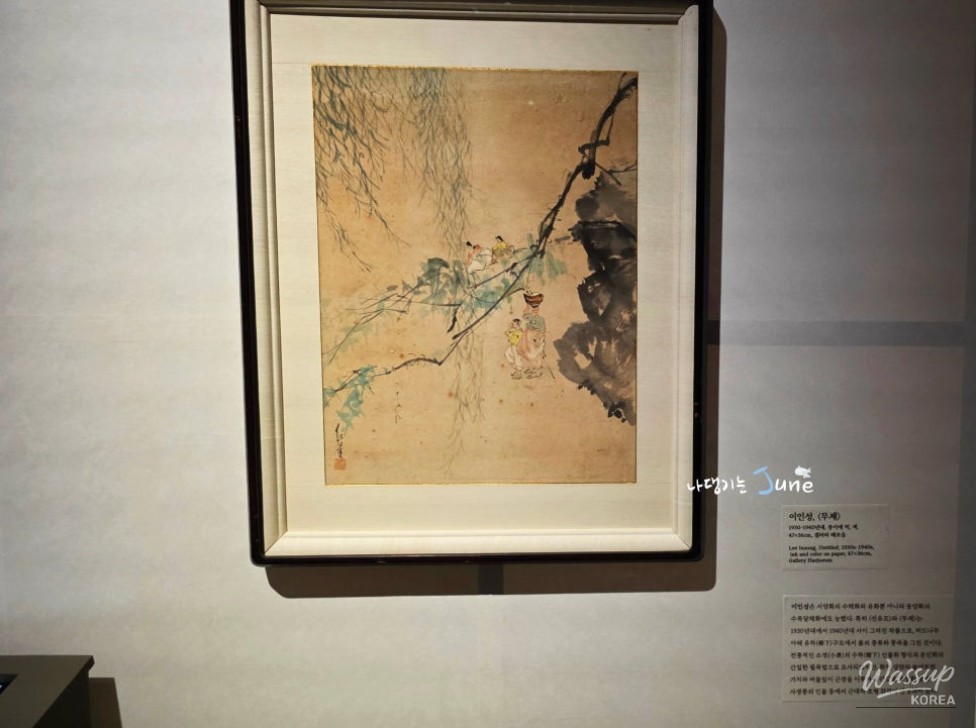
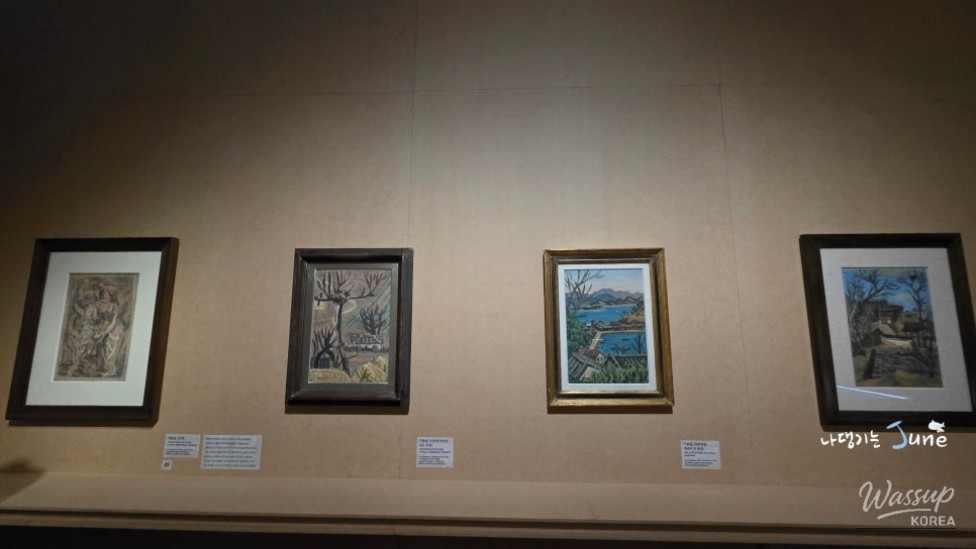
Oh Ji-ho, Kim Ju-gyeong, and Lee In-hwa's Homes
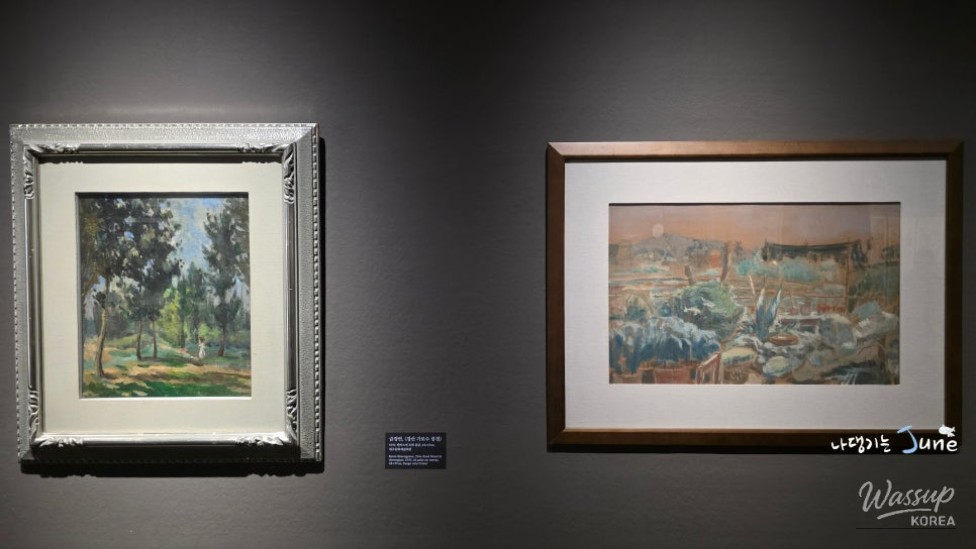
Geum Gyeong-yeon's Landscape of Garosu Trees in Gyeongsan/Geum Gyeong-yeon's Summer Garden
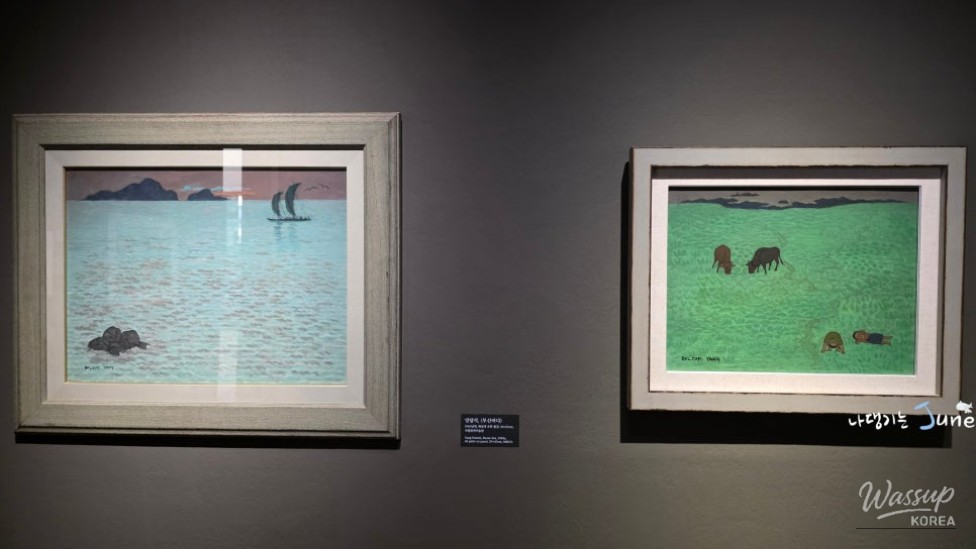
Yang Dal-seok's Busan Sea/Yang Dal-seok's Untitled
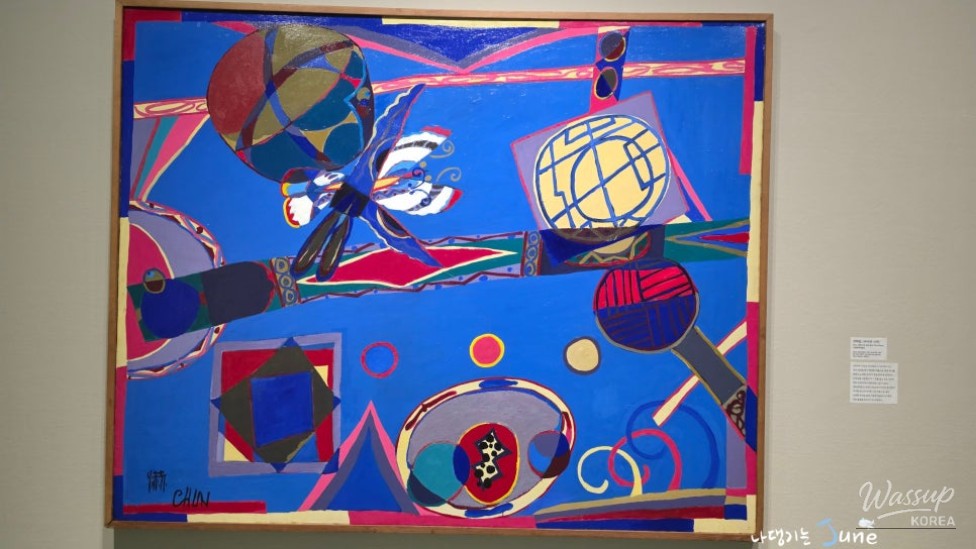
Part 2: Patriotism 愛鄕 - The Recovered Land
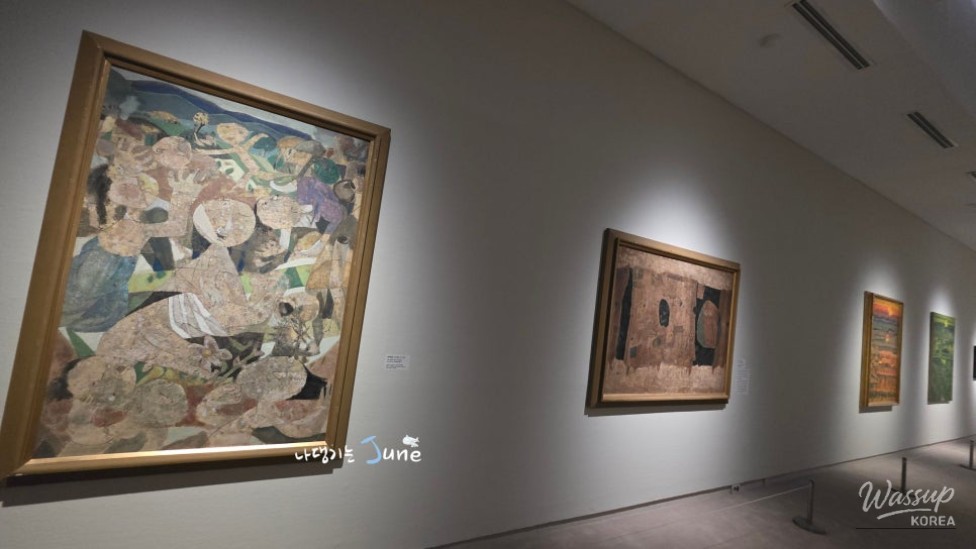
With liberation, Korean art was required to remove Japanese-style paintings and materials that were prevalent in the art world, and to create a new form of art suitable for the new country and new era.
Experiments and searches were made to convey the vivid energy of our land, climate, and topography from the paintings full of local colors that had alienated our living spaces during the Japanese colonial period, and one of the movements was to reflect Korean traditional materials, colors, and aesthetics based on Western modernism.
Immediately after liberation, as interest in the country grew, landscape paintings depicting regions with traces of a long historical tradition became popular, and after the Korean War, artists actively went abroad to study or participate in international exhibitions.
Kim Jeong-hyun's Yudallan
Jeon Hyeok-rim’s Sea and Butterfly
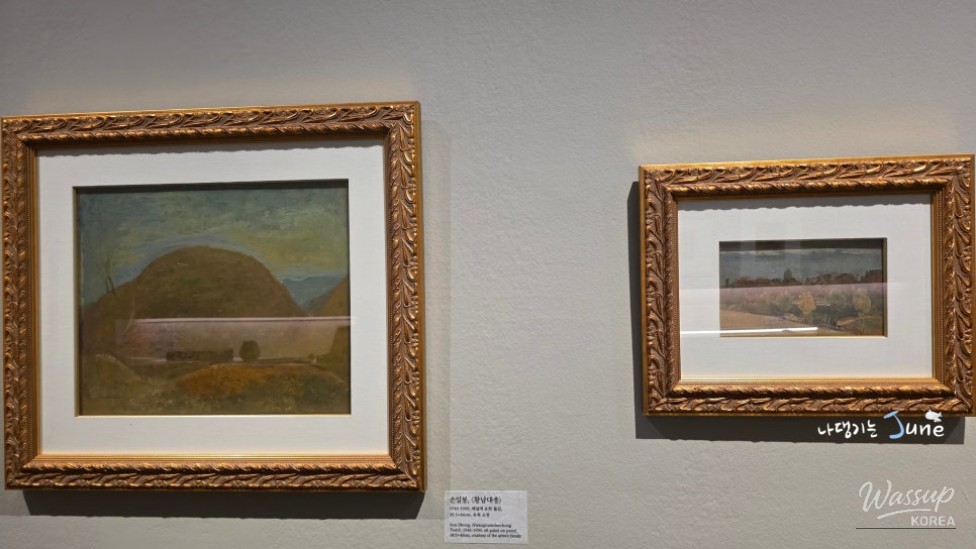
Son Il-bong’s Hwangnamdaechong/Son Il-bong’s Cheongna Hill in Daegu
Byeon Si-ji’s Island
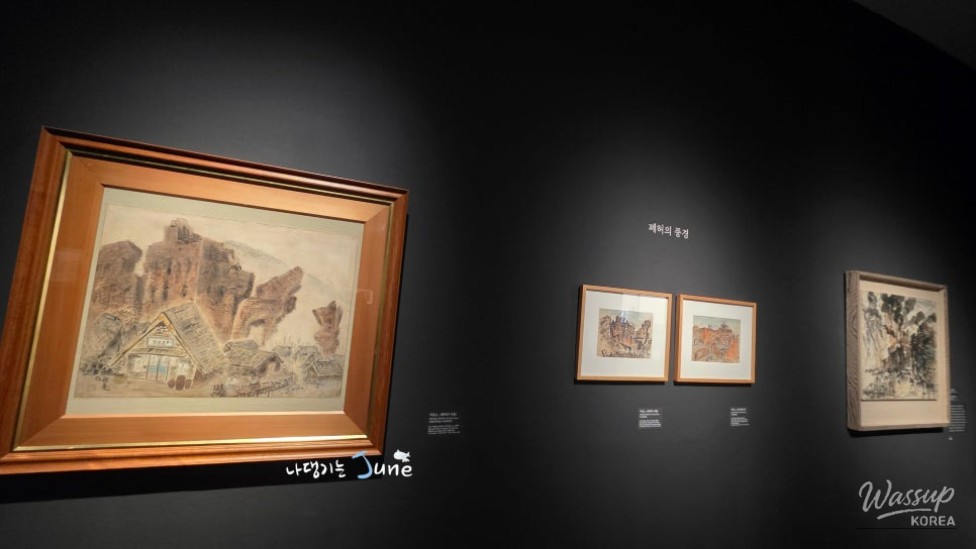
Lee Eung-no's Landscape of Ruins
Part 3: Displacement 失鄕 - The Land of Ruins
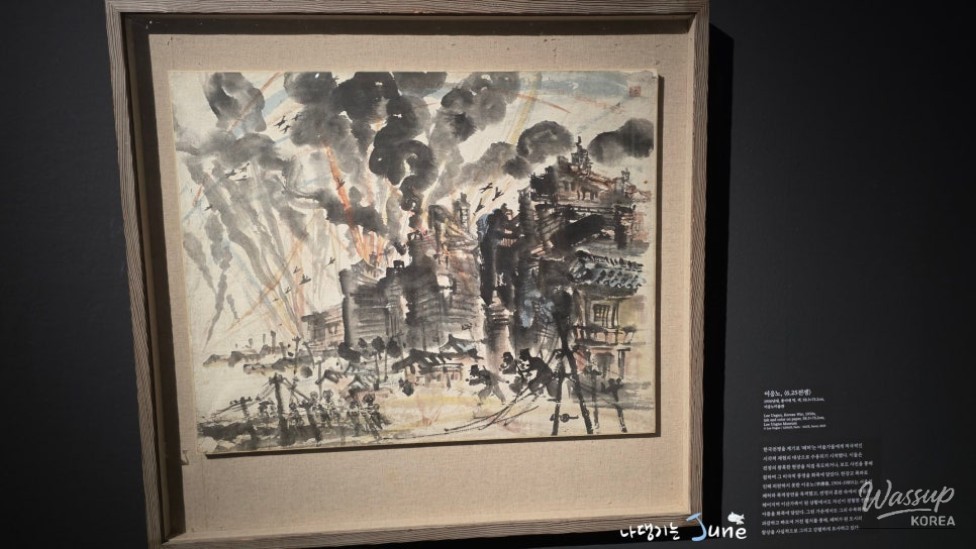
The Korean War, which broke out shortly after liberation from colonial rule, further exacerbated the chaos in Korean society.
This war, which saw extreme reversals of the war situation, left a tragic chapter in national history in which the majority of the people lost their families and property.
After fleeing to Jeju Island, Busan, Daegu, and other places immediately after the war, the painters lost all of their paintings, property, and even their families, and art became their only means of survival or their ultimate goal.
Even in the refuge, painters held solo or group exhibitions in tea rooms and halls to ignite their creative passions, and they did not stop their activities in the art world by forming associations and organizations.
Lee Eung-no's Korean War
Kim Won’s Untitled
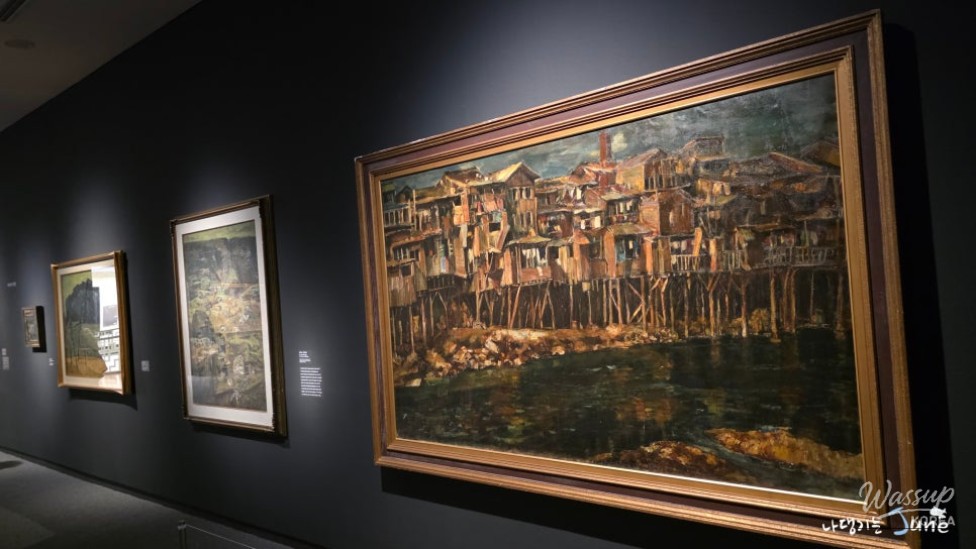
Lee Man-ik’s Cheonggyecheon Stream
Landscape of Refuge
Choi Young-rim's 1950.6.25
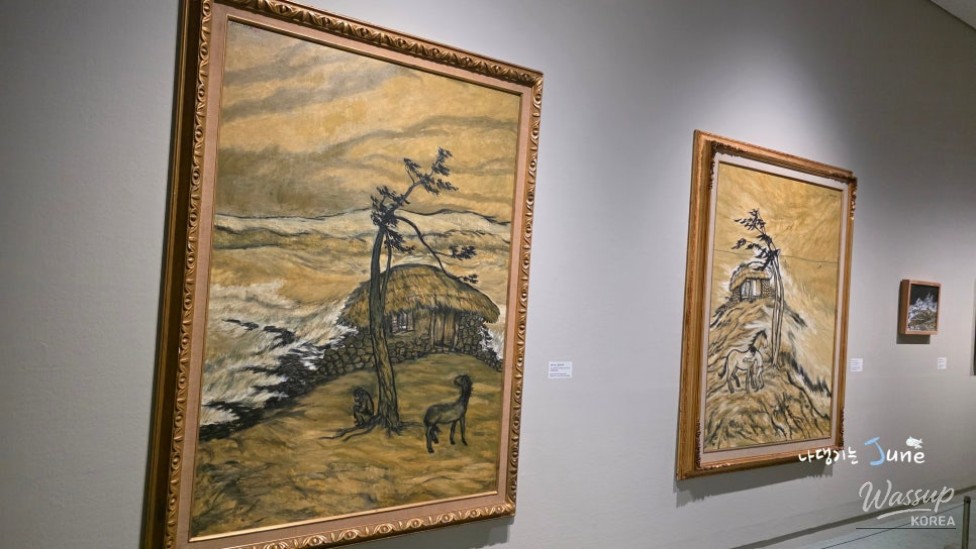
Part 4: Longing 望鄕 - The Land of Yearning
As the division became entrenched and the separation of families prolonged, the hometown faded into the distant memory.
Instead, motifs that evoke the lyricism of the local area reappear in its place, and the appearance of the hometown returns from reality to the original landscape.
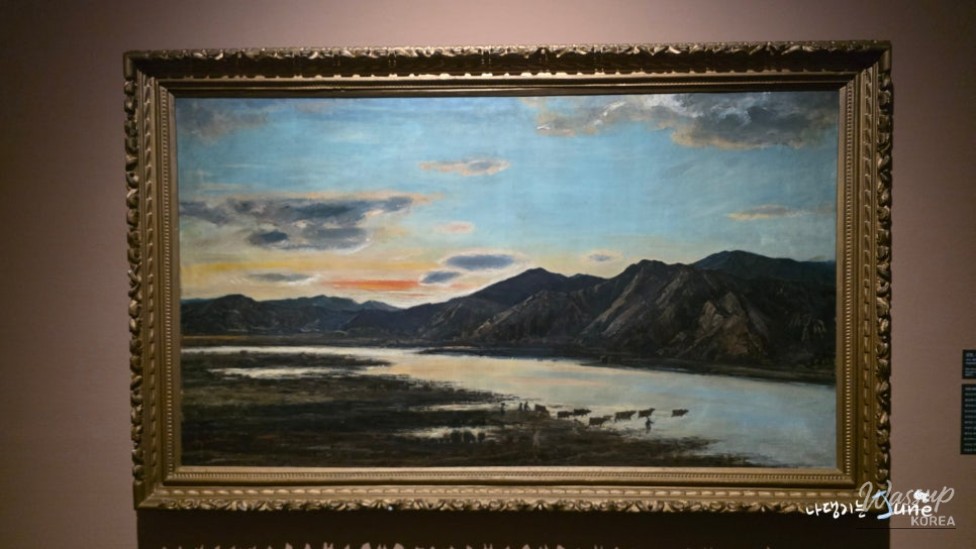
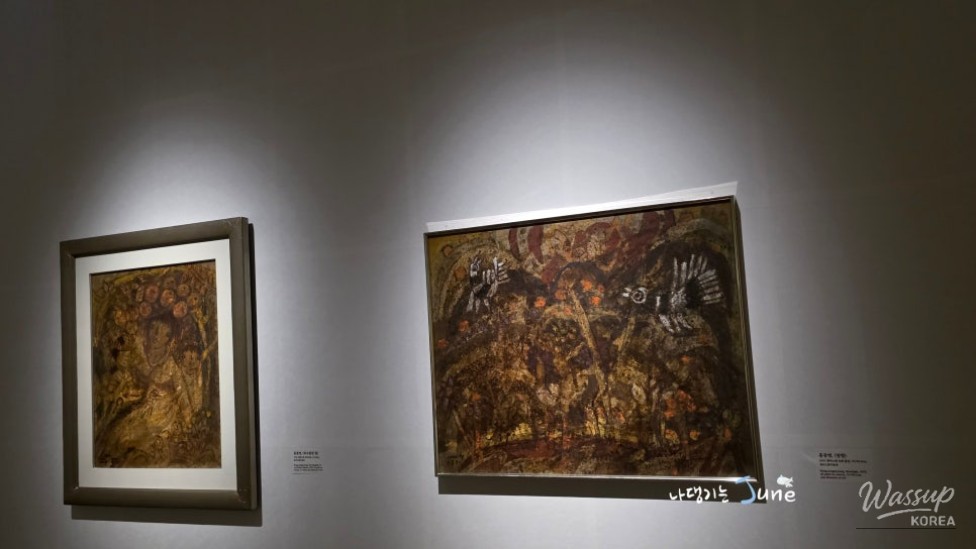
Park Seong-hwan, who pursued pastoral landscapes with a rhythm of colorful colors, Lee Jung-seop, who painted love and longing for his family in a fantastic landscape, and Yun Jung-sik, a painter of sunsets who layered the sky, river, and fields of his hometown.
In their paintings, the hometown is a space newly constructed through various formative attempts of the local tradition.
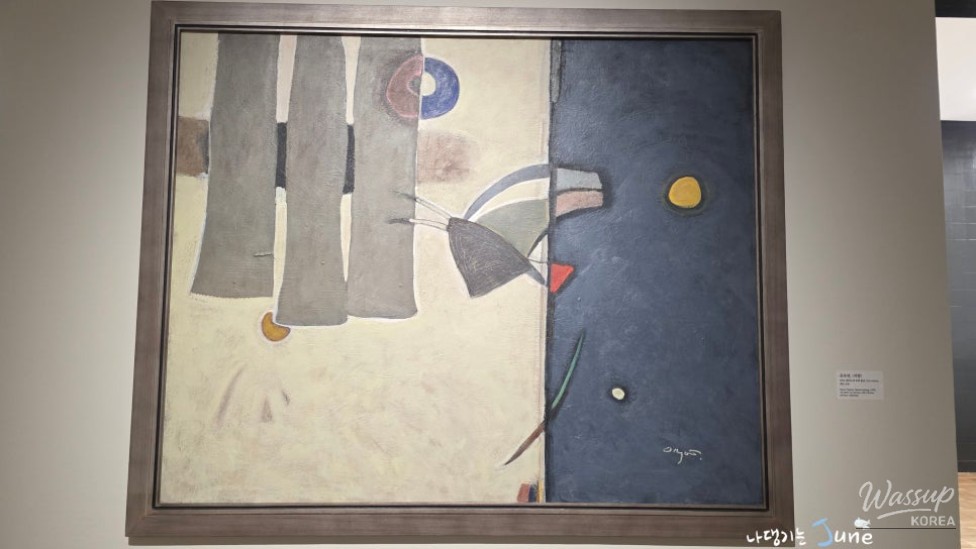
Hong Jong-myeong's Longing for Home
Kwon Ok-yeon’s Returning Home
Lee Jung-seop
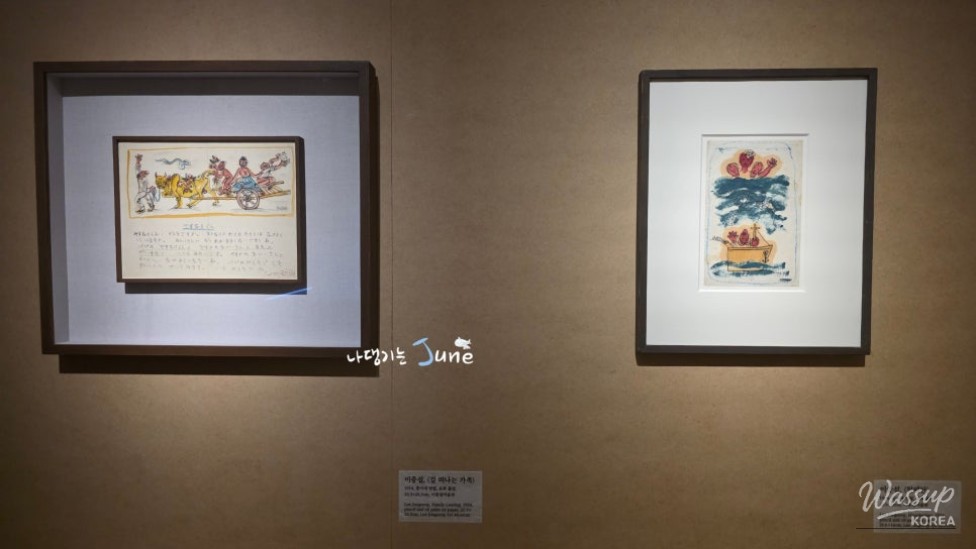
Lee Jung-seop's Family on a Journey
This is a letter from Lee Jung-seop to his second son, Yasunari.
Reading the interpretation of the letter on display shows Lee Jung-seop's heart, separated from his family, which is heartbreaking.
No comments yet.