Remembering History: Park Yeol Memorial Hall in Mungyeong


A Space to Remember History
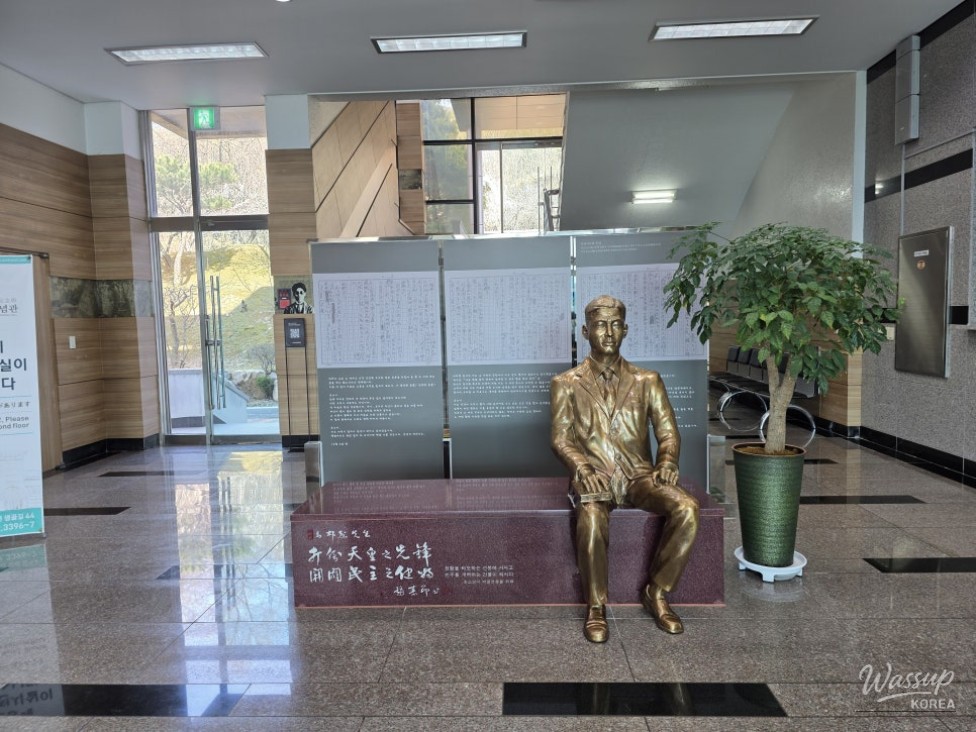
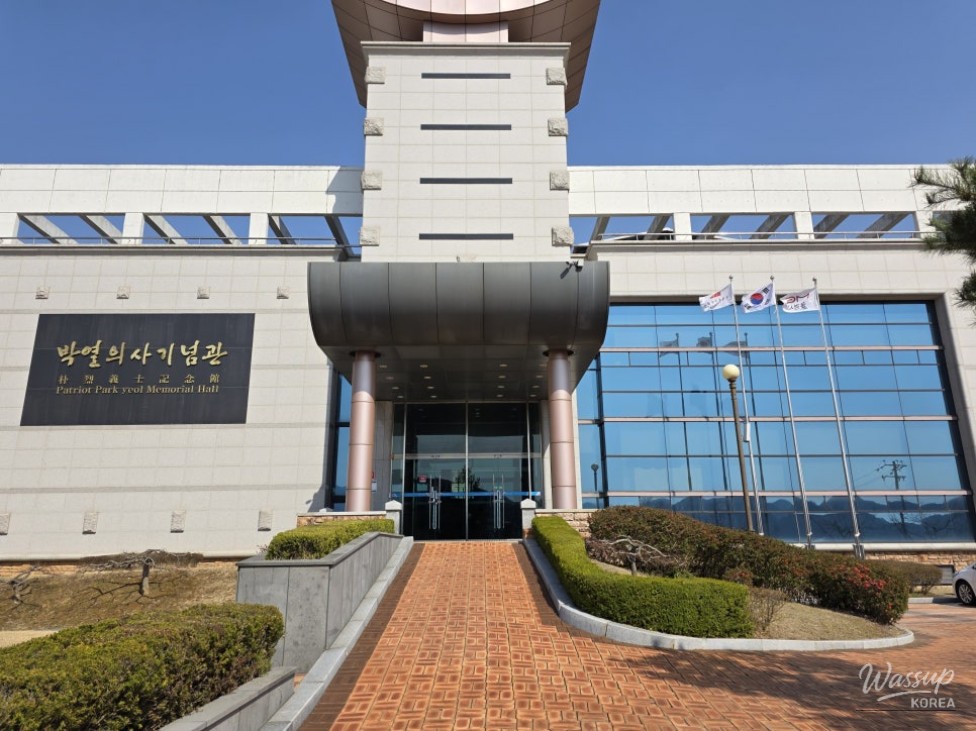
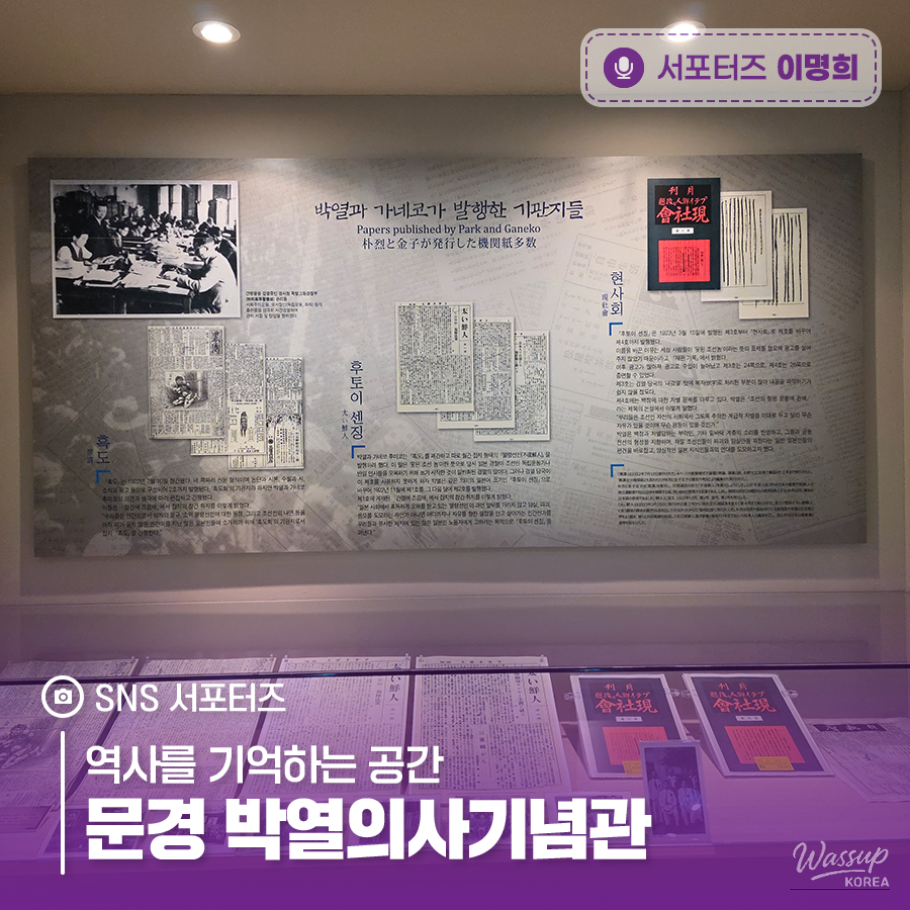
Mungyeong Park Yeol Memorial Hall
During my trip to Mungyeong, Gyeongbuk, I wanted to visit a meaningful place, so I stopped by the Park Yeol Memorial Hall.
This hall was opened on October 9, 2012, to commemorate Park Yeol's spirit of independence and freedom and to pass it on to future generations.
Even if you don't know much about Park Yeol, you can learn and feel a lot by taking your time to look around this exhibition hall.
Exhibition Hall 1: Encountering the Life of Park Yeol and Kaneko Fumiko.
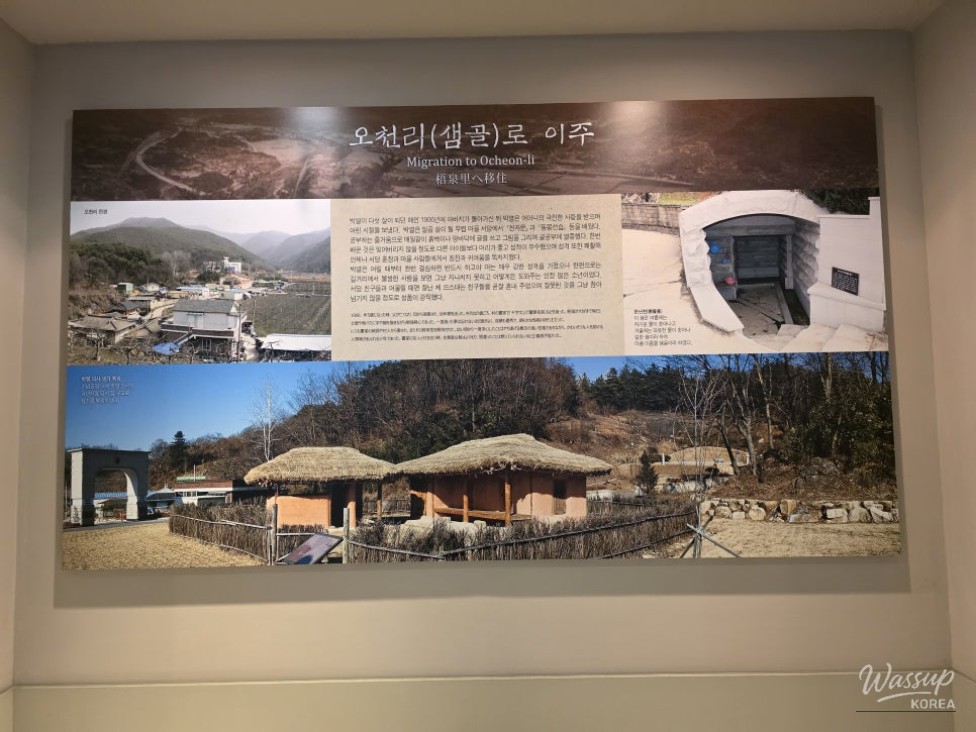
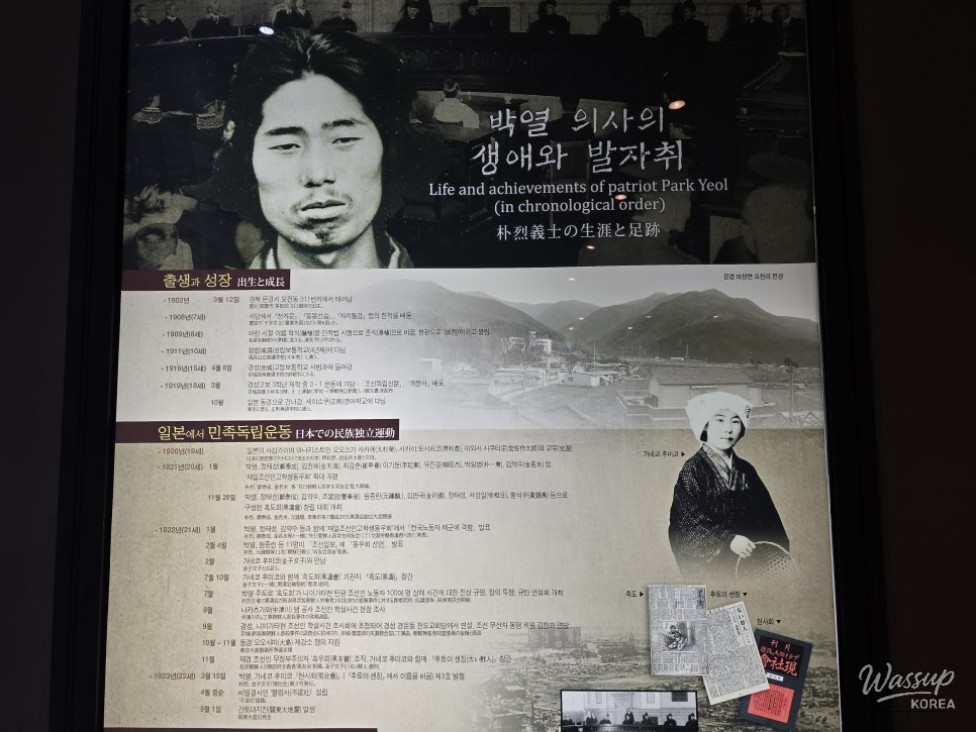
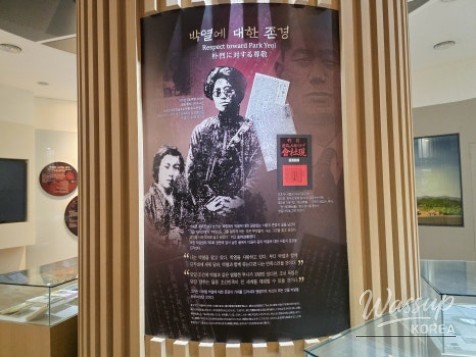
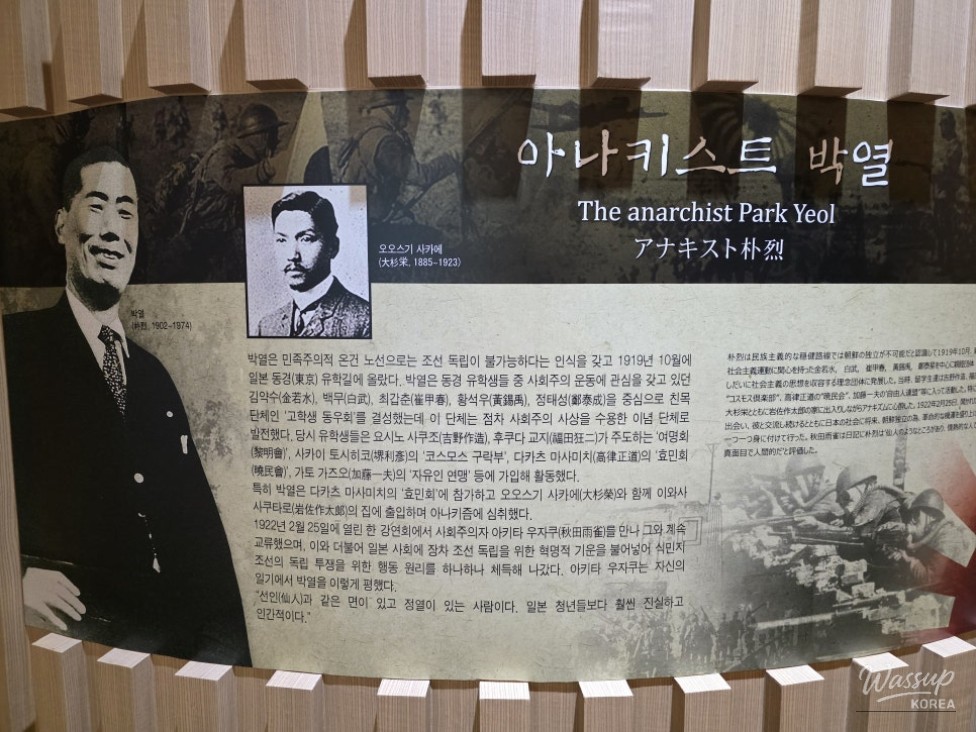
Upon entering the Park Yeol Memorial Hall, you'll first encounter the story of Park Yeol, from his birth and childhood to his youth.
The background of his involvement in the anarchist independence movement is also introduced.
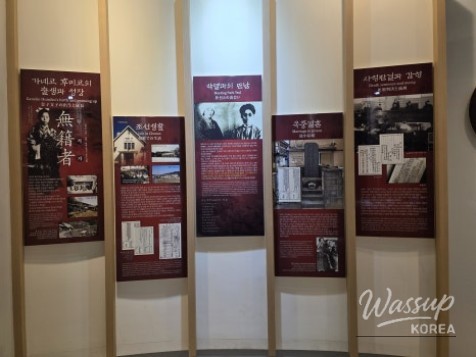
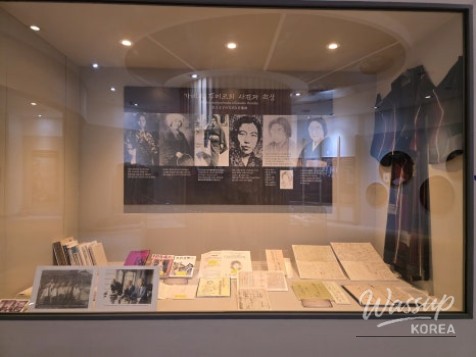
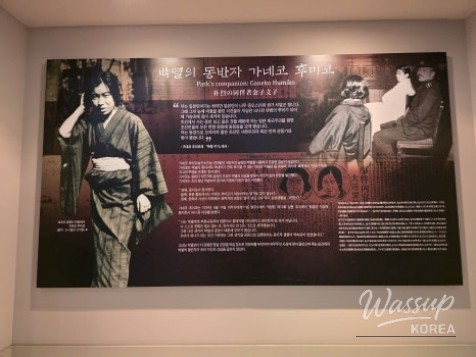
What particularly caught my eye was the Kaneko Fumiko Special Exhibition Room.
Kaneko Fumiko was a Japanese woman and Park Yeol's companion.
From their meeting to their marriage in prison, their death sentence, and the subsequent commutation, their unique life is organized and displayed in the exhibition.
You can also better understand Kaneko Fumiko's rebirth and growth, her relationship with Park Yeol, and her role in Japanese society at the time.
Seeing Park Yeol's activities as an anarchist in Japan in the 1920s, including advocating for the rights of Koreans in Japan, punishing pro-Japanese figures, and plotting to assassinate Crown Prince Hirohito, I realized that he was a figure who, transcending the times, carried out his beliefs.
Stories from Prison and Advocate Huse
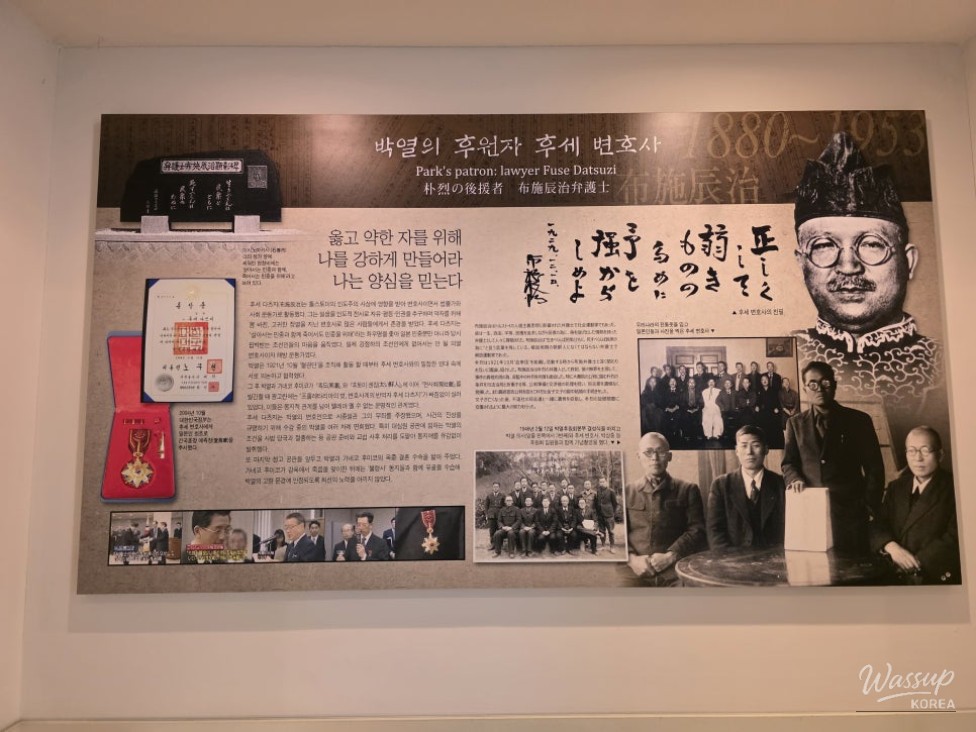
At the Park Yeol Memorial Hall, you can learn about Advocate Huse, who was Park Yeol's sponsor.
He was the one who helped Park Yeol and Kaneko Fumiko with their prison wedding before their final trial.
Also, when Kaneko Fumiko died in prison, he collected her remains and helped ensure that she could be buried in Park Yeol's hometown of Mungyeong.
Exhibition Hall 2: Activities After Release from Prison
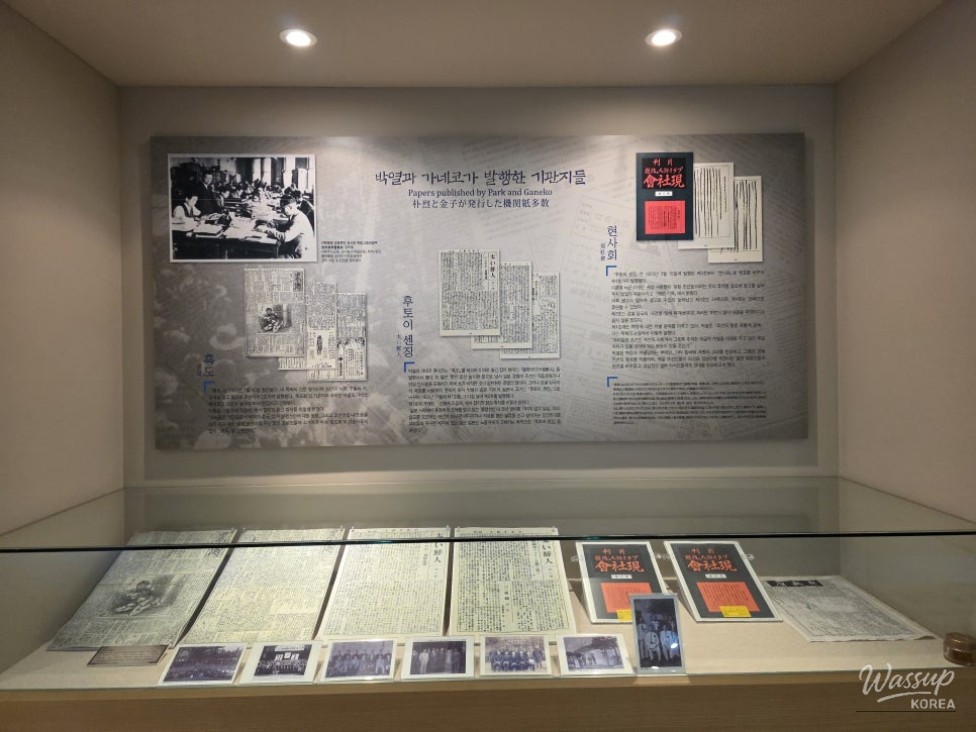
There are records of Park Yeol's activities after his release from prison and his efforts to build a free and democratic nation.
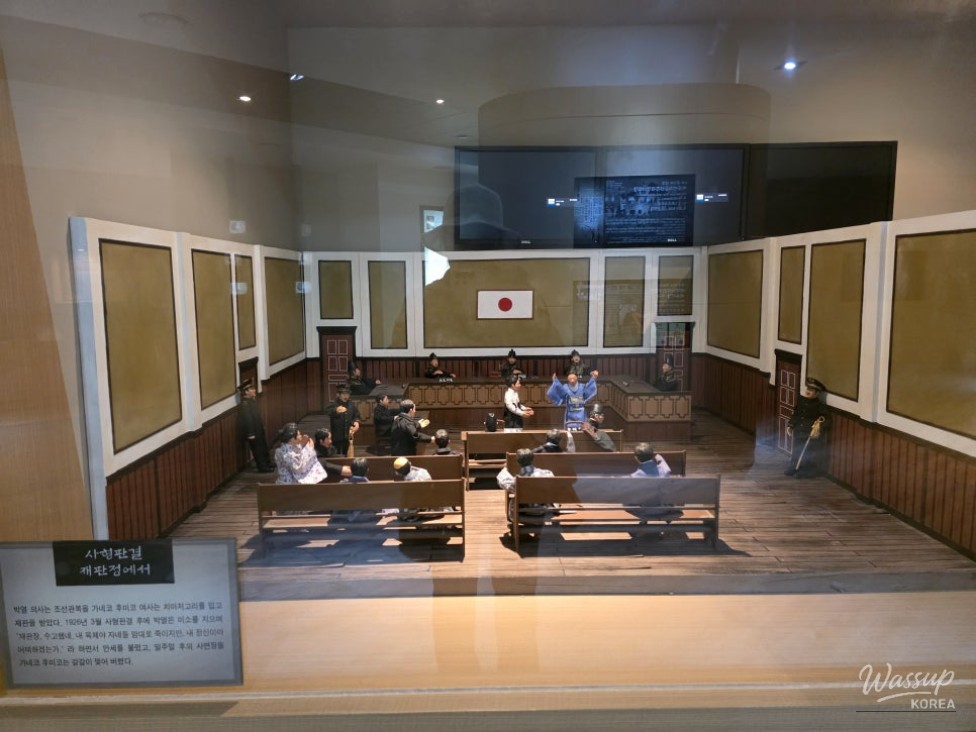
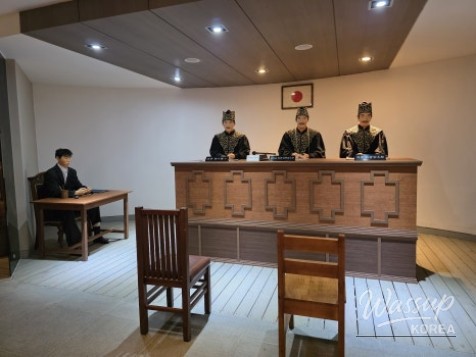
In particular, the space recreating the courtroom scene leaves a strong impression.
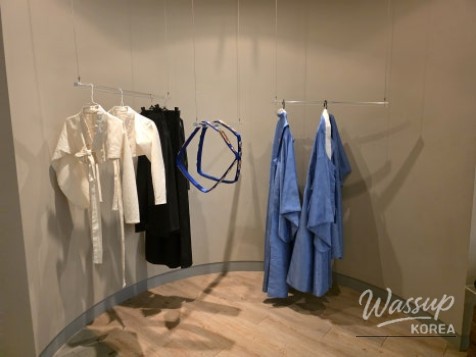
On the day he received the death sentence, Park Yeol wore Korean official attire, and Kaneko Fumiko wore a chima jeogori (Korean traditional dress) to the trial.
The recreation of that scene conveyed both the exhilaration and the sorrow of being at the actual event.
"Judge, you've worked hard. You can do whatever you want with my body, but what can you do with my spirit!"
These words left by Park Yeol in March 1926, immediately after his death sentence, lingered in my mind long after viewing the exhibition.
The courtroom experience from the Japanese colonial period was recreated, which was interesting.
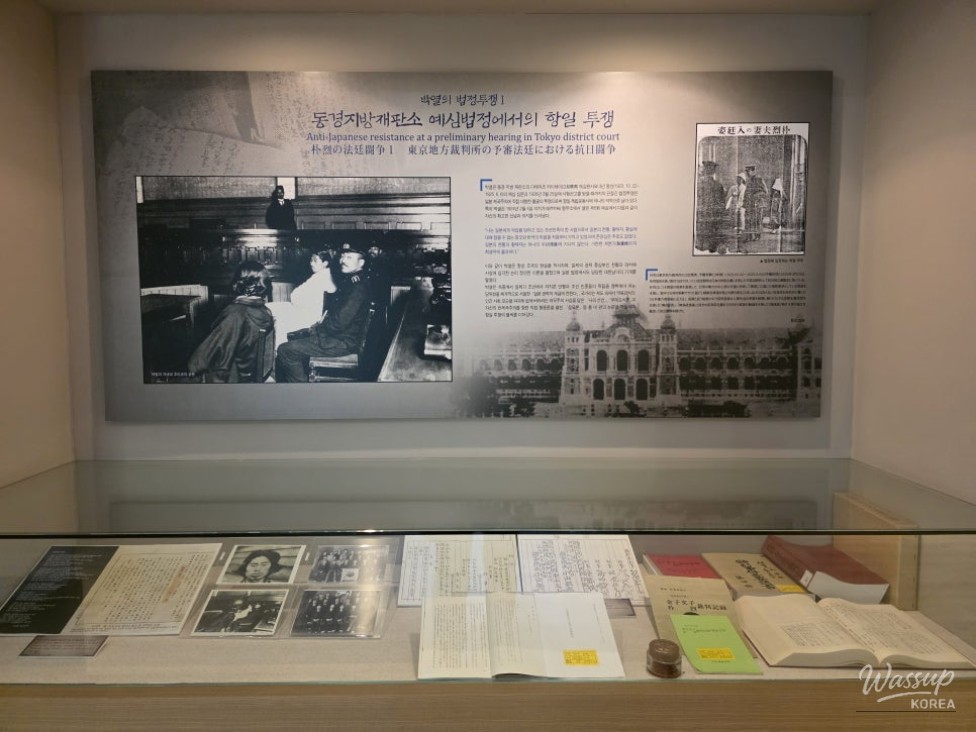
The recreation of Park Yeol's prison life at Ichigaya Prison, where he was imprisoned, and the Supreme Court trial scene made it feel like a scene from history was unfolding.
Visiting with children would be educational, and I would recommend this course to those interested in history.
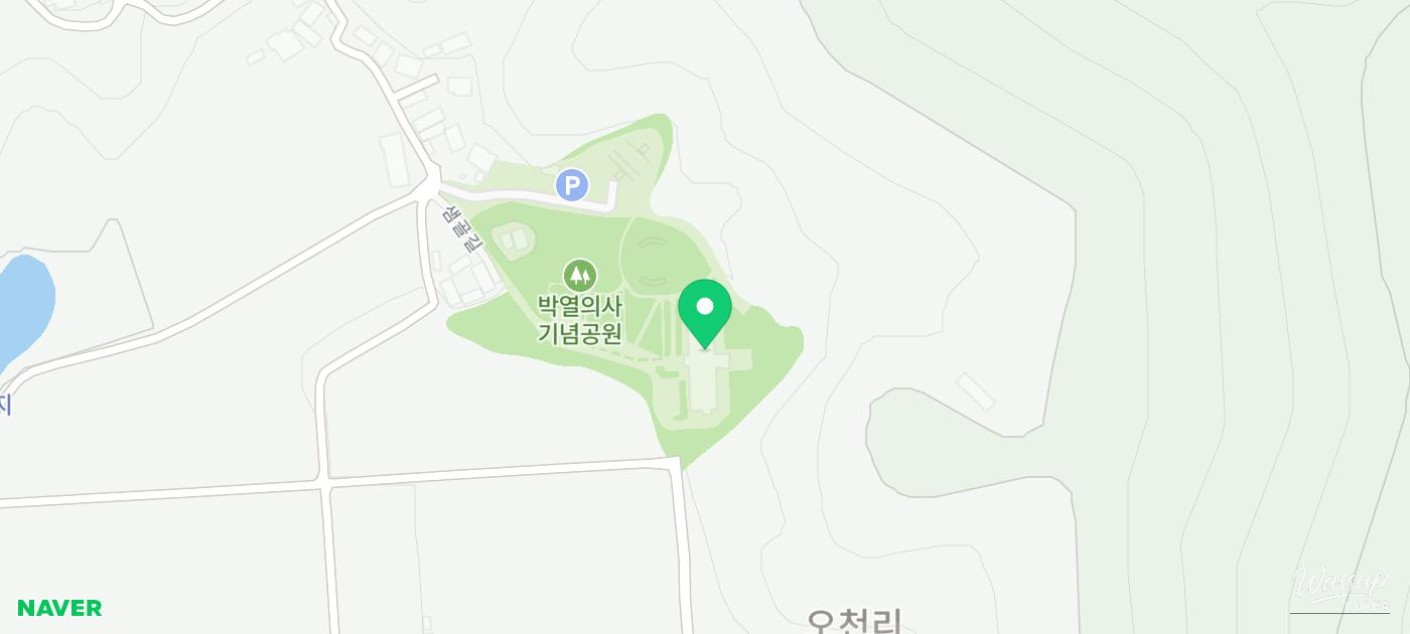
In the outdoor space of the Park Yeol Memorial Hall, Park Yeol's birthplace has been restored, and Kaneko Fumiko's tomb is also located there, so be sure to look around.
If you are looking for a meaningful place to visit during your trip to Mungyeong, I recommend visiting the Park Yeol Memorial Hall.
Written and photographed by Lee Myeong-hee, 2025 Gyeongsangbuk-do SNS Supporters.
* This post was directly covered and written by the Gyeongsangbuk-do SNS Supporters and was posted after confirmation by Gyeongsangbuk-do.






Source :https://blog.naver.com/gyeongbuk_official/224095714613
No comments yet.