Must-Visit Tourist Spot in Gyeongju: National Gyeongju Museum
경상북도 경주시 일정로 186


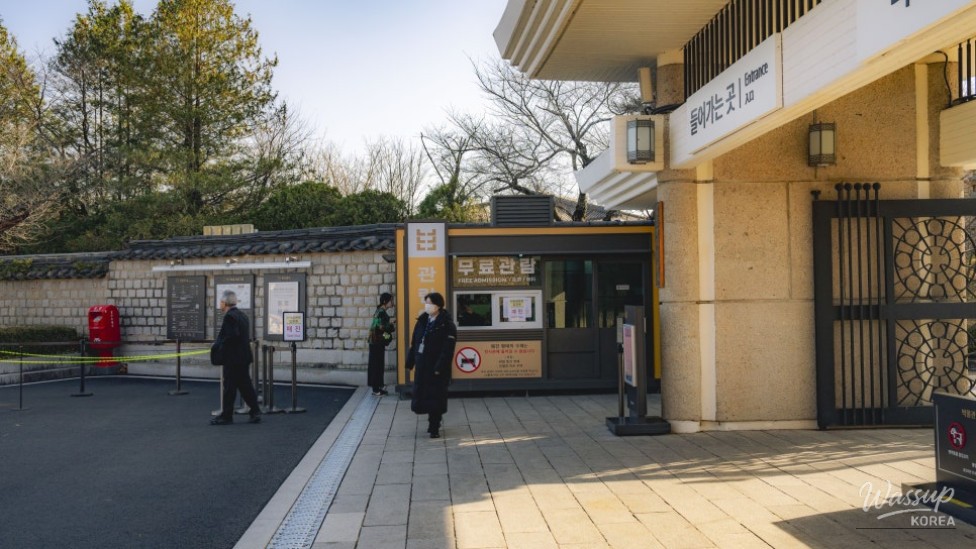
The National Gyeongju Museum is one of the most important cultural attractions in Gyeongju, offering a deep dive into the history and art of the Shilla Kingdom.
With free admission, spacious grounds, and extensive permanent exhibitions, it is an accessible destination for travelers, families, and history enthusiasts alike.
This guide walks through key exhibition halls, visitor tips, and highlights that make the museum a must-visit spot in Gyeongju.
Museum Overview and Visiting Hours
The National Gyeongju Museum is the second-largest national museum in Korea, following the National Museum of Korea.
Weekday hours are from 10:00 AM to 6:00 PM. On Sundays and public holidays, the museum is open until 7:00 PM.
From March to December, Saturday hours extend until 9:00 PM, as well as the last Wednesday of each month.
The Shilla Millennium Library operates on weekdays from 10:00 AM to 6:00 PM.
The Children’s Museum requires advance reservations and runs from 10:00 AM to 5:50 PM.
Admission and parking are both free, making it easy to plan a relaxed visit.
Visitor Facilities and Convenience
An information desk is located at the main entrance, and staff members are present in each exhibition hall to assist visitors.
Guide maps are provided upon entry, helping visitors navigate the large museum complex with ease.
Free lockers are available at the entrance of the permanent exhibition hall for storing personal belongings.
A souvenir shop is located near the main entrance, with an additional small goods store inside the Shilla Art Hall.
Emille Bell and Outdoor Highlights

The first landmark visitors encounter is the Seongdeokdaewang Bell, also known as the Emille Bell.
Named after a legend describing a sound like a crying baby, the bell is a popular spot for visitors to pause and make wishes.
Although the bell cannot be rung directly, a recorded chime plays every 20 minutes, offering a memorable listening experience.
Shilla History Hall
The Shilla History Hall presents the political and cultural development of the ancient Shilla Kingdom.
Artifacts such as the Gold Crown from Cheonmachong, golden swords, and face-patterned roof tiles are displayed here.
The exhibition follows a circular layout around a central hall, making the flow intuitive and easy to follow.
The first section covers the Paleolithic era through the late 5th century, focusing on the foundation and growth of Shilla.
The second section highlights royal artifacts, with the Shilla Gold Crown as a central feature.
The final section introduces the unification of the Three Kingdoms and strengthened royal authority, including items related to temples and the martyrdom of Lee Chadon.
Wolji Hall and Palace Culture
Wolji Hall displays cultural artifacts excavated from Wolji, offering insight into palace life during Unified Shilla.
The ceiling design reflects traditional architecture, creating the impression of a nighttime Wolji landscape.
Former stair areas have been redesigned as rest zones where visitors can watch videos and enjoy the exhibits at a slower pace.
Recently revealed artifacts from the museum’s collection and new findings from the National Gyeongju Cultural Heritage Research Institute further enrich this section.
2025 APEC Summit Venue
The building to the left of the Shilla History Hall is open to the public as the venue for the 2025 APEC Summit.
No reservation is required, and visitors can enter by waiting briefly in line.
Inside, preserved meeting rooms from Korea–U.S. and Korea–China summits have been transformed into photo zones.
Shilla Art Hall and Buddhist Heritage

The Shilla Art Hall focuses on Buddhist art and sculptures excavated from temples.
Spread across two floors, the hall introduces Buddhist culture through statues, reliefs, and digital exhibitions.
The first floor displays Shilla Buddhist sculptures, while the second floor features narrative sculptures of Buddha and Bodhisattvas.
One of the highlights is the Golden Medicine Buddha, one of the three major golden Buddha statues from the Unified Shilla period.
Walking through the corridor toward the second floor, visitors encounter a Bodhisattva statue that brings Shilla history vividly to life.
Why the National Gyeongju Museum Is Worth Visiting
The National Gyeongju Museum offers a comprehensive look at Shilla history through well-curated exhibitions and authentic artifacts.
With free admission, extended evening hours, and diverse exhibition halls, it suits both short visits and full-day explorations.
For anyone visiting Gyeongju, this museum provides essential context and unforgettable encounters with Korea’s ancient heritage.
No comments yet.