Introducing the Autonomous Whale Bus in Ulsan
울산광역시 중구 교동 138
울산그린카기술센터


Ulsan Autonomous Whale Bus Experience
Hello, I am Oh Jun-seo from the 10th Ulsan Nuri Blog Reporter Group.
As you may know, autonomous buses are now operating in Ulsan.
This is the so-called autonomous whale bus.
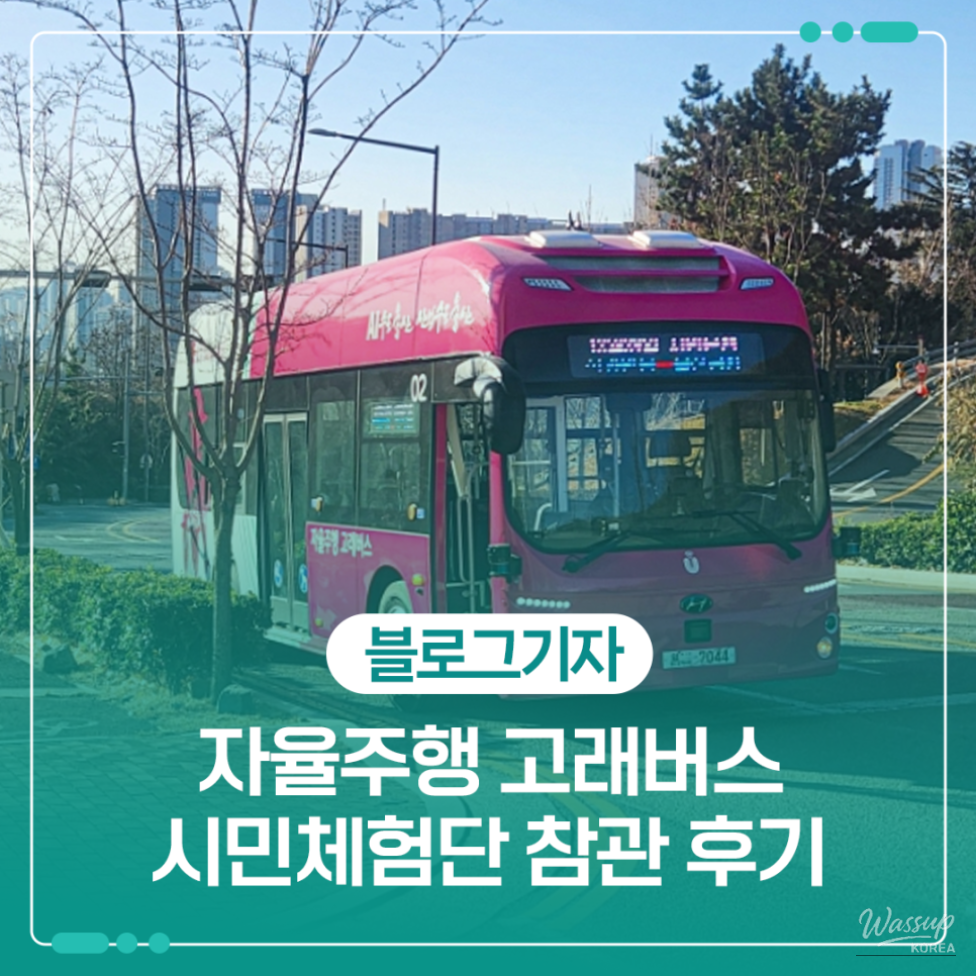
It is part of the Ulsan Metropolitan City's smart city project, which aims to establish an autonomous mobility platform integrating autonomous vehicles, C-ITS infrastructure, and mobility information systems for the transportation disadvantaged. This initiative focuses on ensuring the platform's integration and scalability, building an automatic control system through real-time situation awareness using IoT and AI technologies, and providing intuitive information to create a safe and convenient autonomous mobility service.
The pilot operation began on December 29, but prior to that, from December 22 to 24, a citizen experience group was organized to promote the autonomous whale bus among interested citizens.
Today, I would like to share my experience using the autonomous whale bus as part of that citizen experience group, along with current operating information.
Citizen Experience Program and Routes
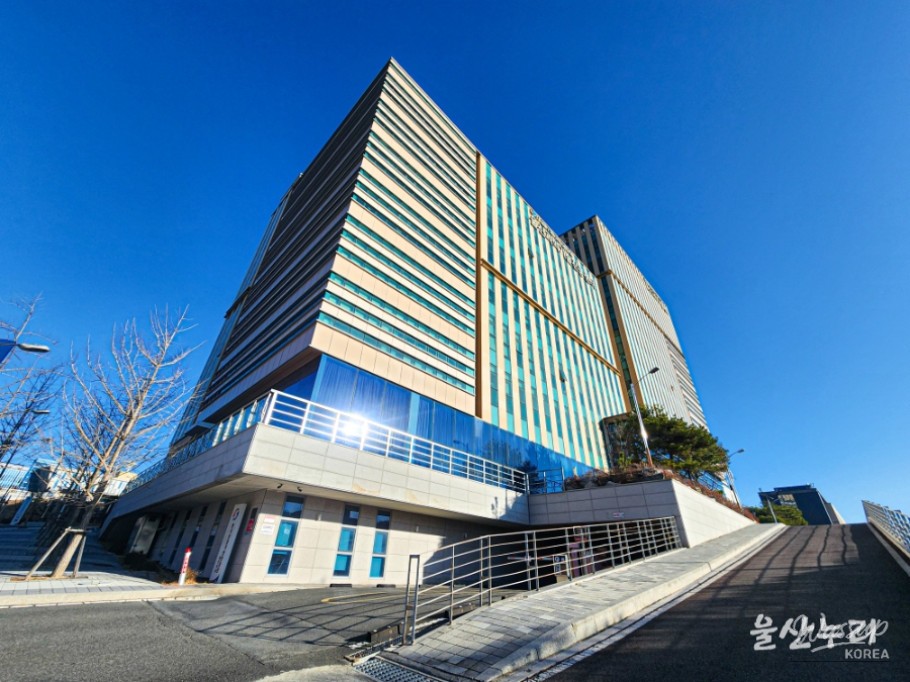
The citizen experience group for the autonomous whale bus accepted applications starting December 18 and operated from December 22 to 24 for about three days.
The routes included the city bus (Type A) lines: Ulsan Green Car Technology Center to Daun 2 District (A-1 route), Ulsan Green Car Technology Center to Ulsan Airport (A-2 route), and a shuttle line from Ulsan Green Car Technology Center to Ulsan Middle School and Ulsan Technopark (Type B), each taking about 40 minutes.
I experienced the A-2 route, which departed from the Ulsan Green Car Technology Center to Ulsan Airport on December 22 at 10 AM.
Autonomous Driving Technology and Vehicle Features
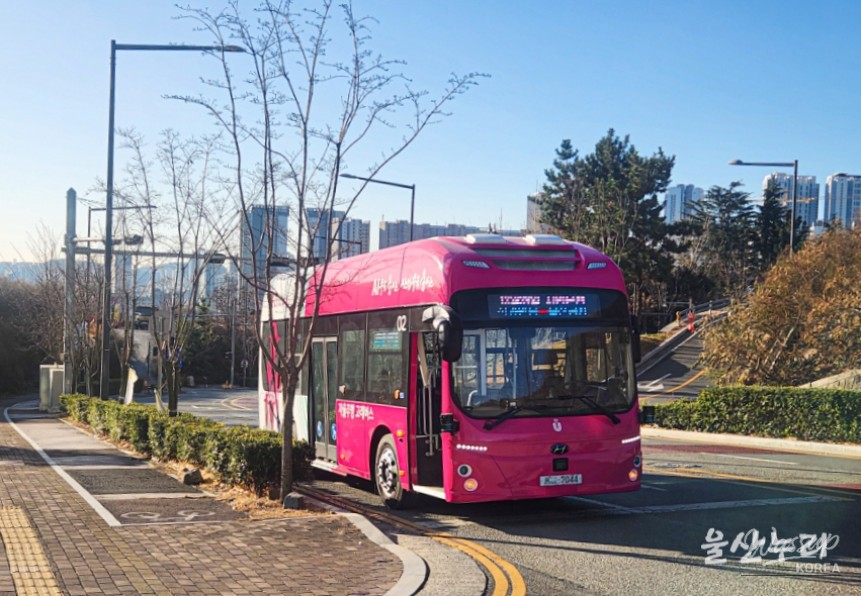
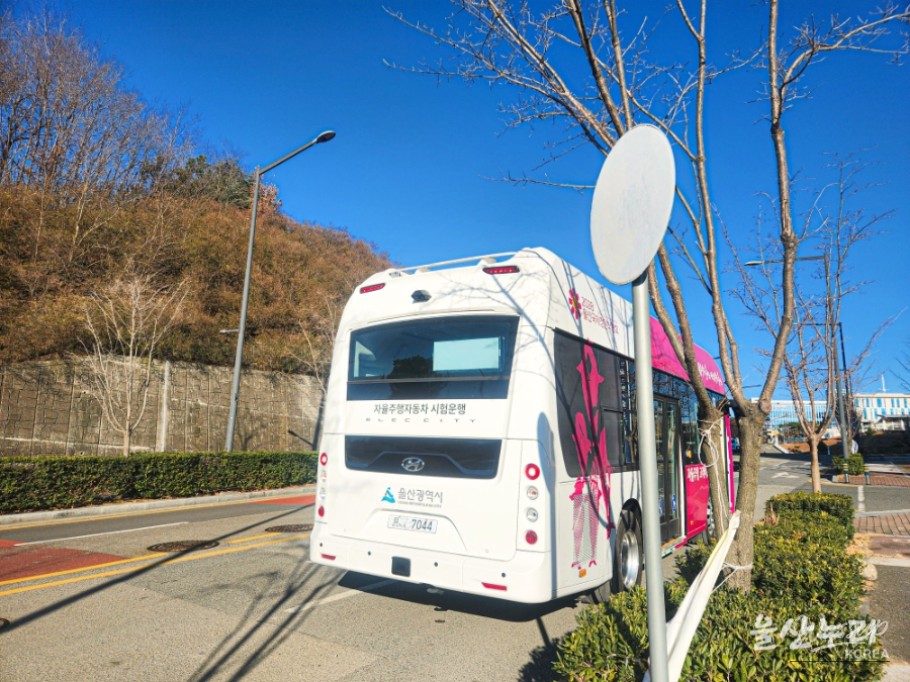
This autonomous whale bus, which will be deployed on the city bus (Type A) route, introduces autonomous mobility services to existing Hyundai Elec City buses, aiming to enhance transportation convenience for local residents through optimal operating systems.
Moreover, it is expected to play a significant role in fostering related industries and creating jobs through the establishment of an autonomous driving test bed.
The autonomous driving technology implemented in this bus is based on Level 3 autonomy, utilizing LiDAR, Radar, and Cameras to recognize objects around the bus and applying an AI digital twin-based control solution.
Interior and Passenger Experience
The shuttle (Type B) route will connect major points in the Ulsan Innovation City and will operate from Ulsan Technopark to Ulsan Middle School.
The interior of the autonomous whale bus (Type A) is spacious and comfortable, similar to other electric buses currently operating in Ulsan, but with a slightly shorter length due to the Elec City model. It accommodates up to 18 passengers, including wheelchair access.
Inside the bus, a monitor displays whether the bus is operating autonomously or manually, along with information about upcoming stops and estimated arrival times.
Operation Status and Future Outlook
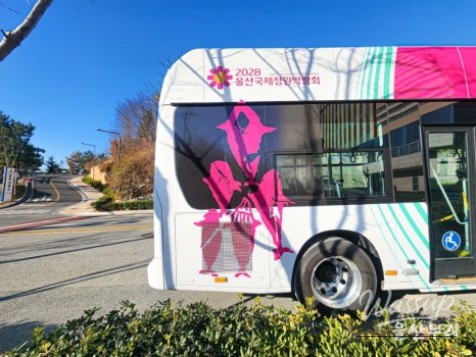
On December 29, the autonomous whale buses began free operations, with standard fares expected to be implemented by the first half of 2026. The city bus (Type A) route operates from Cheok and Banyong terminal to Ulsan Airport, while the shuttle (Type B) route operates from Ulsan Technopark to Ulsan Middle School.
Additionally, a demand-responsive transport service called Ulsan Masil Whale Bus, which allows users to input their departure and destination via an app, started pilot operations on December 29.
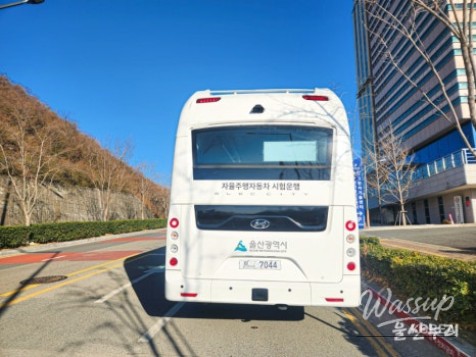
The future of Ulsan, aspiring to be an AI capital, has certainly transformed since December 29. I am excited to see how this new transportation model will evolve.
No comments yet.