Exploring the UNESCO World Heritage Site in Iksan



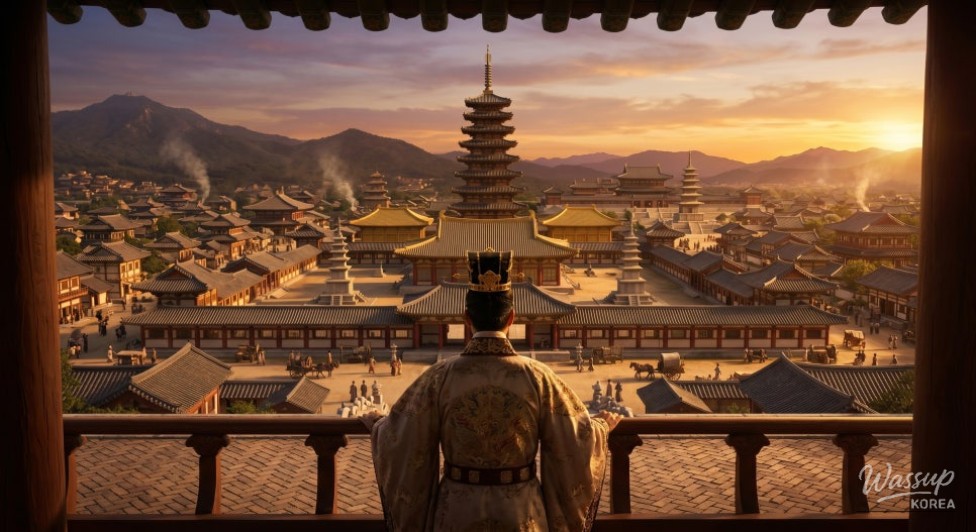
Awakening from a millennium of slumber, the ancient capital of Iksan in Jeollabuk-do is a place where the elegant spirit of Baekje still lingers throughout the land. The UNESCO World Heritage site, Mireuksaji, embodies the grand dreams of King Mu of Baekje and the deep faith of its people, guiding visitors into a majestic history from the very first step.
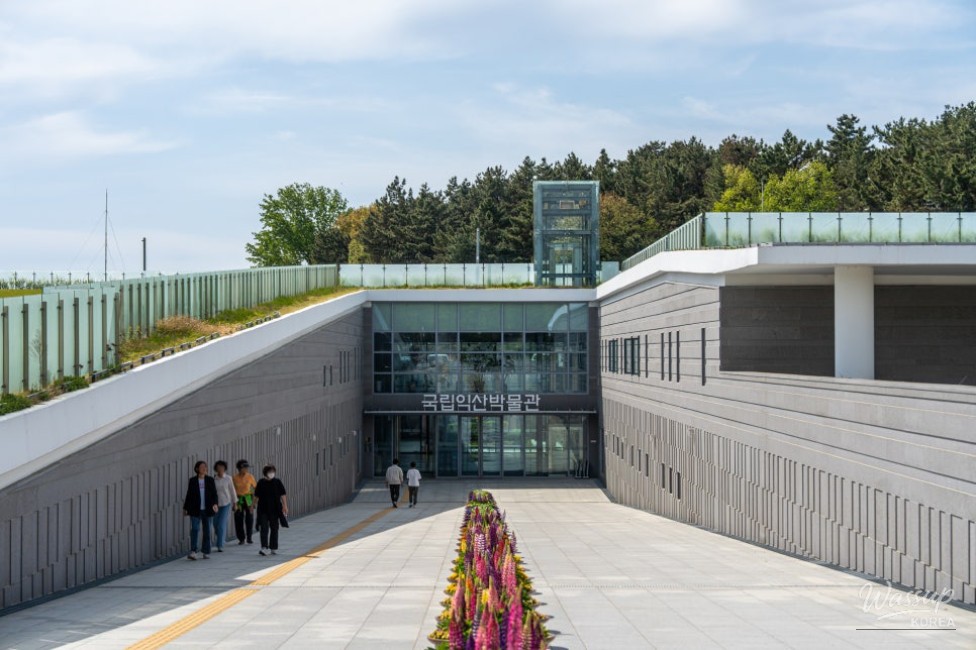
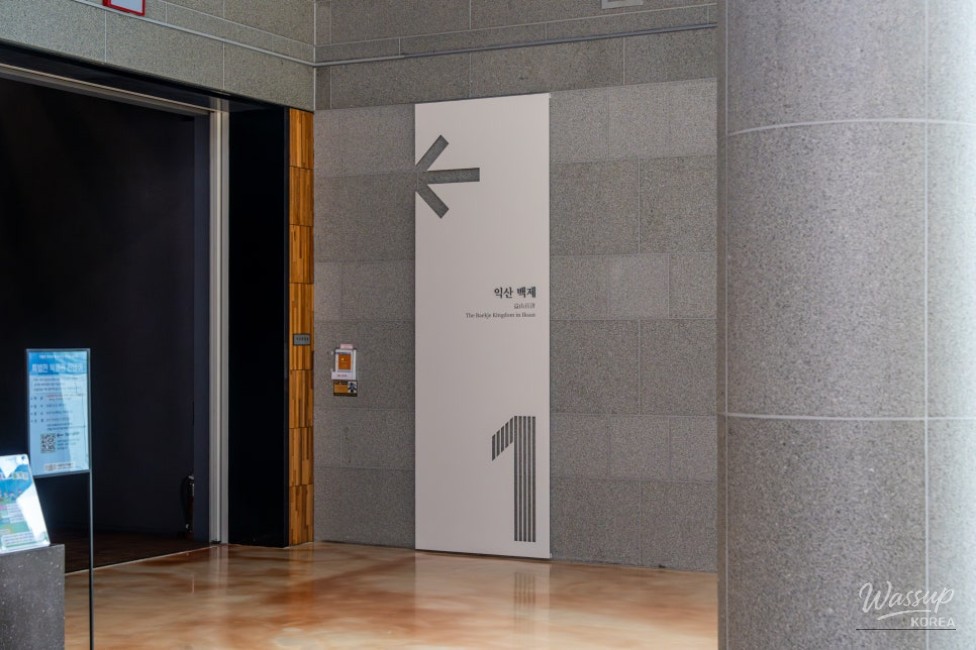
Upon arriving at Mireuksaji, the first sight is the National Iksan Museum. To avoid obstructing the view of the surrounding relics, the museum is designed as an 'archaeological site-adjacent museum,' with much of its structure underground. Its modern yet harmoniously blended exterior with nature is striking, and a neat sign at the entrance quietly guides visitors back a thousand years to the time of Baekje.
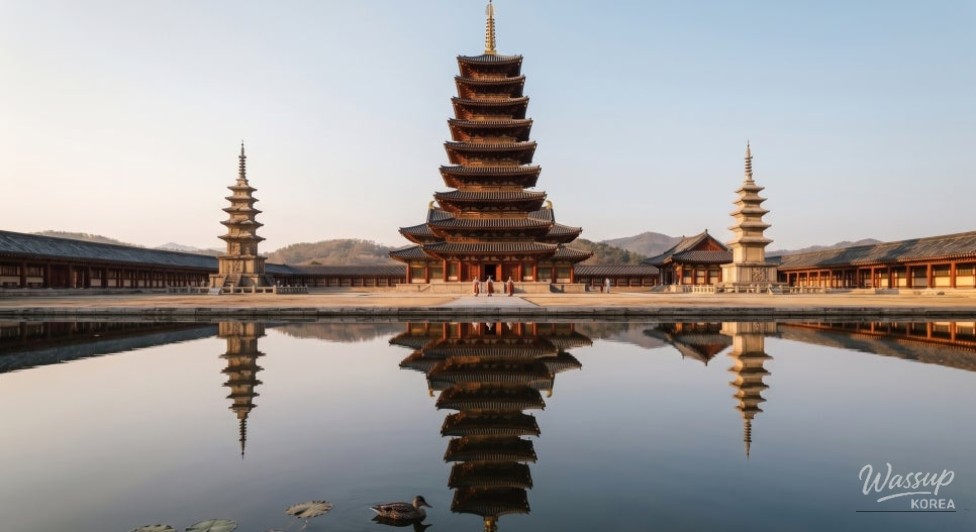
The pinnacle of Baekje's architectural artistry, the Mireuksaji Stone Pagoda, rises majestically beyond the green lawn. Once the largest temple in Baekje, this pagoda is the oldest and largest stone pagoda remaining in Korea. It showcases the remarkable architectural skills and innovative artistry of Baekje craftsmen, who perfectly replicated the construction methods of wooden pagodas in stone.
Despite suffering damage during the Japanese occupation, the pagoda has regained its original form after a 20-year restoration process, leaving visitors deeply moved by its grandeur.
As visitors enter the National Iksan Museum, they are welcomed by a spacious and pleasant lobby. The permanent exhibition is divided into three main themes: the 'Iksan Baekje Hall,' which highlights the new city of Iksan during the Baekje period, the 'Mireuksaji Hall,' showcasing the grandeur of East Asia's largest temple, and the 'Cultural History Hall,' presenting Iksan's diverse cultural heritage.
Beginning in the Iksan Baekje Hall, the exhibition flows naturally towards the Mireuksaji Hall. The exhibits include a detailed diorama of the Wanggungri site, revealing the scale and meticulous planning of the Baekje royal palace.
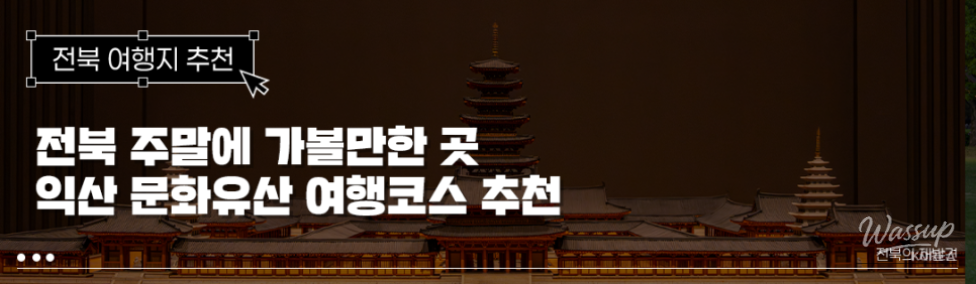
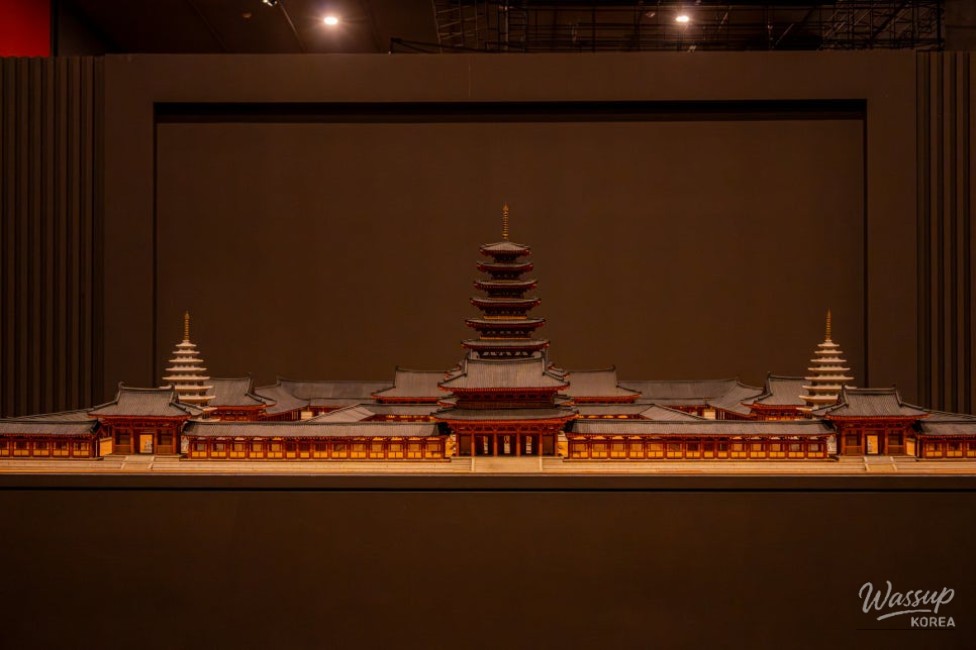
The Mireuksaji Hall, a highlight of the museum, features a grand model restoration of Mireuksaji, allowing visitors to appreciate its unique layout with three pagodas and three main halls. The intricate details of the architecture reflect the peak of Baekje's civil engineering and architectural technology.
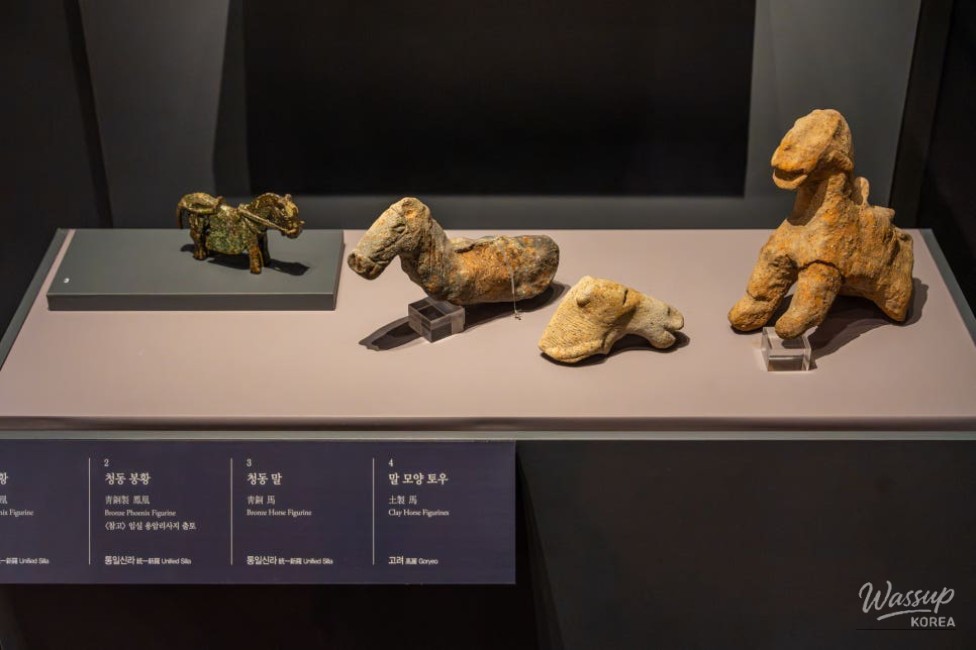
Surrounding the model are actual artifacts excavated from the Mireuksaji site, including clay layers that formed the temple's foundation and numerous tiles that once covered its roof. These remnants tell the story of the artisans who toiled to build the magnificent temple.
Finally, the Digital Reality Theater offers an immersive experience, bringing to life the founding legends of Mireuksaji and the history of Baekje through dynamic visuals. For children, the National Iksan Museum has a dedicated Children's Museum, featuring interactive exhibits that make learning about Baekje's history enjoyable.
Join us on a special journey through Iksan, where the dreams of Baekje come alive.












Source :https://blog.naver.com/jbgokr/224284221457
No comments yet.