Exploring the Josoaung Memorial Hall: A Historical and Cultural Space



[Reporter: Kim Won-deuk]
The Josoaung Memorial Hall is a historical and cultural space that harmonizes an ecological pond, the main house, and a memorial area.
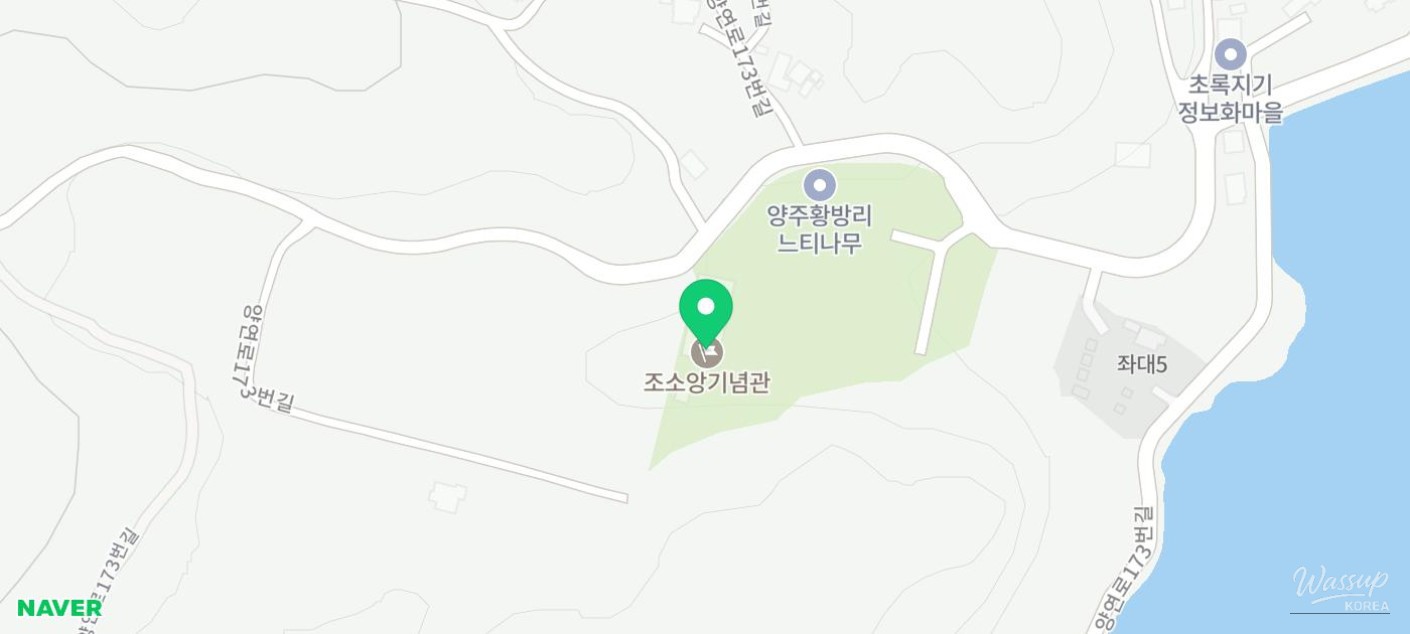
Located in Nam-myeon, Yangju-si, Gyeonggi-do, the memorial hall can be found by following the road along the Bongam Reservoir. At the end of the reservoir, visitors will encounter a neat building with a black tiled roof and red pillars. Nestled in the green landscape of the forest and ecological pond, this is the Josoaung Memorial Hall, dedicated to honoring the life and thoughts of independence activist and political thinker, Josoaung.
The Josoaung Memorial Hall is a national memorial facility designated and managed by the Ministry of Patriots and Veterans Affairs. Established on May 25, 2016, it serves as a historical education space that conveys the spirit of independence and the life of Josoaung to future generations. Walking through the quiet grounds and entering the exhibition hall, visitors can explore the footprints of Josoaung, who not only dedicated himself to the independence movement but also contemplated the future of the nation to be established after independence.
As visitors walk from the parking lot to the memorial hall, they are greeted by a well-maintained grassy plaza and a charming ecological pond. The walking paths and trees around the pond blend seamlessly with the memorial hall's serene atmosphere. Further inside, a statue of Josoaung, appearing as if he is explaining something with one hand raised, symbolizes his life and the spirit of the independence movement. The area surrounding the memorial hall includes exhibition halls, the ecological pond, memorial spaces, grassy plazas, and Josoaung's family home, allowing for a combined experience of viewing exhibitions, walking, and historical exploration.
Josoaung was a prominent independence activist who dedicated himself to the cause of Korea's independence during the Japanese colonial period while working with the Provisional Government of the Republic of Korea. He researched not only the independence movement but also the direction the new nation should take after liberation. This thought was systematized into the ideology known as 'Samgunjuui' (Three Equalities).
Samgunjuui emphasizes equality among individuals, nations, and states. Domestically, it advocates for a nation where citizens enjoy equal rights and opportunities in politics, economics, and education. In politics, it calls for equitable exercise of sovereignty; in economics, it seeks to establish a stable living foundation; and in education, it ensures everyone has access to learning opportunities. The memorial hall confirms that Josoaung was both a practitioner in the independence movement and a thinker who researched the ideologies and systems of an independent nation.
The interior of the memorial hall is organized to allow visitors to explore the timeline of Josoaung's life, his activities in the independence movement, and the development of Samgunjuui. Photographs and records related to the independence movement are displayed, along with documents and materials written during that time.
Exhibits showcasing the activities of Josoaung's family and siblings, who also participated in the independence movement, draw attention. This illustrates the history of the independence movement as a collective effort beyond one individual's actions. Following the video and exhibition descriptions allows for a calm understanding of Josoaung's growth, his studies abroad, his activities in the Provisional Government, and the conceptualization of Samgunjuui. The exhibition hall is designed to be easily understandable, making it a suitable space for historical education for children and teenagers.
After regaining the country, Josoaung envisioned a new nation characterized by equality in politics, economics, and education, where all citizens could enjoy rights and opportunities as members of the state. This ideology played a significant role in establishing the founding principles of the Provisional Government of Korea and the ideological foundation of the independence movement. Through the exhibition, visitors learn that the independence movement was not merely about restoring national sovereignty but also about preparing the systems and lives of the people post-independence.
Next to the memorial hall, visitors can find Josoaung's family home. The traditional house, with its tiled roof, wooden pillars, and modest yard, evokes images of Josoaung's life with his family. After exploring the exhibition hall, a visit to the family home provides a closer connection to the life of this historical figure.
The stone walls and forest paths surrounding the family home are perfect for a leisurely stroll, allowing visitors to reflect on their experience. The route connecting the memorial hall, family home, statue, and memorial space offers a comprehensive view of Josoaung's life and spirit.
After visiting the memorial hall, it's enjoyable to spend some leisurely time exploring the tranquil rural scenery around Bongam Reservoir. Nearby restaurants serve dishes like galbitang (beef rib soup) and naengmyeon (cold noodles), making it easy to continue the travel itinerary with a meal.
The Josoaung Memorial Hall, nestled in the quiet nature of Yangju, is a meaningful historical and cultural destination where visitors can reflect on the noble spirit of the independence activist and learn about his vision for the nation post-independence.
Visiting Information:
- Address: 87 Yangyeon-ro 173beon-gil, Nam-myeon, Yangju-si, Gyeonggi-do
- Admission and Parking Fee: Free
- Closed: Every Monday, January 1st, and on the day of Seollal (Lunar New Year) and Chuseok (Harvest Festival)
- Operating Hours: March to October from 9 AM to 6 PM, November to February from 10 AM to 5 PM
- Last Admission: One hour before closing
- Guided tours are available by reservation. It's advisable to check for any changes in operating hours and holiday schedules before visiting.



Source :https://blog.naver.com/gyeonggi_gov/224370118972
No comments yet.