Exploring Suwon's Historical Nohsong Park



[Reporter Lee Jae-hyung]
Gyeonggi Province is home to many historic sites across its 31 municipalities, one of which is Nohsong Park in Suwon. This area features over 200-year-old pine trees planted by King Jeongjo of the Joseon Dynasty, alongside clusters of violet flowers, making it a remarkable spot for both history and relaxation. Although it's a bit early, let's take a look at the blooming status of the Nohsong Park flowers.
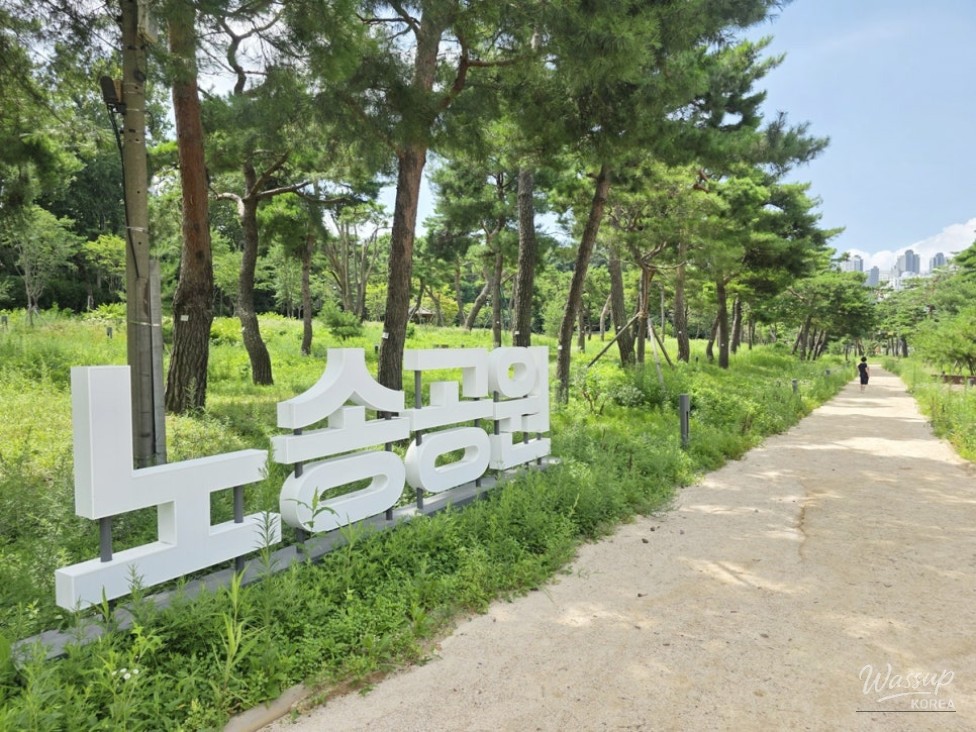
The entrance to Nohsong Park in Suwon, Gyeonggi Province.
Nohsong Park's entrance is where King Jeongjo created a path for his father's tomb, Hyunryungwon, while developing Suwon New City. The pine and willow trees planted during that time reflect the king's deep filial piety and consideration for scenic beauty, resulting in the lush pine forest we see today. The park features various trails, including the Filial Path, Pine Path, Foot Bath Area, Deck Rest Area, and Nohsong Trail.
Pine Lake within Nohsong Park.
Each pine tree in the park has a sign detailing its history, including the remaining Pine Lake. Nohsong Park was designated as a Gyeonggi Province cultural monument in 1973 and has recently been recognized as the '1st Natural Heritage of Gyeonggi Province' for its preservation and management.
The majestic and beautiful pines.
Pines are featured in the second verse of our national anthem, symbolizing our country. Walking along the trails, you can see the venerable pines showcasing their dignified and beautiful forms. Their tall trunks and wide-spreading branches create a picturesque landscape against the blue sky.
Nohsong Park is part of the 'Suwon Palsaekgil' walking trail, specifically the 'Filial Path' route. This historical path, imbued with King Jeongjo's filial spirit, is optimized for trekking, allowing visitors to fully experience nature and history.
The dry clay path within Nohsong Park.
Each municipality in Gyeonggi Province has created barefoot clay paths for the health of its residents. Nohsong Park features a 'dry clay path' made from a mix of clay and sand. While some water may collect during rain, it is generally well-maintained for a soft and comfortable barefoot walking experience.
A resting area in Nohsong Park.
The park also has a resting area that embodies our unique beauty. The octagonal pavilion stands majestically against the green trees, providing a cool retreat. With shaded benches set against traditional tiled walls, visitors can pause to chat and enjoy the surroundings.
Hydrangeas in full bloom.
On a hot day with heat warnings, I took a moment to rest at the pavilion. Looking beyond the railing, I was greeted by clusters of blooming white hydrangeas. The combination of green pines, the serene pavilion, and the white hydrangeas created a beautiful scene, a special gift from Nohsong Park.
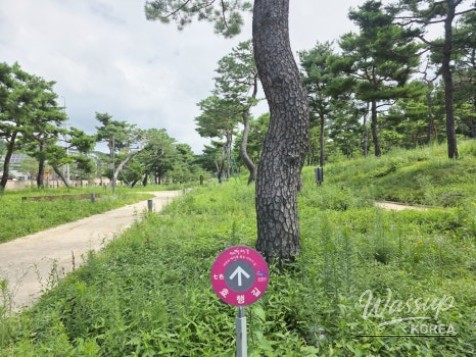
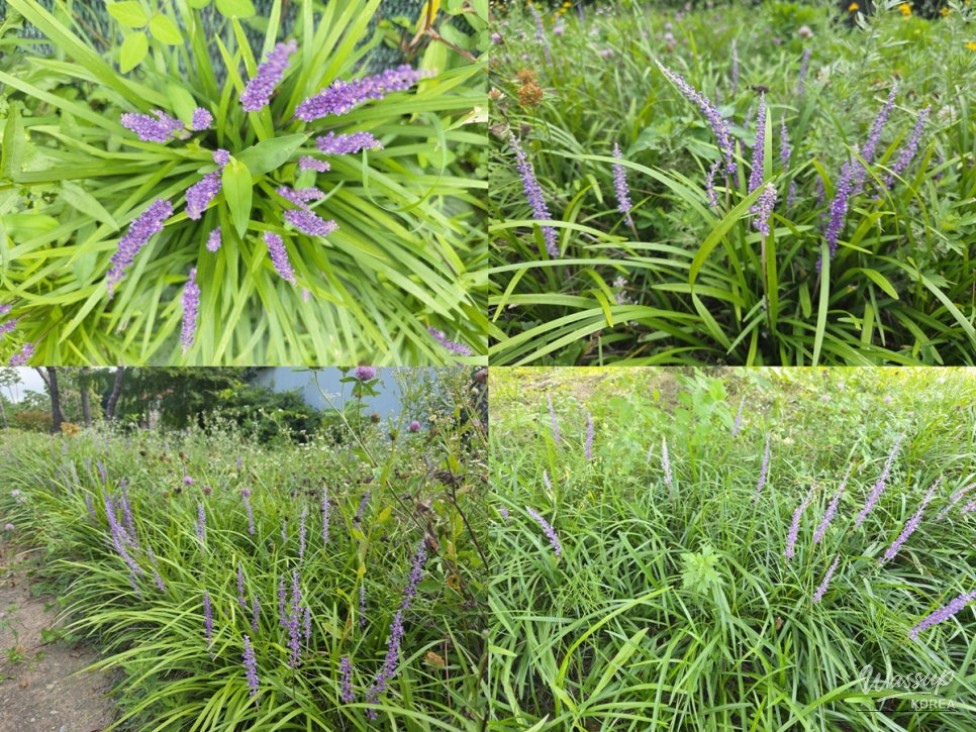
The Nohsong Park flowers just starting to bloom.
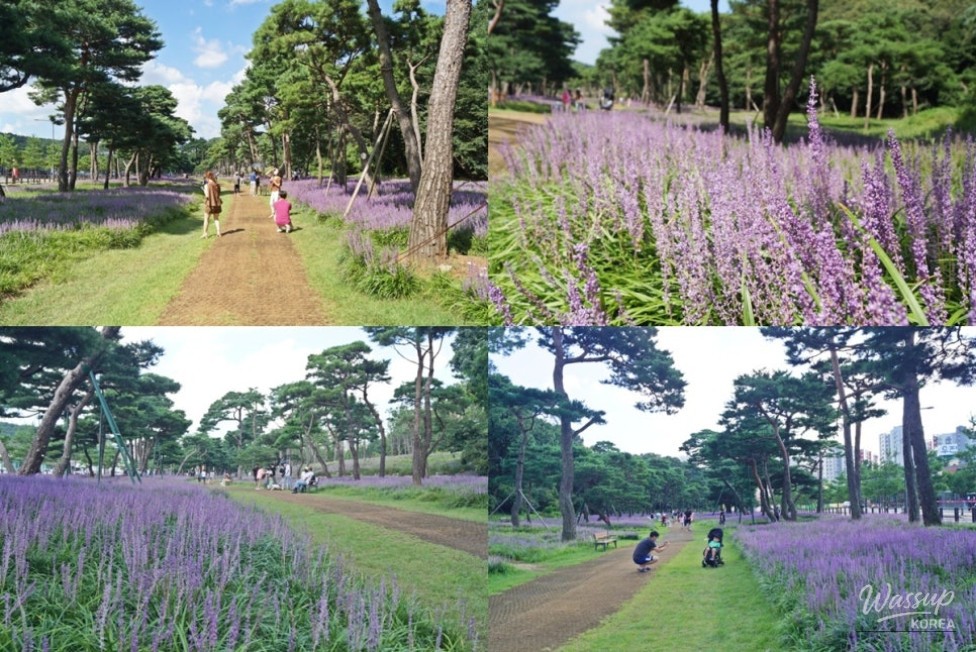
What I was really hoping to see were the clusters of violet flowers blooming like a carpet beneath the pines. When I visited in early August, the flowers were just beginning to shyly raise their buds, with a few spots displaying hints of violet. It will take a little longer for them to form a lush cluster.
When can we expect the flowers to be in full bloom? Last year, I visited around August 20, and if you want to enjoy the vibrant violet flowers, I recommend visiting between August 15 and 25. You can expect to experience the stunning fragrance of the flowers.
Nohsong Park in Suwon, Gyeonggi Province.
Although I didn’t see the flowers in full bloom, Nohsong Park consistently offers the refreshing shade of pines, clay paths, and tranquil pavilions for a peaceful retreat. After sunset, the park transforms into a beautiful atmosphere for evening strolls.
Nohsong Park was designated as an exemplary urban forest by the Korea Forest Service in 2023. How about enjoying the refreshing phytoncide breeze at Nohsong Park, the first natural heritage of Gyeonggi Province, where King Jeongjo's deep filial spirit resides? Look forward to the more vibrant violet waves in mid-August!
Nohsong Park (Nohsongji) is located at 70 Jang-an-ro 346beon-gil, Jangan-gu, Suwon, Gyeonggi Province.
Note: There is no dedicated parking, so public transportation is recommended for your visit.






Source :https://blog.naver.com/gyeonggi_gov/224367910023
No comments yet.