Exploring Namgang Seowon: A Historical Journey
82 Sopocheong-gil, Gunbuk-myeon, Haman-gun, Gyeongsangnam-do
남강서원



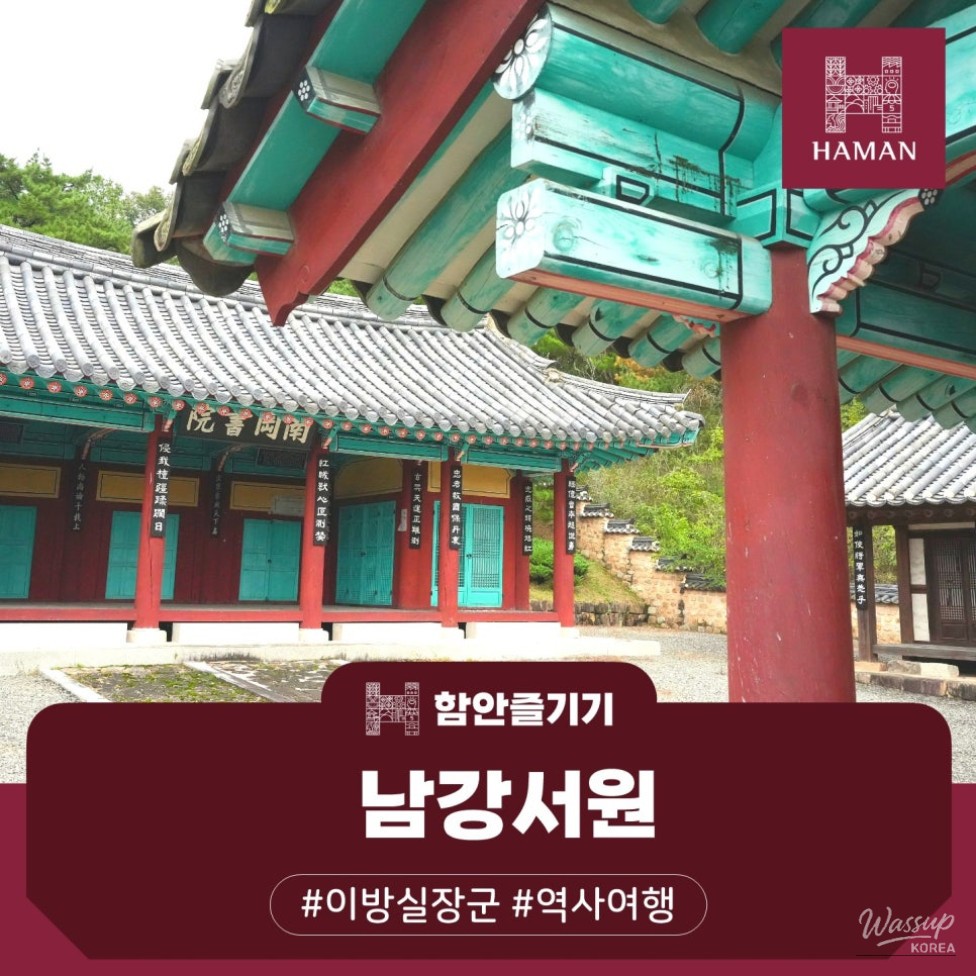
Namgang Seowon (남강서원) is a profound historical site located in the peaceful countryside of Haman-gun. This seowon (Confucian academy) serves as a sacred space to commemorate General Lee Bang-sil, a national hero of the late Goryeo period who defended the nation with unwavering loyalty. Walking through the quiet grounds, visitors can feel the weight of history and the deep respect the local community holds for the general's legacy, making it a perfect destination for those seeking cultural reflection and architectural beauty.
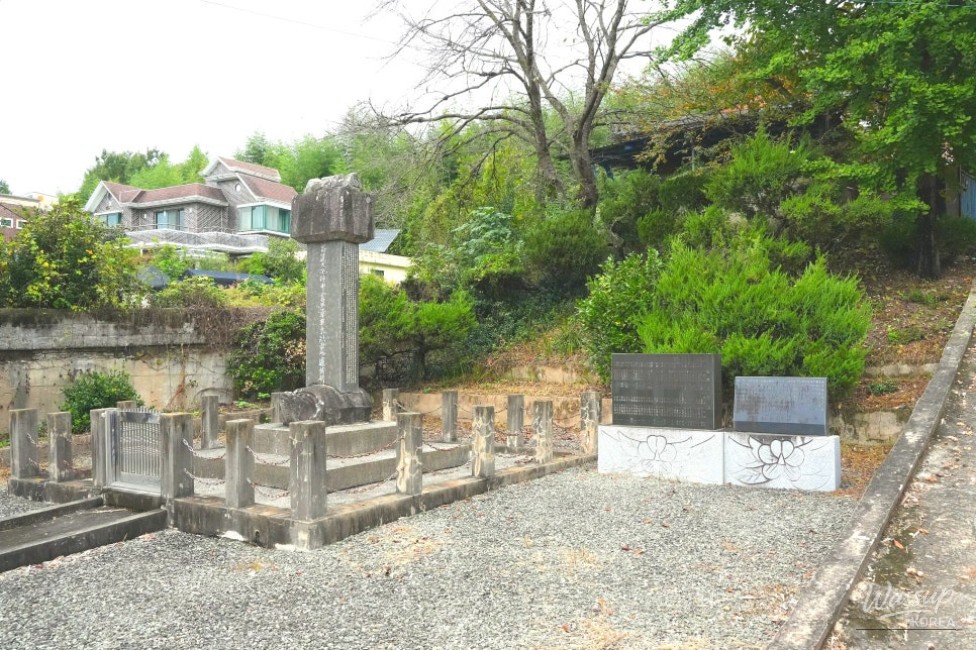
The seowon is not just a collection of buildings but a storyteller of Korea's turbulent past. From the chronicles of the Red Turban invasions to the tragic political conspiracies of the royal court, the various shrines and memorial stones within the complex vividly recount General Lee's life and ultimate sacrifice. Whether you are interested in the clean lines of traditional hip-and-gable roofs or the heroic tales of Goryeo warriors, Namgang Seowon offers a meaningful journey that bridges the gap between the past and the present at the start of the new year.
The Legacy of General Lee Bang-sil
A National Hero of the Late Goryeo Period
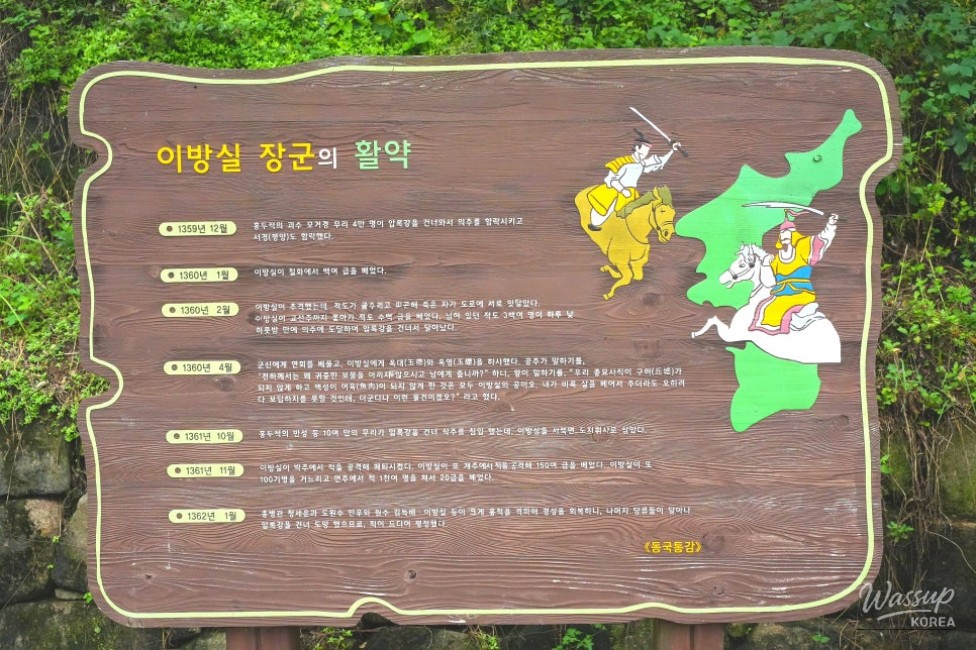
General Lee Bang-sil is celebrated for his extraordinary bravery during the late Goryeo Dynasty. He played a pivotal role in defending the kingdom against the Red Turban invaders and led the successful recapture of Gaegyeong, the Goryeo capital. His achievements are well-documented in historical records like the "Yongjae Chonghwa," and the informative displays at the seowon entrance make it easy for modern visitors to grasp the scale of his patriotism and military genius.

Chungnyeolsa: Honoring a Tragic Hero
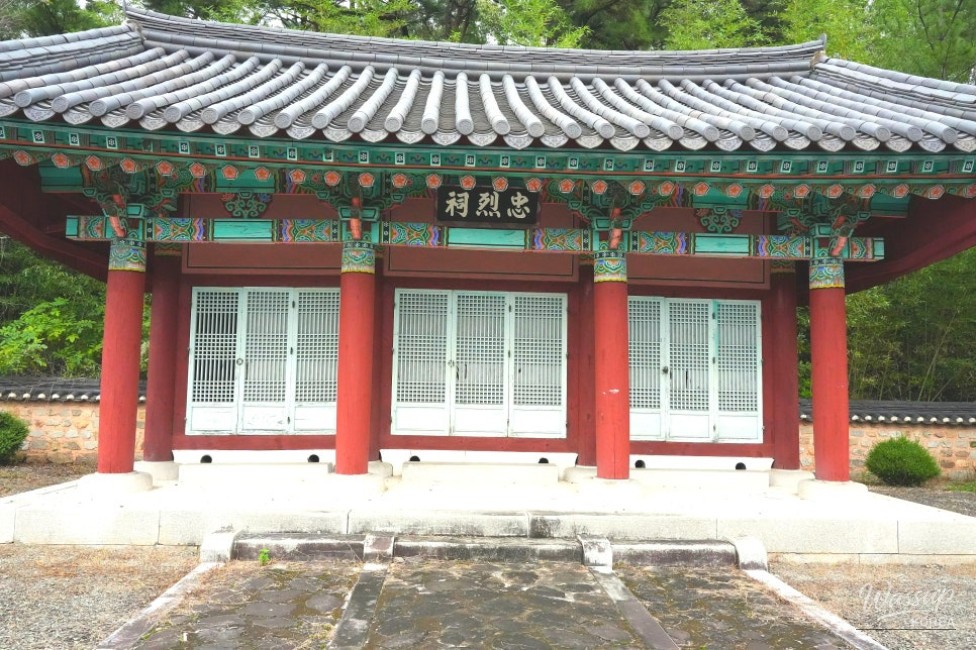
Within the seowon complex lies Chungnyeolsa, a shrine housing the spirit tablet of the general. History remembers 1361 as a year of both victory and tragedy; after defeating the invaders, General Lee was executed due to a false royal decree orchestrated by a treacherous minister. The restoration of this shrine and Namgang Seowon reflects the community's enduring desire to honor his memory and protect the spirit of loyalty he embodied.

Architectural Grace and Scholarly Spaces
Traditional Hip-and-Gable Structures
Namgang Seowon is an elegant example of traditional Korean architecture. The main seowon building is a single-story wooden structure featuring a sophisticated hip-and-gable roof. With five front bays and two side bays, its symmetrical design creates a sense of formal balance. Though the main gates like Seonggyeongmun may be locked at times, a small side door often allows visitors to enter and appreciate the neat, orderly layout of the academy.

Student Dormitories: Gyeongmodang and Yeongdeokdang
Facing each other within the courtyard are Gyeongmodang and Yeongdeokdang, the dormitories where Confucian students once resided. These buildings exemplify the quiet and scholarly atmosphere essential to a seowon's function. Walking through the Sungui Gate, one can almost imagine the hushed whispers of students discussing Neo-Confucian philosophy in the shadows of these historic walls.
A Meaningful Visit for the New Year
Tranquility and Remembrance
Namgang Seowon is more than a tourist spot; it is a place for quiet reflection. The combination of informative memorials, modest shrines like Chungnyeolsa, and the surrounding Haman nature provides a healing experience for both the mind and spirit. It is an ideal location to visit at the beginning of the year to pay respects to the ancestors and gain inspiration from General Lee's unwavering dedication to his country.
Exploring the history of General Lee Bang-sil at Namgang Seowon is a reminder of the quiet strength found in loyalty and tradition. Whether you are a history buff or simply looking for a peaceful stroll in Haman, this site offers a unique connection to Korea's storied past. Have you ever felt the serene energy of a traditional seowon during the winter, or are you interested in learning more about other Goryeo-period heroes? If you're visiting Haman, would you like me to find some nearby traditional restaurants where you can enjoy a warm meal after your historical tour?
Photo Gallery





No comments yet.