Exploring Cultural Gems in Muju, South Korea


As I walk through Muju, I accompany my steps with books, art, and history.
Currently, I am exploring Muju in North Jeolla Province, known for its beautiful attractions like Deogyusan Mountain, Taekwondowon, and the Meru Wine Cave. This region is also famous for the Mountain Village Film Festival and the Firefly Festival.
Both festivals are held in the area across from the Muju Public Bus Terminal, which features a traditional craft theme park, gyms, and various cultural and historical facilities.
Among the notable places are the Hyungseoljigong Library, which opened in May 2024, the Choi Buk Art Museum, the Kim Hwan-tae Literary Museum, the Muju Mountain Village Cinema, and Hanpungru. With so many cultural facilities concentrated in one area, it's an ideal travel route for foot travelers like me. I will introduce five places I visited, all easily accessible on foot.
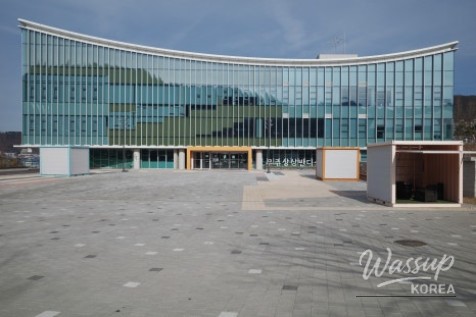
Hyungseoljigong Library
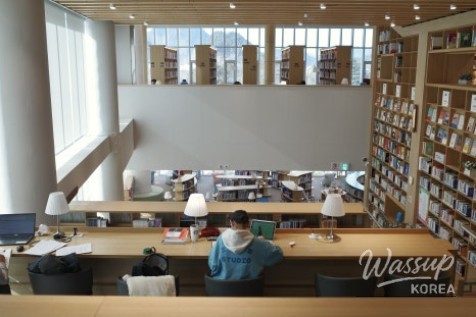
The name 'Hyungseoljigong' means 'reading with the light of fireflies and eyes.' Upon entering the library, I was amazed to find a library reminiscent of those in foreign films right here in Muju. Having lived in the metropolitan area for most of my life, I feel fortunate to have moved to North Jeolla Province last April.
The library meets various needs with its facilities, including a children's reading room, general reading room, and a free reading area. The interior design is particularly striking, featuring warm wood tones and varied lighting that create a sense of entering different spaces as you move around. In 2025, it was selected as an 'Excellent Library' certified by the Governor of North Jeolla Province.
Choi Buk Art Museum
Exiting the Hyungseoljigong Library, you will immediately see the Choi Buk Art Museum and the Kim Hwan-tae Literary Museum, both located on the third floor of the same building, making for a convenient visit. The second-floor exhibition hall features ongoing exhibitions until mid-March, so I recommend a quick visit before heading to the permanent exhibition at the Choi Buk Art Museum.
Choi Buk, known as the 'Van Gogh of Korea,' was a painter from the late Joseon Dynasty famous for his eccentric behavior. When a government official requested a painting, Choi Buk refused, leading to a dramatic incident where he blinded himself by stabbing his own eye. Despite his remarkable talent, he succumbed to poverty and died on the streets.
Kim Hwan-tae Literary Museum
Directly across from the permanent exhibition hall of the Choi Buk Art Museum is the Kim Hwan-tae Literary Museum. Kim Hwan-tae was a literary critic who made significant contributions during the Japanese colonial period, advocating for pure literature devoid of politics and practicality.
The museum features over 40 artifacts, including photographs and books from his life, along with interactive puzzles and reflection prompts that allow visitors to delve deeper into the literary experience.
Hanpungru
A five-minute walk from the Choi Buk Art Museum and Kim Hwan-tae Literary Museum takes you to Hanpungru, which is considered the finest among the Hanpungru in Muju, Gwanghanru in Namwon, and Hanbyeokru in Jeonju. The building is designated as a treasure, and its grandeur is palpable. The signboard is said to have been written by the calligrapher Han Seok-bong.
During my visit to the Muju Firefly Festival last year, I saw this area transformed into a performance venue. Revisiting Hanpungru, I was struck by the nostalgia, as the emotions and feelings I experienced in the same space had changed.
Muju Hyanggyo
The final stop on my walking route is Muju Hyanggyo. Despite my visit occurring before the start of spring, the entrance was already adorned with spring couplets. Hyanggyo served as an educational institution for scholars during the Joseon Dynasty, originally built north of the Muju government office during the reign of King Taejo.
Although it was relocated due to frequent tiger attacks, it eventually moved to its current location, which is historically significant and retains the traditional structure of a Hyanggyo.
As I wandered, I encountered a cultural tourism guide who kindly explained various aspects of the site, showcasing the affection and dedication required to interpret a foreign cultural heritage. I highly recommend experiencing such guided tours.
In relatively less populated areas, reliance on personal vehicles tends to increase. However, Muju, with its low population, is a friendly destination for foot travelers. Just a short walk from the Muju Bus Terminal leads to diverse cultural experiences. Muju offers not only a tranquil environment but also a respite through culture and art, which I hope everyone can experience.



Source :https://blog.naver.com/jbgokr/224194044522
No comments yet.