Convenient Commuting: The Gyeonggi Easy G Bus



[Reporter Cha Jun-ho]
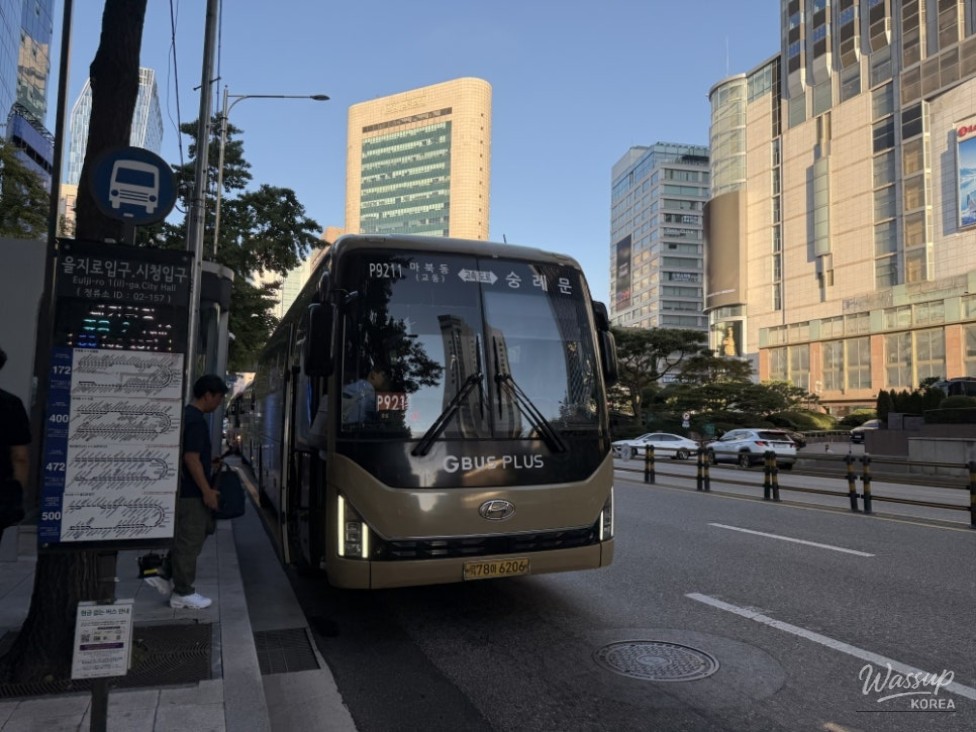
Gyeonggi Easy G Bus exterior
The commute is the time when we first and most profoundly experience the start and end of the day.
If we can move a little faster and a little more comfortably,
our condition for the day will surely improve.
The Gyeonggi Easy G Bus, promoted by Gyeonggi Province,
is a reserved-seat express bus designed to reduce such everyday inconveniences.
It connects major points in Gyeonggi Province to Seoul quickly and comfortably,
allowing long-distance commuters to choose public transport over private cars.
The new routes being launched by Gyeonggi Province include a total of five:
Pyeongtaek Yeonhwa Elementary School (Hwayang District) to Seoul Gyodae Station,
Yangju Hoecheon Benest (Hoecheon and Okjeong New Town) to Seoul Gangbyeon Station,
Hwaseong Hoban Summit Dongtan (Sindong and Mokdong) to Seongnam Pangyo 2 Techno Valley,
Hwaseong Jungwoo Pharmaceutical Intersection (Taean 3 District and Byeongjeom) to Pangyo 2 Techno Valley,
and Uiwang Indukwon Prugio (Naeson-dong area) to Seongnam Seohyeon Station.
Among these, two routes connect Gyeonggi Province and Seoul,
while three connect cities within the province.
Gyeonggi Province explained that the routes were selected based on high demand and urgent needs from residents.
There are also plans to expand operations.
Currently, the Gyeonggi Easy G Bus operates 84 times a day,
with plans to increase this to 92 in the second half of this year,
and then to 122 in 2027, 152 in 2028, and finally 184 by 2030.
This is not just about adding a few routes,
but about enhancing the overall convenience of public transport during commuting hours.
The '30-Minute Commute Revolution' that Gyeonggi Province speaks of
can be seen as stemming from these practical changes in mobility.
The advantages of the Gyeonggi Easy G Bus are clear.
First, its reservation system makes travel plans much more stable for users.
Second, the express stop method is advantageous for long-distance commuting.
Third, since Gyeonggi Province directly designs and operates the bus,
they can quickly adapt to high-demand routes.
Ultimately, this bus is not just an additional means of transport,
but a policy attempt to redirect commuting demand back to public transportation.
I personally used the P9211 route on my way home,
which showcased the advantages of the Gyeonggi Easy G Bus.
The usage method is also straightforward.
You simply check the route, departure point, arrival point, time, and available seats
on the dedicated app and make a reservation.
Since you can secure a seat in advance for your desired time,
it is especially useful during peak hours like the commute home.
The connectivity to downtown Seoul is good,
and above all, there is a sense of security unique to reserved buses.
The feeling of moving "a little less crowded, a little more comfortably, and a little more predictably"
is the biggest charm of this bus.
In the end, the Gyeonggi Easy G Bus is more than just a means of transport;
it is a transportation policy that reduces fatigue during commutes and saves residents' time.
Even a short time spent quietly on the bus can make the end of the day much smoother.
Between the busy city and long commuting distances,
the Gyeonggi Easy G Bus feels like a realistic and welcome option.
It is not just a bus brand, but a lifestyle transportation policy aimed at making the day of Gyeonggi residents a little less tiring.
The longer and more complicated the commute, the quality of movement is directly linked to the quality of life.
In that sense, the expansion of the Gyeonggi Easy G Bus
signifies more than just "adding bus routes."
Having a more comfortable option on the daily route can certainly change residents' mornings and evenings.
Although the end of the day may seem similar,
the experience can vary significantly depending on which bus you take.
The Gyeonggi Easy G Bus has shown that it is not just a means of getting to a destination,
but a way to pause and breathe during a busy commute.
For some, it is a slightly faster route,
and for others, it is a less tiring path.
This bus clearly reflects Gyeonggi Province's commitment to carefully observing the daily lives of its residents.
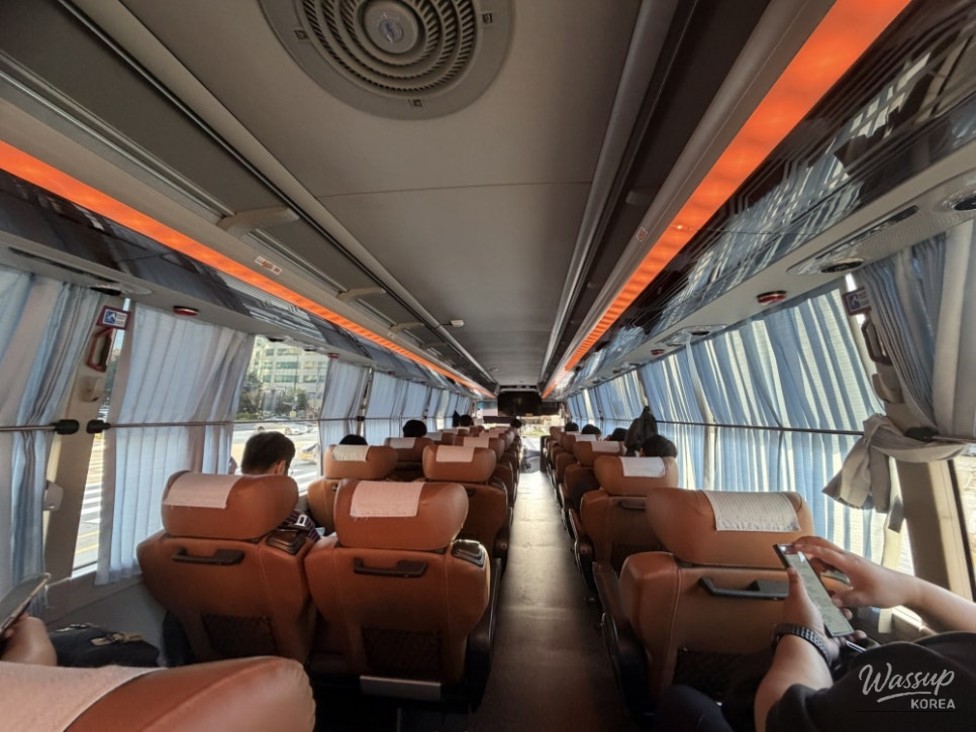
The experience of sitting comfortably in a reserved seat on a busy road left a greater satisfaction than expected.
Although it was a short journey, what I felt was clear.
Buses remain the most widely used form of public transport,
but the experience can be entirely different depending on how they are designed and operated.
The Gyeonggi Easy G Bus is a transportation method that illustrates that difference.




Source :https://blog.naver.com/gyeonggi_gov/224367936789
No comments yet.