A Tranquil Escape in the City: Exploring the National Geographic Information Institute's National Map Museum


[By Kim Ho-seung]
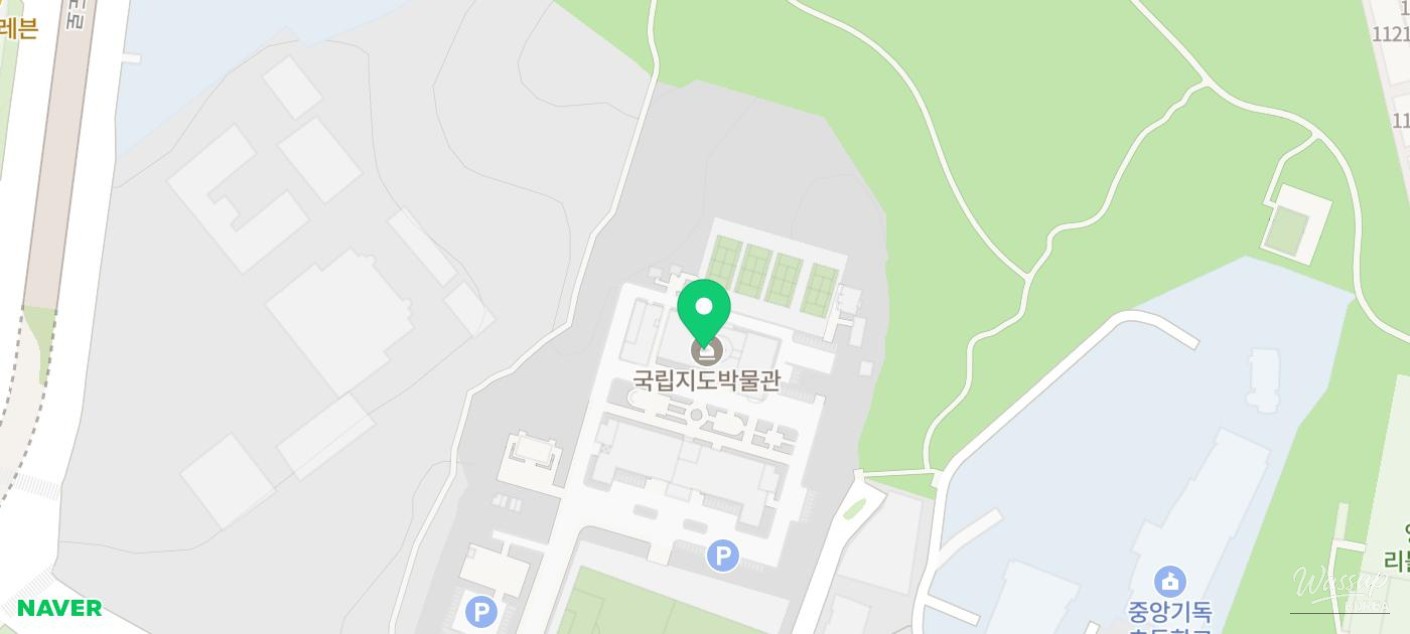
During a time when autumn's energy was in full swing, a visit to the National Map Museum of the National Geographic Information Institute in Suwon, Gyeonggi Province, evoked a surprising first impression: "Such a space exists in the middle of the city!"
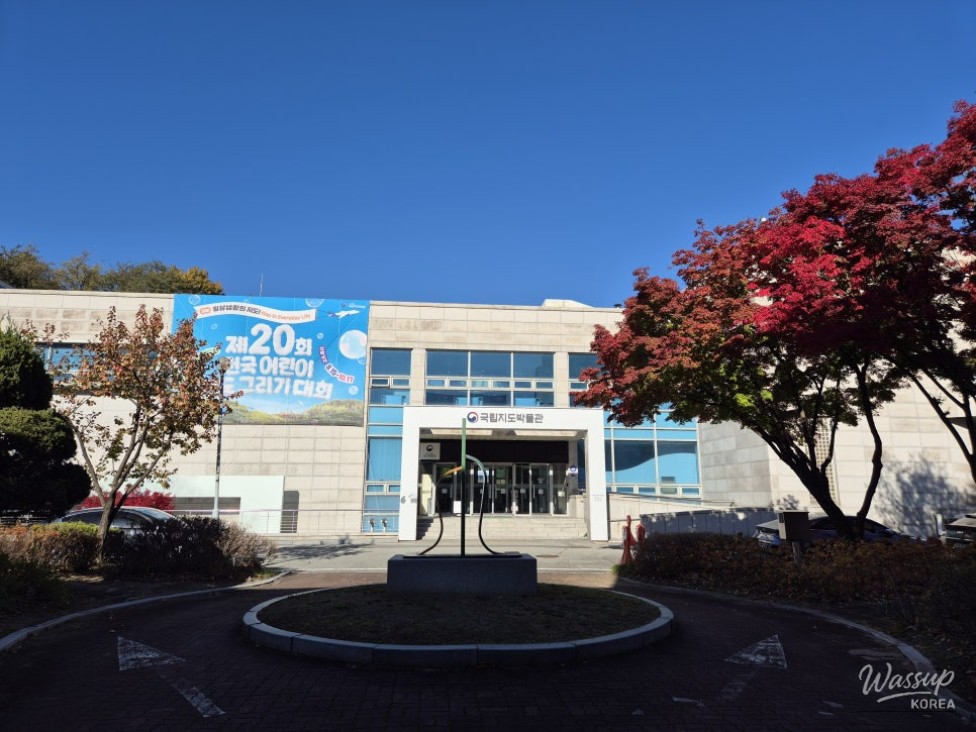
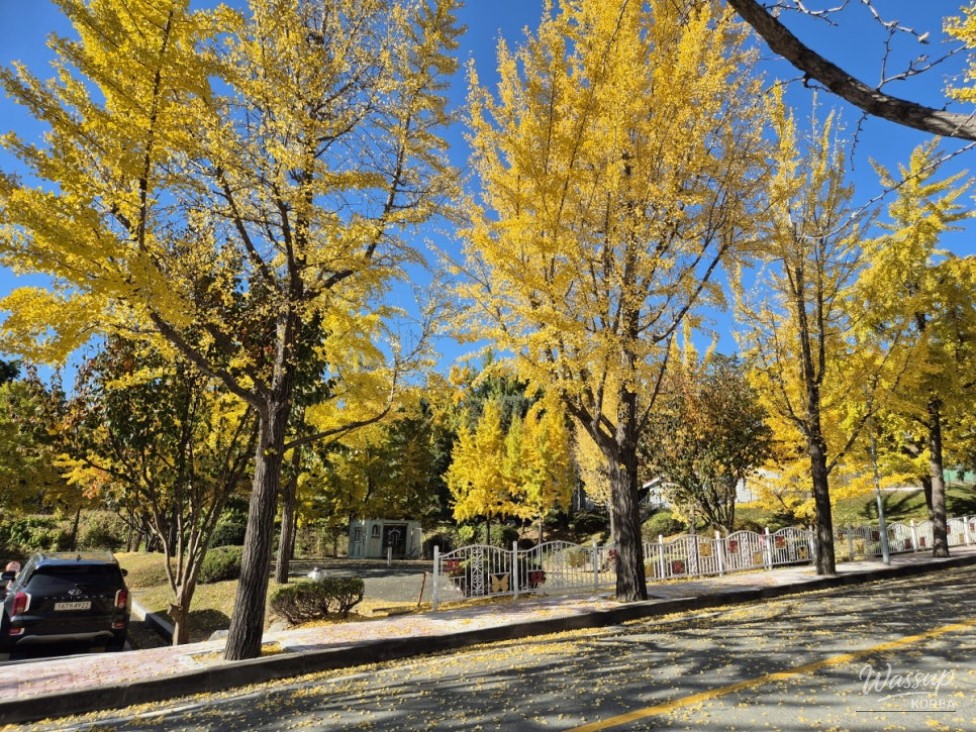
While the subject of maps might seem academic, the tree-lined path adorned with autumn foliage in front of the museum quickly dispelled that notion.
Falling leaves dancing in the breeze and the soft sunlight created an atmosphere reminiscent of a small park, offering a sense of peace even before entering the exhibition.
A visit here wasn't just about viewing exhibits; it was more like taking a breather in the heart of the city.
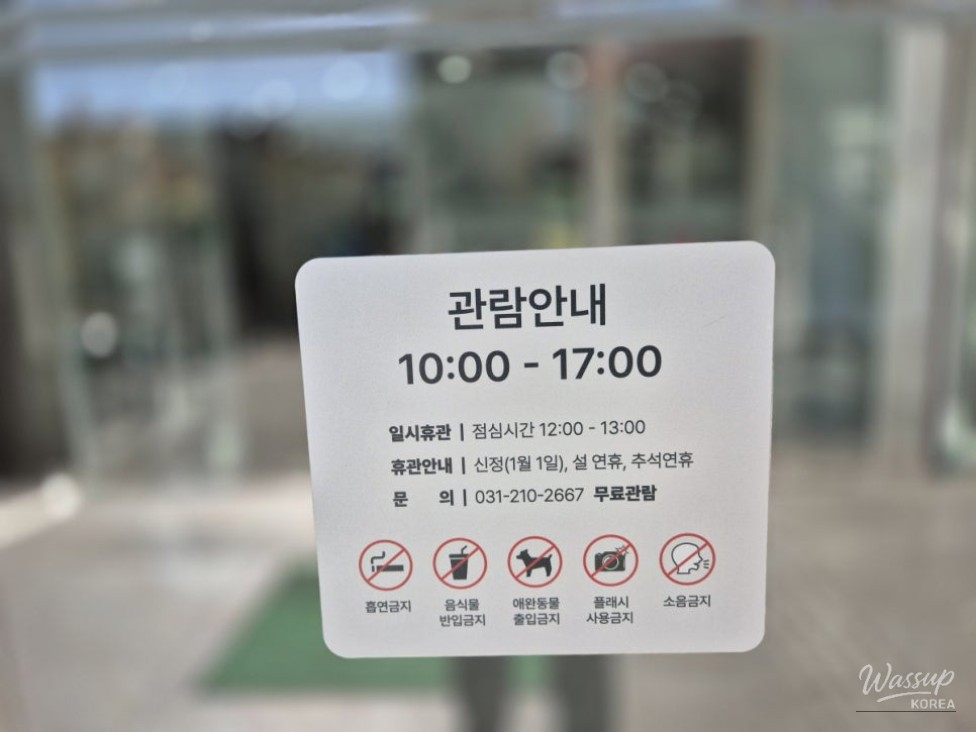
The Map Museum is open to everyone. Visiting hours are from 10 AM to 5 PM, with a break from 12 PM to 1 PM. It is closed on New Year's Day (January 1st) and during the Lunar New Year and Chuseok holidays. Best of all, admission is free, making it accessible for students and families.
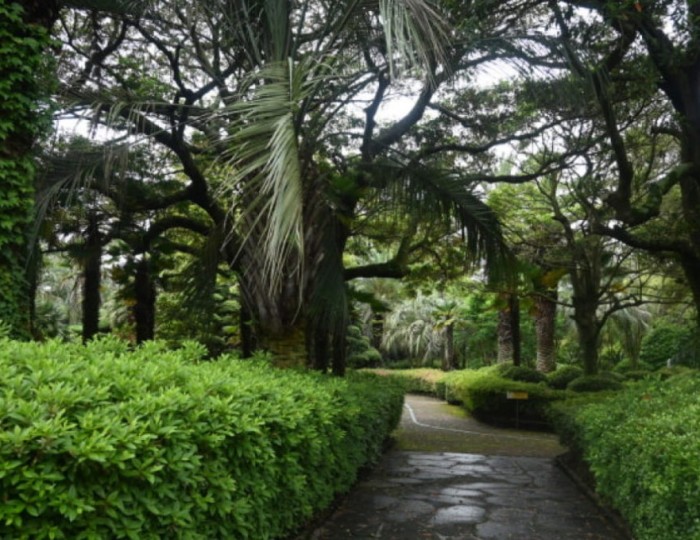
The museum's outer walking path is designed like a small forest trail, making it particularly beautiful in the fall. It was impressive to experience such scenery amidst the urban landscape.
After viewing the exhibits, walking along the trail again, the quiet rustling of the wind seemed to organize the information I had just absorbed. This is why the Map Museum felt like more than just an exhibition hall; it was a place where simply being there was meaningful.
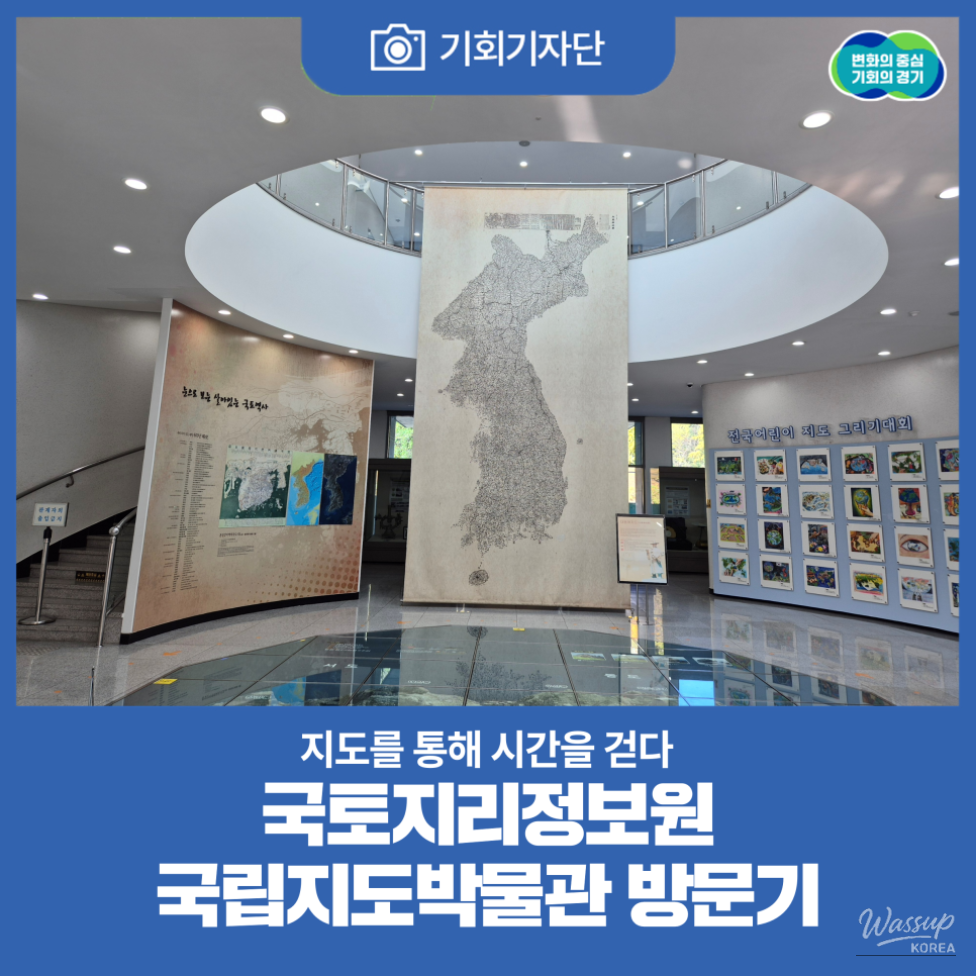
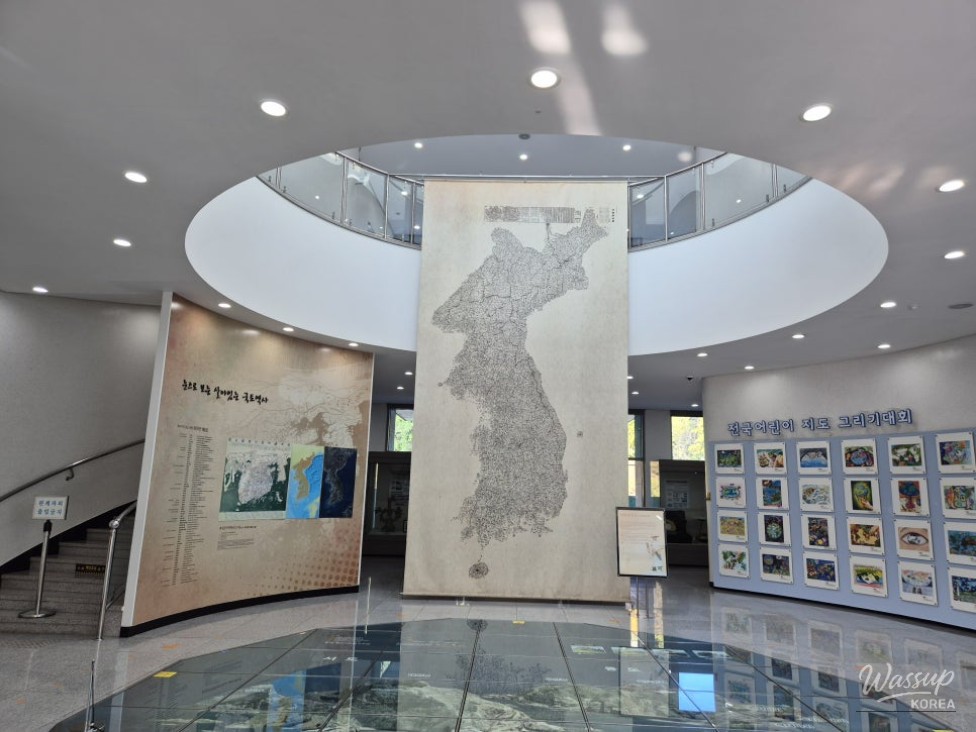
Inside the exhibition hall, there were various map displays, but the most touching was the Daedongyeojido (Grand Map of the Great East).
Standing before the long map that filled the wall, I felt as if I were walking the roads of that era.
The mountain ranges, river flows, and locations of major towns were recorded with remarkable precision. Unlike maps created with today's technology, the 'human touch' was evident.
The dedication of the artisans who created such an accurate map without satellites or digital technology was deeply moving.
I was amazed that every small inscription on the map, every line following the mountains and waterways, was a trace of direct observation and recording by people.
While looking at the Daedongyeojido, I had a strange moment of connection, as if someone from the past was speaking to me in the present. Perhaps this is why I lingered in the exhibition hall for so long.
I realized that maps are not just collections of information but vast records containing the lives and perspectives of their time.
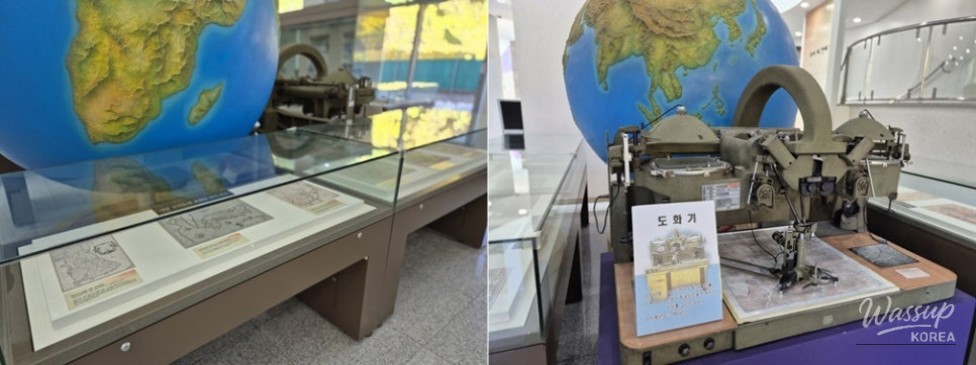
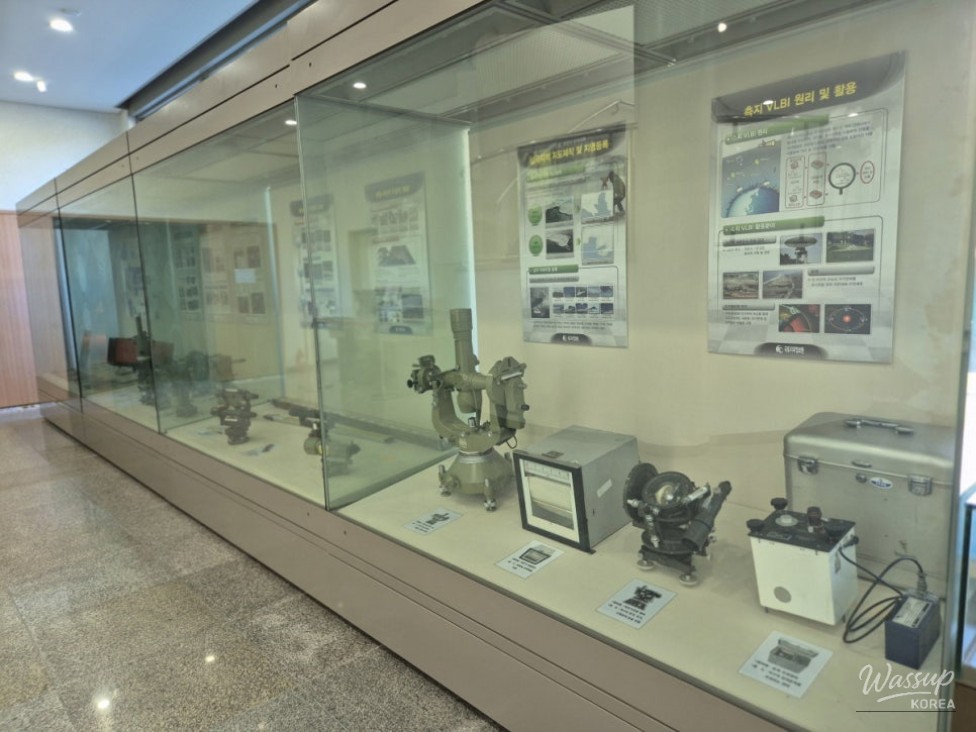
Another impressive space was the exhibition room displaying the tools used to create maps.
Surveying instruments, distance measuring devices, compasses, and other equipment were neatly arranged, allowing me to imagine the meticulous work of the geographers of the past.
Today, maps are completed with a few clicks, but in the past, countless valleys, streams, and terrain undulations had to be directly measured and recorded using the tools in a small wooden box.
Recalling this process made the precision of the Daedongyeojido even more remarkable.
In the equipment exhibition room, I was reminded that 'maps are records created by people,' and I realized the depth of effort and time invested in each map.
Although maps are now made with satellites, it felt as if I could sense the breath of those who carried these tools and directly measured countless terrains just decades ago.
When I came back outside after seeing all the exhibits, the autumn sunlight was quietly permeating the walking path. The artisans' dedication I felt in the exhibition, the meaning of the Joseon Dynasty records, and the peace of nature seemed to connect into one complete scene.
If you have the opportunity to visit Suwon, Gyeonggi Province, the Map Museum is a quiet yet deeply moving space.
It is highly recommended as a place where you can experience both the depth of the exhibits and the relaxation of an autumn stroll.
If you want to feel the breath of new knowledge on an autumn day or experience a museum with different atmospheres in each season, I recommend visiting the Map Museum.








Source :https://blog.naver.com/gyeonggi_gov/224080891805
No comments yet.