A Journey Through History: Exploring the Bonghwa Agricultural Culture Exhibition Hall



Hello!
Today, I'd like to introduce one of the must-visit places in Bonghwa, Gyeongsangbuk-do: the Bonghwa Agricultural Culture Exhibition Hall.
The Bonghwa Agricultural Culture Exhibition Hall is a special place that showcases the profound agricultural history of the Bonghwa region from prehistoric times to the present.
Here, you can deeply feel the wisdom and efforts of our ancestors, who cultivated the land and made a living in the mountainous environment of Bonghwa, characterized by its many mountains and distinct climate.
In particular, you can discover Bonghwa's unique farming methods and crops that utilize the geographical characteristics of the mountainous region, as well as a wealth of related artifacts, making it a place of great educational value.
Now, shall we explore the main exhibits of the Bonghwa Agricultural Culture Exhibition Hall together, following the flow of time?
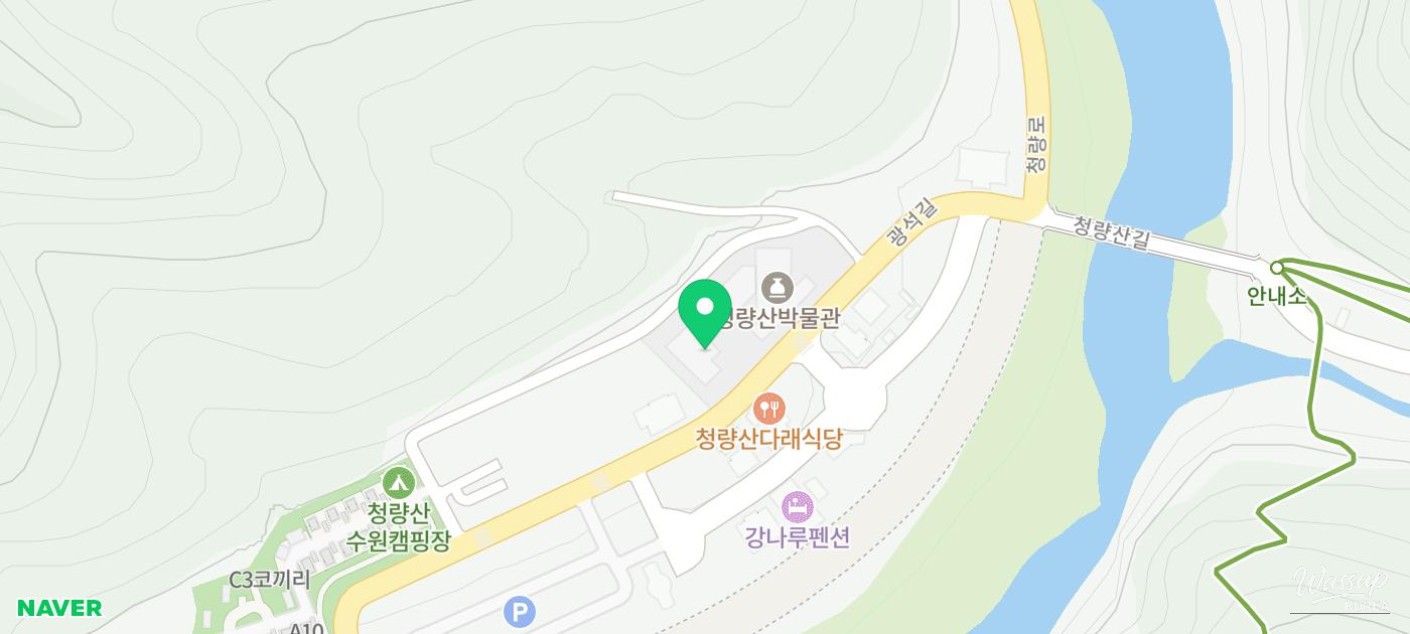
Location:
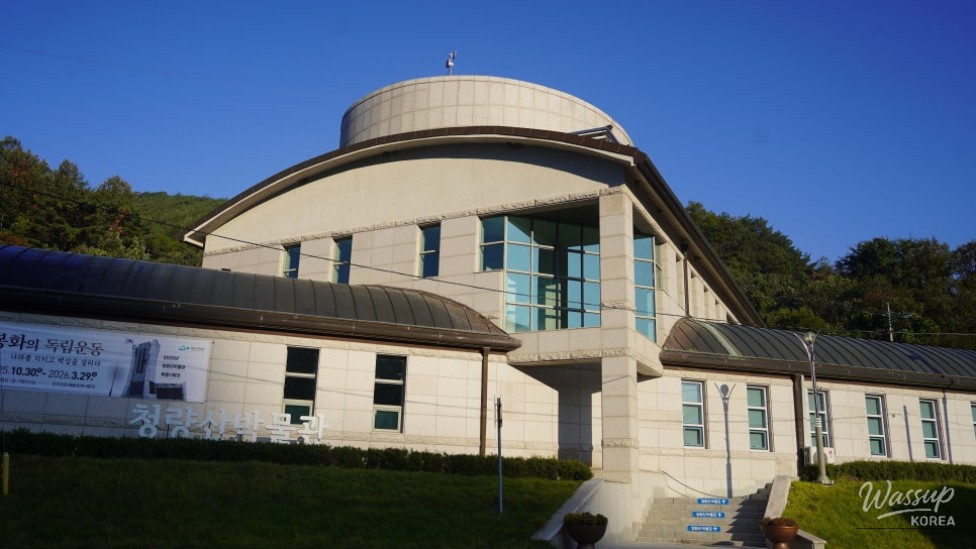
39, Gwangseok-gil, Myeongho-myeon, Bonghwa-gun, Gyeongsangbuk-do (Next to Cheongnyangsan Museum)
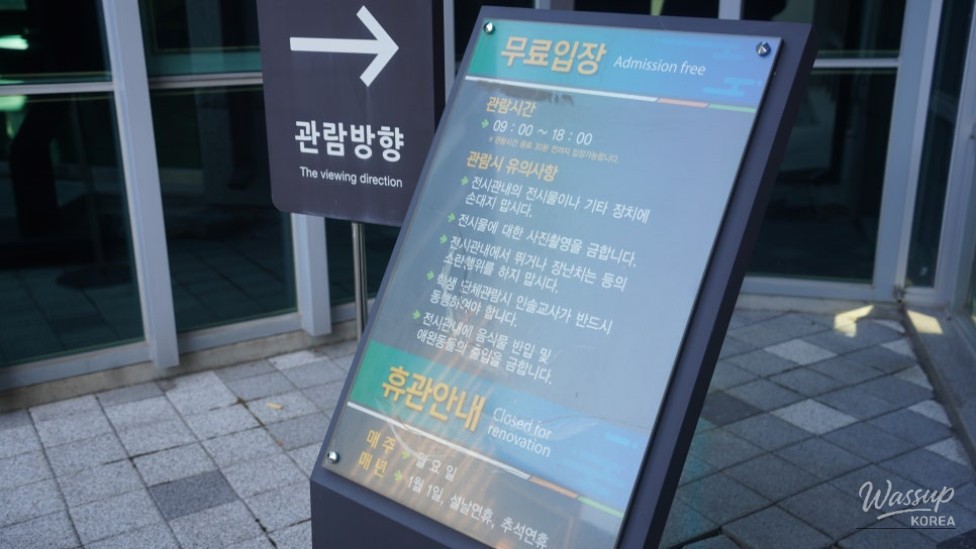
Operating Hours:
Every day 09:00 - 18:00
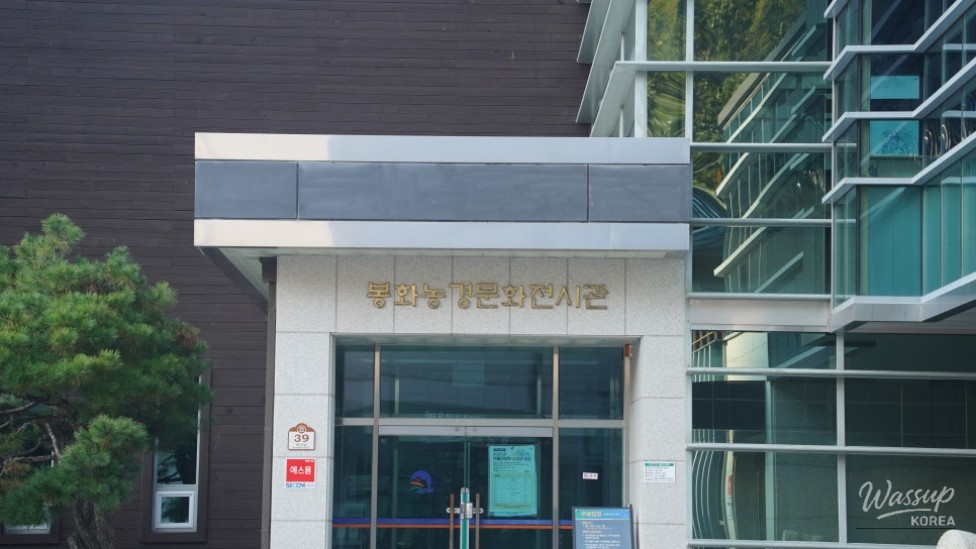
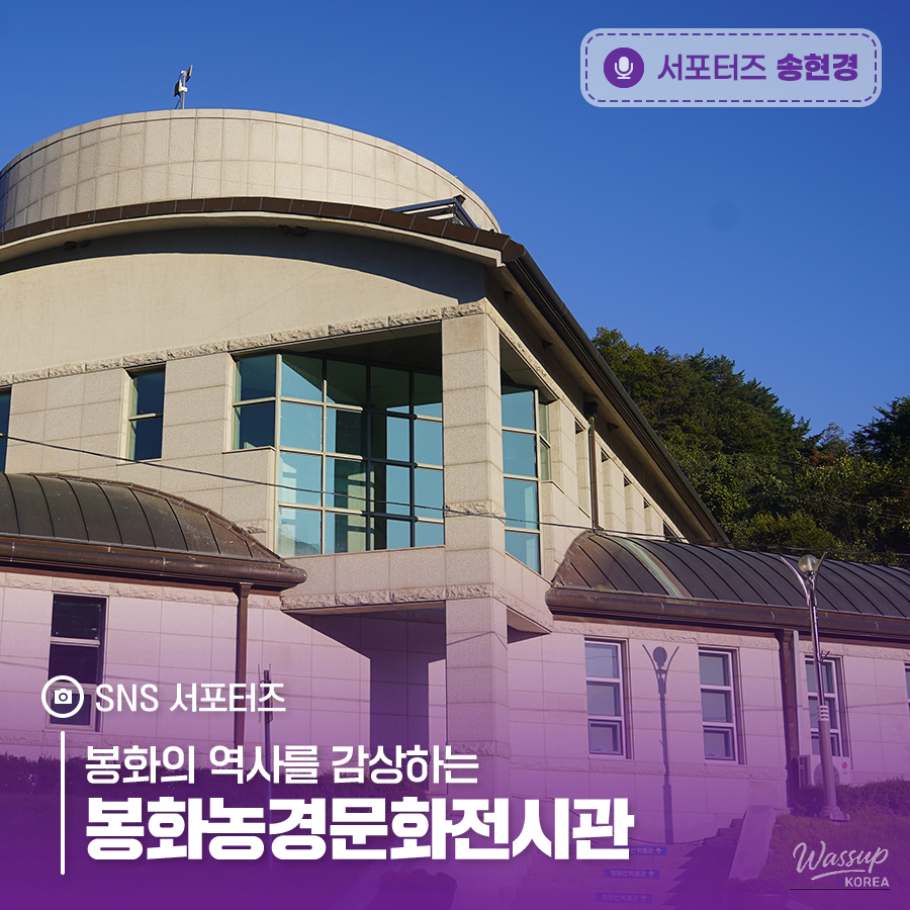
This is the entrance to the Bonghwa Agricultural Culture Exhibition Hall.
The harmony of the modern building design and the Korean sentiment felt in the Korean sign is impressive.
The moment you step inside, your anticipation for the history and agricultural culture of Bonghwa seems to grow.
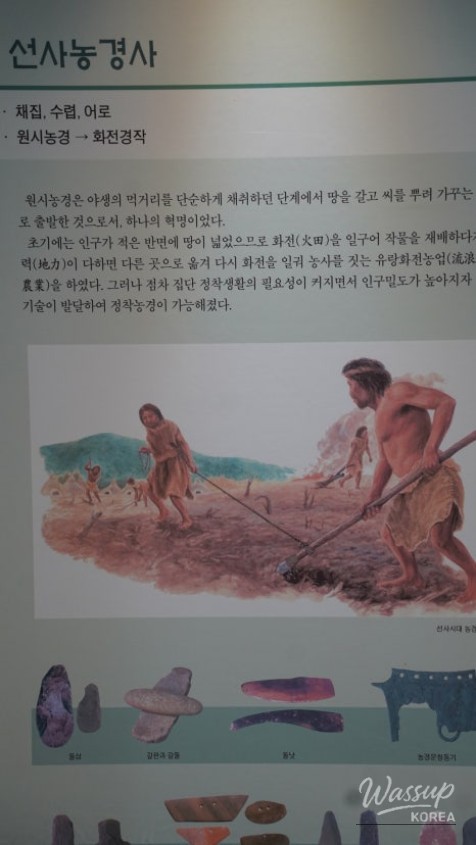
It explains the history of gathering, hunting, and fishing activities in prehistoric times, as well as the primitive farming method of 'slash-and-burn agriculture'.
In the early days, the Bonghwa area had a small population, so people farmed by cultivating fields through slash-and-burn methods.
Gradually, as settled life became more important, agricultural technology developed, enabling settled farming.
In this section, various farming tools used at the time, such as stone axes and stone sickles, are displayed together to help visitors understand the history.
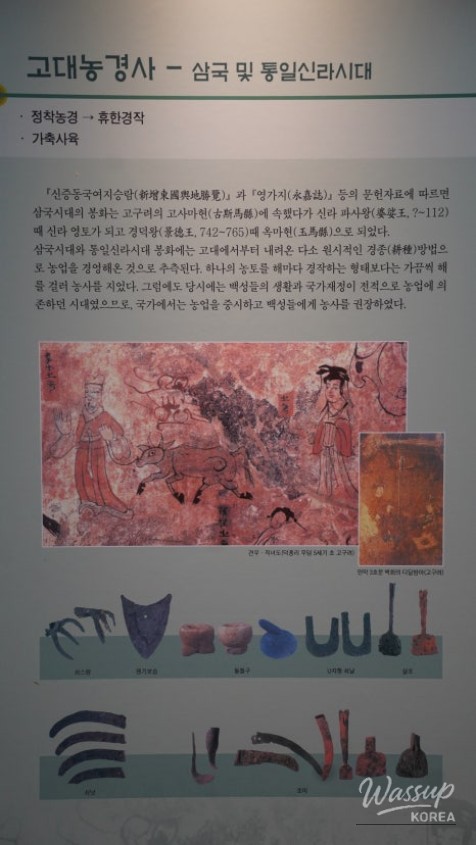
This is the agricultural history of the ancient Three Kingdoms period and the Unified Silla period.
It was an era when the state valued agriculture and encouraged the people to farm.
The paintings display detailed images of farming practices and agricultural tools (plows, pitchforks, hoes, etc.) from that time.
It explains the changes and development of agriculture during the Goryeo Dynasty.
During this period, rice farming (staple food) became as important as field farming.
In particular, at the end of the Goryeo Dynasty, Mun Ik-jeom brought cotton seeds and began cultivating them, bringing great changes to clothing.
You can get a glimpse into the agricultural life of the Bonghwa area during the Goryeo Dynasty through murals and farming tools.
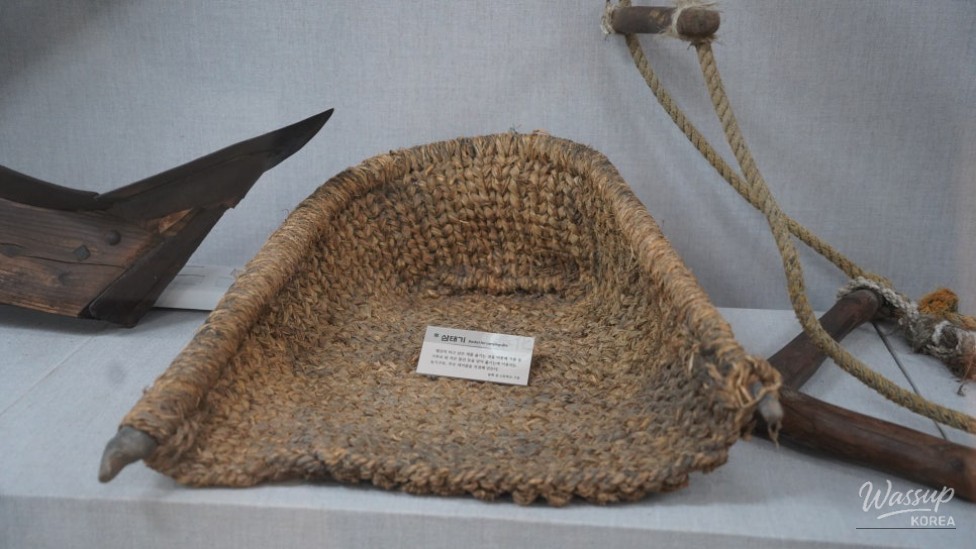
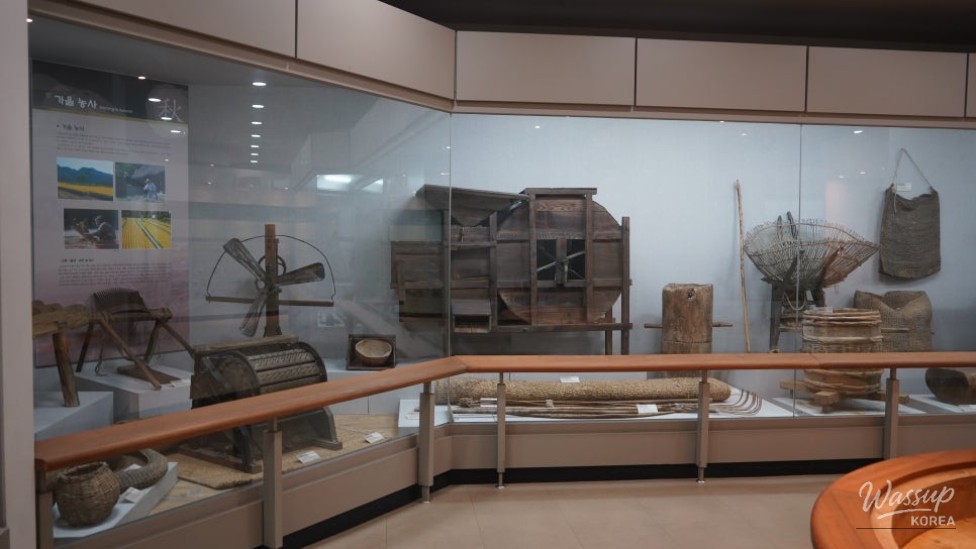
These are the various agricultural artifacts that can be seen in the agricultural life hall.
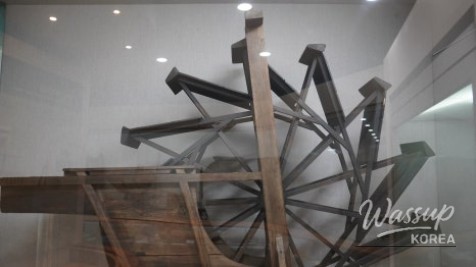
Tools such as threshers and water mills, which were used to process grains and use water, are on display.
These artifacts vividly show the agricultural life that was actually practiced in Bonghwa, allowing visitors to indirectly experience the agricultural activities that took place seasonally.
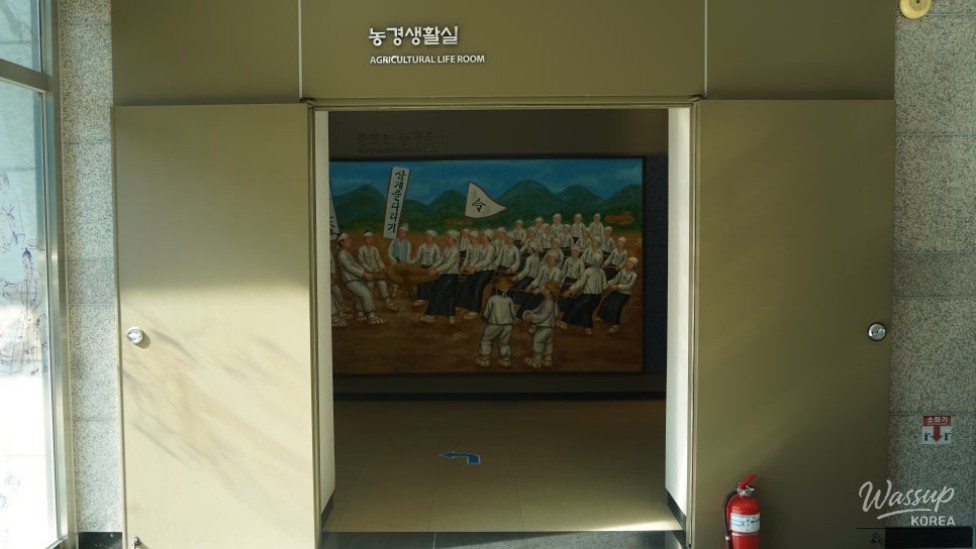
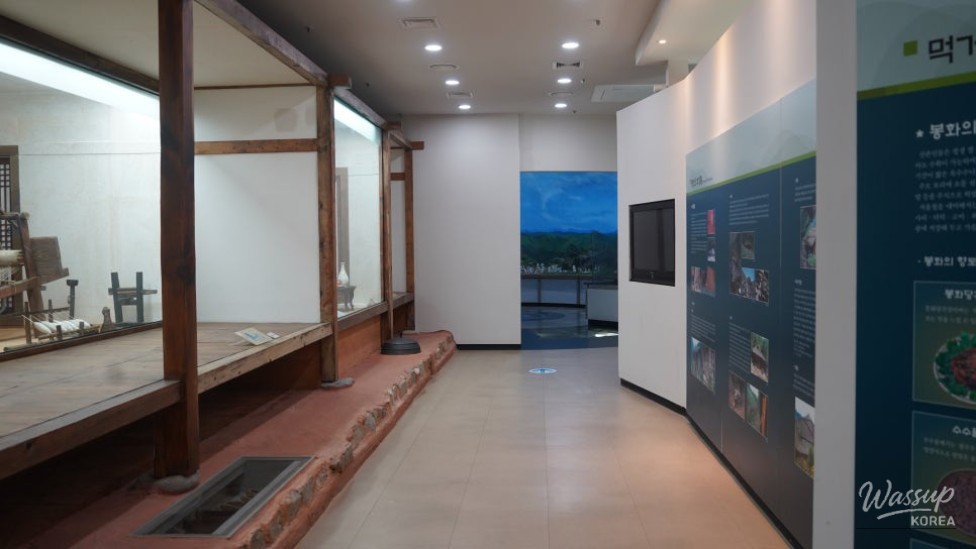
This is the entrance to the agricultural life hall.
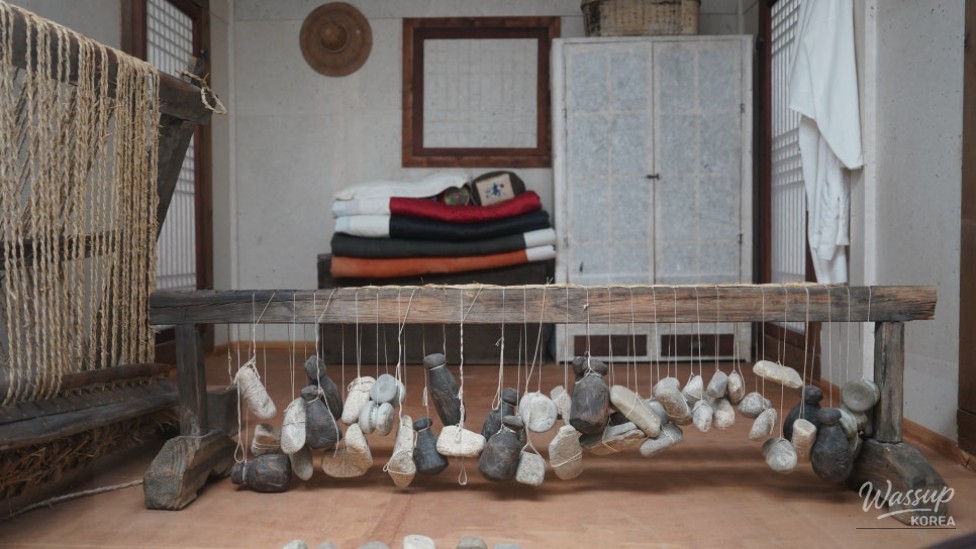
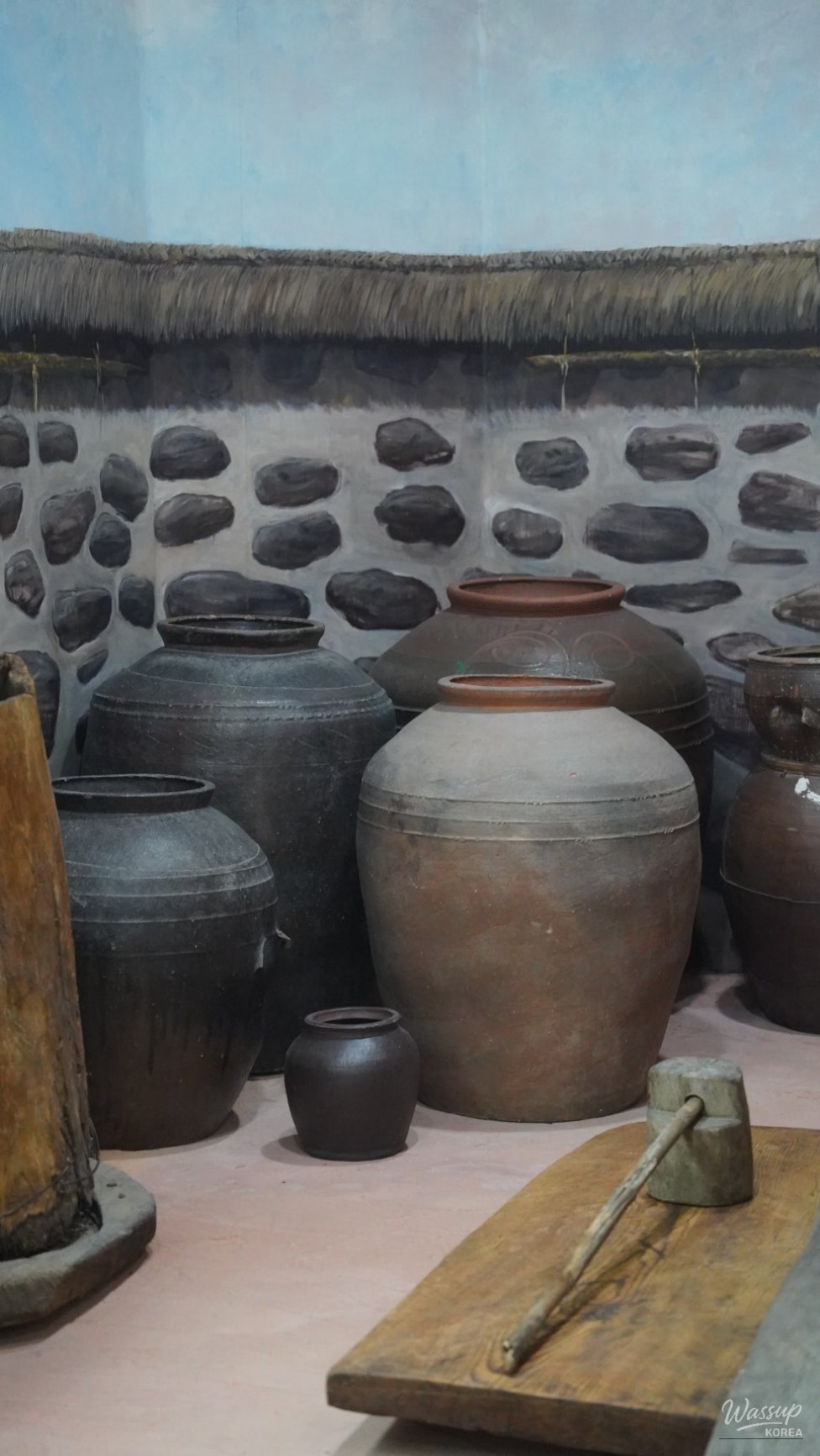
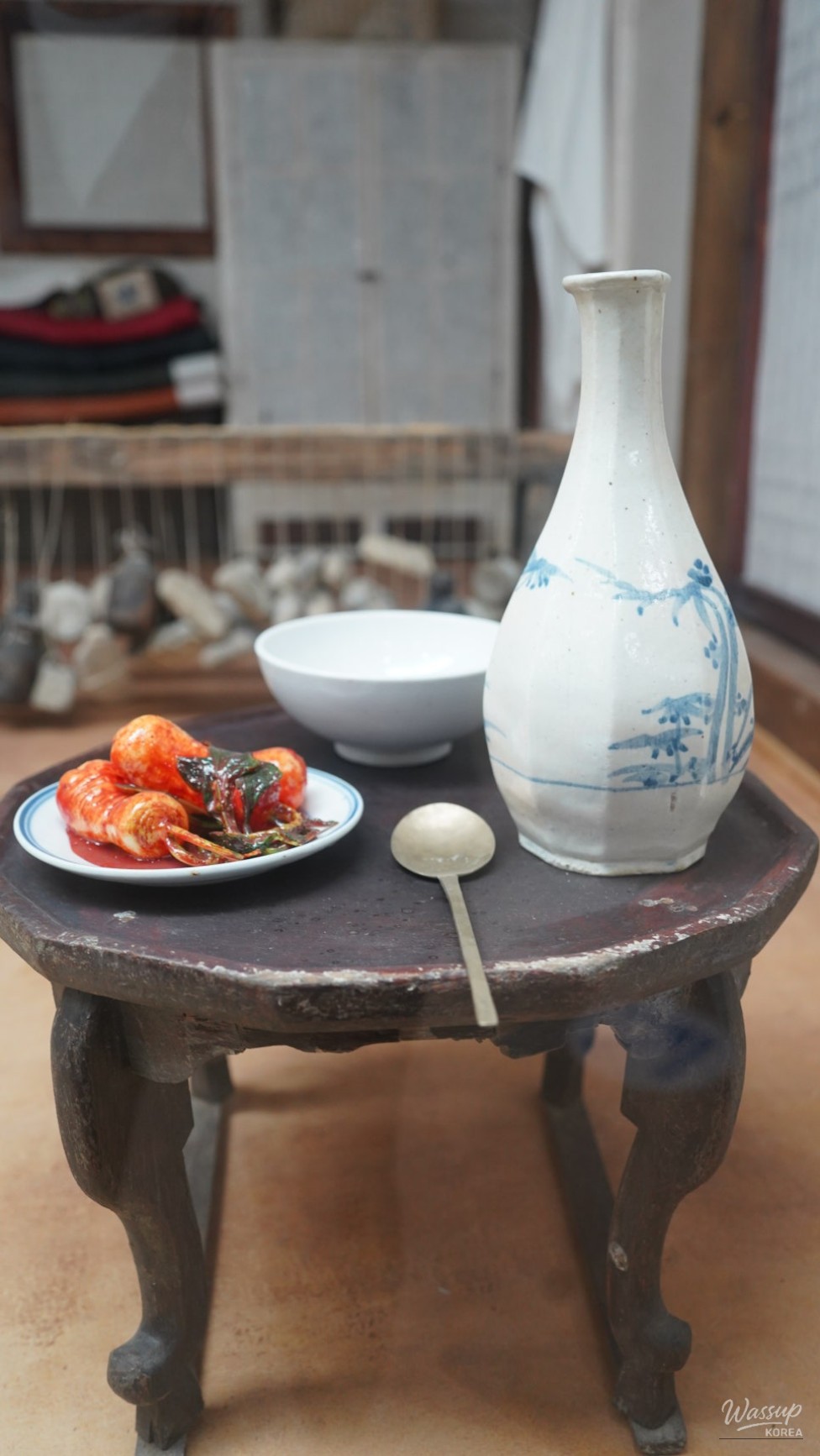
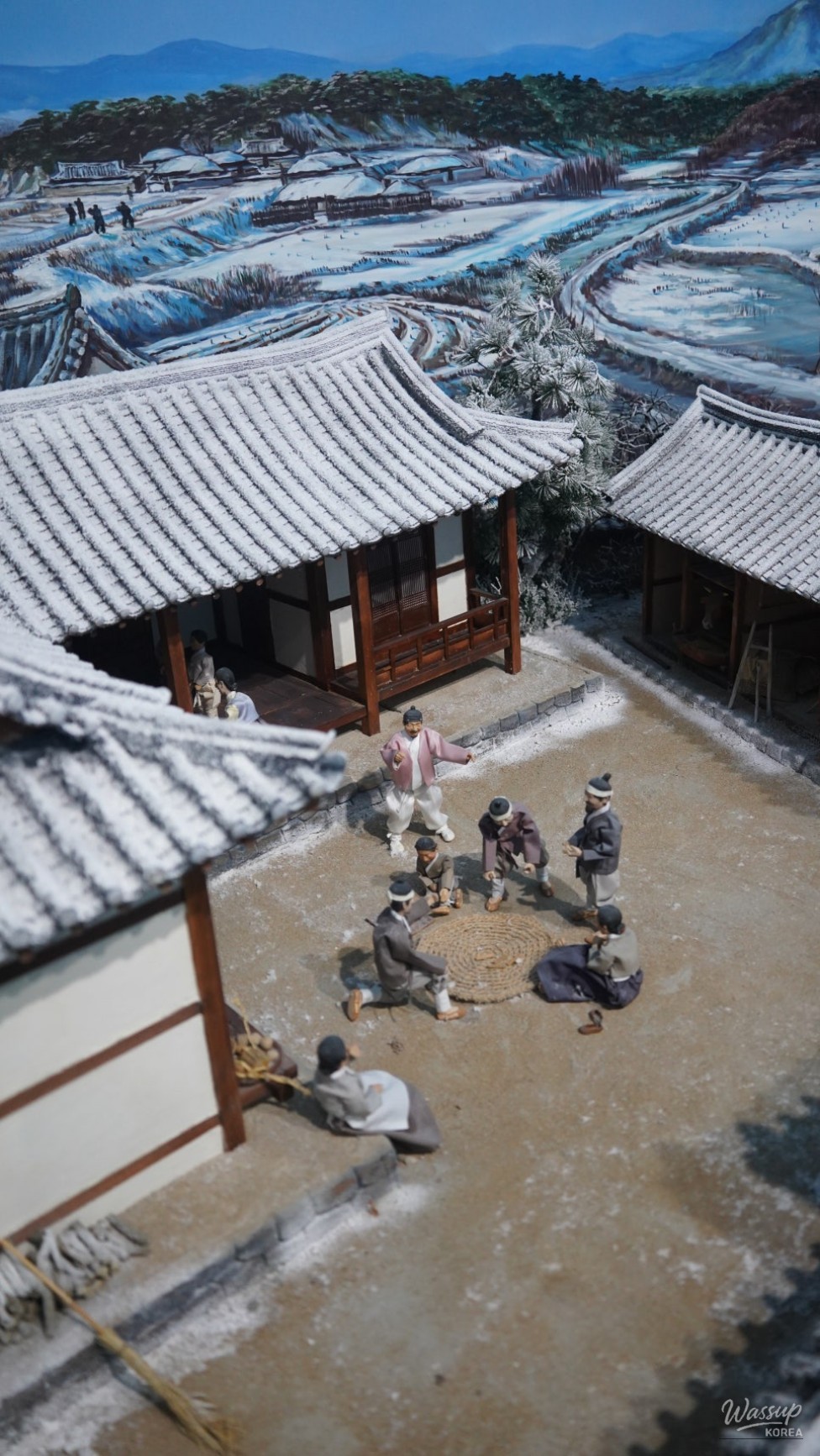
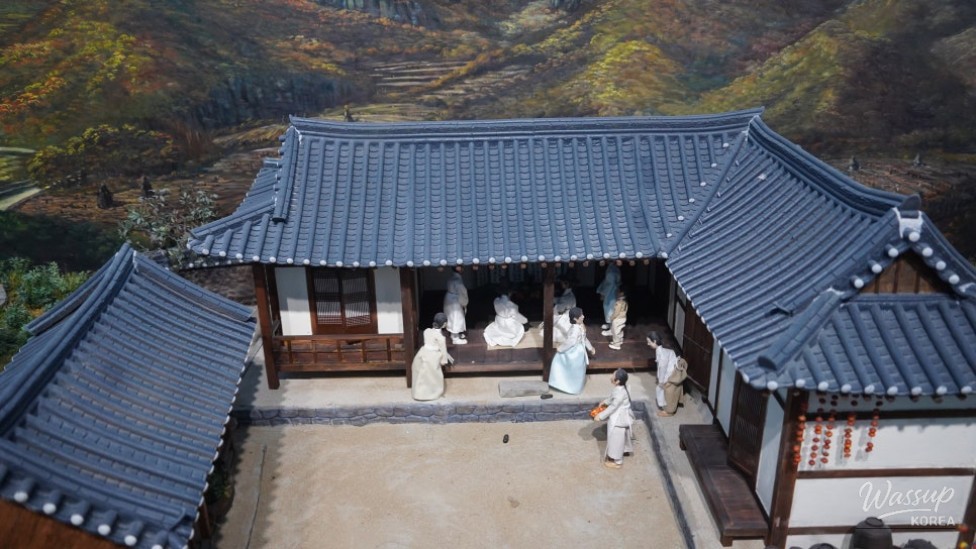
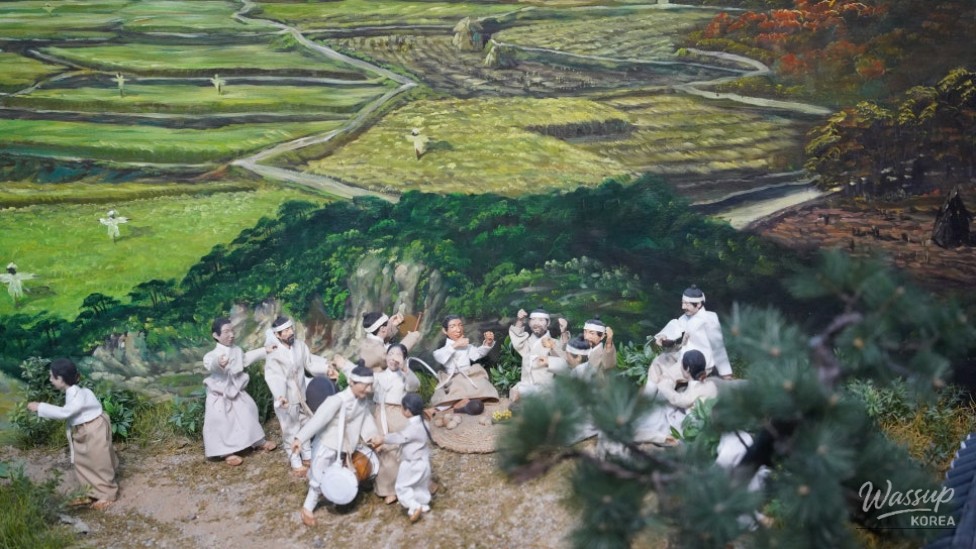
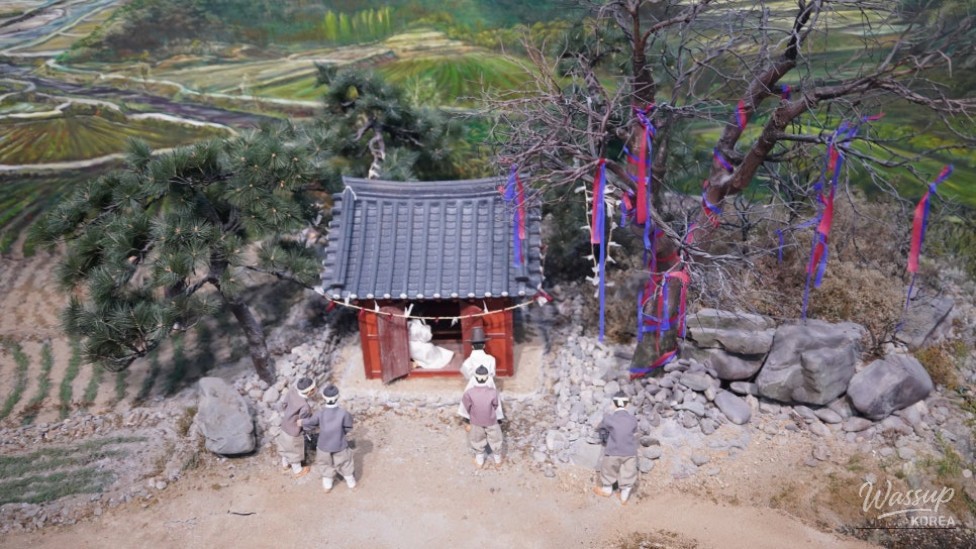
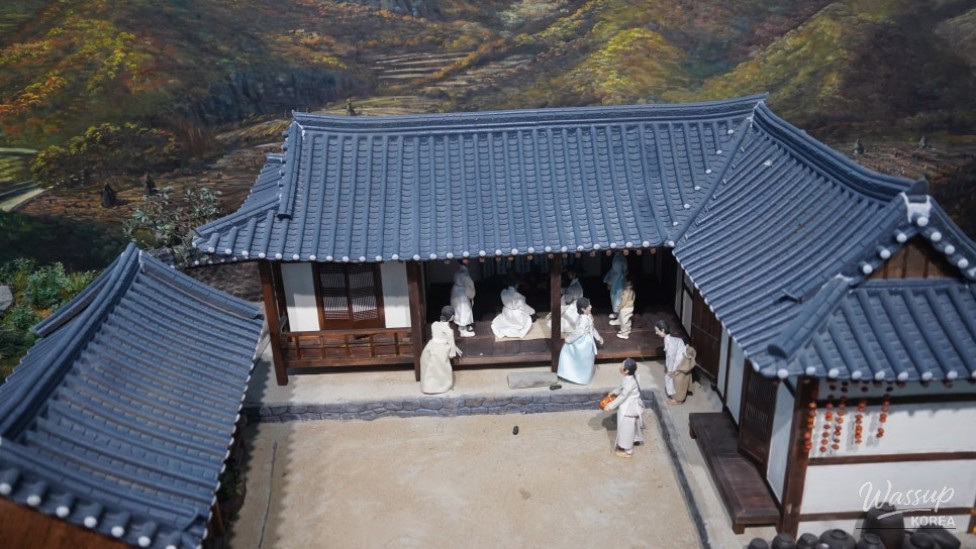
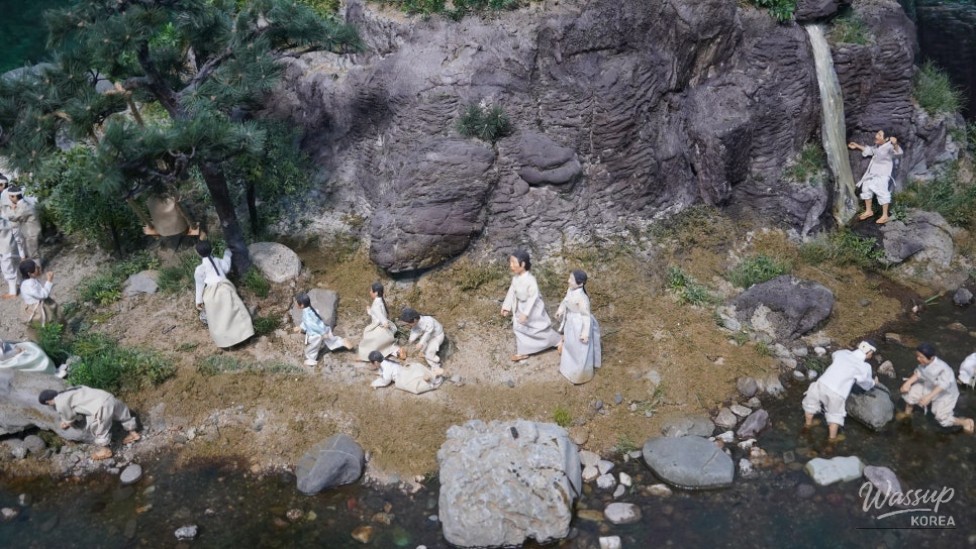
This place introduces the clothing, food, and housing of the people of Bonghwa, as well as seasonal customs and beliefs, in detail through various exhibition techniques such as dioramas and videos.
It is where you can get the most practical information at the Bonghwa Agricultural Culture Exhibition Hall.
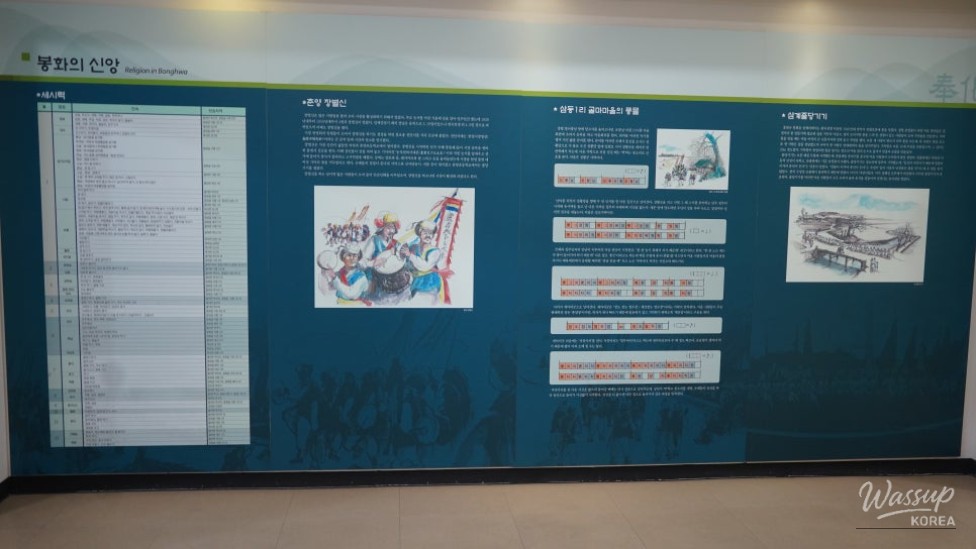
This is a panel exhibition about Bonghwa's clothing, shoemaking process, and beliefs.
Due to the characteristics of Bonghwa, a cold mountainous area, it can be seen that clothing for protection against the cold was developed.
In particular, through shoe artifacts such as straw shoes and wooden shoes, you can get a glimpse of the wisdom of the people of Bonghwa who had to travel through rough mountain roads.
The Bonghwa Agricultural Culture Exhibition Hall, which meticulously covers even clothing, is a great place to visit in Bonghwa.
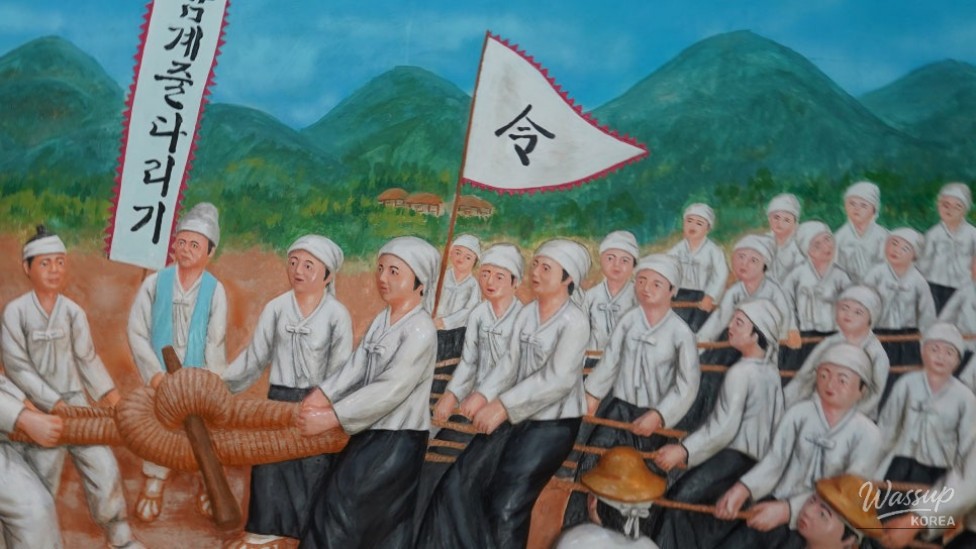
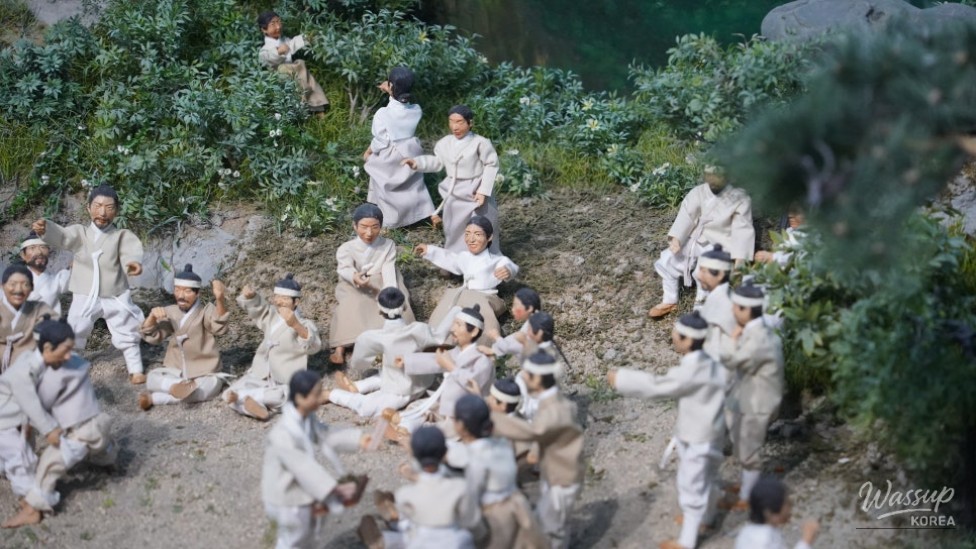
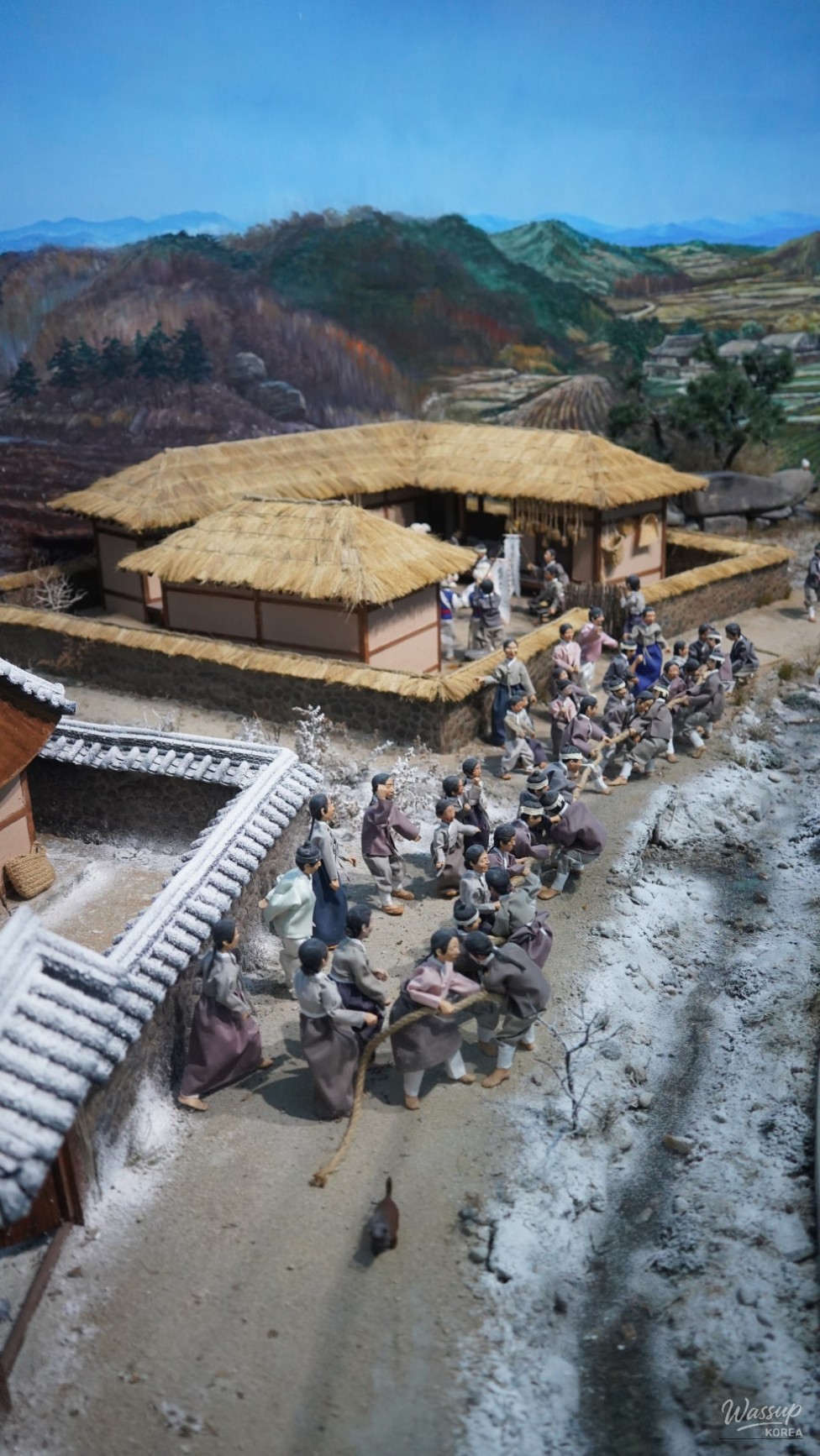
Among the exhibits on the theme of 'Bonghwa's agricultural culture', this is a sculpture depicting villagers working together in a tug-of-war.
Tug-of-war was an important village event held to pray for a good harvest.
As you can see from the flag 'Samgye Tug-of-War', there were unique customs in each region of Bonghwa.
This vibrant appearance makes the Bonghwa Agricultural Culture Exhibition Hall even richer.
The agricultural life hall of the Bonghwa Agricultural Culture Exhibition Hall goes beyond the daily lives of the people of Bonghwa to deeply show the culture and community spirit they created while living in harmony with nature.
From the unique clothing, food, and housing that bloomed in the mountainous environment, to the customs and beliefs to overcome the hard work of farming, everything is connected as one under the name of Bonghwa.
If you are looking for a place to visit in Bonghwa, why not experience the history and culture of Bonghwa directly through the Bonghwa Agricultural Culture Exhibition Hall and reflect on the value of our traditional agricultural culture?
Written and photographed by Song Hyun-kyung, 2025 Gyeongsangbuk-do SNS Supporter.
* This post was directly covered and written by the Gyeongsangbuk-do SNS Supporter, and was posted after confirmation by Gyeongsangbuk-do.







Source :https://blog.naver.com/gyeongbuk_official/224090210399
No comments yet.