Winter Preparedness: Protect Yourself from Cold-related Illnesses


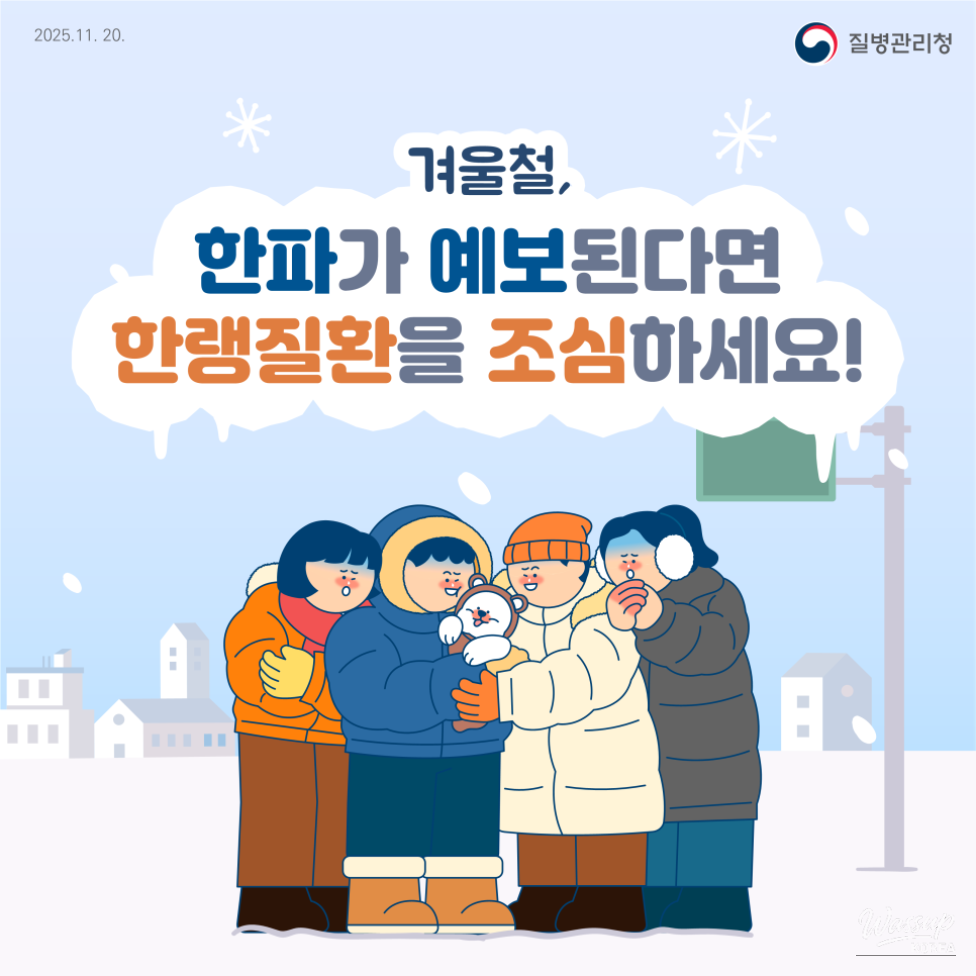
When a cold wave hits in winter, the cold can quickly turn from uncomfortable to dangerous. Prolonged exposure to low temperatures may lead to cold-related illnesses such as hypothermia and frostbite.
Understanding how these conditions occur and how to prevent them is essential, especially during severe cold spells.
Here is a practical guide to recognizing cold-related illnesses and protecting yourself and those around you throughout the winter season.
What Are Cold-Related Illnesses?
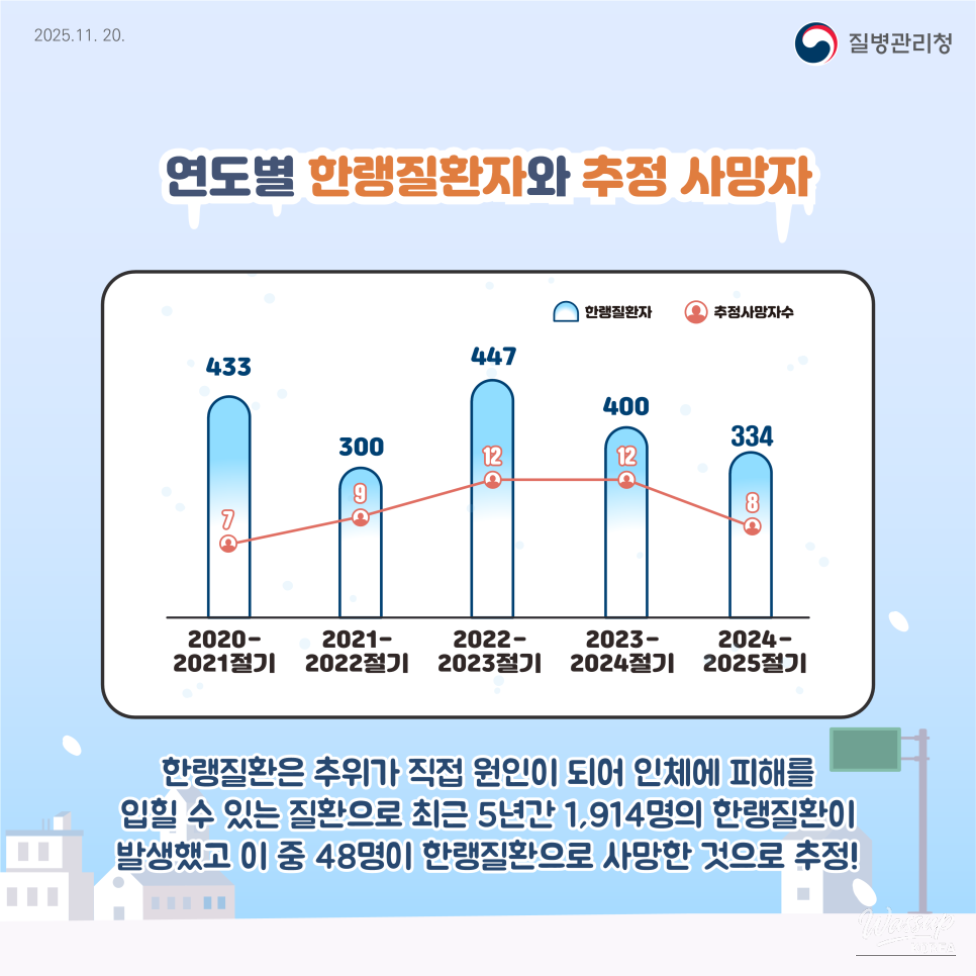
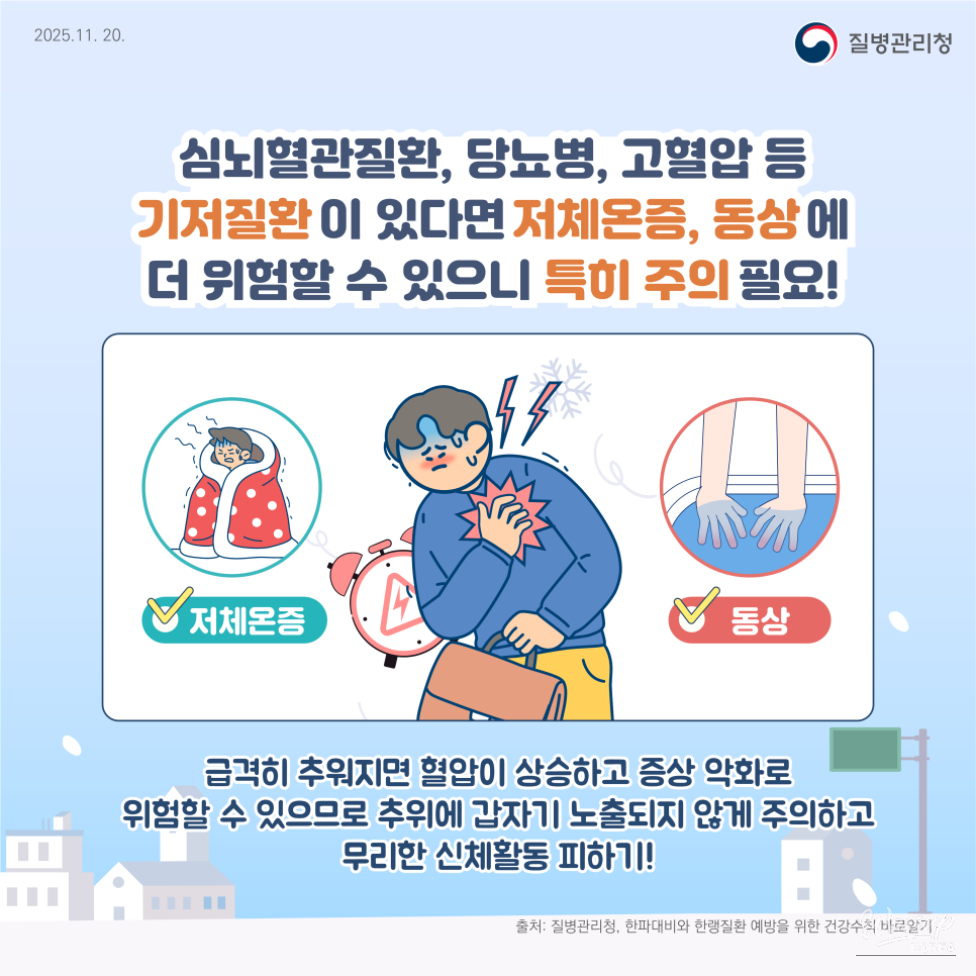
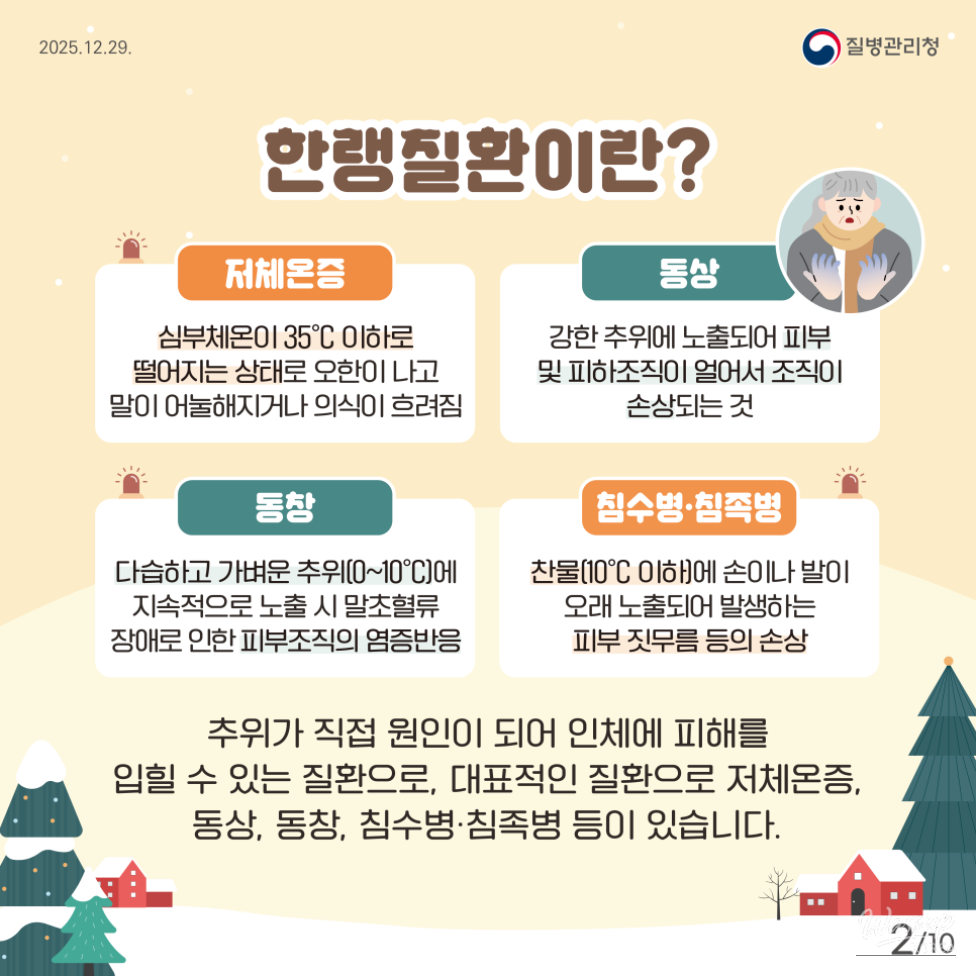
Cold-related illnesses occur when the body is exposed to low temperatures for extended periods. Common examples include hypothermia and frostbite.
These conditions can impair normal body functions and, if not addressed promptly, may become life-threatening.
Basic Prevention During Cold Waves
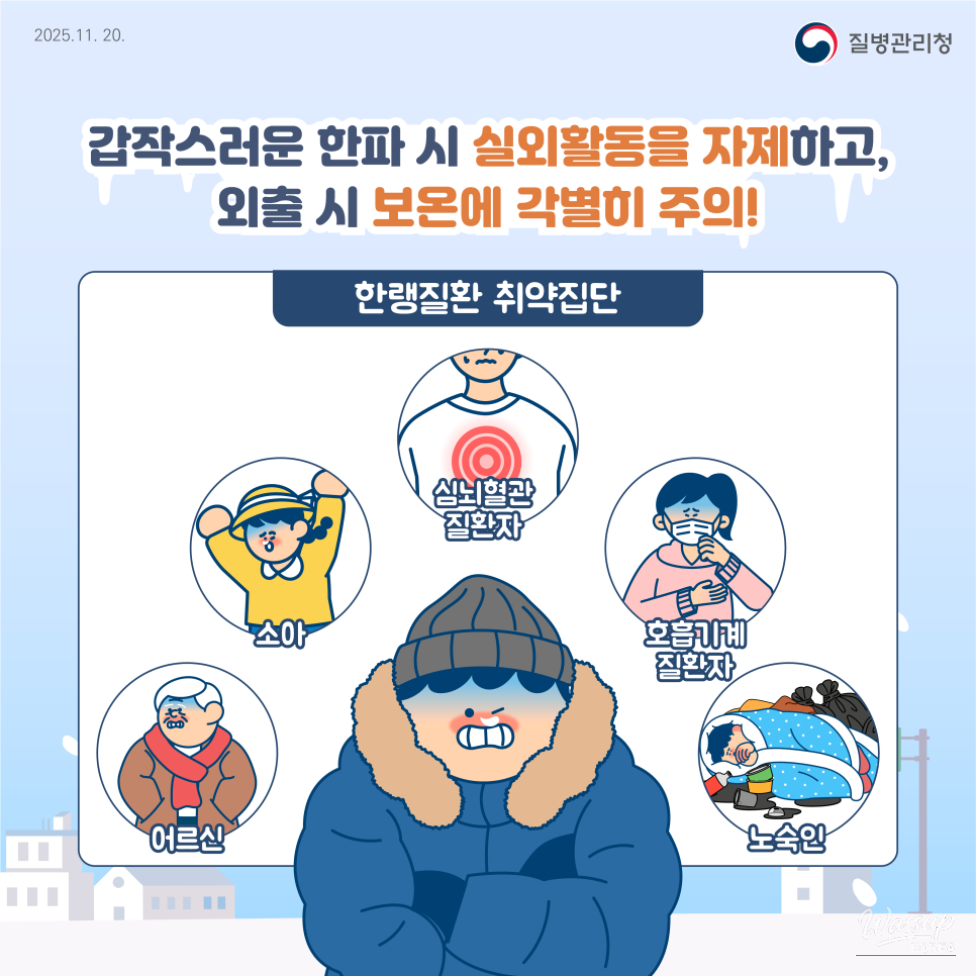
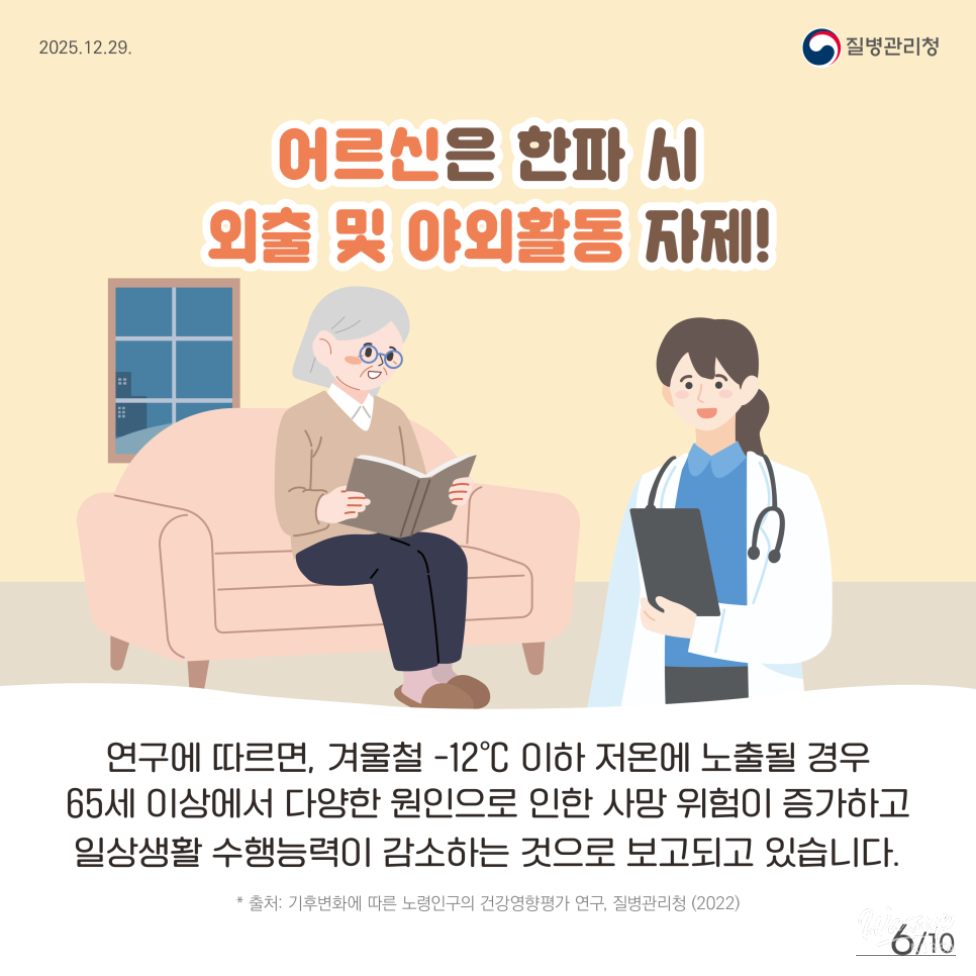
During extreme cold, avoiding unnecessary outdoor activities is the most effective form of prevention.
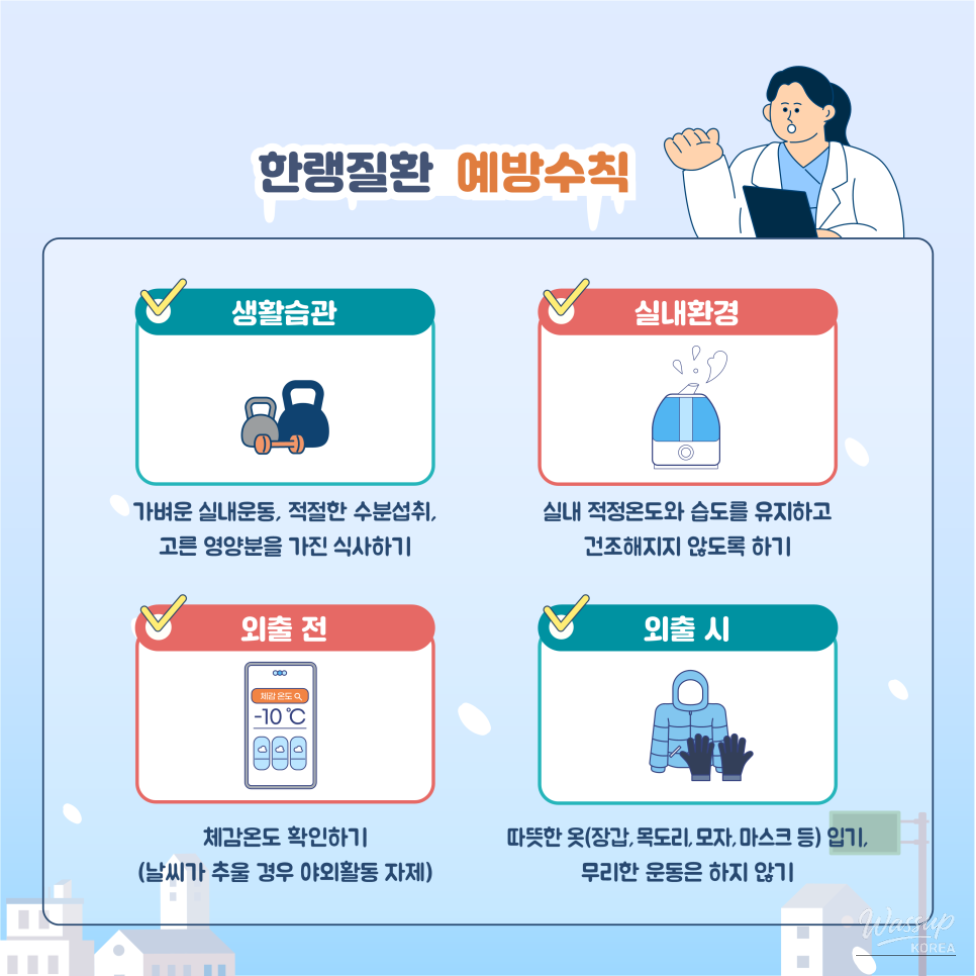
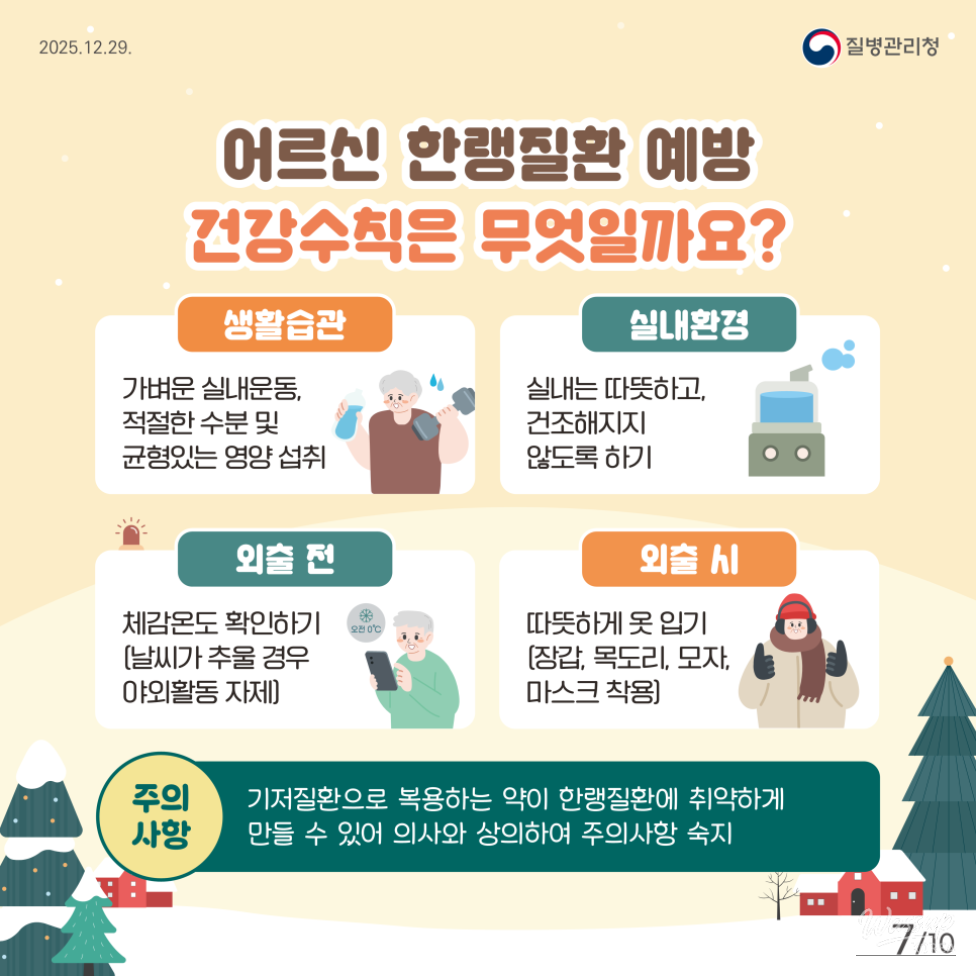
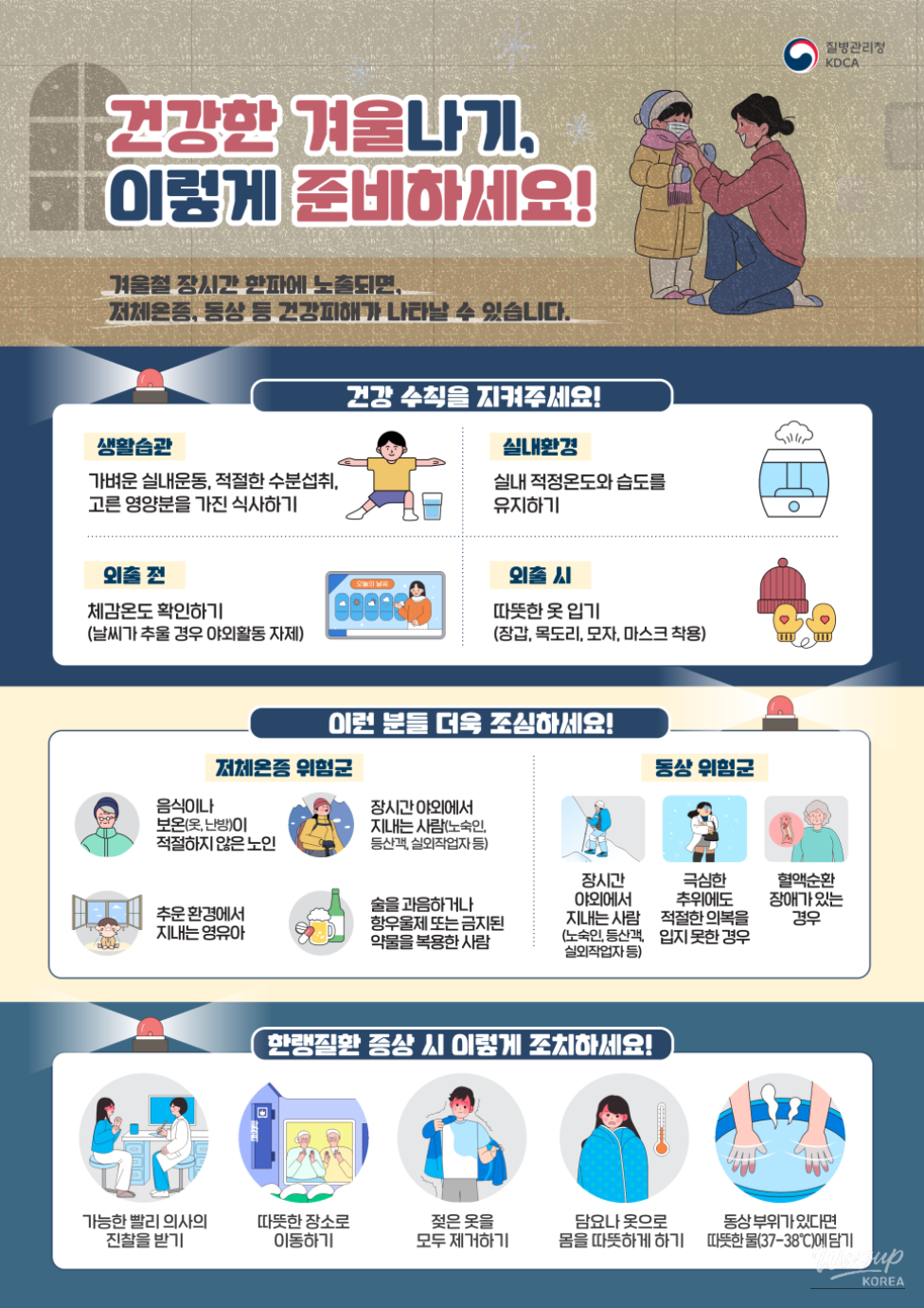
If going outside is unavoidable, wearing warm clothing such as hats, gloves, and scarves is essential.
Indoors, light stretching or movement helps maintain blood circulation, and staying hydrated remains important even when thirst is less noticeable.
Maintaining Body Temperature Effectively
Keeping body temperature stable is a key defense against cold-related illnesses.
Dressing in layers using thermal wear, knit clothing, and wind-blocking outerwear helps trap heat.
Because more than thirty percent of body heat can be lost through the head, hats are especially important.
If clothes become wet, changing immediately prevents rapid heat loss.
Safe Indoor Environment Management
Maintaining an indoor temperature between eighteen and twenty degrees Celsius helps prevent cold stress.
When using heaters, proper ventilation is necessary to avoid carbon monoxide poisoning.
Extra caution is needed when using electric blankets or stoves, as they may pose fire hazards if misused.
Nutrition and Hydration in Winter
Warm meals and soups help maintain internal body heat during cold weather.
Eating regular meals ensures sufficient energy levels to cope with low temperatures.
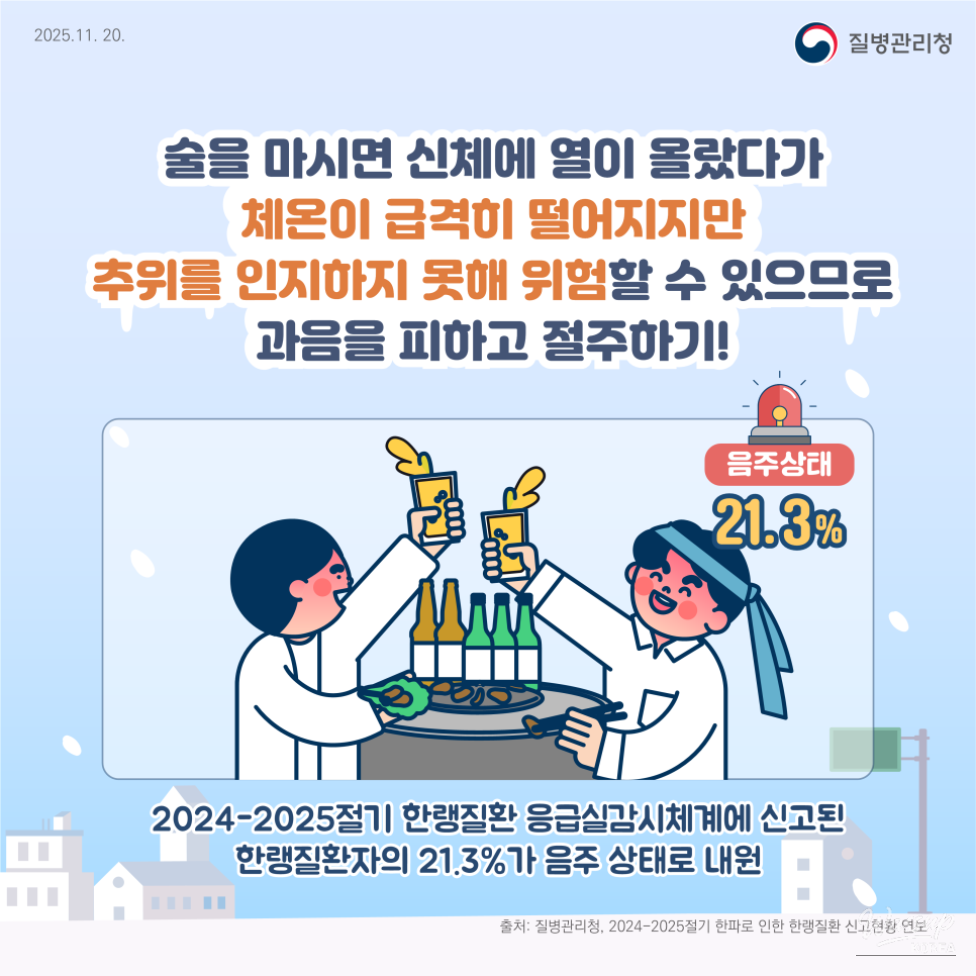
Even in winter, drinking water regularly is important, as dehydration can occur without obvious thirst.
Precautions During Outdoor Activities
Outdoor activity time should be shortened during extreme cold.
Activities that involve prolonged inactivity, such as fishing or long hikes, increase the risk of cold exposure.
Slippery roads and paths are common in winter, so wearing non-slip footwear reduces the risk of falls.
Recognizing Symptoms of Cold-Related Illnesses
Early recognition of symptoms is crucial.
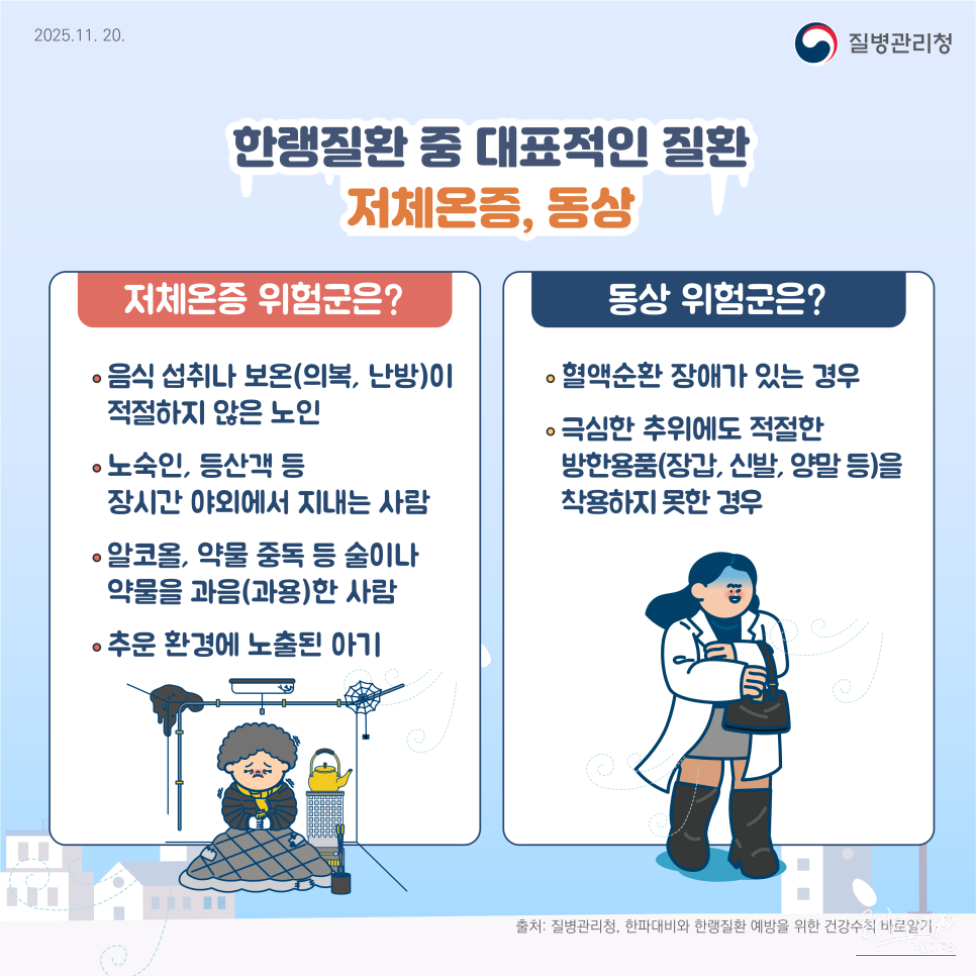
Signs of hypothermia include intense shivering, slurred speech, and reduced consciousness.
Frostbite may present as pale or numb skin, sometimes accompanied by blisters.
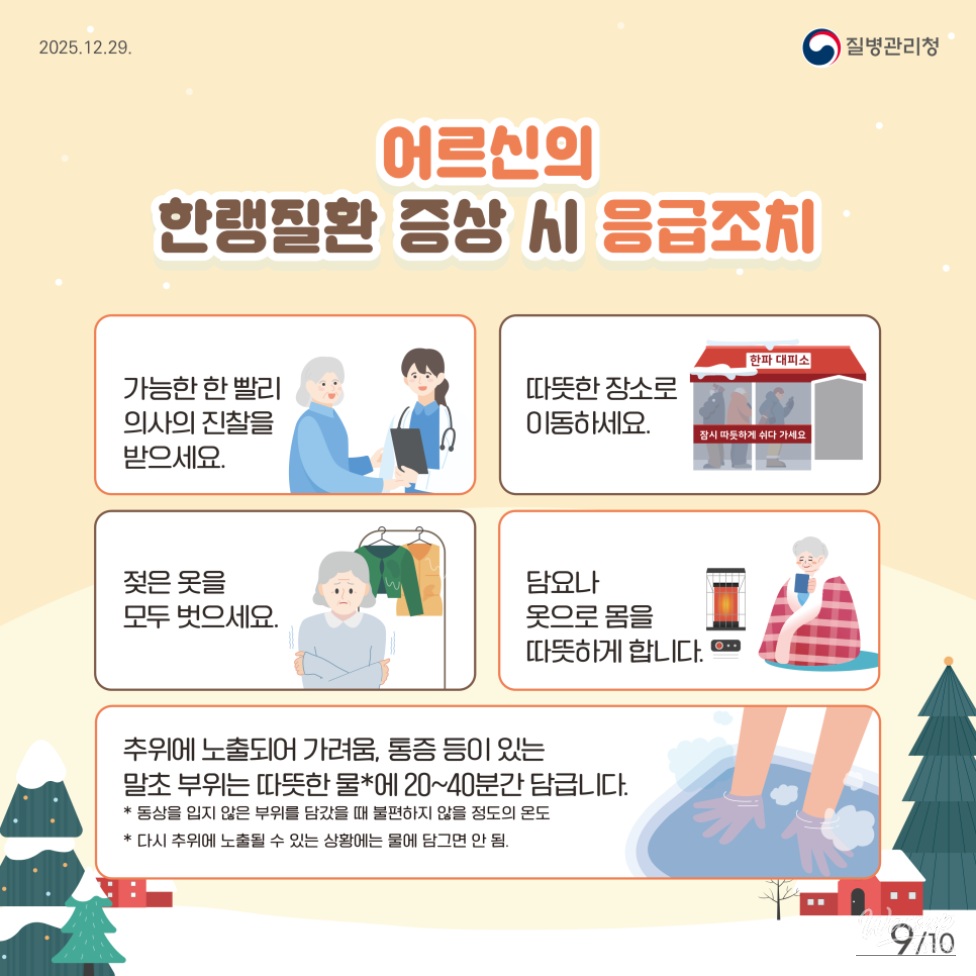
If symptoms appear, move to a warm place immediately, remove wet clothing, and seek medical care if symptoms are severe.
Special Care for Vulnerable Groups
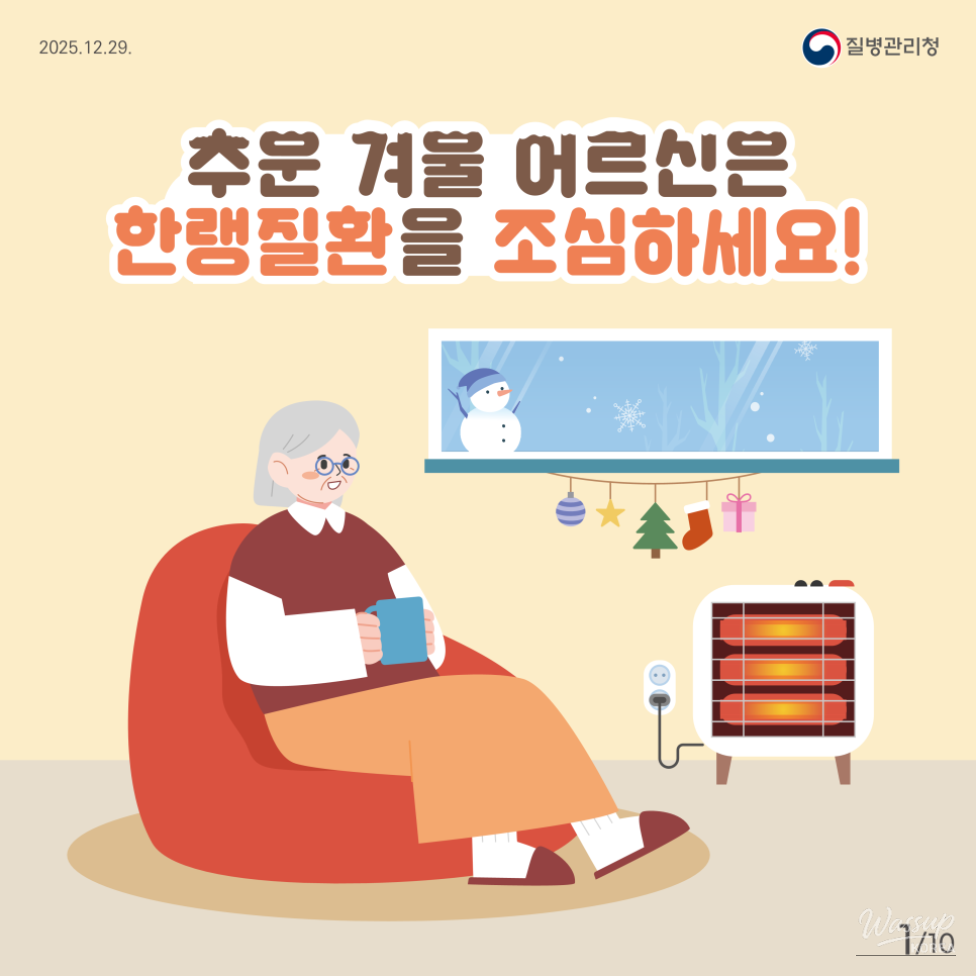
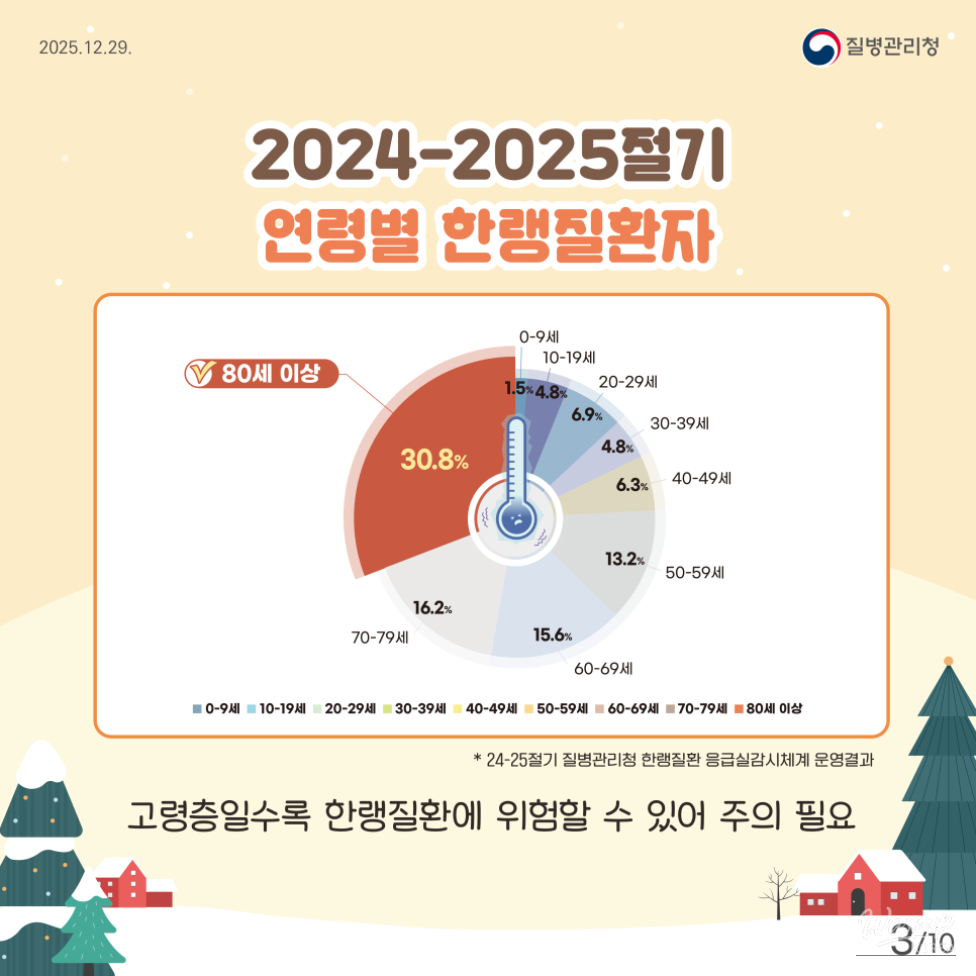
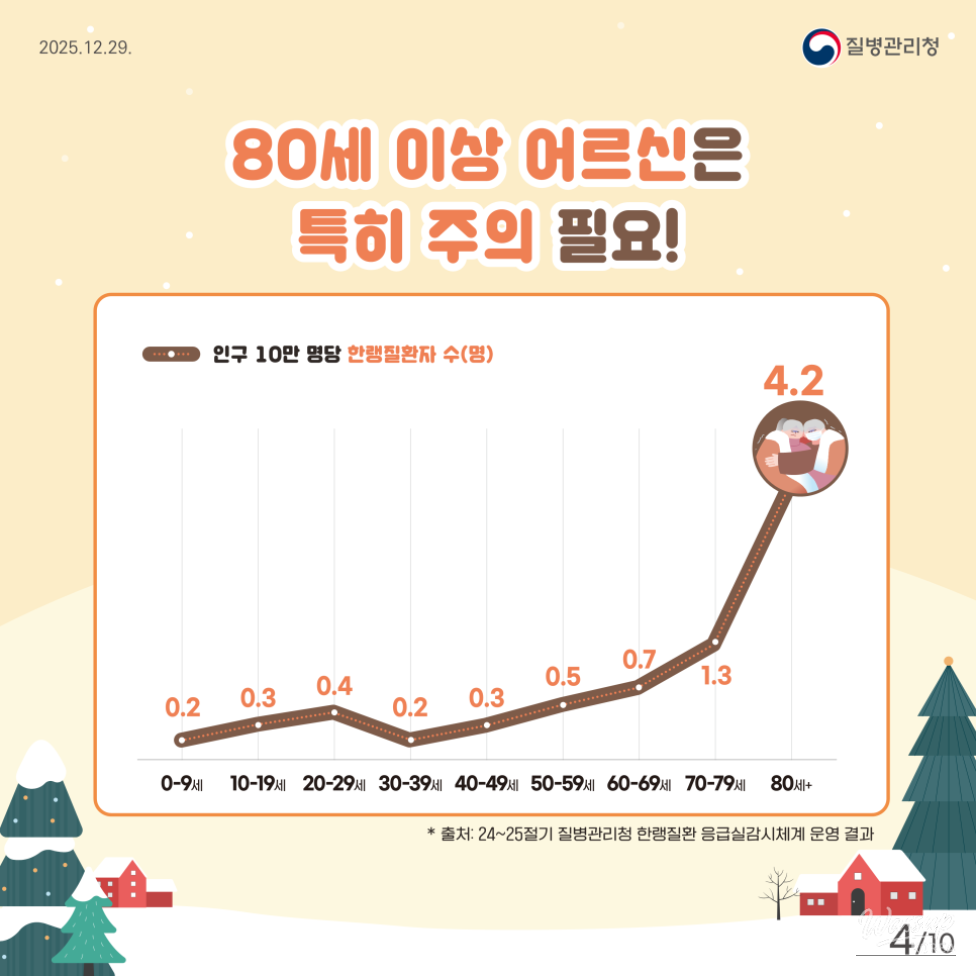
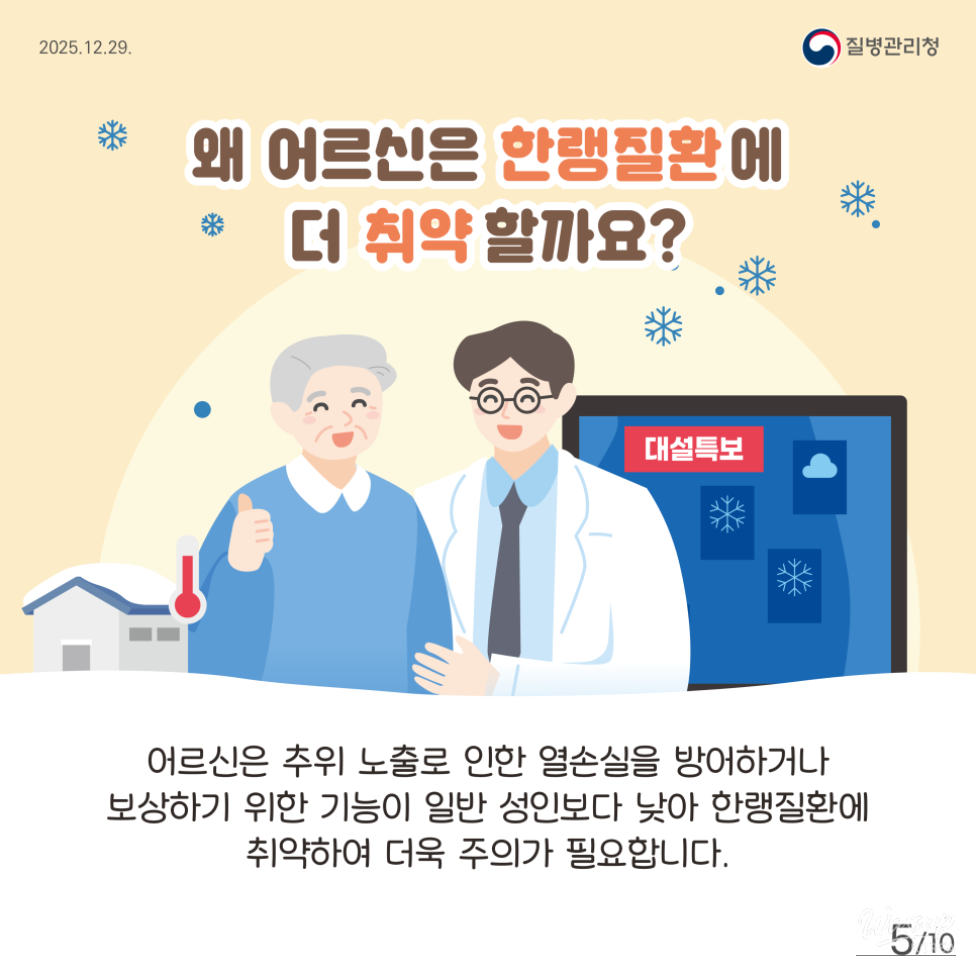
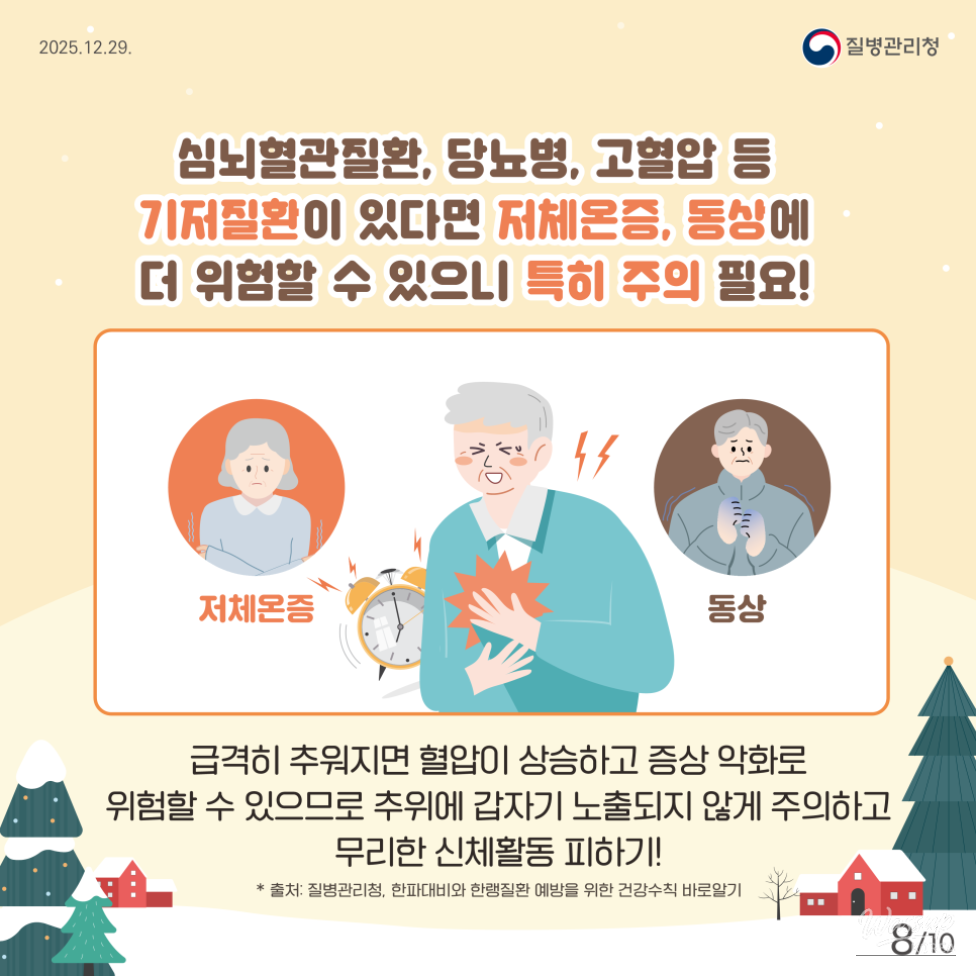
Elderly individuals, infants, people with chronic illnesses, and those without stable housing are especially vulnerable to cold-related illnesses.
Checking on neighbors and encouraging outings with companions can help reduce risks during cold waves.
Emergency Response for Cold Exposure
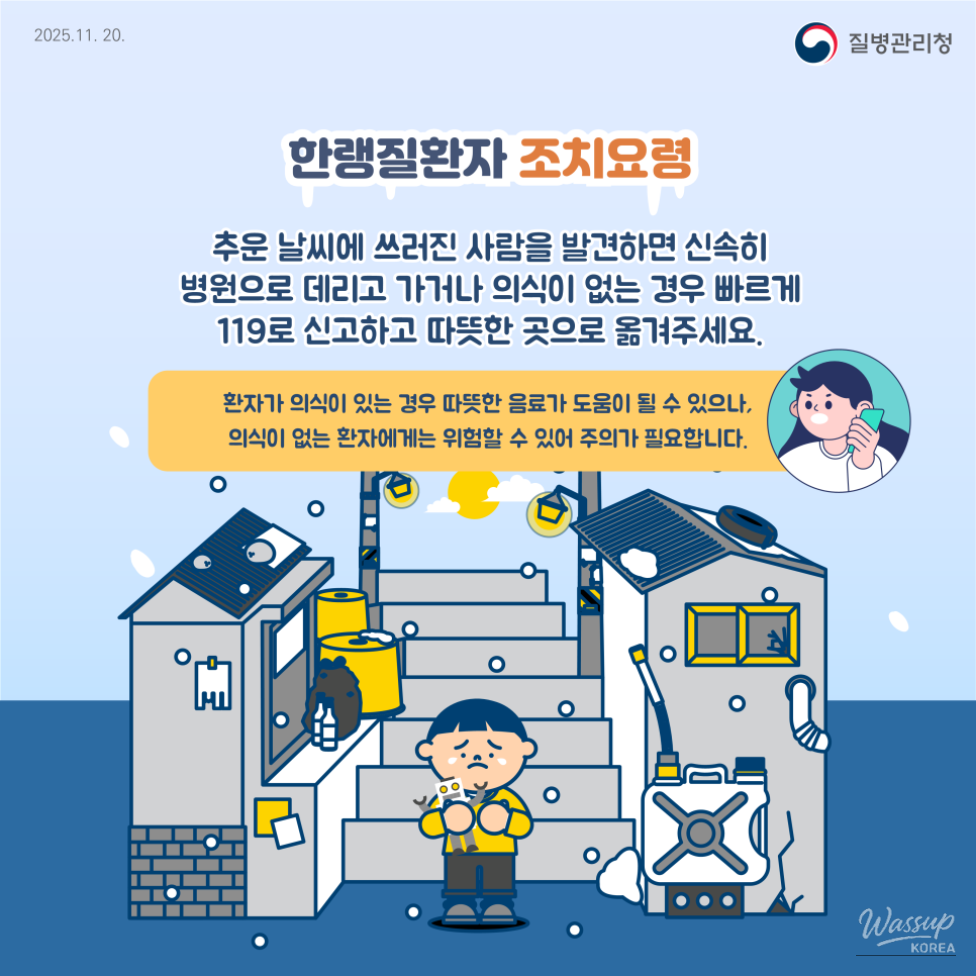
If cold-related illness is suspected, move the person to a warm environment immediately.
Use blankets or extra clothing to maintain body heat.
Medical attention should be sought promptly if symptoms persist or worsen.
Cold becomes dangerous when we let our guard down, but with proper preparation, winter can be faced safely and confidently.
No comments yet.