Stubborn Pigmentation: Understanding and Treating Refractory Skin Discoloration


Chang'an-dong Sageori Dermatology Clinic: What about stubborn pigmentation that is difficult to treat?
It's unsettling to discover new blemishes on your skin when you look in the mirror in the morning.
You might think, 'It'll fade away,' but often it persists or even darkens over time.
These stubborn spots, resistant to makeup, feel like unwelcome tenants refusing to leave your skin.
Among these pigmentations, those particularly resistant to fading are called 'refractory pigmentation'.
More than a mere cosmetic concern, it involves a complex interplay of skin resilience, UV exposure, lifestyle factors, making management challenging.
What types of refractory pigmentation exist?
Not all pigmentations are the same.
While we commonly think of freckles and melasma, refractory pigmentation includes more persistent and complex types.
Examples include melasma, post-inflammatory hyperpigmentation, nevus of Ota, and Becker's nevus.
Melasma typically appears on the cheeks, forehead, and around the cheekbones, often triggered by hormonal changes, UV exposure, and genetics.
Post-inflammatory hyperpigmentation occurs after acne, burns, or wounds heal, leaving brown or dark brown spots.
Nevus of Ota manifests as bluish or brownish spots around the eyes or cheeks, and can be congenital or become more noticeable during adolescence.
Becker's nevus usually presents as a dark brown patch with hair on the shoulder or upper arm.
As such, refractory pigmentation varies in cause and form, requiring tailored treatment approaches at Chang'an-dong Sageori Dermatology Clinic.
Why is treatment so difficult?
Refractory pigmentation isn't just a matter of 'color appearing' on the skin.
Pigment cells often reside deep within the skin, even reaching the dermis, making superficial treatments ineffective.
Furthermore, pigment cells can be sensitive to irritation, causing the pigmentation to darken with overly aggressive treatments. This is also known as rebound phenomenon.
This is called a 'rebound effect,' where the pigmentation recurs or worsens, like suppressed anger suddenly exploding.
In the case of melasma, hormonal influences and UV exposure act simultaneously, requiring lifestyle and environmental adjustments for lasting treatment results.
This is why consistency and meticulous care are paramount when seeking treatment at Chang'an-dong Sageori Dermatology Clinic for these pigmentary disorders.
Why laser treatment can help?
Refractory pigmentation often exceeds the capabilities of regular cosmetics or mild treatments.
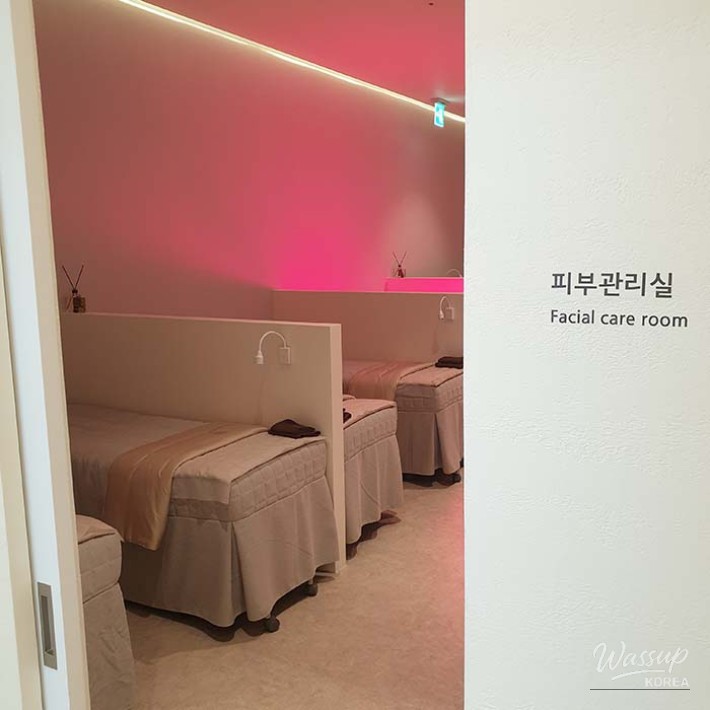
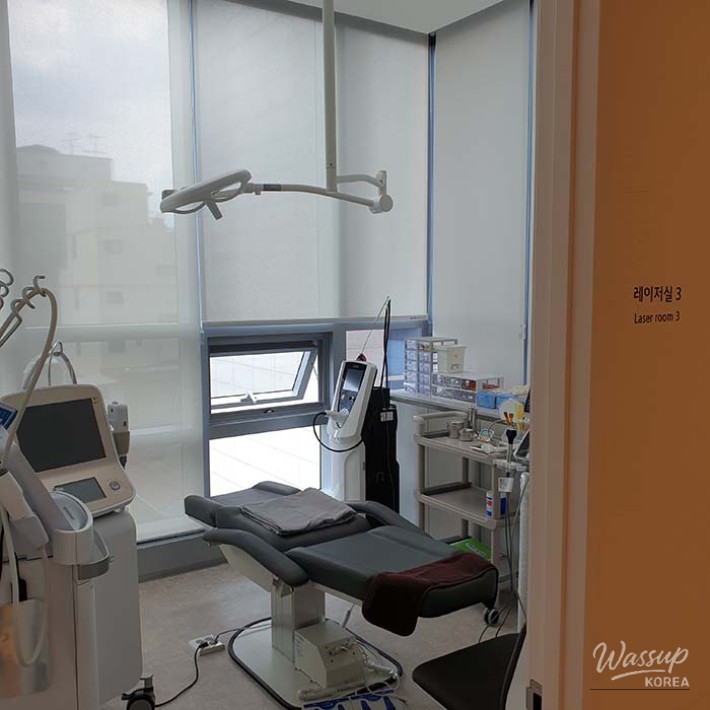
Laser treatment at Chang'an-dong Sageori Dermatology Clinic uses specific light wavelengths to break down pigment particles, facilitating their removal through the body's natural metabolic processes.
It can target pigments in both the epidermis and dermis, enabling deeper management than other methods.
It also stimulates skin regeneration, reducing pigmentation and positively impacting skin texture and tone.
However, it’s not a one-time solution. The intensity and frequency are adjusted gradually based on skin condition, which is the key of the treatment. Minimizing skin irritation during this process is also crucial.
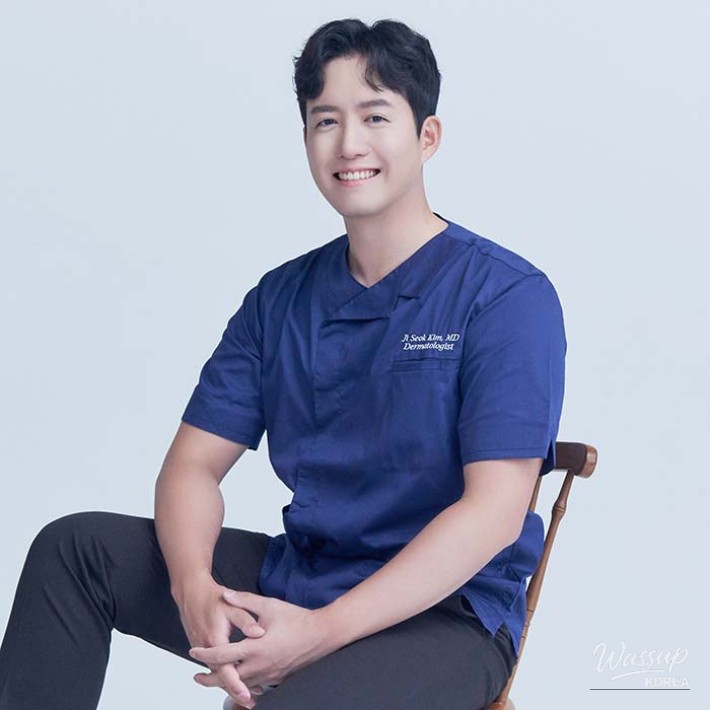
Why is a highly skilled medical staff important?
Even with the same laser equipment, results vary significantly based on the operator's expertise.
Refractory pigmentation can easily recur or worsen, requiring a keen eye to accurately assess skin structure and pigment depth.
Laser wavelength, exposure time, intensity, and treatment intervals must be precisely tailored to the skin's condition.
This isn't just about pressing buttons; it's about interpreting the 'language' of the skin and pigmentation through experience.
Chang'an-dong Sageori Dermatology Clinic, with more experience with many cases, can more likely not miss subtle skin reactions and produce effective results without undesirable irritation.
The more cases that Chang'an-dong Sageori Dermatology Clinic medical staff have encountered, the more likely they are to not miss subtle skin reactions and produce effective results without undesirable irritation.
In short, successful refractory pigmentation treatment requires a balanced combination of equipment and expertise.
Rewriting the skin's timeline
Pigmentation develops quickly but fades slowly.
Refractory pigmentation is more of a 'marathon' than a 'sprint'.
It's crucial to align with your skin's pace and maintain consistent care rather than resorting to hasty, aggressive methods.
Combine lifestyle adjustments, sun protection, and, when necessary, treatments at Chang'an-dong Sageori Dermatology Clinic for a step-by-step approach.
The day the blemishes in the mirror gradually fade, your skin and your mind will feel lighter.
The process of awaiting skin changes can be surprisingly rewarding.

Chang'an-dong Sageori Dermatology Clinic: What about stubborn pigmentation that is difficult to treat?
What types of refractory pigmentation exist?
Why is treatment so difficult?
Why laser treatment can help?
Why is a highly skilled medical staff important?
Rewriting the skin's timeline
No comments yet.