The Untold History of Daejeonsan Mountain



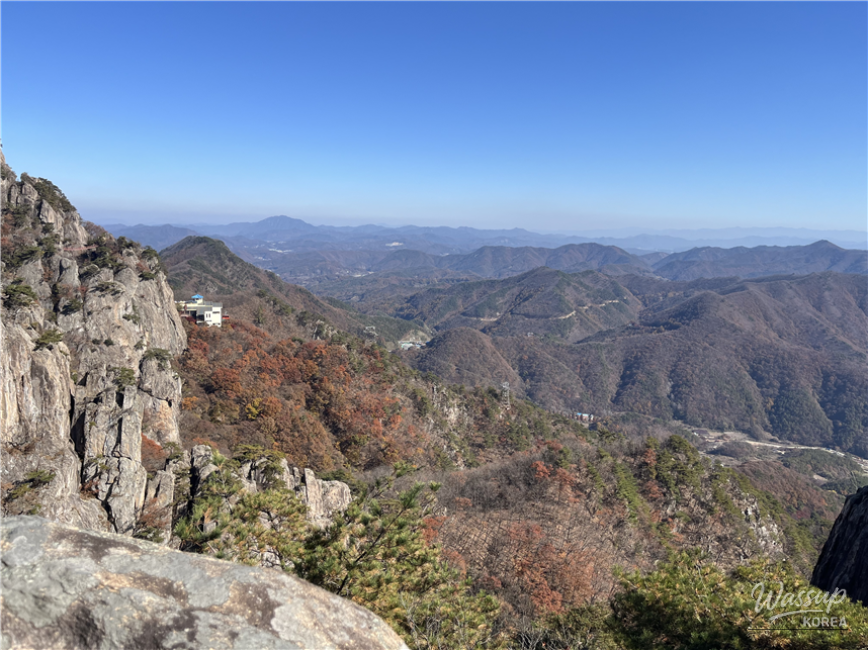
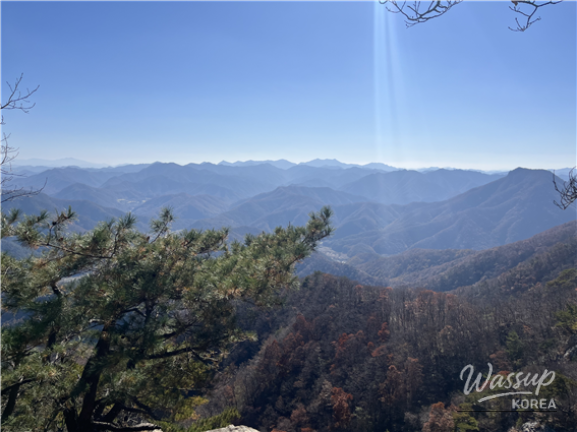
What comes to mind when you think of Daejeonsan Mountain? Many people may first envision its breathtaking cliffs and cloud bridge, often referred to as the Geumgangsan of Honam. However, this mountain harbors a lesser-known history. It was the site of the 'final stronghold' where the Donghak Peasant Army resisted to the end, dreaming of equality over 130 years ago.
In early winter of 1894, after their defeat at the Ugeumchi battle in Gongju, the peasant army scattered to evade pursuit by government troops and the Japanese army. Yet, some factions did not give up. Led by Choi Gong-woo from Gosan, the peasant army gathered in the rugged Daejeonsan Mountain and fiercely resisted for over 70 days, from mid-December 1894 to February of the following year.
Even in an era with heating, they endured the bitter winter cold, holding their ground with nothing but their convictions. They chose a location atop the steep Mireuk Rock, standing at an elevation of 720 meters. This massive rock, towering 150 meters high, served as a fortress where 'one person could hold off ten thousand.'
About 50 members of the peasant army defended this position armed with matchlocks seized from the government office. Since Daejeonsan was under the jurisdiction of Yeonsan-gun in Chungcheong Province, the provincial government decided to send troops on February 3, 1895. However, the peasant army's resistance was not easily broken. They rolled large stones and logs down the cliffs to block the approaching government troops, preventing even modern weaponry from making progress. Thanks to this, they successfully repelled four major assaults.
Tragedy struck on February 18, 1895, when the situation changed with the arrival of the Japanese army. They launched a surprise attack from three sides, and their unexpected tactic of using human ladders to scale the northern cliffs led to the peasant army's stronghold being overrun in just 20 minutes, resulting in the deaths of about 20 peasant soldiers on the spot.
The recorded account of that day is tragic. According to Japanese records, most of the casualties were leaders of the peasant army. A pregnant woman in her twenties lost her life to gunfire, and leader Kim Seok-soon jumped off the 150-meter cliff holding her one-year-old daughter, meeting a heroic end. Only a young boy was recorded as the sole survivor, bearing witness to the horror of that day.
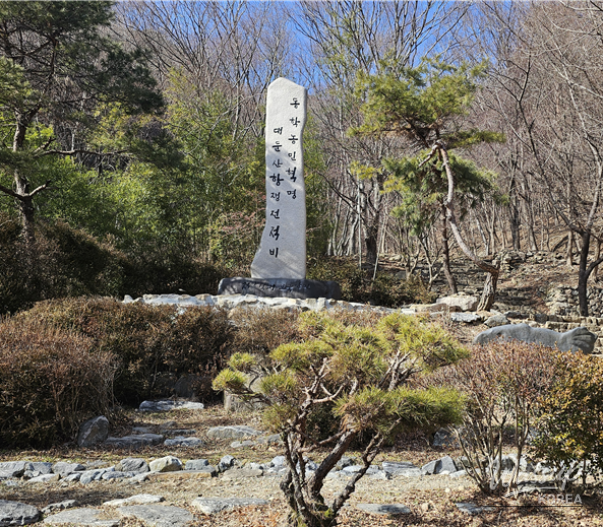
Although the Daejeonsan struggle ended in tragedy, it represented a noble sacrifice that kept the flickering flame of the peasant revolution alive until the end. Rediscovered through a survey in 1999, this historic site is now designated as a cultural monument in Jeonbuk Province, honoring its significance.
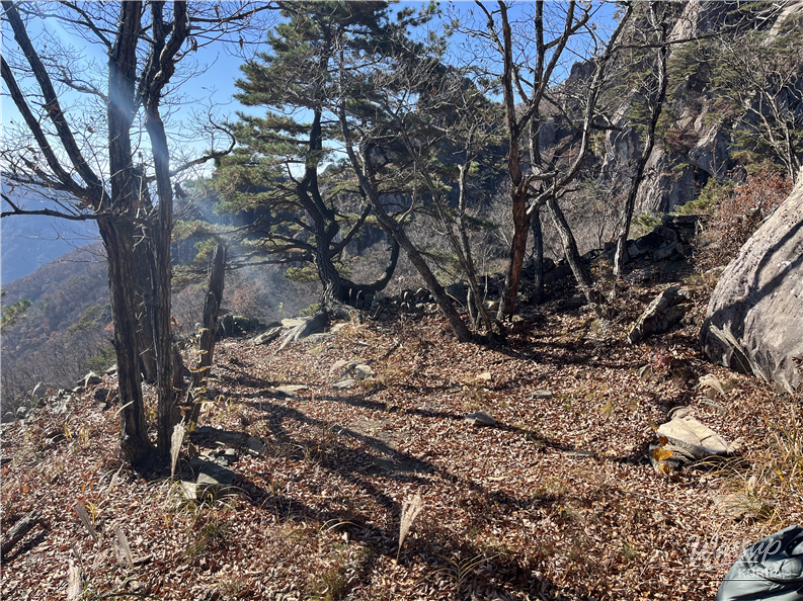
Next time you visit Daejeonsan, take a moment to gaze at Mireuk Rock, which silently stands beyond the splendid scenery. If you remember that this beautiful path was once the last passage toward a 'new world' longed for by many, the sound of the wind in Daejeonsan may resonate differently. The history of the great struggles dreamed of by ordinary farmers still breathes in the area of Daejeonsan. When you visit, please also reflect on this history that remains amidst the beautiful landscape.





Source :https://blog.naver.com/wanjugun/224243232805
No comments yet.