Gyeongbokgung Palace: A Winter Wonderland in Seoul
161 Sajik-ro, Jongno-gu, Seoul
경복궁


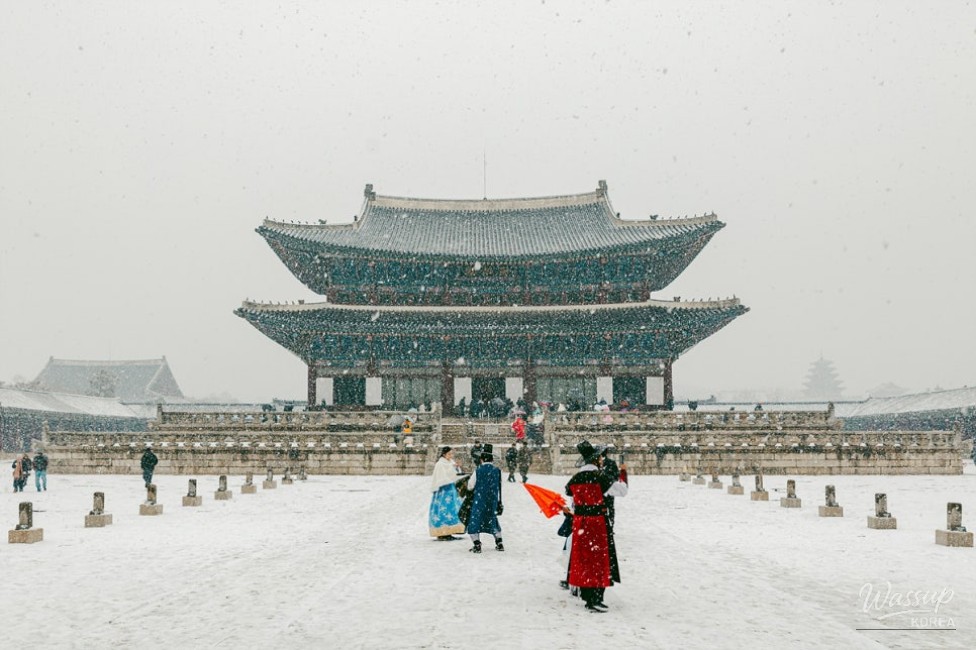
On snowy days, Seoul reveals a completely different charm, and Gyeongbokgung Palace is one of the places where that transformation feels most striking. Surrounded by modern city life, the palace becomes calm and timeless under a blanket of snow.
The snow resting on the tiled roofs, wide courtyards, and historic structures enhances the architectural beauty of the Joseon Dynasty. Walking through the palace grounds in winter feels both peaceful and immersive.
With its excellent accessibility, clear pathways, and well-maintained facilities, Gyeongbokgung is a place that anyone can enjoy comfortably, even during the colder months.
A Winter View of Gyeongbokgung Palace(경복궁)
When snow begins to fall, Gyeongbokgung Palace takes on a majestic and almost unreal appearance. The contrast between white snow and dark tiled roofs highlights the palace’s traditional design.
The quiet courtyards and surrounding walls create a sense of calm that feels far removed from the busy streets just outside the gates. It is easy to forget you are in the center of Seoul.

Snow and Traditional Architecture
The snowfall enhances the palace’s spatial balance, emphasizing open courtyards, layered rooftops, and wooden structures. Every corner feels carefully framed, making winter an ideal season for appreciating details.
The stillness of the season allows visitors to focus on the design and atmosphere rather than crowds, offering a slower and more reflective experience.
Historical Background of Gyeongbokgung
Gyeongbokgung was first built in 1395 during the reign of King Taejo and served as the main royal palace of the Joseon Dynasty. It stood at the political and ceremonial center of the capital.
Although the palace suffered extensive damage during the Imjin War, it was rebuilt in 1867 under King Gojong. Many of its most iconic structures date back to this restoration period.
Key Structures and Layout
Major landmarks such as Gwanghwamun Gate, Geunjeongjeon Hall, and Gyeonghoeru Pavilion define the palace’s grand scale and symbolic layout.
With Bukaksan Mountain as a backdrop, the palace was designed to reflect harmony between architecture and nature, a quality that becomes even more apparent in winter.
Visitor Information and Accessibility
Address: 161 Sajik-ro, Jongno-gu, Seoul.
Operating hours vary by season, generally opening from 9:00 AM and closing between 5:00 PM and 6:30 PM. The palace is closed every Tuesday.
Admission is affordable, with free entry for youth, seniors, visitors wearing hanbok, and eligible groups such as people with disabilities and veterans.
Comfortable Visit for Everyone
Gyeongbokgung is equipped with ramps and accessible pathways, making it easy to visit with wheelchairs or strollers.
Clear signage and spacious grounds help ensure a relaxed visit, even during peak seasons or snowy weather.
Why Gyeongbokgung Is Worth Visiting in Winter
Winter offers a unique perspective on the palace, revealing a quieter and more contemplative side of Seoul’s history.
If you want to experience a peaceful winter walk surrounded by history, architecture, and snow-covered scenery, Gyeongbokgung Palace is an excellent choice.
Experience More at Gyeongbokgung Palace Beyond Sightseeing
Try Traditional Royal Desserts at Saenggwabang Inside Gyeongbokgung Palace
Join the Royal Kitchen Culinary Experience at Gyeongbokgung Palace
No comments yet.