A Morning Walk in Seoul
110 Sejong-daero, Jung-gu, Seoul
서울광장


As the year 2025 drew to a close, I embarked on a soul-refreshing 90-minute morning walk through the heart of Seoul on December 30th. This journey was more than just a stroll; it was a deep dive into the historical layers and cultural vibrancy that define this megalopolis. Starting from the modern expanse of Seoul Plaza (서울광장), I navigated through serene palace paths and bustling squares, capturing the quiet, reflective atmosphere of the city just before the New Year.
Each stop on this itinerary—from the nostalgic Deoksugung Stonewall Path to the spiritual tranquility of Jogyesa Temple—offered a unique perspective on Seoul's rich heritage. Whether you are a local seeking a moment of peace or a traveler wanting to see the "real" Seoul, this morning route provides a perfect snapshot of the city's enduring charm and architectural beauty in the winter light.
Pathways Through History: Deoksugung and Jeongdong-gil
My walk began with the classic Deoksugung Stonewall Path, a place where time seems to slow down. The iconic curved stone walls provide a rhythmic backdrop for a morning meditation. Moving into Jeongdong-gil, the air was filled with a sense of modern history, where 19th-century diplomacy meets contemporary urban life. The bare winter trees allowed for a clearer view of the beautiful brick buildings and hidden alleyways that make this area so beloved.

Tranquil Palaces: Gyeonghuigung and the Museum of History
A short walk led me to Gyeonghuigung Palace, perhaps the most underrated and peaceful of Seoul's royal residences. Without the heavy crowds of Gyeongbokgung, one can truly appreciate the symmetry and vibrant colors of the palace gates. Right next door, the Seoul Museum of History serves as a cultural anchor, showcasing how the city evolved from a royal capital to a global hub. The outdoor exhibits provide a perfect spot for a quick rest amidst historic artifacts.

The Modern Heart: Gwanghwamun Square and Beyond
Reaching Gwanghwamun Square, the pulse of the city felt stronger. Standing before the statues of King Sejong and Admiral Yi Sun-sin, I felt a deep sense of pride and continuity. The wide-open space against the backdrop of the mountains and the palace gate is a sight that never grows old. This area serves as a symbolic bridge connecting the ancient Joseon era with the dynamic energy of modern Korea.

Spiritual Conclusion: Jogyesa Temple’s Peaceful Vibe
The final leg of my journey took me to Jogyesa Temple, the center of Zen Buddhism in Korea. Even in the middle of a busy workday, the temple grounds remain an oasis of silence. The colorful lanterns and the scent of incense provided a sensory conclusion to my morning walk, allowing me to start my day with a clear mind and a renewed appreciation for Seoul's multifaceted beauty.


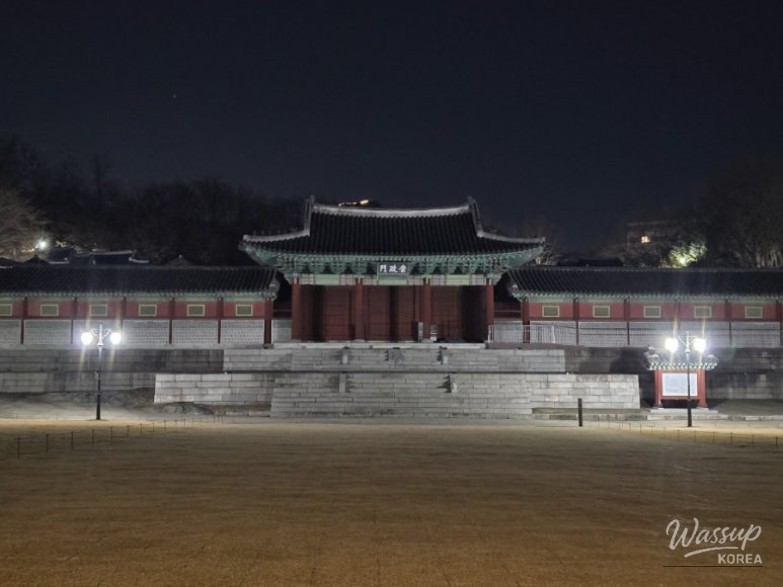


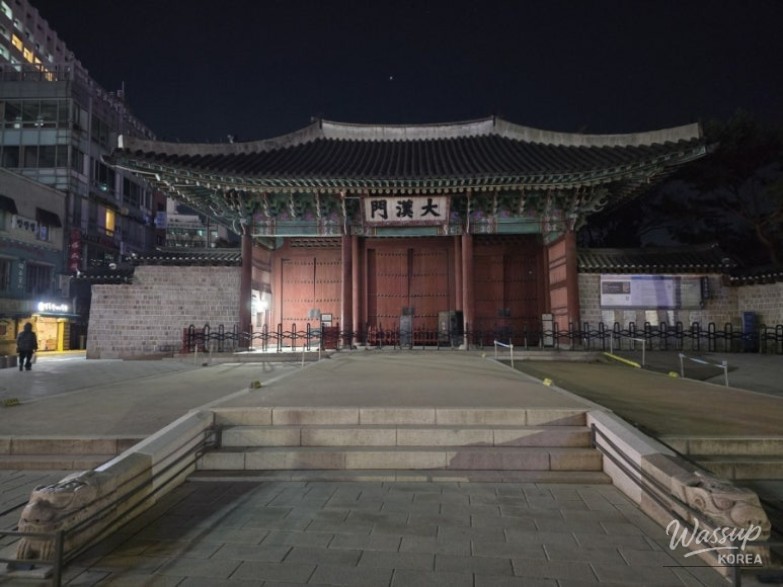


If you were to take a 90-minute walk through Seoul tomorrow, which part of the city's history would you want to experience first—the royal grandeur of the palaces or the modern energy of the squares? If you're visiting the Gwanghwamun area, would you like me to recommend a cozy traditional tea house in nearby Ikseon-dong for a post-walk treat? Let me know which of these historic landmarks is currently on your Seoul bucket list!
No comments yet.